





Philippine art is thriving. Now what?

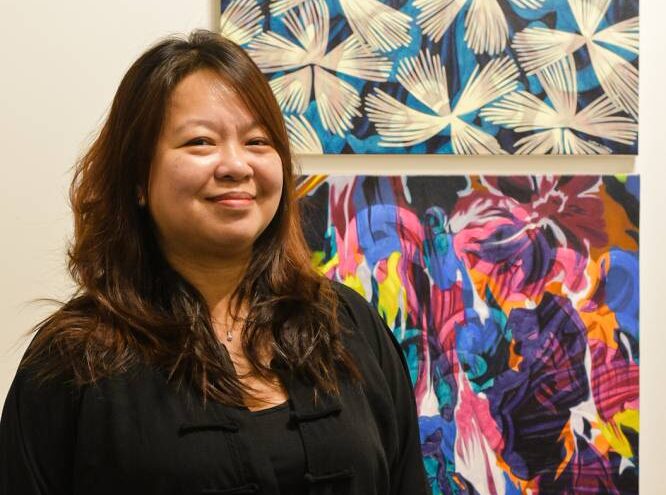
The first quarter of 2026 has been a milestone for the Philippine art scene. After Art Fair Philippines and ALT Art, the season eased into the more relaxed, family-friendly atmosphere of Art in the Park. These milestones, along with the recently concluded Sining Filipina awarding ceremony, have galvanized a diverse ecosystem of artists, collectors, writers, curators, philanthropists, and enthusiasts.
The success of a platform like Sining Filipina, in particular, highlights a pivotal shift in how we define “national” reach in relation to art competitions. Beyond celebrating excellence, the competition sought to actively democratize access for women artists across the archipelago, including Persons Deprived of Liberty.
By leveraging a network of partners like SM and BDO as regional drop-off points, the initiative removed the daunting financial and logistical barriers that often gatekeep provincial talent. With over 250 entries spanning from Aparri to Basilan, it proved that the hunger for participation exists far beyond the capital, provided the structural support is there to meet it.
Yet a critical question remains: How do we sustain this energy at the grassroots level?
Moving forward into the complex and evolving terrain of 2026, we face a paradox of progress—a world of hyperconnectivity that can often lead to hyper-fragmentation. For many emerging talents, the ecosystem can feel like a closed loop, where access to the commercial and institutional “center” is restricted by invisible barriers of network and social capital. This perception is compounded by the rapid rise of artificial intelligence, global geopolitical uncertainty, and the perceived slowdown of the global art market.
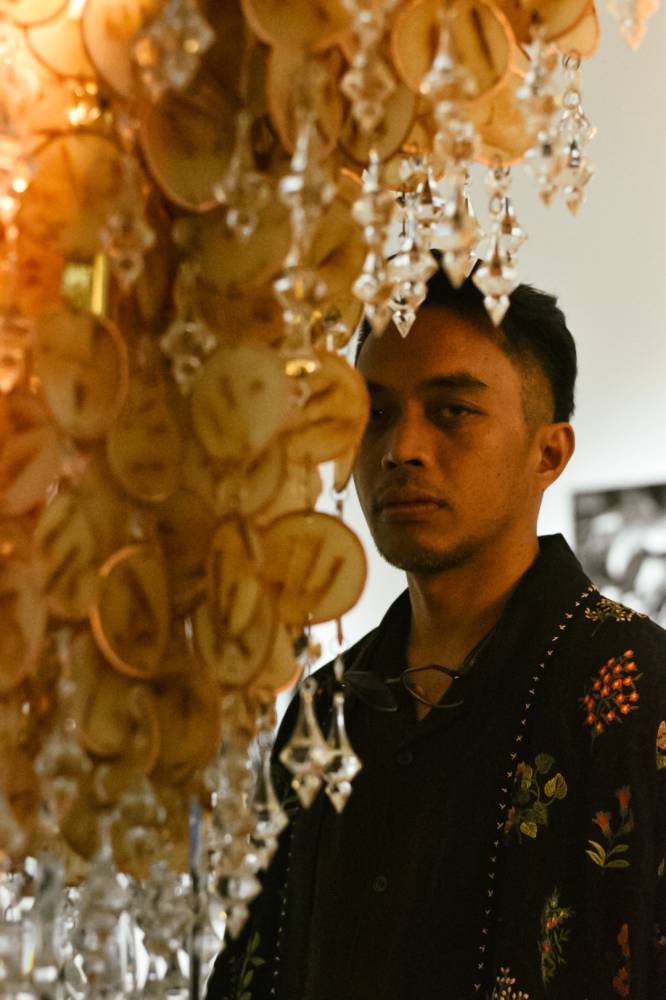
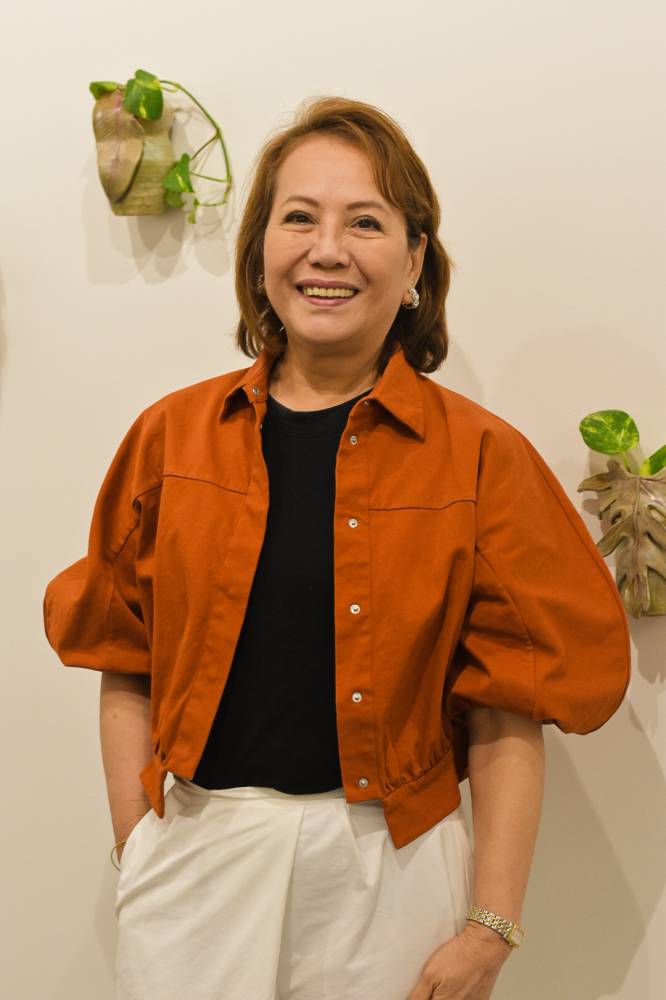
However, this perception is being actively challenged by a wave of grassroots-focused initiatives and practitioners. There is a silver lining in the work of movers like Leslie de Chavez, whose Project Space Pilipinas in Quezon province develops art within the specific context of rural realities, and Aida dela Peña, whose gallery, Kaida Contemporary, serves as a vital springboard for young artists starting their journeys.
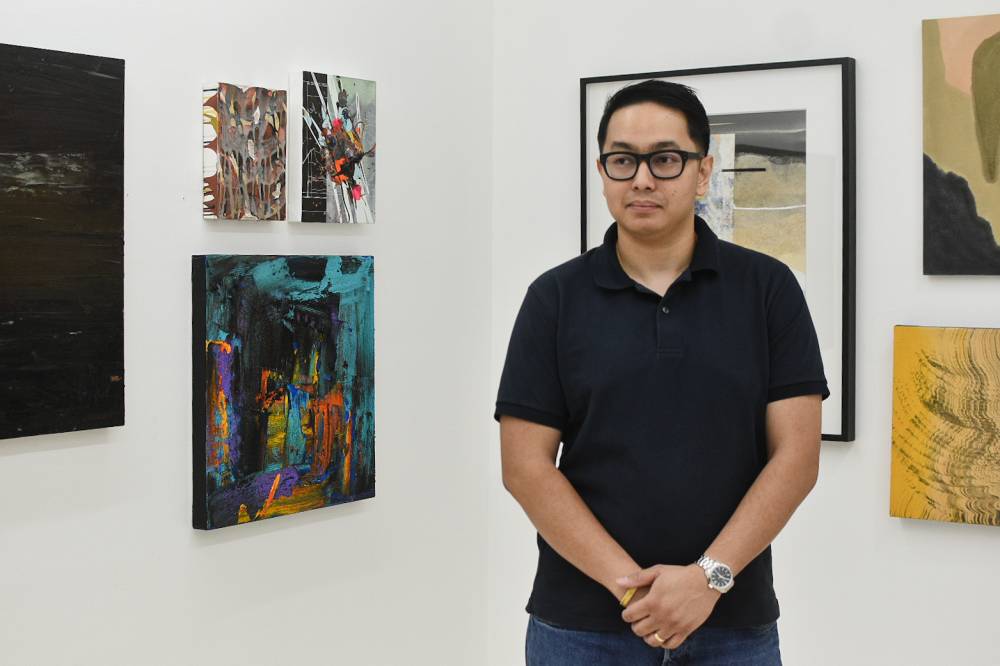
Similarly, RG Gabunada of Faculty Projects provides a platform for emerging artists to collaborate with established mentors through curatorial prompts that push them beyond their usual practice.
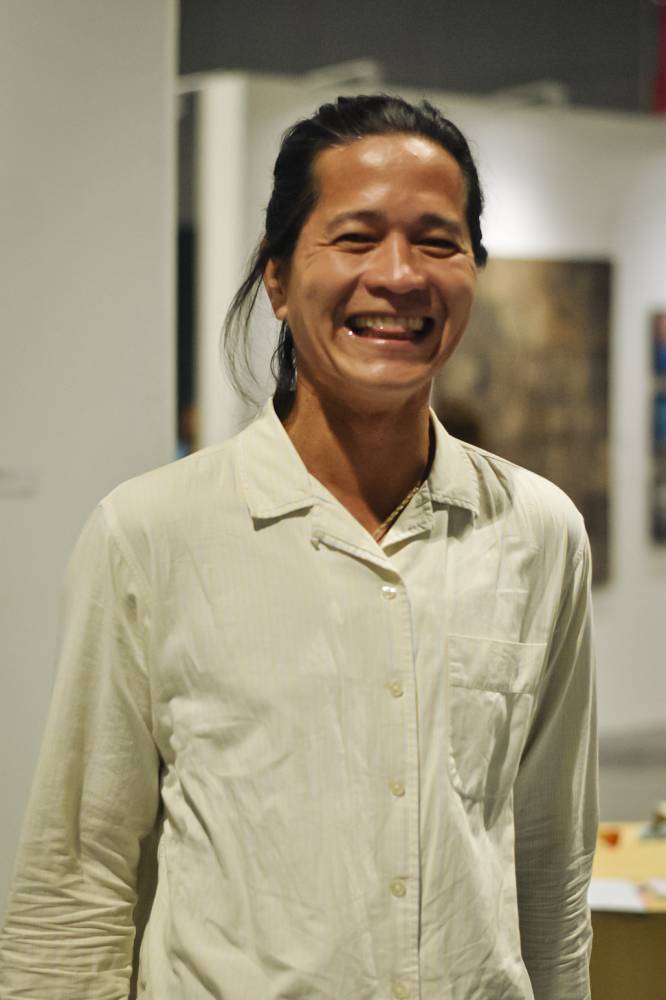
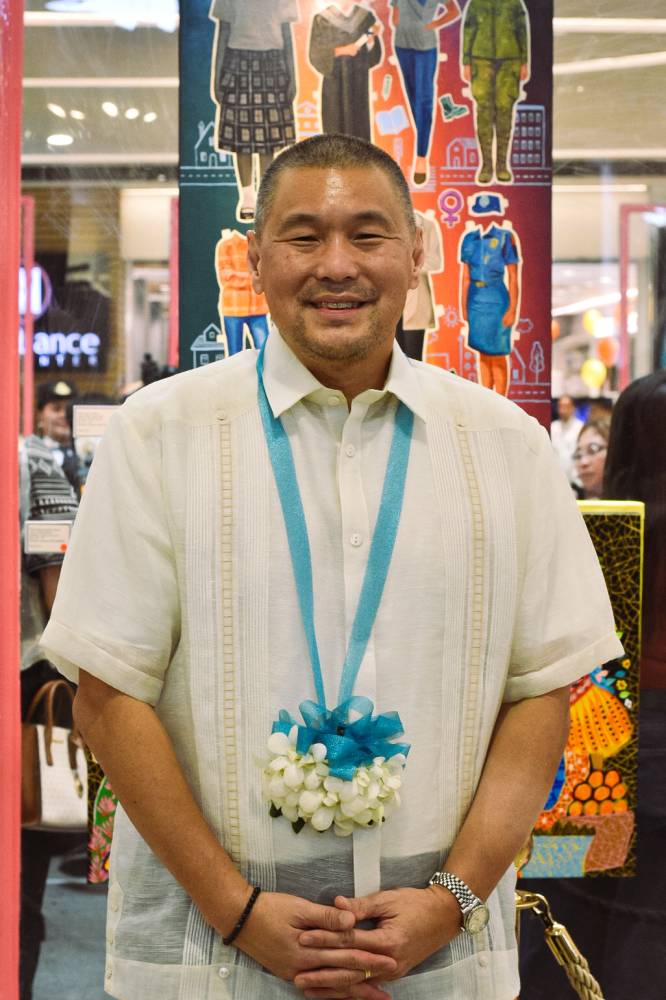
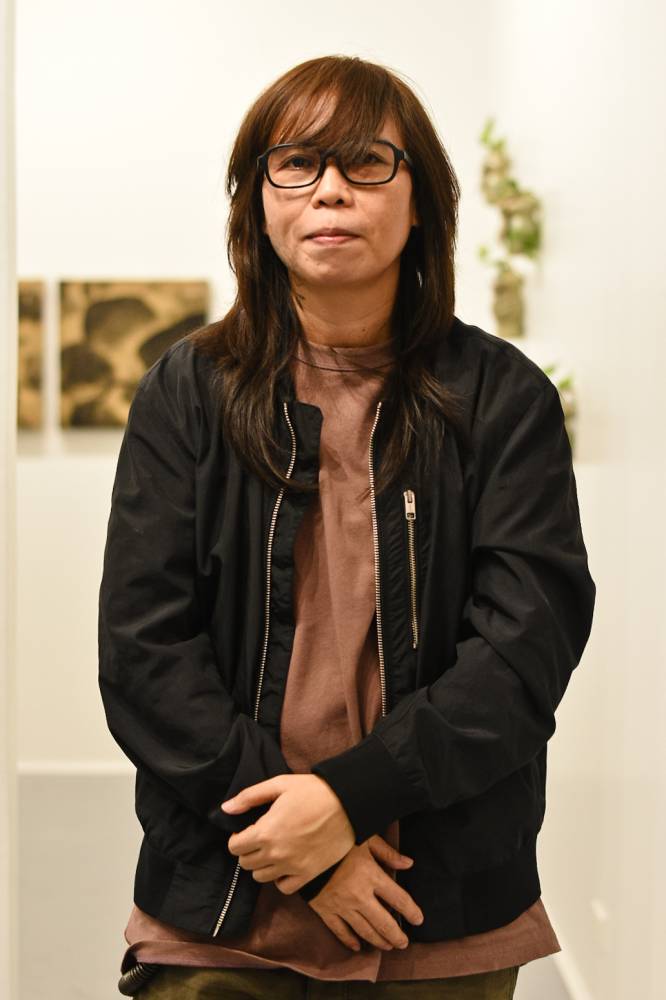
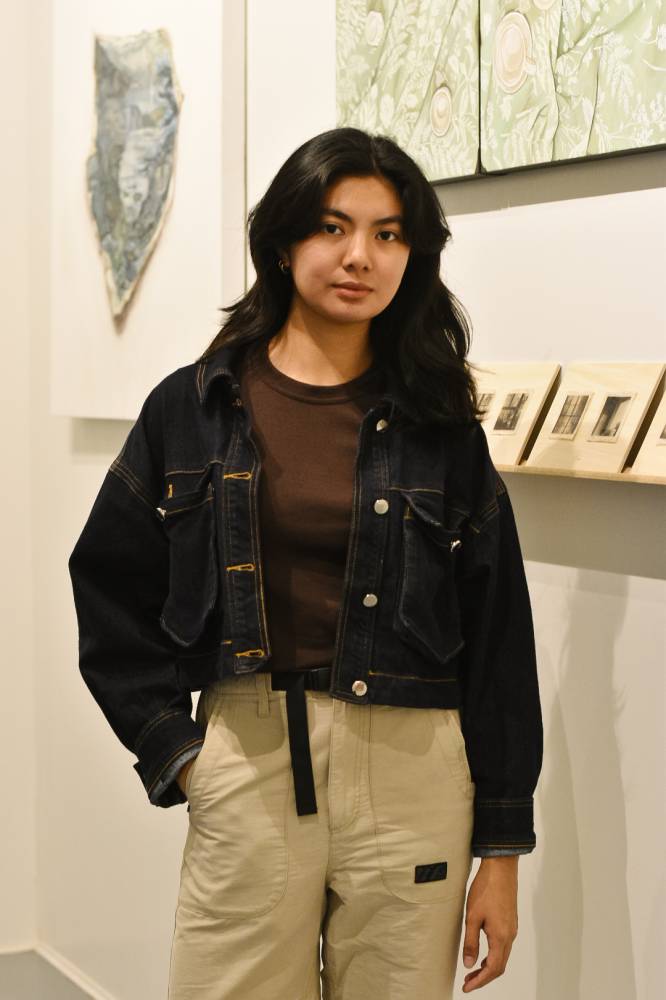
Here, de Chavez, dela Peña, and Gabunada, together with SM Supermalls executive vice president Joaquin San Agustin, ceramicist Pablo K. Capati III, writer and performance artist Kaye Oyek, Gen Z artist and art writer Jillianne “Jing” Ng, and Sining Filipina grand prize winner Marte Goyon share their insights on strengthening the roots of our creative landscape.
From grassroots cultivation to community engagement
So, how can the ecosystem be strengthened from the ground up? De Chavez shares his approach:
“Similar to a field that must be worked season after season, the art ecosystem also demands sustained collective cultivation. It must be continually tilled so it remains open to renewal, and good seeds must be planted with real intention and care. What grows from such effort and labor will never be accidental, it is the quiet result of resilience, responsibility, and hope.
Also, those who tend the art ecosystem must also build a shelter on their own not only as resource centers but a reliable structure steady enough to protect one another. For when care is shared and nurtured within or by a community, the harvest extends beyond their immediate environment, growth becomes communal, generous, organic, and about the people who keep the ecosystem’s dynamics alive.”
Building on this perspective, Gabunada focuses on creating spaces for emerging artists to experiment, connect, and engage. “I believe art has the power to teach, connect, and elevate communities. Strengthening the ecosystem at the grassroots level begins with creating more spaces and platforms where art can be practiced, exhibited, and discussed. These spaces allow emerging artists to find their voice while inviting communities to actively engage with creative work. While digital platforms make art more accessible than ever, there is still no substitute for experiencing it in real life. When people gather around art physically, conversations begin, relationships form, and communities grow. That is where a truly sustainable art ecosystem takes root.”
Institutional support and platforms
San Agustin describes how Sining Filipina and Art for Everyone create opportunities for artists nationwide:
“One thing that excites me is the fact that through Sining Filipina, we are able to give budding artists the opportunity to display their creativity and the culture of their communities, particularly on a big stage like our malls, which deliver such high foot traffic. Our malls bring communities together from Luzon to Mindanao. Knowing that we can be part of the development of these artists’ careers gives us so much gratitude.”
He adds: “Beyond receiving such a fine selection of over 250 artworks in Sining Filipina, what matters to me more is the realization of our advocacy for women artists—how we can somehow be a partner in empowering women artists and makers. Being inclusive matters to us. On top of the entries submitted from across the archipelago, we also received works produced by women in correctional facilities.”
Meanwhile, at the gallery level, dela Peña emphasizes the mentorship and risk-taking necessary to nurture artists.
“Wala naman talagang sikreto sa pag-develop ng artists at the grassroots. I think part of it is choosing the artists. Kailangan mahusay ’yung artists to begin with. They need to come up with something exciting, interesting, and have their own visual language or style. Half of the work is done by the artists; the other half is done by the gallery. I love artists who are willing to take risks. Artists and gallerists are both risk-takers. ’Yan talaga ang dapat nating isipin—the risk involved in the process of building an artist’s career. My gallery is always open to the artists who see Kaida Contemporary as their home.”
Supporting traditional and local practices
For artists working in specific mediums or regions, sustained support and education are crucial. Capati, a ceramicist, highlights the need to strengthen local pottery traditions.
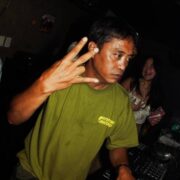
“As for strengthening the grassroots level in pottery, dapat ’yung mga probinsya na may kultura sa paso magkaroon ng classes na maisama sa public schools and high school levels, even earlier if possible. Places like Sagada, Kalinga, Dumaguete, etc. Provinces with clay culture should have community centers sponsored by the LGU.”
Similarly, Oyek underscores the importance of community involvement and early exposure.
“Love for the arts really starts with family, school, and the community, so I am proud of the artists I know personally who give free workshops where they are, open their studios to the community, or are always ready to help whenever other friends invite them to share knowledge about their art practice. My dream, though, is for barangays to have designated art spaces where interested kids can have their fill of materials that they can play with to their hearts’ content. This does not even mean just having an endless supply of crayons and pastels because there are soil artists in Bukidnon who are always willing to teach new generations about how they can maximize their local materials, like different shades of soil, to make art.”
Visibility, accessibility, and next-generation support
Emerging voices like Gen Z artist and art writer Ng highlight visibility, awareness, and consistent opportunities as key to nurturing future talent:
“Firstly, the art ecosystem will be strengthened at the grassroots level through the creation of platforms for community and awareness. Shared knowledge and interchange is necessary for mobilizing projects. Supporting and spotlighting alternative spaces is important for their continual existence. We have amazing alternative spaces and happenings but not enough people know about them.”
“Secondly, let art entwine with life and learning,” Ng adds. “Start at the base level. My earliest interactions with art began through enthusiastic grade-school teachers. Nurture the young. Collaborate with an immediate community. The more art becomes integrated into practical living, the more it becomes a viable option for the next generation to pursue.”
Goyon, Sining Filipina grand prize winner, reflects on how structured support programs impact emerging artists:
“Sa usaping pag-develop ng arts sa grassroots, malaking tulong para sa akin ang organizers ng Sining Filipina dahil binigyan nila ang kababaihan ng buong Pilipinas ng access sa pagsali sa contest. Naranasan ko na mag-struggle, naranasan ko na maraming kailangang gawin at bayaran kaya talagang malaking tulong sila. Maganda ang pamamalakad nila, laging may open communication. Hanggang sa submission ng entries, walang problema. Nag-offer din sila ng free accommodation sa artists. Pagdating naman sa mga premyo, on the spot binibigay ang premyo at tax-free pa.”
View the full feature on lifestyle.inquirer.net