










‘Project Hail Mary’ and the need for a little truth in fiction

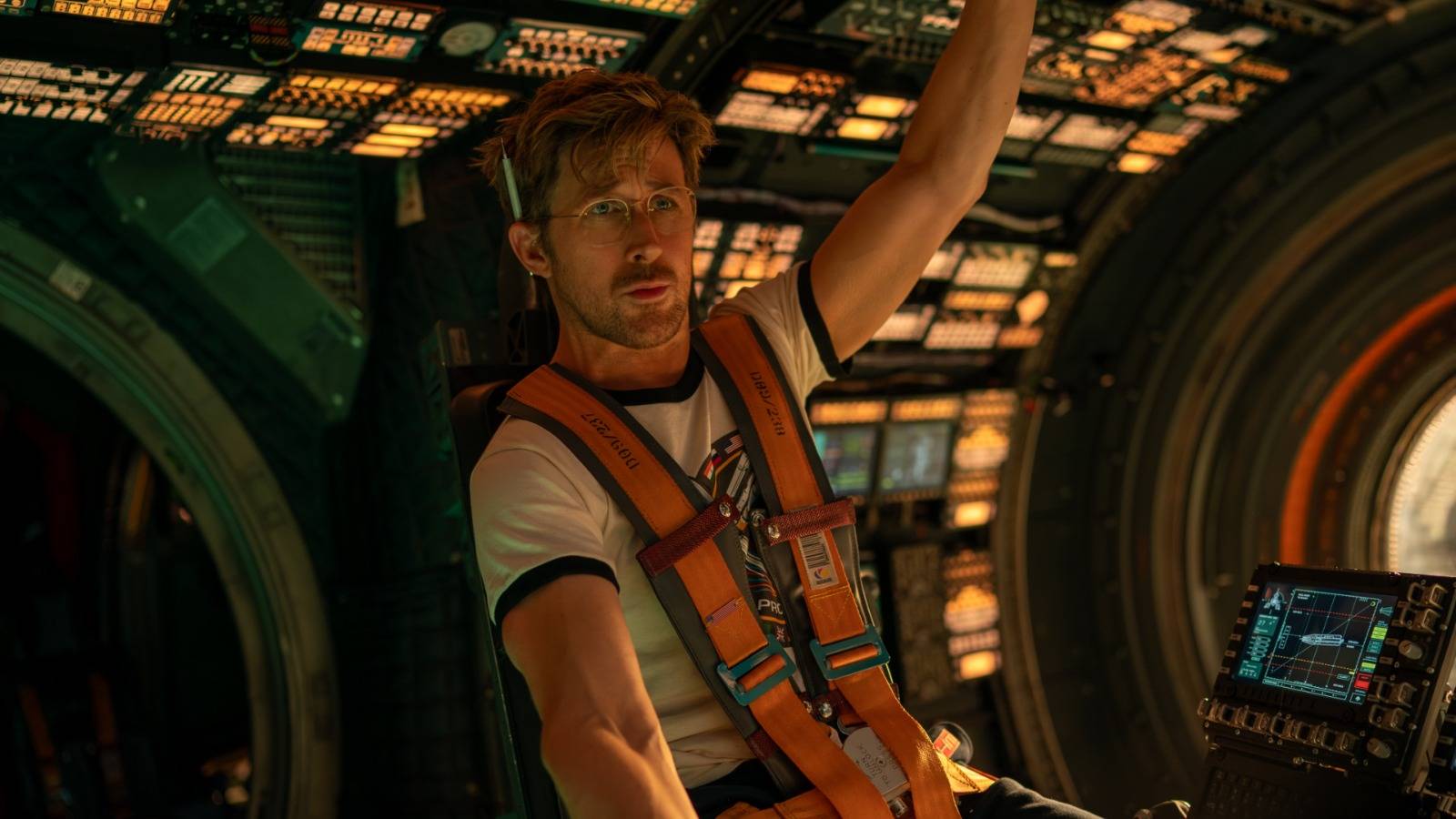
I got to see “Project Hail Mary,” the new film by directors Phil Lord and Christopher Miller, of “Into the Spider-verse,” a film that I really love. The screenplay is by Drew Goddard, based on the novel by Andy Weir, who had written the novel “The Martian,” which was adapted into a film by Ridley Scott and starring Matt Damon. I also really enjoyed “The Martian.”
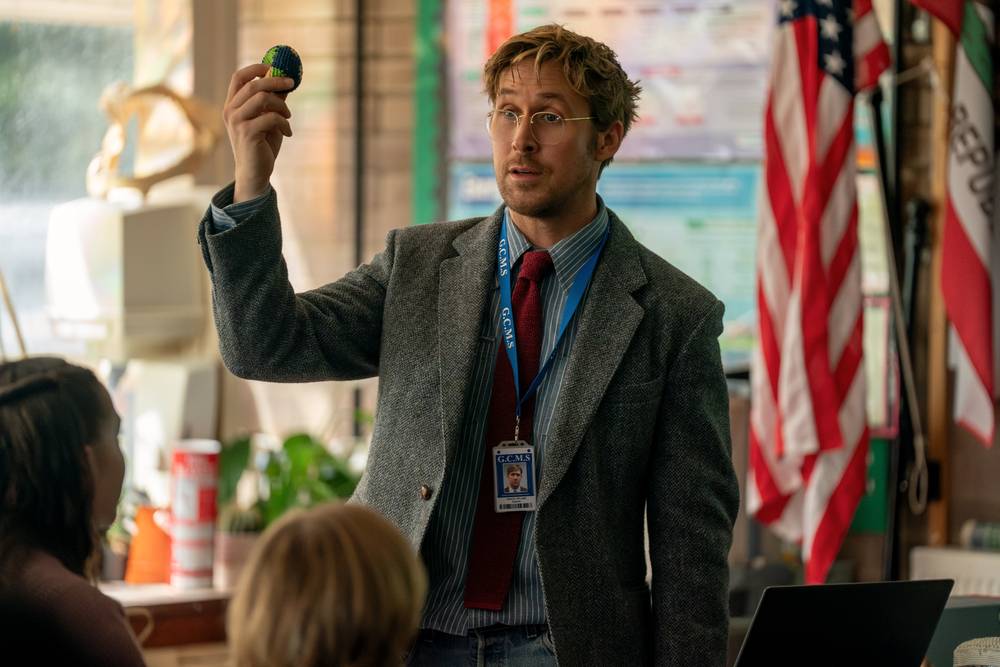
With Ryan Gosling as the lead of a film that pretty much has him acting beside a puppet of an alien (James Ortiz as lead puppet and voice), the actor manages to take all his charm and fully utilizes it to anchor the film’s narrative and get us to care.
The film is funny, well-paced (even at a lengthy 156 minutes), with a good dose of action, and a beating heart that stems from the relationship that’s formed between a human and an alien. By all means, I should be fully engrossed and taken over by this film; in the same way that “The Martian” did in 2015 as it has a similar tone and inspiring message. Both films are excellently done and while I was holding back tears in one or two moments in the movie, something was hitting a wrong note throughout my watching of the film.
“Project Hail Mary” is the story of Dr. Ryland Grace (Gosling), who wakes up in a space ship, heading to a star system far from Earth. He was sent on this mission to investigate the star Tau Ceti, as it may have a clue to stop a cosmic event that is “eating the sun.” In the process of his journey, he meets an alien, whom he calls Rocky (Ortiz), and they work together to save both their worlds.
Everything about this movie works: the acting, the visual effects, the pacing, and music. I honestly wanted to feel what I felt when I was watching “The Martian”, just 11 years back because it has the exact same tonal qualities. But the biggest difference between these two movies is the year. “Project Hail Mary” would be spotless for me had I seen this 10 years ago. But right now, with a war that’s going on, a genocide in another part of the world, and an empire that seems to be cracking and the threat of a totally new world order hangs upon the balance—the message of this film just feels off.
Movies as art, art as truth
For a film filled with science that’s made sort-of easy for the common man—though I honestly think there were a lot of concepts that flew past me but I didn’t mind—I laughed hard at a social media post I read last week that said the most unbelievable thing about “Project Hail Mary” is that the governments of the world worked together to finance and produce this project for humanity’s sake. I didn’t take note of the post as I hadn’t seen the film but as I was finally watching the movie, I got it. I am more inclined to believe in aliens than I am that the world stopped fighting and worked together to solve this cosmic disaster.
It doesn’t help that as the film unfolds, I see less reason for us wanting to save humanity. There’s a pivotal point at a later part of the film that completely undermines the purpose of the mission. Looking at our world now, is it really worth saving?
Last Sunday, the Oscars gave out their awards and a lot of discussions are out on social media talking about whether this movie should have won or that movie was snubbed. There are some rumblings about whether actors and artists should use their time on the podium to air out political messages alongside their thank-yous. It makes me think about all the people who watch movies to escape from the harshness and brutality of the world; and while I do not believe we should prescribe what people should or shouldn’t watch, I believe that the purpose of art has always been to reflect the human condition and to make us reflect on what it means to be human.
For art to be effective as a means of self-reflection, it has to be political. It is always political. Whether it is obvious and deliberate about its views or it tries to hide it, by which it reveals itself inadvertently, a film proposes a world view. It’s why “Sinners” is so powerful because while it is dressed up as a vampire movie (which it really isn’t), what it does is present to us a world where Black excellence has always faced resistance and opposition. It shows us the challenges Black people face when putting up their own safe spaces and a chance to celebrate their own culture.

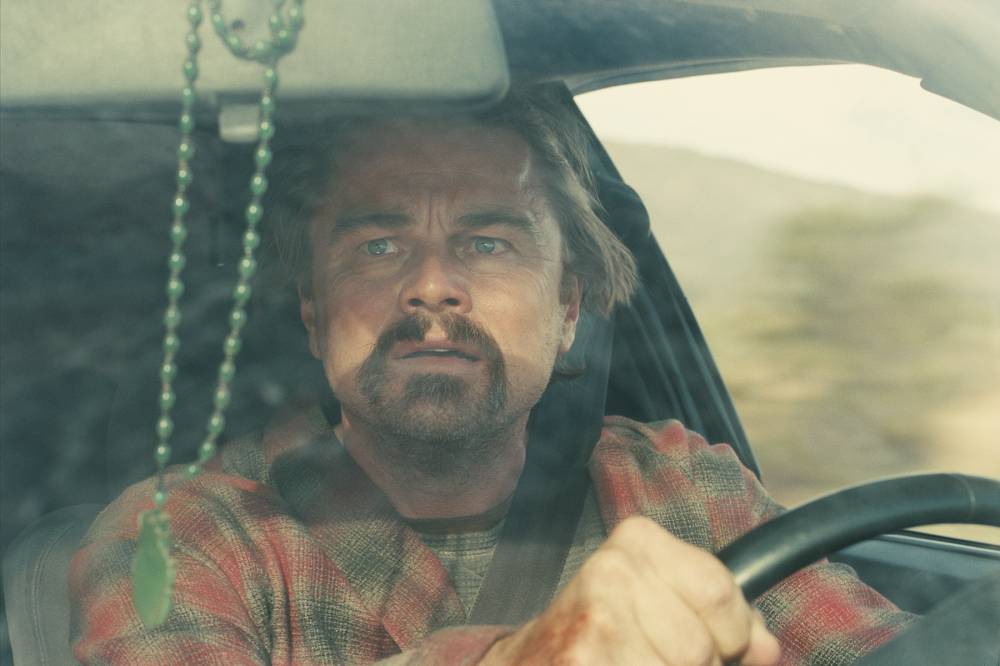
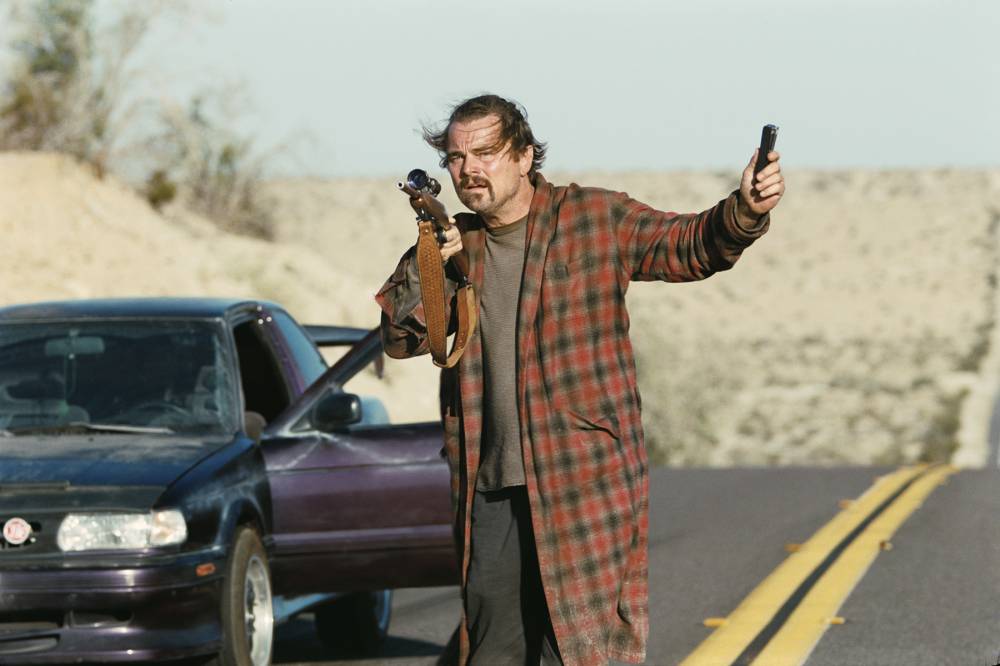
What I love about “One Battle After Another” meanwhile is how it presents a white man struggling to save his daughter, unable to navigate the complexities of a world filled with racism and class inequalities. The revolution is happening around him and all he can think about is saving his own daughter, who is part of that revolution whether she asked for it or not.
The world is changing and art has always buffered the worst of these changes. I remember reading online this quote that says “stories are a way for our hearts and minds to practice for experiences we are yet to have.” I can’t find the author who said that but the message of it has been repeated by psychologists and writers for a few decades now. We need stories that can guide us through these extensive and extreme changes that are happening on a global level.
Art has to be true and so, in a way, it’s what I was looking for in a film like “Project Hail Mary.” None of it is true. It is a work of fiction. But I needed it to represent something that is genuine and authentic. And right now, it’s hard to believe that the world is worth saving. It’s actually hard to believe that the different nations of the world would work together to save the planet from destruction. I’m more inclined to believe in vampires trying to break into a barn filled with Black people who are just trying to gather and celebrate their heritage. There’s something honest and true about that despite vampires not being a real thing (or at least I hope).
I really wanted to like “Project Hail Mary.” I did but I also thought it rang untrue. I hope that the movies, moving forward, especially from Hollywood, would be a little more honest in their fiction.