











Recycled polyester is shedding a hidden pollution crisis

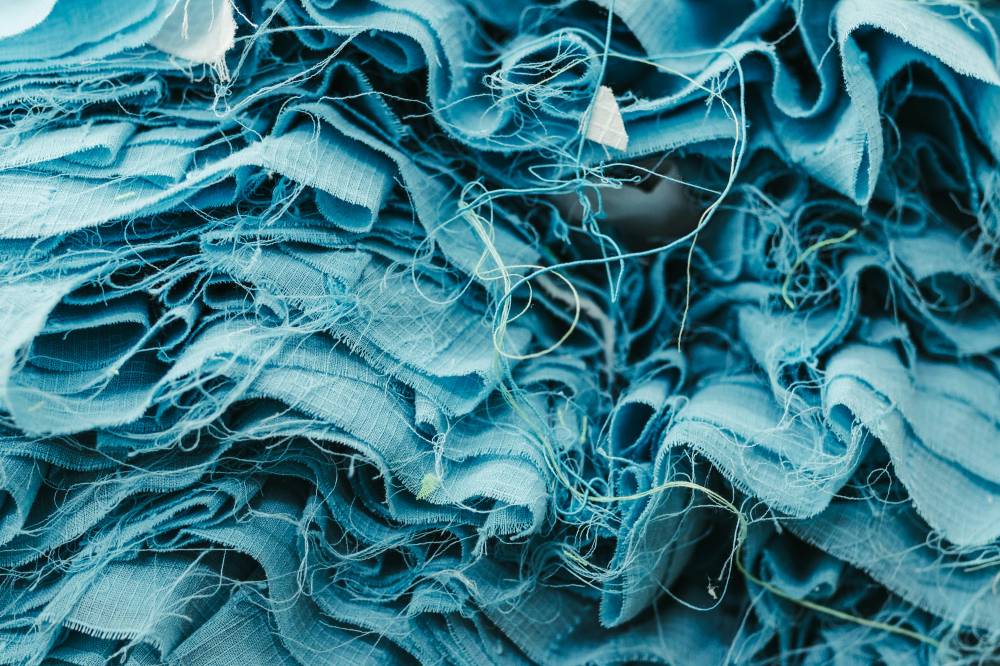
Recycled polyester has been promoted as fashion’s environmental redemption arc. Turning plastic bottles into clothing promised a cleaner future: less waste, lower emissions, and a more “circular” industry. But new evidence suggests that this shift may be trading one environmental problem for another—one that is smaller, harder to detect, and potentially more dangerous.
The microplastic is woven into fabric
Recycled polyester (often marketed as rPET) is produced by melting down plastic bottles and spinning the material into textile fibers. In theory, this would reduce plastic waste destined for landfills and oceans. But according to a 2025 report by the Changing Markets Foundation, recycled polyester sheds significantly more microplastic fibers than virgin polyester, raising urgent questions about the material’s role in worsening global microplastic pollution.
The report, based on laboratory washing tests of commercially available garments, found that recycled polyester released an average of 12,430 microfibers per gram of fabric, compared to 8,028 microfibers per gram from virgin polyester. That is a significant increase of more than 50 percent.
The study examined polyester products—including T-shirts, tops, dresses, and shorts—from five major brands, namely Nike, Adidas, H&M, Shein, and Zara.
These labels are household names with massive global reach, making their environmental impact far from trivial.
Across all brands tested, Nike’s recycled polyester garments shed the most microplastic fibers, with averages exceeding 30,000 fibers per gram—far higher than other brands in the study. Nike’s recycled items shed roughly 16 percent more fibers than Adidas, nearly four times the rate of H&M, and about seven times that of Zara.
This breadth of shedding suggests systemic issues with how recycled polyester is processed and manufactured, not just isolated problems with one type of garment or brand.
The problem lies in the recycling process. Turning plastic bottles into textile fibers shortens and weakens the polymer chains, producing fragile fibers that fragment more easily during washing and wearing. While the process reduces plastic waste in landfills, it inadvertently produces clothing that continuously releases microscopic pollution.

The invisible threat of microplastics
Unlike visible plastic waste, microplastics remain in the environment indefinitely. A recent report by Pew, warns that plastic pollution could more than double over the next 15 years, largely driven by packaging and textile production. The study projects that by 2040, annual plastic leakage into the environment will increase from 130 million tons to 280 million tons, surpassing improvements in waste management.
While packaging will continue to be the largest contributor to plastic use, textiles are expected to grow the fastest, propelled by the surge in low-cost synthetic clothing. And as these plastics fragment, they form microplastics—now recognized as one of the most widespread pollutants, contaminating soil, water, and air, and entering the food chain.

Synthetic textiles alone are estimated to account for up to 35 percent of primary microplastics entering the ocean. Microplastics have been detected in the human stomach, bloodstream, placenta, and other organs, and are associated with increased risks of stroke, heart disease, inflammation, hormonal imbalances, and premature mortality.
The widespread adoption of recycled polyester highlights a broader issue in fashion sustainability: focusing on carbon footprint and material reuse while overlooking pollution that is invisible yet persistent. In trying to close the loop on plastic bottles, brands may be unwittingly widening another environmental problem—one that is harder to track and mitigate.
Rethinking what “sustainable” really means
Recycled polyester can still play a role in reducing plastic waste, but it is not a silver bullet. The Changing Markets Foundation recommends a more holistic approach to sustainable fashion: reducing overall polyester consumption, improving fiber recycling technologies, extending garment lifespans, and enforcing stricter transparency and labeling standards.
Consumers also have a role to play—by choosing fewer synthetic garments, washing clothes less frequently, and using microfiber filters when possible.
True sustainability cannot be measured by recycled content alone. As fashion brands continue to market their recycled garments as “eco-friendly,” consumers need to look beyond labels and consider the hidden environmental costs woven into their clothing.