









Reset your body in minutes

After a month of holiday celebrations, travel, and indulgence, many people begin the new year feeling heavier or low on energy—and unsure where to restart. As you reset your goals and reconnect with healthier routines, this weekend is an ideal time to plan your exercise strategically, so you can move forward without overwhelming your body and mind.
Do not feel pressured by the New Year workout routines of influencers with perfect bodies you see on social media. It can feel intimidating, especially after the holidays. For now, your focus should be on trying the most realistic and doable workouts you can repeat consistently. Over time, you can adjust intensity, extend duration, add variety, or gradually return to structured workouts you enjoy—or have been wanting to try.
Every short workout reinforces your identity as someone who takes care of their health. This builds confidence, momentum, and motivation, making it easier to return to habits that create balance and long-term well-being. The goal is simple: rebuild momentum and create habits you can sustain.
Simple science-backed exercise approaches you can do right now
Imagine the benefits you can gain simply by starting again, even with home-based movement lasting just up to 30 minutes. These short, intentional sessions can give you more energy and motivation, especially after the holidays. These exercise approaches are meant to be part of your daily lifestyle, not just a New Year reset.
1. Movement snacking: For feeling good, improving metabolic health, and overall fitness
Movement snacking refers to short bouts of exercise done throughout the day to break up sedentary time. These low to high intensity movements are typically performed two to five times (or a bit more) per day, lasting two to five minutes each, for a total of about 10 to 20 minutes daily.
These moves are perfect for restoring your body, since lack of sleep, disrupted routines, and holiday stress cause hormonal imbalances that contribute to fat gain and mood issues.

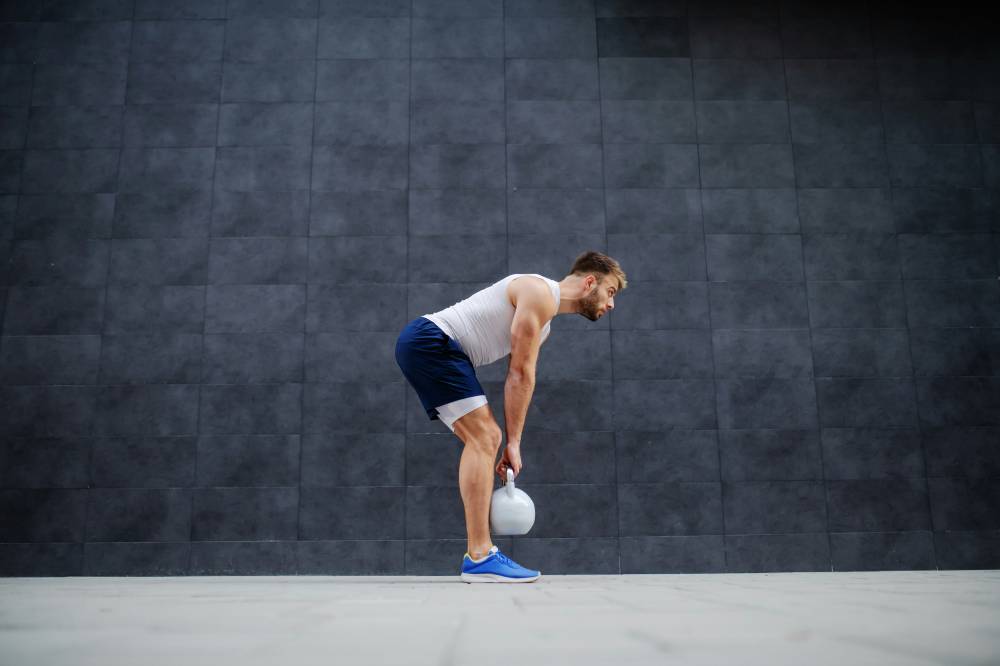
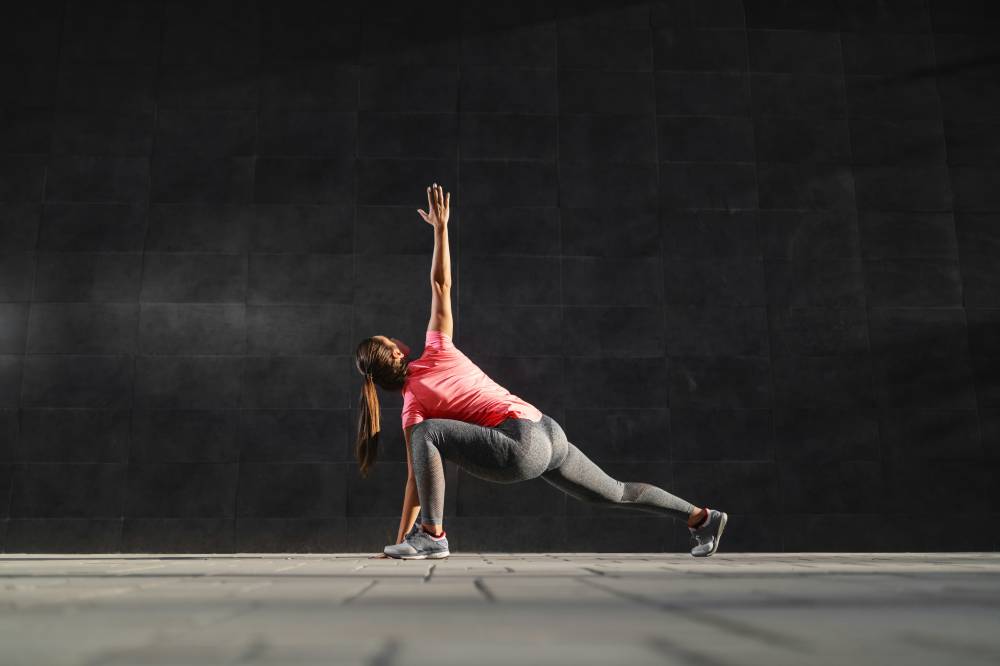
*While cooking or working at the office, try 10 to 20 squats, chair or wall push-ups, standing abdominal crunches, or lunges. To gradually increase the challenge, add dumbbells for resistance during squats or introduce additional repetitions as you become stronger
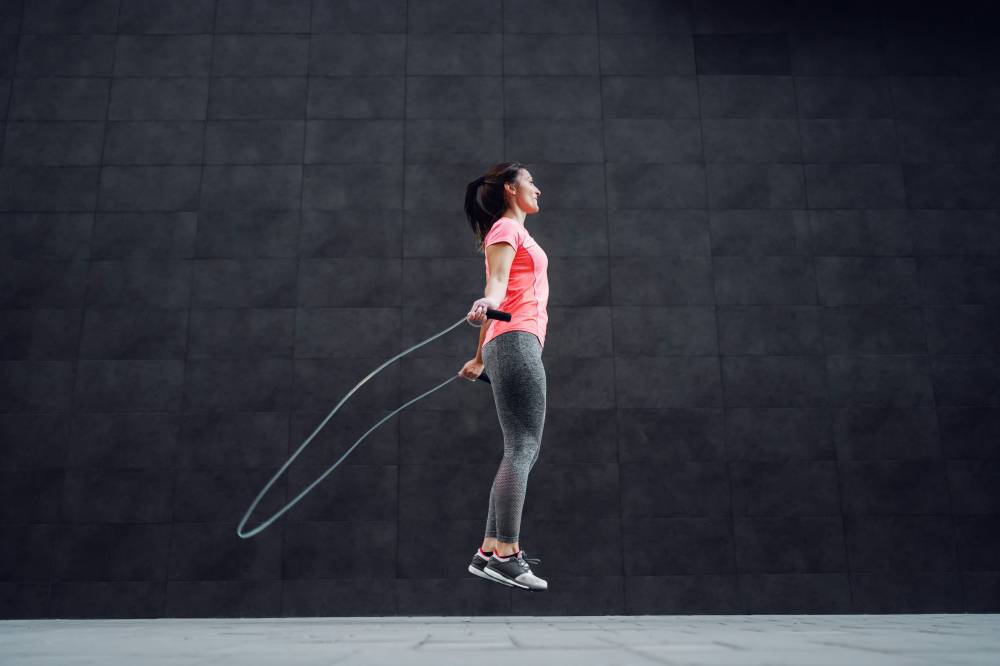
*Turn passive time into active recovery, particularly while watching television. Choose two to five simple cardio-based movements—such as jumping jacks, knee lifts, jump rope, or sit-to-stand exercises—and perform each for 30 to 60 seconds
*Stairs at home or in your office are built-in fitness tools. Climbing up and down for two to five minutes, once or thrice a day, strengthens the lower body, improves cardiovascular endurance, and increases daily step count—without requiring extra workout time. Even at a relaxed pace, stair climbing can quickly raise your heart rate into the moderate-intensity range (50 to 70 percent of maximum heart rate).
2. After-meal walking or movement routine: For hormonal balance and weight control
Celebrations often lead to higher carbohydrate intake, more desserts, irregular meal timing, and frequent eating out. Consistent movement, especially walking after meals, helps increase calorie use and allows muscles to absorb glucose more efficiently, leading to improved blood sugar and weight control.
Research consistently shows that walking shortly after eating can significantly reduce post-meal blood sugar spikes compared to remaining seated. Well-regulated blood sugar plays a central role in weight management, hormone balance, sleep quality, and overall metabolic health. This after-meal habit may be one of the simplest lifestyle shifts with the greatest long-term return.
Unlike movement snacks that last only a few minutes, aim for at least 10 to 15 minutes of walking or light exercise after meals. This becomes especially important in the evening, when higher nighttime glucose levels may interfere with sleep quality and disrupt blood sugar regulation and hormone balance—not only overnight but also the following day, particularly after meals with high carbohydrates or sugar.
Post-meal movement does not need to be formal exercise. It can be as simple as household chores, walking around the home, preparing stuff for the next day, or climbing stairs. The key is consistency—choosing movements that fit naturally into daily life.

3. Minimum effective dose: For improved muscular strength and cardio fitness
As you incorporate movement snacks and after-meal movements into your lifestyle, you can start your formal workouts by trying the minimum effective dose (MED) first, which refers to the smallest amount of formal exercise needed to produce meaningful results. This approach is ideal for anyone looking to build strength and improve cardiovascular fitness without feeling overwhelmed or overtraining as you start or resume your workout routine.
With consistent MED training, noticeable strength gains often appear in just a few weeks.
Declines in muscle mass, overall strength, and resting metabolic rate can occur after a break from resistance training. So now is the best time to resume the habit—without overwhelming yourself. Accomplish this by doing the MED for strength: at least four sets of six to 12 repetitions (close to failure) per muscle group per week. You can split the four sets into two days. For example, do two sets of chest press on Tuesday and another two sets on Friday. Progress as you get stronger.

When we move less, the body gradually detrains—meaning the heart, lungs, and muscles lose efficiency in responding to everyday physical demands. This is why climbing up the stairs or returning to your usual exercise routine can suddenly feel harder. Retrain your body so workouts feel doable again without the huffing and puffing.
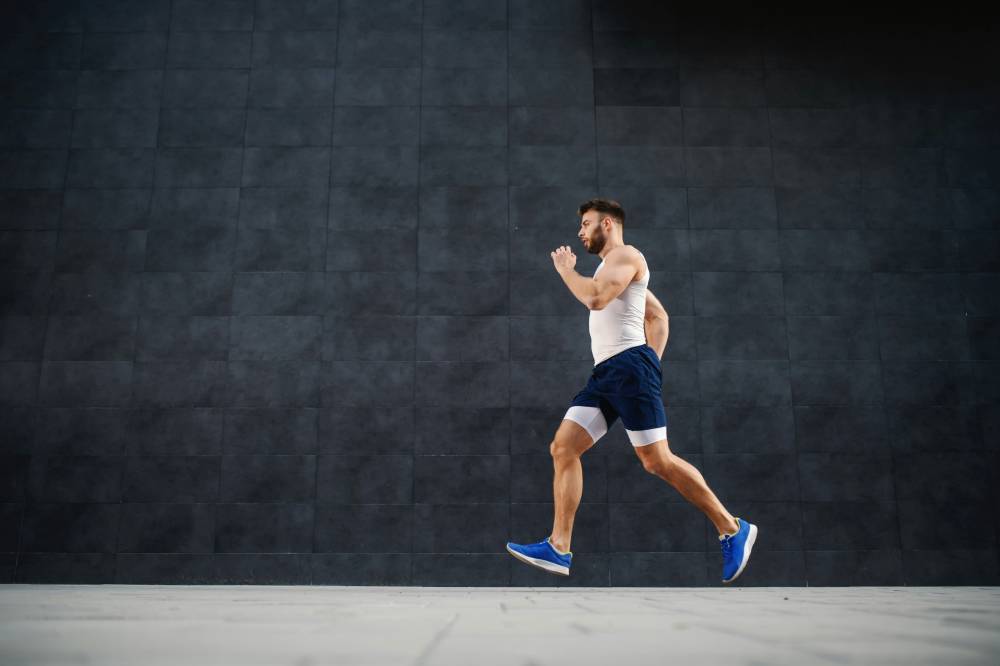
Cardio can be performed anywhere, including walking, running, cycling, swimming, dancing, or stair climbing. Aim for the MED for cardio workouts: 150 minutes (30 minutes, five days a week) of moderate-intensity cardio, or 75 minutes (25 minutes, three days a week) of high-intensity cardio per week as a useful guideline.
The exercise duration can still be lessened, as the frequency increases during the week.