











Rethinking how we learn: Inside the science of cognitive training

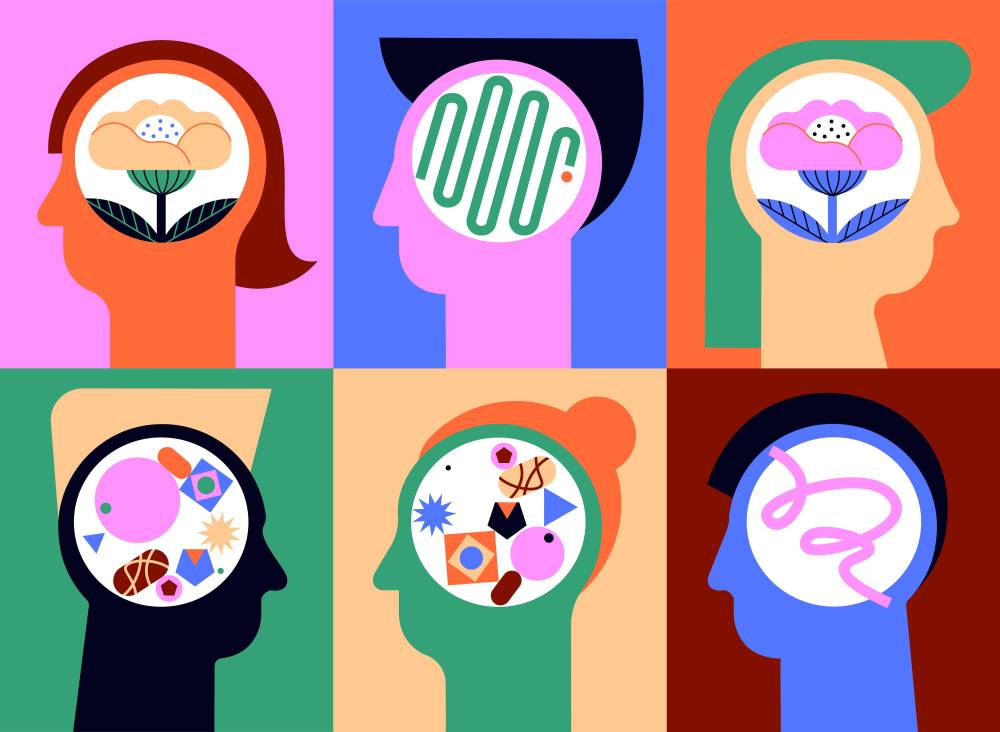
How we process the world—absorbing, interpreting, and responding to our surroundings—is never a one-way street. No two people will look at the same painting on a warm afternoon and walk away with an identical understanding. And BrainRx’s “Train Your Brain” event made this clear through interactive, game-like booths designed not just for fun, but to challenge focus, memory, and reasoning.
How? By framing brain training like exercising at the gym, except the muscle you’re strengthening is the mind.
The concept of cognitive learning
Cognitive learning develops the brain’s core skills: attention, memory, logic, and processing speed. It strengthens the brain’s learning capacity itself.
Students are overwhelmed by traditional tutoring when it is simply a repetition of lessons that have already been taught. This is why cognitive training utilizes neuroplasticity to develop new pathways in the brain through repeated practice.
Research has shown that computer-based training improves working memory, attention and executive control (Frontiers in Psychology, 2013; OUP Academic, 2023). Even 1:1 tutoring for just one hour per week can help to normalize the brain wave patterns of children with learning challenges (PubMed, 2015); while meta analyses indicate that these methods improve executive functioning in adults (MDPI, 2023).
Imagine exercising your brain: at first, it’s unfamiliar. With training, responses quicken and tasks become second nature.
New approaches to learning
At “Train Your Brain,” I tried exercises that kept me present and made learning enjoyable.
Each station focused on a different skill—logic, visual processing, memory, attention, processing speed, and auditory processing. One exercise I remember vividly was the one I struggled with the most: processing speed. On one side of the venue, desktop computers were set up, each running a game and displaying instructions ranging from short to long.
I found it particularly difficult to process the longer instructions, often having to read them several times just to understand the task, or even to figure out how to play the game.
With short attention spans from social media, these exercises gently reset the mind, helping it absorb and process information.

Benefits beyond the classroom
What stood out most was the trainers’ individualized approach. No two brains function the same way, and the coaches emphasized the importance of adjusting to each learner’s needs. That level of personalization reflects the heart of cognitive training.
This tailored approach delivers tangible results. Parents notice improvements in focus, reasoning, and confidence as children progress, while emotionally, kids become more patient and better at problem-solving.
The program adapts to both neurotypical and neurodivergent learners, and even small gains in attention or following instructions can boost independence. That said, ultimately, BrainRx strengthens skills that matter not only in school but in everyday life.
Growing awareness
This approach reflects a broader shift in education—understanding that learning struggles are not fixed flaws, but skills that, with guided practice and awareness of our brain’s individuality, can be strengthened and unlocked.
Cognitive learning shows that every brain can grow. With the right tools and support, anyone can overcome learning challenges and thrive—unlocking the full potential within each of us.