





Rhodessa and Chezka blur the indie and mainstream line

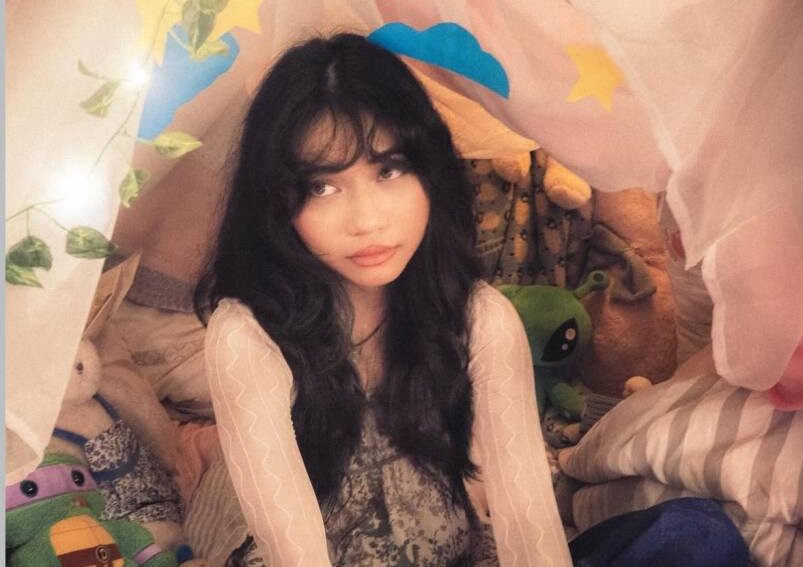
Put them at a crowded party, and Rhodessa will be the one scanning for a quiet corner, while Chezka is likely making sure that everyone has a drink. One is a self-confessed introvert who takes warming up to talk. The other is a “super bubbly, at times annoying, extrovert.”
But when the lights are out, they both retreat to the comfort of their bedrooms. And left to their own devices, their contrasting energies translate into the same dreamy sounds that lull their listeners into calm.
As two of the newest faces of Spotify’s Radar Philippines—a program that champions emerging Filipino artists across the globe—Rhodessa and Chezka hope to amplify the momentum they have been building, so that their songs can continue finding new life beyond the four walls of their bedrooms.
“Hanggang ngayon, hindi ko pa rin ma-absorb na napili ako. I was in the shower, crying, after finding out the good news,” Rhodessa tells Lifestyle Inquirer. “I’m so happy, and I wish my circle of listeners would keep growing.”
Chezka, on the other hand, was on a train in Singapore when she received a call from her manager. “I was just like, wow, it was so surreal, and it really made my day. It’s so exciting seeing things come together,” she says. “I started out sharing songs on TikTok, and the next thing I know, I’m on Radar!”
Fits like a glove
Spotify dubs them the “indie pop trailblazers” of Radar Philippines’ class of 2026. Of course, the term “indie” is now a confluence of different meanings. If we go by its original sense—operating without the backing of a major record company—Chezka of the independent agency Underdog Music fits naturally, but Rhodessa may not align as closely, since she’s now signed with Viva Records.
But over the years, the creative freedom of working independently led to a musical style all its own, and “indie” unwittingly became synonymous with Lo-Fi production and a sound that’s charmingly unfiltered, but a little rough around the edges. And by this measure, both Rhodessa and Chezka wear “indie” like a glove.
While they’re no longer free agents in the strictest sense, their creative process and commitment to their DIY sensibilities have remained largely unchanged from when they were just starting to upload music online, hoping that, somewhere out there, people would give them a listen.
“I feel great about being called an indie artist, actually. Many of my songs come from writing in my bedroom and recording whatever I’m feeling. I think that really sums me up as an artist,” says Chezka, who has been steadily gaining traction with songs like “Gabriel,” “What Could’ve Been,” and “Gently.”
And perhaps most importantly, they never really signed away their artistic reins. “I feel like you can still call me indie kasi hawak ko pa rin kung ano ang gusto kong ilabas para sa mga listeners. Ako pa rin mostly ang nasusunod,” says Rhodessa, the voice behind the breakout hit “Kisame,” which has now amassed 204.9 million streams.
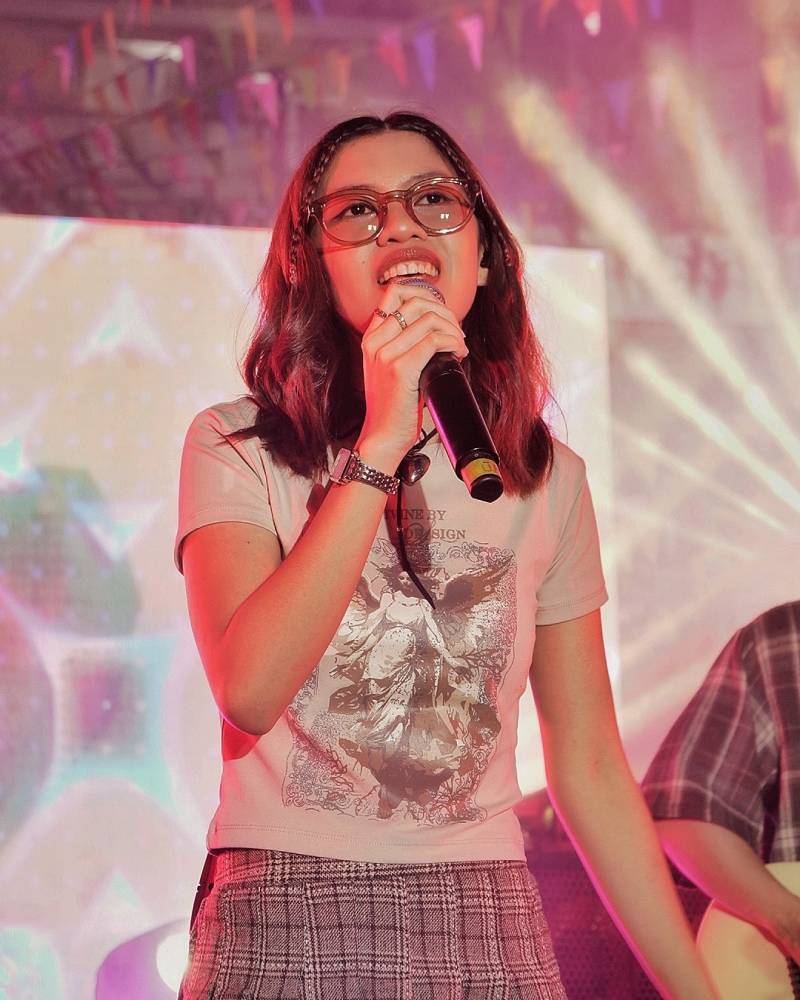
Labels are just labels
But when it comes right down to it, labels are just labels—especially now in the age of streaming, where the line between indie and mainstream has blurred, if not been erased altogether. Twenty years ago, indie music was something you intentionally—and oftentimes, physically—sought. Today, a jangly indie tune can shuffle next to a Taylor Swift behemoth on playlists.
And for this generation of young artists, that can only be a good thing.
“I see more indie artists getting attention, and there are more opportunities to reach the mainstream. Before, it was so hard to have a voice, so it’s great to see all kinds of artists, even the more obscure ones,” Chezka says. “It’s exciting that Pinoy music can now be heard more, both locally and internationally.”
“Lumiliit na ‘yong gap [between indie and mainstream]. Hindi na lang mainstream ang pinapakinggan. And I think ‘yong indie nagiging mainstream na rin siya,” Rhodessa adds.
All about storytelling
The two young singer-songwriters’ brand of indie pop leans toward folk: Rhodessa, by way of Lizzy McAlpine; Chezka, by way of Leith Ross. While they both sing with sweet, feathered breaths, Rhodessa’s production is decidedly energetic and buoyant, whereas Chezka’s has a sparse, but hauntingly ambient sound.
Either way, their distinct sonic approaches create the perfect canvas for their confessional, diary-like lyrics about love, heartbreak, and growing pains.
For both, music is first and foremost about storytelling, and genuine storytelling is only possible if you allow yourself to be vulnerable. In turn, it’s by laying their souls bare that they’re able to reclaim strength and healing—not just for themselves, but for their listeners as well.
“Open ako sa mga kaibigan ko—kulang na lang i-update ko sila kung ano ang ginagawa ko araw-araw!” says Rhodessa, who also draws inspiration from books and fan fiction and interprets them as music. “Para sa akin, mas okay magsulat tungkol sa mga bagay na vulnerable tayo kasi doon ako mas nakaka-connect sa mga tao. ’Yong para pang, ‘Uy, nararamdaman niya rin pala ‘yong nararamdaman ko.”
“People really love it when you come from a place of vulnerability and authenticity. I’m such an empath—#Sagittarius! I enjoy trying to feel what other people feel, frame it into art, and make them feel heard,” adds Chezka.
She once dreamed of becoming a doctor so she could help and heal people. Well, she is one, sort of—only now she has guitars for instruments and melodies for medicine. “I figured I could still do that, but in a different way,” she says. “Music heals me. I believe a lot of people have felt that about a song.”
OPM pride
The first time Rhodessa heard her song played in public was on a minibus. Chezka has had friends come up to her saying they heard her music on the radio. They have come a long way since then. And with Radar Philippines—which spans 180 markets and runs various initiatives for fan connection and discovery—wider, or even overseas, recognition might not be too far-fetched.
But wherever their music takes them, they’re sure to bring their indie soul with them.
For Rhodessa, that means holding on to her curiosity and playful musical spirit. “I want to come up with new flourishes for my songs, so I can engage more people… so there’s always something new to hear, kahit nasaan sila sa mundo. Sana, globally, may makinig,” she says.
Amid growth and the thrill of future prospects, one should never lose sight of one’s identity. Thinking about going global can be fun, but Chezka says we should never forget our roots—and pride—as OPM music artists. “I don’t think there’s much to change if we want to bloom on the international stage. If it happens, it happens. I believe that people who want to hear your music will find and come to you.”