








Sienna Rose and the AI that fooled our ears

Regardless of any advancements in artificial intelligence (AI), particularly in the visual arts, AI-generated content remains easily distinguishable from human-made works. Faulty physics, unnatural movements, absurd situations, you name it—these errors can easily be identified, even by the untrained eye.
Unfortunately, while the visual side of AI still has ways to go before it can go undetected, AI-generated music is a lot closer than it seems.
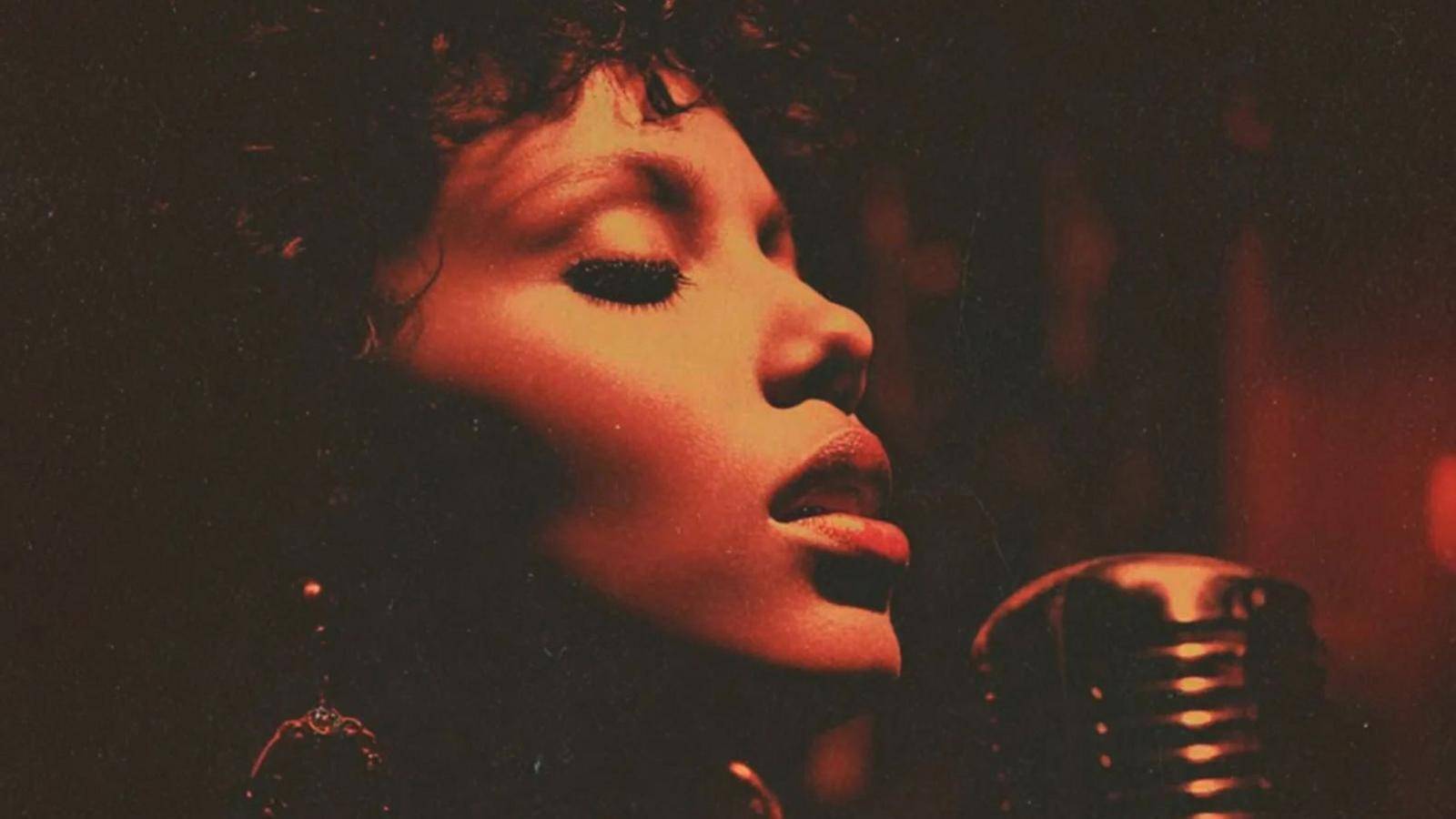
Sienna Rose, a seemingly run-of-the-mill R&B artist, was recently unmasked as an AI persona that has fooled both listeners and celebrities alike. And we’re not talking about rookie numbers: that’s three million monthly listeners on and tens of millions of streams on Spotify alone, as of writing.
AI-generated music is not uncommon on streaming platforms. But a bot that’s bringing in numbers is something you can’t sneer at—and that’s a trend that the industry can’t and won’t likely ignore.
The mystery of Sienna Rose
Coming seemingly out of nowhere, Sienna Rose is a “neo-soul singer” (as per Rose’s Spotify bio page) with shades of R&B stars such as Alicia Keys and SZA. Her (or its) most played song, “Into The Blue,” with over 6.5 million streams on Spotify as of writing, features sultry vocals, a beautiful falsetto, and a jazz-inspired instrumental that, for all intents and purposes, makes for an undeniably good track. It’s no wonder that even Selena Gomez was caught using Rose’s “Where Your Warmth Begins” in a recent Instagram post, which she has since taken down.
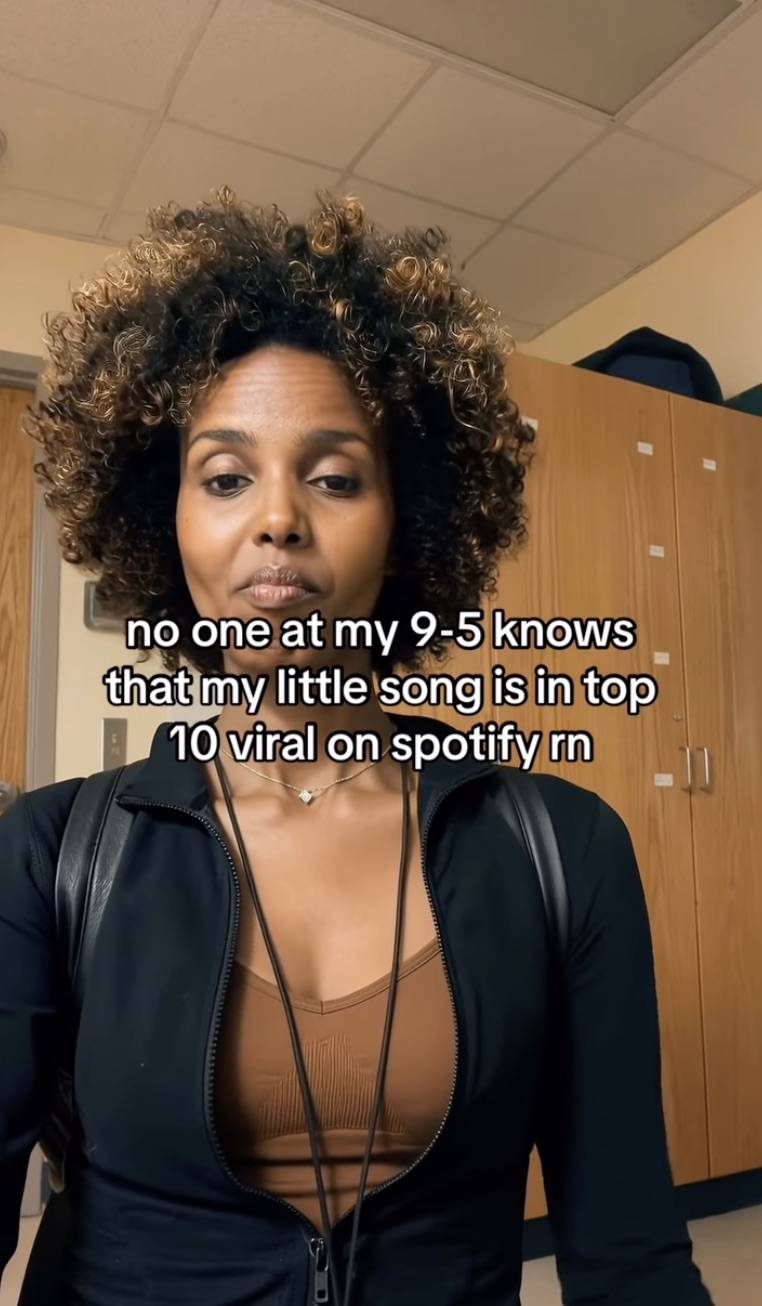
What gave it away? Aside from streaming service Deezer sharing that they’ve flagged the music as AI-generated, there were plenty of other indicators: Rose has posted 44 tracks between 2024 and 2026, which is an unrealistic amount of songs to be released in such a short amount of time; its social media account features TikToks with uncanny movements and facial expressions (as we’ve said, visual AI is much easier to detect); and AI music is often characterized by a slight hiss or white noise that can be heard beneath the mix.
According to Mark Savage of the BBC, Rose is apparently listed under indie record label Broke and independent label Nostalgic Records. While Broke has legitimate artists such as bbno$ and Ndotz in their roster, Nostalgic Records, on the other hand, features two other “talents” with a virtually non-existent social media presence, likely making them also AI-generated artists.
In a sea of AI clones
But Rose isn’t an isolated case. According to Deezer, as of April 2025, the streaming platform has received over 20,000 fully AI-generated tracks daily, accounting for approximately 18 percent of all uploaded content.
Why? According to Clovis McEvoy of the World Intellectual Property Organization (WIPO), “Fraudsters use AI song generators to flood streaming platforms with millions of fake songs and stream each one just a few thousand times—enough to generate royalties from each track but not enough to arouse suspicion and detection.”
McEvoy also notes that AI-generating actors used to upload less, instead using bots to generate plays and royalties. He notes, “The problem for the would-be thieves, though, is that this approach is easy to spot; unknown songs by unknown artists suddenly garnering millions of streams raises obvious red flags.”

Skirting around the true nature of AI
But what is being done against this? Back in September of last year, Spotify updated its AI guidelines to protect artists from losing out on payouts to AI impersonators and duplicates. However, rather than tackling AI as a whole, these guidelines focused on voice clones—for example, if a track posted features the vocal likeness of Ariana Grande.
For other instances of AI use, Spotify instead mandates disclosures in music credits. “This standard gives artists and rights holders a way to clearly indicate where and how AI played a role in the creation of a track—whether that’s AI-generated vocals, instrumentation, or post-production,” writes Spotify in a press release.
The platform adds, “It’s not about punishing artists who use AI responsibly or down-ranking tracks for disclosing information about how they were made.”
But frankly, what is responsible AI use to be exact? While it can be truly used as a tool to streamline the music production process, without the right wording and policies in place, all it does is allow non-musicians a loophole they can exploit to make a quick buck.
It is said that AI democratizes artistry. But if gatekeeping is the only way to protect artists who’ve put in the time and effort to become good, so be it. Let’s not beat around the bush.