








‘Stranger Things’ Volume 5: When ‘80s fashion becomes costume

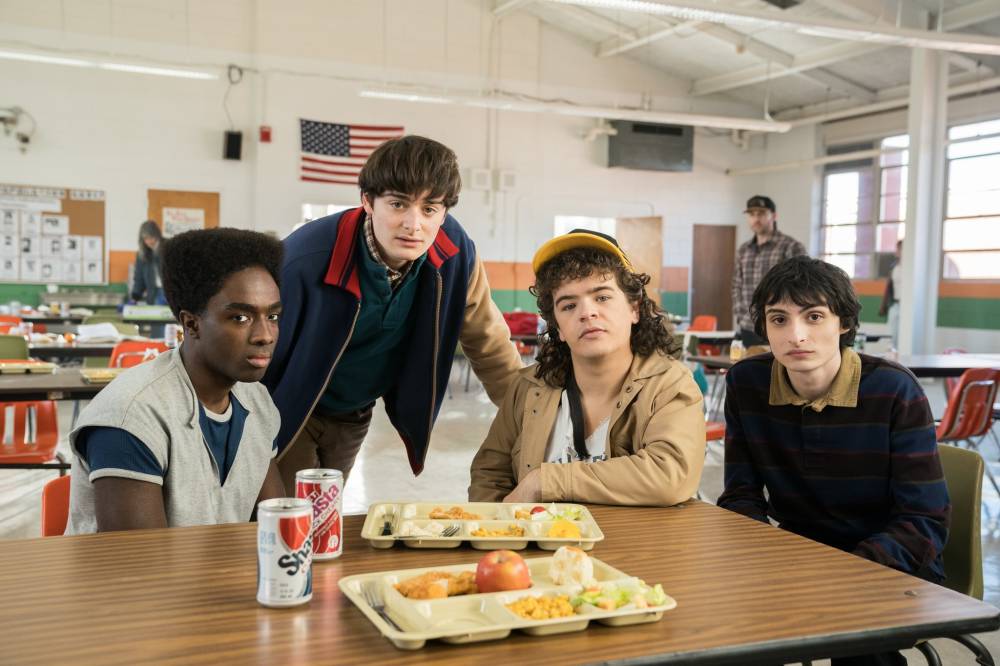
As “Stranger Things” reaches its finale, the show’s relationship with 1980s fashion feels more complicated than ever. What once read as effortless period dressing now risks slipping into costume territory. This piece will look at how Volume 5 handles nostalgia through clothing—and where it succeeds, but more importantly, where it feels overly referential, safe, or frozen in time.
Rather than treating ‘80s fashion as a living visual language, the styling often leans heavily on recognizable tropes: acid-wash denim, varsity jackets, scrunchies, and graphics tees that signal “the decade” without deepening character.
But I want to explore how this reliance on visual shorthand flattens storytelling—especially in a season meant to close emotional arcs and show growth.
A missed opportunity
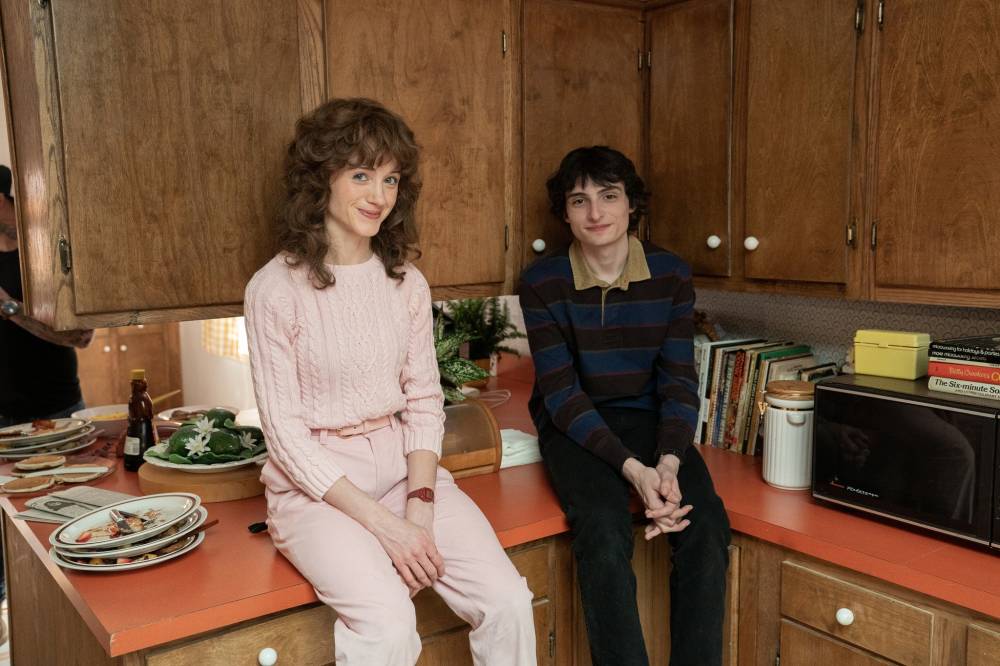
Examining the role of the show’s stylists and costume designers, you see how their earlier choices subtly evolved characters like Eleven, Max, and Nancy, and why Volume 5 feels less experimental in comparison. There is a missed opportunity here to show how style could mature alongside the characters—reflecting trauma, independence, or rebellion—instead of freezing them in a nostalgia loop.
What Volume 5 ultimately raises is a larger question about fashion and memory: When does referencing the past add meaning, and when does it start to hold storytelling back? The goal here is not to dismiss the show’s influence, but to critically unpack why its fashion now feels more like reenactment than reinvention—and what that says about how pop culture uses the past today.
More than just clothes
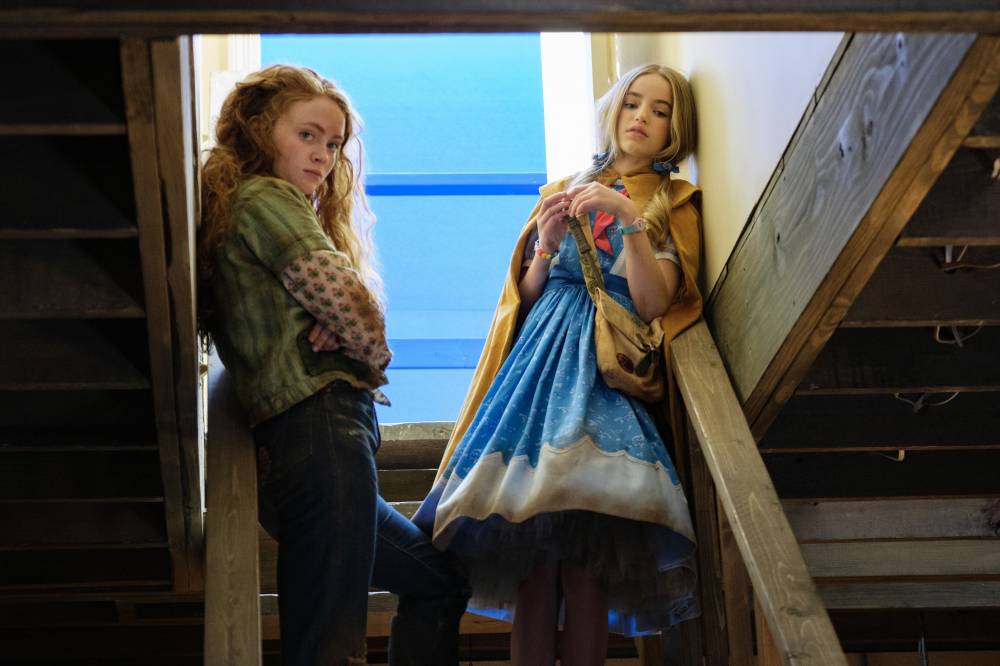
In earlier seasons, “Stranger Things” understood something crucial about ‘80s fashion: it was not just about the clothes, it was about how people wore them. The styling felt lived-in, slightly messy, and emotionally aligned. In Volume 5, that nuance often slips, and the difference is subtle but important. The looks feel preserved rather than evolved.
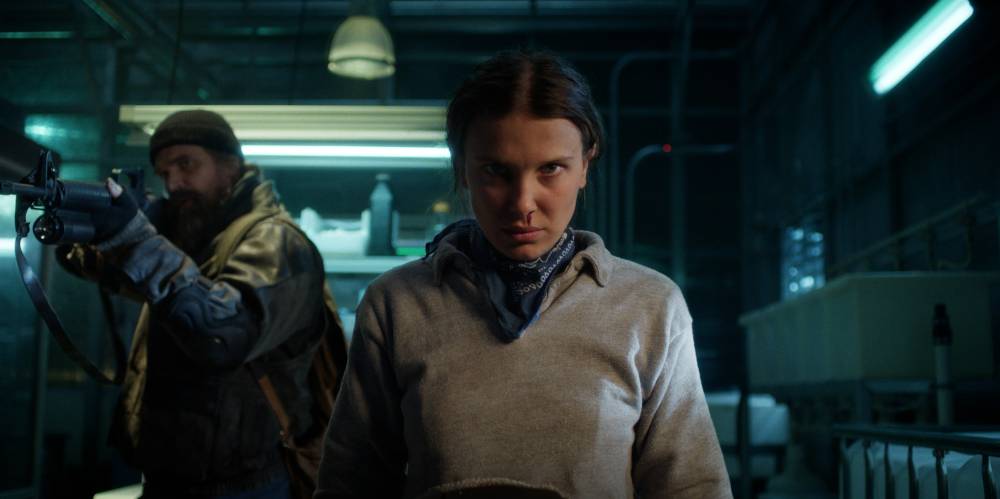
Take Eleven. Her style has always been the most symbolic: a visual shorthand for autonomy, identity, and emotional growth. In earlier seasons, we saw her move from borrowed clothes to deliberately chosen ones. Volume 5, however, keeps her locked in a version of ‘80s girlhood that feels static. The silhouettes are correct. The colors are period-perfect, but the clothes stop telling us anything new about who she is now. It reads less like character progression and more like archival reenactment.
Nancy Wheeler presents a similar issue. Once styled as the show’s clearest bridge between teenage girlhood and adult ambition, her wardrobe previously hinted at tension: femininity versus authority, softness versus resolve. In the finale, her looks feel almost too faithful to the decade’s “working man” codes. The tailoring is right, the palette is right, but the styling feels cautious. It signals “1980s career woman” rather than showing a character stepping into her own version of power.
Then there is Steve Harrington, whose transformation used to be one of the show’s strongest visual arcs. His early-season preppy arrogance softened into something more approachable, more emotionally open. In Volume 5, his outfits feel frozen in their most recognizable form—the hair, the denim, the polos—as if the show is afraid to let go of the image that became meme-worthy. What once felt charming now feels preserved for nostalgia’s sake.
Even Max, whose style previously communicated rebellion and emotional distance, is boxed into recognizable ‘80s “alt” cues. The edge remains, but the evolution does not. The clothes signal attitude, but they no longer deepen it.
From fashion storytelling to nostalgia packaging
This is where the distinction becomes clear: fashion adapts, costume preserves. And Volume 5 leans heavily toward preservation. The styling prioritizes recognizability over risk, reference over reinvention. Every look feels carefully curated to remind us of the decade, but rarely to challenge how that decade can be reinterpreted through character growth.
The irony is that the ‘80s themselves were not subtle. They were experimental, excessive, awkward, and constantly shifting. By sanding those edges down into neat visual shorthand, the show trades fashion storytelling for nostalgia packaging.
And that is the missed opportunity. In a finale meant to close chapters, the clothes could have evolved, too—not by abandoning the era, but by letting it breathe. Instead, the fashion becomes a museum display: accurate, polished, and just a little too safe.
Costume designer Amy Parris has spoken about how deeply intentional the show’s wardrobe is. “Each decade is defined by its silhouette,” she explains in “One Last Adventure: The Making of Stranger Things 5.” “A color can read through the screen—passion or sadness.” And she is right. Fashion communicates emotion before dialogue ever does.

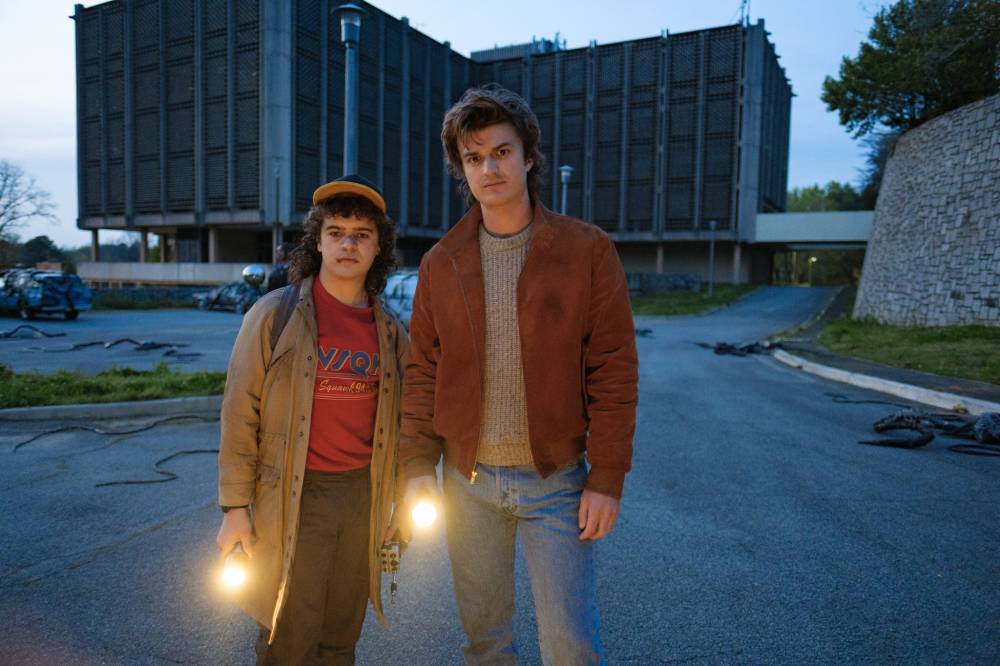
That is precisely why Volume 5’s styling feels so restrained.
The silhouettes are accurate. The colors are coded. The references are clear. But the execution often stops at recognition rather than revelation. When fashion is reduced to correct shapes and emotional color theory alone, it risks becoming symbolic without being expressive. The clothes tell us what decade we are in, but less about where the characters are going.
“Stranger Things” built its visual legacy by making the past feel alive. In its final chapter, that past feels carefully preserved instead. The difference is subtle, but it matters. Because when fashion exists only to remind us where we have been, it stops showing us who the characters are becoming.
And that is the exact moment when fashion turns into costume.
******
Get real-time news updates: inqnews.net/inqviber