










The case of the bixie cut

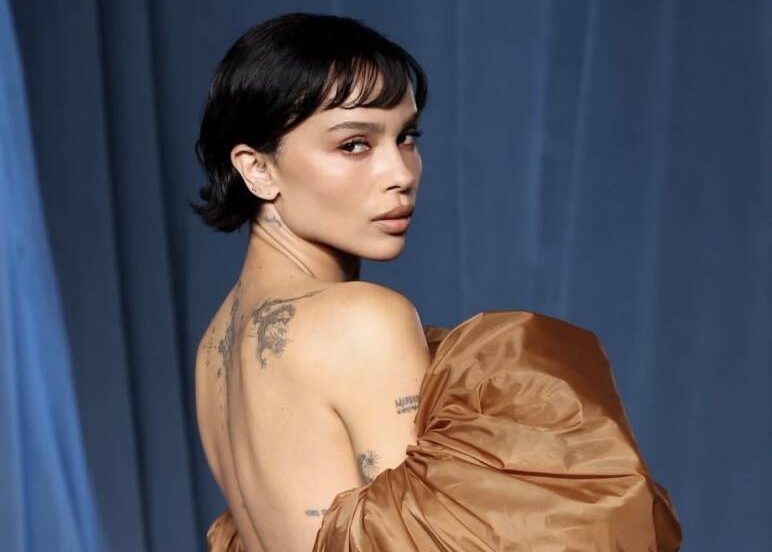
The bixie reads as a bold decision because it is one. By shortening the silhouette and exposing the face, it removes the safety net of length and leaves little room for distraction. What makes the cut compelling, though, isn’t shock; it’s control.
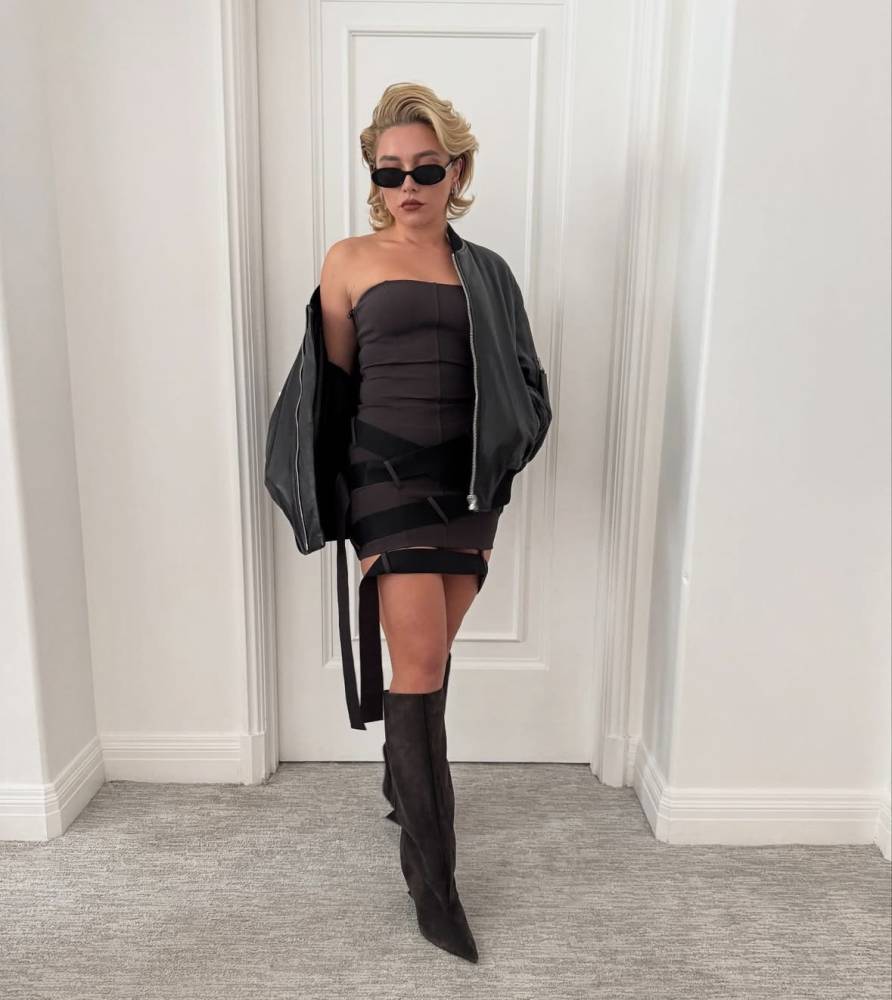
It’s a statement haircut, but one that speaks through proportion rather than volume or drama. Every layer is placed to keep the cut sharp without letting it turn severe, allowing the haircut to feel intentional rather than confrontational. On Florence Pugh, that control shows in how cropped hair still carries warmth and expression.
Rather than relying on graphic lines or exaggerated contrast, the bixie is defined by proportion, texture, and movement. This adaptability is what allows the cut to move across different aesthetics without losing its identity. On Zoë Kravitz, that flexibility is especially clear—the same haircut can read softly feminine or sharply minimal depending on finish and texture, without ever feeling like a different style altogether.

Where shape does the work
The bixie isn’t held to one strict shape. Its form shifts subtly throughout the cut, giving it flexibility without losing definition and allowing it to move naturally while holding together. Short layers keep the cut defined, while slightly longer sections soften the overall effect, keeping the haircut controlled rather than harsh.
Because this balance is built into the cut, the bixie holds up without constant adjustment. It doesn’t depend on daily styling to maintain its purpose. The shape stays intact as the hair moves, settles, or grows out, which is what allows it to feel considered.
Short hair often comes with an expectation of sharpness, but the bixie resists that instinct. Instead of creating contrast with the face, it frames it, supporting the overall look rather than dominating it. Texture doesn’t disrupt the style so much as refine it—think slight imperfection that reads as part of the design rather than a flaw.
This quality is especially evident on Taylor Hill, whose bixie is often worn with minimal styling and visible texture. On her, the cut feels relaxed but deliberate, proof that control doesn’t have to look polished to be effective. Changes in styling shift the mood, not the structure. That consistency is where the bixie’s versatility ultimately shows.

Why the bixie works now
The bixie works because it follows wardrobe logic. Like a strong, well-cut piece, it integrates easily, repeats well, and never competes for attention. Day to day, it’s low maintenance and able to settle into a routine without constant styling, yet it shifts easily when needed. A change in texture or finish is enough to move it from relaxed to polished, proving that consistency and versatility don’t cancel each other out.
The bixie isn’t a trend-driven haircut or a reactionary one. It sits somewhere more deliberate, appealing to people who value proportion, intention, and individuality over novelty.
What ultimately sets the bixie apart is its ability to live comfortably in repetition. It doesn’t rely on constant reinvention to feel relevant, and it doesn’t lose its impact once the initial change wears off. Instead, it becomes part of a visual language that feels stable, adaptable, and personal.