










The cognitive benefits of going broke at mahjong

It has only been about three years since I learned how to play mahjong, and I was trained by one of the most formidable players I know—my sister-in-law Ginny. She can literally empty my coin bank in less than five games. It is a talent, really. But because I have convinced myself that playing mahjong sharpens my brain and improves cognitive skills, I keep coming back to the table, armed with nothing but hope and a willingness to borrow more coins from whoever is sitting closest to me.
My other sister-in-law, Lucille, recently raised the stakes by purchasing a bougie mahjong table and a matching set of tiles. Since then, our nightly ritual has been established. We play until bedtime or until I dramatically declare defeat because I have absolutely no more coins to shell out. Whichever comes first.
The rest of the family has since been recruited. We now operate with military-grade efficiency, ensuring there are always enough players to rotate in whenever someone needs a restroom break. Translation: Once the game starts, there is no natural ending. Only exhaustion or bankruptcy.
My brother CJ, however, remains unimpressed by the physical labor involved in the game. He hates mixing the tiles and stacking them into walls and has been campaigning hard for an automatic mahjong table, the kind that shuffles and builds everything for you at the push of a button.
But the women in the family are firm in their resistance. We insist on keeping it battery-free and electric-free. We like the tactile ritual of mixing the tiles with our hands. It keeps our motor skills alive. It also makes us feel productive, even while losing money slowly.
There is also the minor detail that those automatic tables cost a small fortune. And by small, I mean the kind of fortune that makes you question life choices.
Which brings me to my next discovery.
Mahjong tiles, but make it high fashion
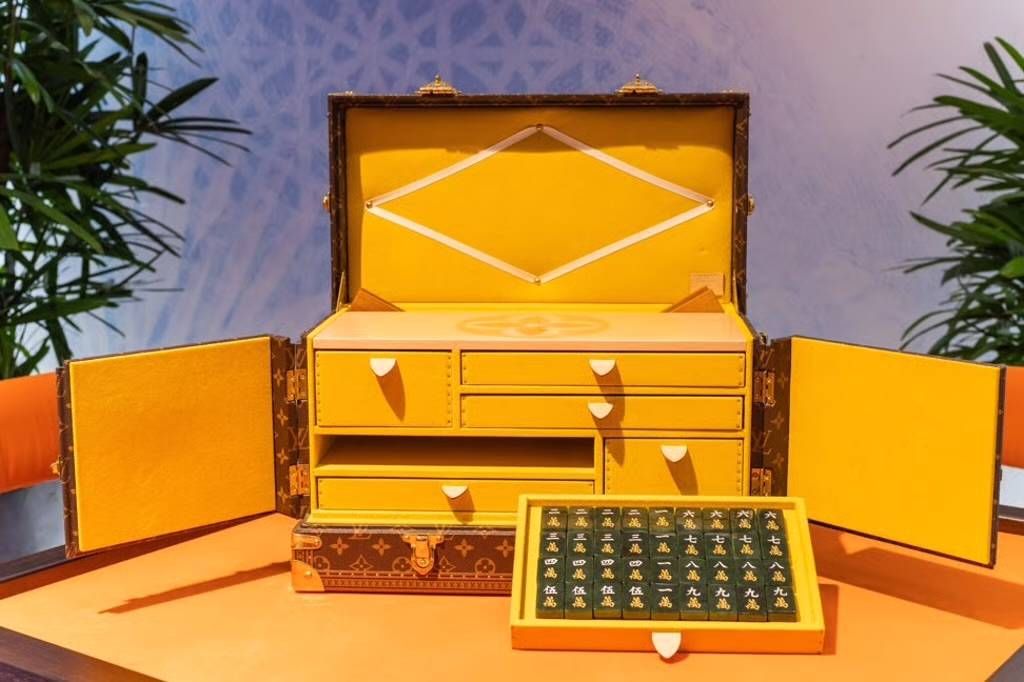
One day, while browsing luxury goods online, I came across some of the most extravagant mahjong sets ever made. For example, Louis Vuitton sells a Vanity Mahjong set housed in the brand’s signature monogrammed leather trunk, complete with compartments for tiles, dice, sticks, and accessories, transforming a traditional game into a statement piece for the living room or game room. This set is known to cost tens of thousands of dollars, reflecting Louis Vuitton’s blend of craftsmanship and iconic style.
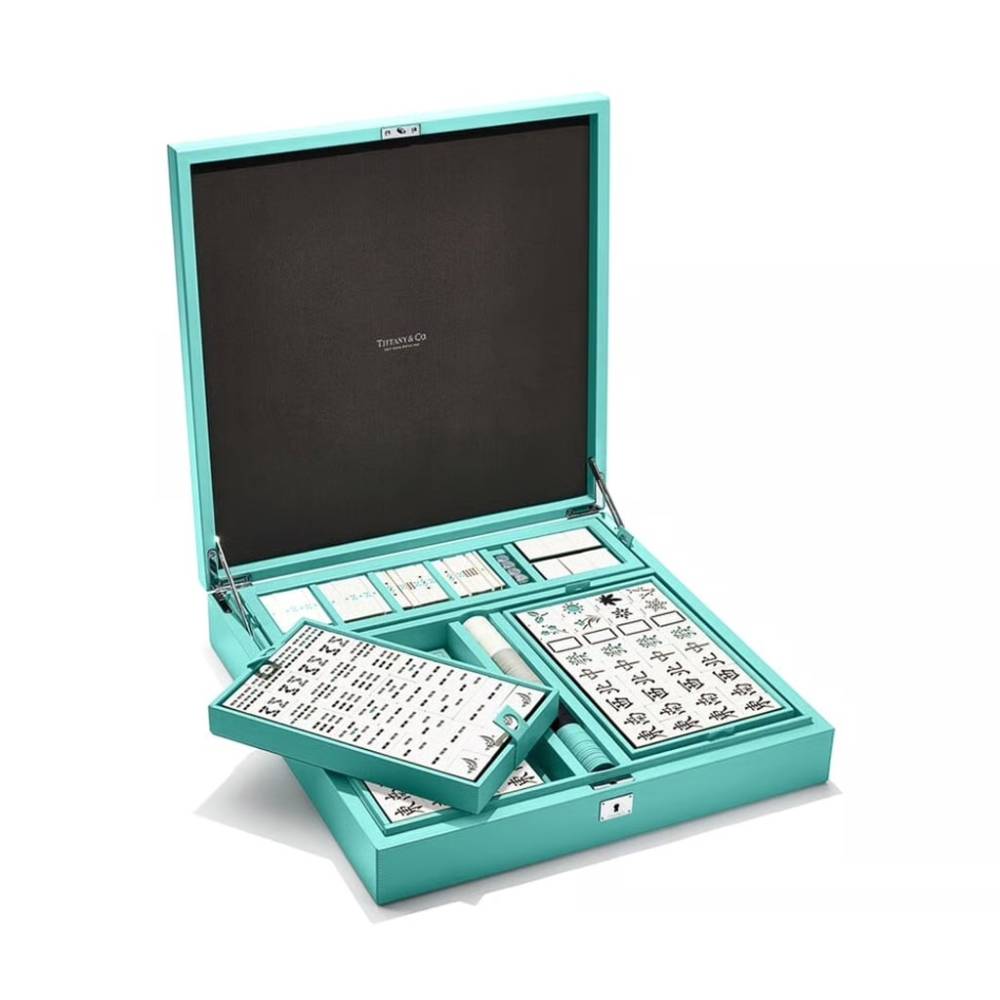
Not to be outdone, Tiffany & Co. has its own mahjong set featuring tiles made from a luxurious walnut wood, finished with the brand’s iconic Tiffany Blue leather case and sterling silver dice. This version brings a refined, classic aesthetic to the game, melding Tiffany’s heritage in luxury design with a timeless pastime.
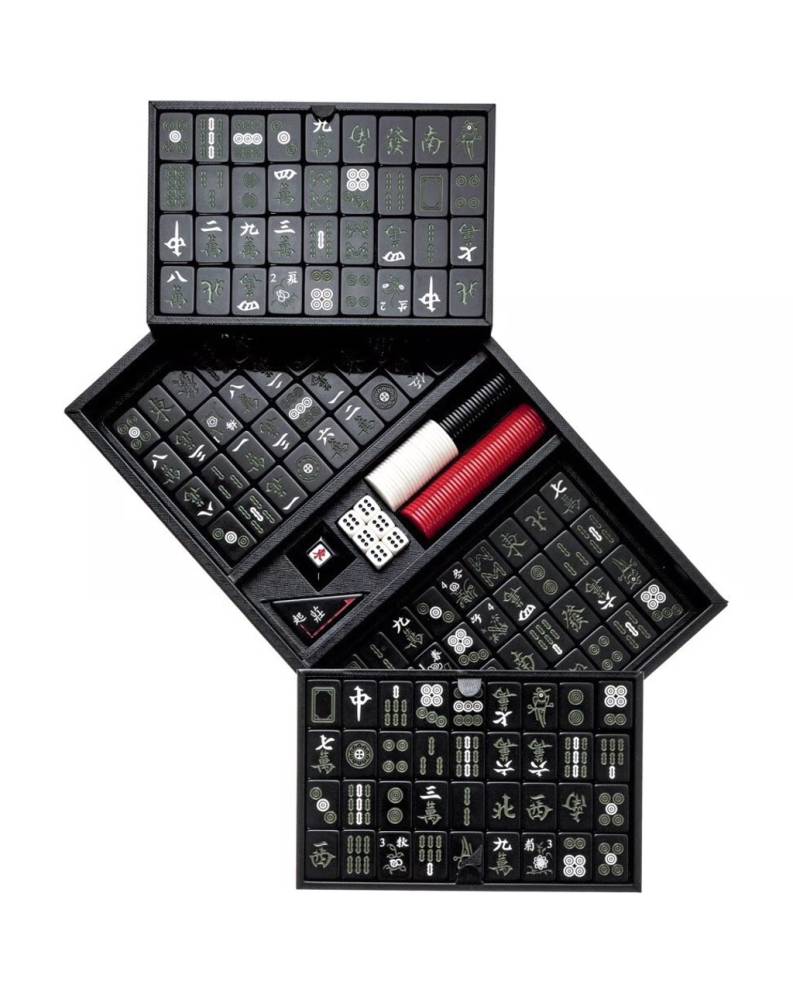
Other high fashion houses have also embraced this trend. Hermès offers a mahjong set where the leather-printed tiles and elegant wooden box reflect the brand’s commitment to artisanal quality. Some sets by other designers and specialty makers can cost more than a hundred thousand dollars or even more, depending on materials like exotic woods, precious metals, and bespoke detailing.
At that moment, I realized two things. Mahjong has officially entered the world of high fashion, and I will be waiting for Santa to deliver mine.
Bad for the wallet, good for the brain
What justifies all this playing, aside from entertainment and mild financial ruin, is the fact that mahjong is genuinely good for the brain. Medical studies have shown that games requiring memory, strategy, and pattern recognition can help slow cognitive decline. Mahjong forces the brain to work constantly. You must remember which tiles have already been discarded, calculate probabilities, and adjust your strategy with every draw.
This kind of mental exercise activates multiple areas of the brain at once, including those responsible for memory, attention, and decision-making.
It is also surprisingly good for fine motor skills. Shuffling tiles, stacking walls, and arranging your hand all require finger strength and coordination. For older adults, these movements help maintain dexterity and reduce stiffness in the hands. It is essentially physiotherapy disguised as gambling.
Social interaction is another major benefit. Mahjong is not a solitary game. It requires conversation, observation, and emotional control. Laughter, teasing, and storytelling flow naturally between rounds. Doctors have long linked social engagement with reduced risk of depression and dementia, making mahjong as much a mental health activity as it is a game. It offers structure, routine, and a sense of belonging, all of which are vital as we age.
There is even research suggesting that mahjong can help regulate stress levels. The rhythm of play, the repetitive sound of tiles, and the focus required to follow the game can be meditative. It pulls the mind away from phones, news, and daily anxieties and forces it to stay present. In an age of constant distraction, this alone feels medicinal.
Until a luxury mahjong set lands under my Christmas tree, I will continue playing with my current tiles, losing coins with dignity, borrowing shamelessly, and telling myself that this is all in the name of mental health, family bonding, and keeping my hands busy.
Because whether the tiles are from Divisoria or Prada, the outcome remains the same.