






The dad bod diet


Father’s Day (which we celebrated yesterday) is a good time to talk honestly about what happens to the male body in your 30s, 40s, and beyond. Testosterone dips. Hair thins. Muscle takes longer to build and faster to lose. Energy flags. And sexual health, while nobody’s dinner table topic, quietly becomes a bigger concern than it used to be.
The good news? Food is one of the most powerful levers you have. Not a supplement stack, not a fad protocol, nothing to inject—just the right nutrients, consistently. Here’s what to eat to feel and function like your best self, no matter how many kids are calling you Dad.
Testosterone: Feed the engine
Testosterone starts declining around age 30, dropping roughly one percent per year. By your mid-40s, that adds up. While genetics play a role, diet has a surprisingly significant impact on where your levels land.
What to eat
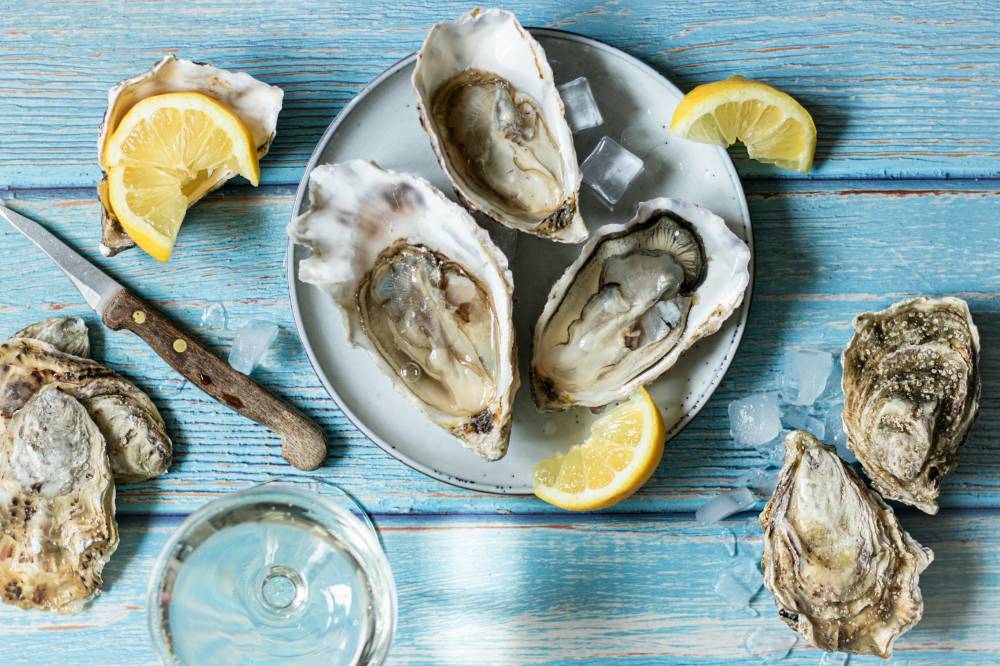
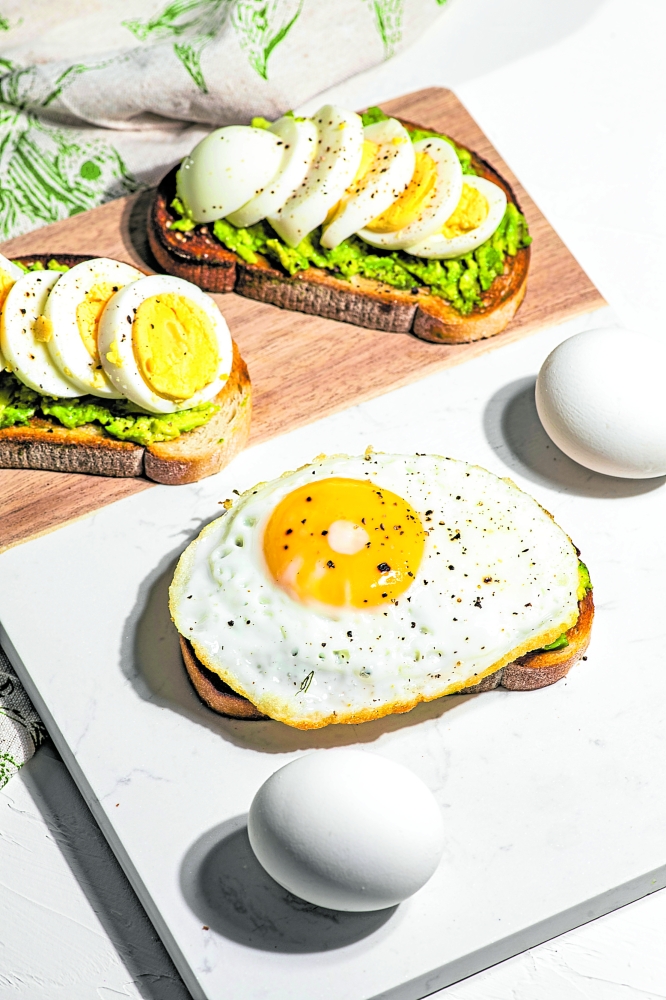
Zinc is the cornerstone mineral for testosterone production. Oysters are the richest source and we have a lot available in the Philippines. A single serving delivers more zinc than almost any other food. Not an oyster guy? Pumpkin seeds, beef, and crab are solid alternatives. Eggs are another cornerstone food. The cholesterol in yolks is a direct precursor to testosterone synthesis, which means low-fat diets can actually work against you hormonally. Make sure to watch your cholesterol levels though.
Healthy fats matter enormously. Men who eat more monounsaturated and saturated fat (from whole food sources like avocado, olive oil, and grass-fed meat) tend to have higher testosterone than those on low-fat diets.
What to cut
Processed foods, excess sugar, and alcohol are the three biggest dietary testosterone killers. They drive up cortisol, increase body fat (especially around the belly), and interfere with hormonal signaling.
Hair loss: You can’t stop genetics, but you can feed your follicles
Male pattern baldness is largely driven by dihydrotestosterone or DHT, a testosterone byproduct, and no diet will fully override your genes. But nutritional deficiencies absolutely accelerate hair loss—and correcting them can slow the process and support what you still have.
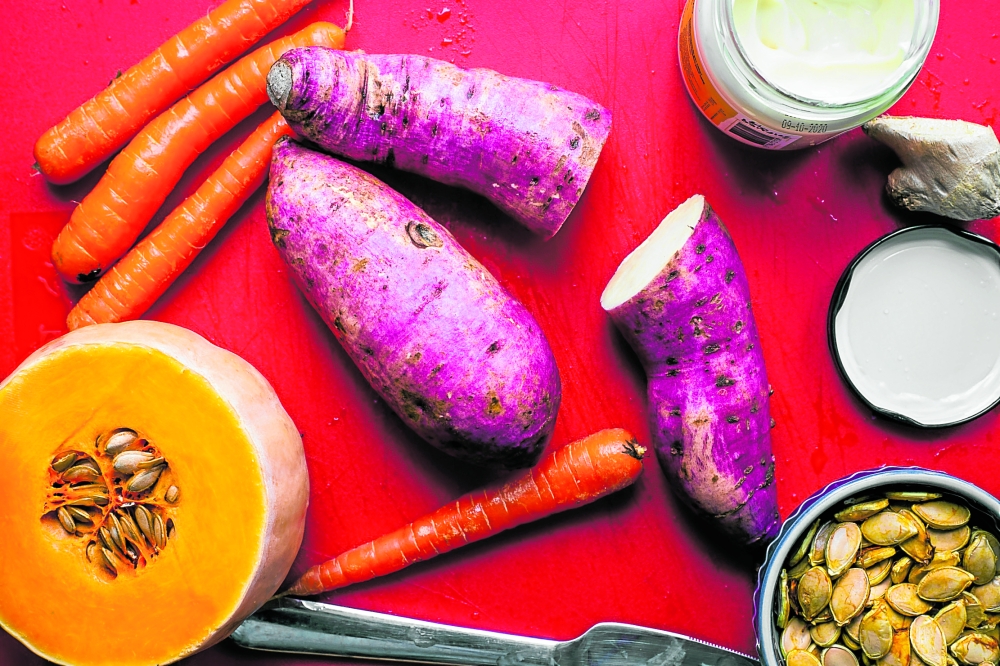
The most common vitamins that may support hair growth are iron, zinc, vitamin D, and biotin. Low ferritin (stored iron) in particular is a frequently overlooked cause of increased shedding in men. Fatty fish like salmon and sardines cover vitamin D and omega-3s, both of which support scalp health and reduce inflammation around hair follicles. Eggs provide biotin and protein—two essentials for keratin production, the structural protein hair is made of. Sweet potatoes deliver beta-carotene, which the body converts to vitamin A to support healthy sebum production on the scalp.
One underrated factor: crash dieting. Severe calorie restriction triggers a condition called telogen effluvium, where large numbers of hair follicles shift into a resting phase and shed simultaneously. If you’re trying to lose the dad bod, do it gradually—your hair will thank you.
Muscle: Protein is just the start
Men over 35 experience sarcopenia—the gradual loss of muscle mass—at a rate of about three to five percent per decade. Resistance training is the primary defense, but nutrition runs a close second.
Most active men need 0.7 to 1 gram of protein per pound of bodyweight daily (just to maintain; this is not actual body-building levels yet). Prioritize complete proteins that contain all essential amino acids. Chicken, fish, eggs, beef, Greek yogurt, and cottage cheese are your workhorses. Plant eaters should combine sources (rice and beans, hummus, and whole grain pita) to hit the full amino acid profile.
Don’t skip carbohydrates. They replenish glycogen, fuel your workouts, and support the anabolic environment needed for muscle synthesis. Oats, sweet potatoes, rice, and fruit are all excellent peri-workout fuel sources. One of the best sources for all this is beans (a favorite of my husband, Rick).
For recovery, go anti-inflammatory. Turmeric (especially with black pepper to activate curcumin), blueberries, and fatty fish all help calm the systemic inflammation that slows recovery as you age. And if you’re wondering whether creatine through food is possible, you’d need to eat about a pound of raw beef daily to match a standard supplement dose. This is one area where supplementation makes practical sense.

Sexual health: Blood flow is everything
Blood vessels need to dilate and blood needs to flow, which means the same dietary patterns that protect your heart also protect your sexual health.
Beets and watermelon are two of the most talked-about natural options, and for good reason. Beets are high in dietary nitrates, which convert to nitric oxide in the body and relax blood vessel walls. Watermelon contains citrulline, which does the same thing via a slightly different pathway. Dark chocolate (70 percent + cacao) supports nitric oxide production as well and has the research to back it up.
The Mediterranean diet—heavy on fish, olive oil, vegetables, legumes, and whole grains—is probably the single most evidence-backed eating pattern for male sexual health. Multiple studies have linked it to lower rates of erectile dysfunction and better overall sexual function in men.
Zinc and selenium also matter for fertility specifically. Brazil nuts are the most concentrated dietary source of selenium on the planet—two per day covers your needs. Combined with zinc-rich foods for sperm motility and volume, these small dietary additions can make a meaningful difference if family planning is on the table.
The dad bod isn’t a life sentence—it’s a starting point. And you don’t need to overhaul everything at once. Start with a few targeted swaps: add fatty fish twice a week, swap processed snacks for pumpkin seeds and eggs, cut back on sugar, and build meals around whole food protein sources.
Your hormones, your hair, your muscles, and your sexual health are all downstream of the same thing: consistent, nutrient-dense eating over time.