










The death of ‘day to night’ dressing

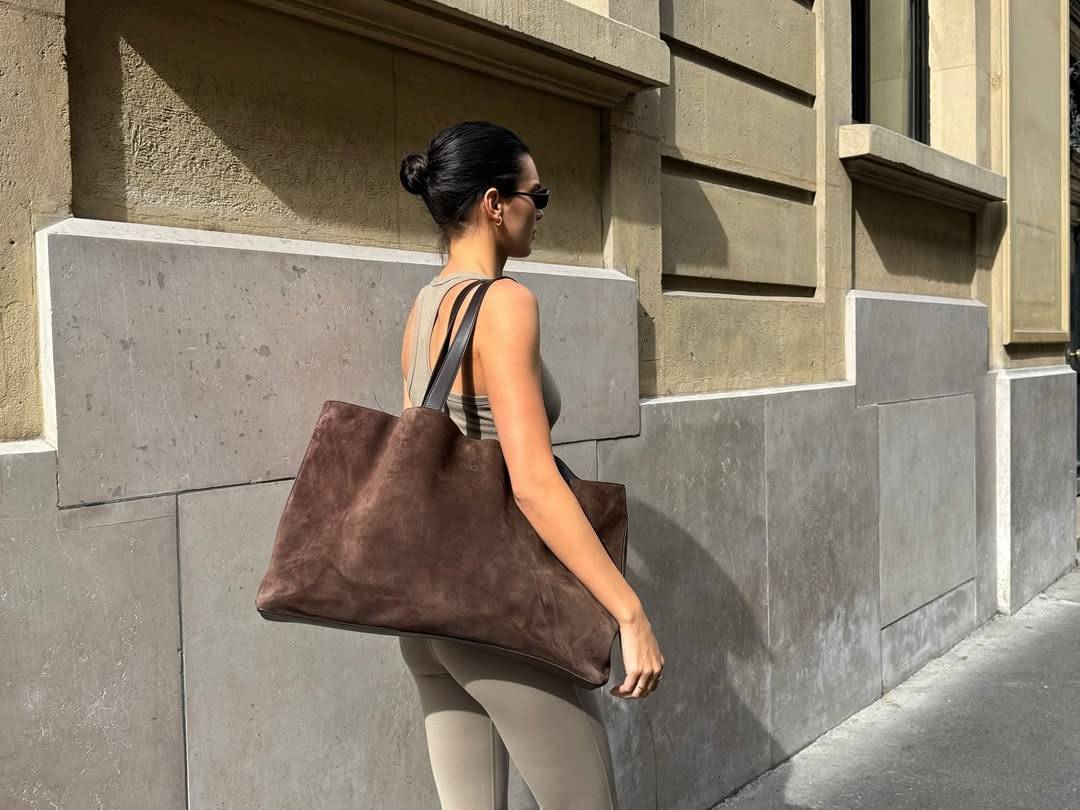
For years, fashion sold the same promise: One outfit, two occasions. A blazer over a slip dress. Flats swapped for heels. Add lipstick, lose the tote bag, and suddenly you were “evening-ready.” It was the foundation of countless shopping guides, styling hacks, and capsule wardrobe advice—the idea that a single look could seamlessly carry you from morning meetings to late-night plans.
It sounded efficient. Practical. A little aspirational. But increasingly, it feels outdated. Because if there is one thing defining the way people dress in 2026, it is this: People are changing outfits more, not less.
And in the process, the whole concept of day-to-night dressing is quietly disappearing.
Transitions are no longer linear
The original appeal of day-to-night style made sense for the way people once moved through their schedules. Office job, straight to dinner. Work event, then drinks. Commute-heavy routines that demanded versatility and rewarded clothing that could shift with minimal effort.
But the modern schedule looks different. Work is often hybrid, less formal, and less centralized. Social plans are more fragmented. A rooftop dinner might happen after hours spent at home. A quick coffee can turn into an afternoon outing, followed by a completely separate evening plan.
The transitions are not linear anymore. And because of that, people are not trying to make one outfit stretch across an entire day. They are resetting.
Mood-based dressing
There is also a stronger cultural emphasis now on dressing for specific moments. Not just occasions, but moods.
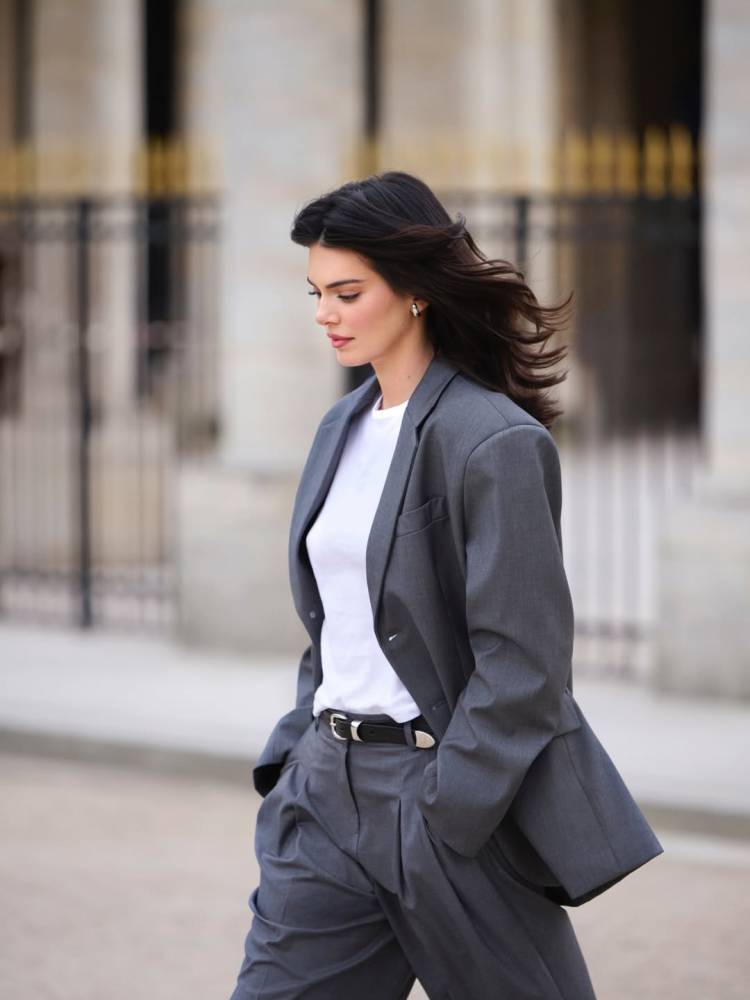
The daytime outfit might be functional and relaxed—loose tailoring, flats, minimal accessories. Evening calls for something sharper, more deliberate, more visibly styled. Even if the event itself is casual, there is often still an expectation of visual distinction.
People want their clothes to match the energy of where they are going. And increasingly, they are willing to change for that. And part of this comes down to social media.
The rise of hyper-specific outfit culture has made dressing more situational than ever. There is an outfit for airport travel, an outfit for brunch, an outfit for errands, an outfit for sunset drinks, an outfit for dinner.
Each setting carries its own aesthetic language. The pressure is not necessarily to overdress—it is to dress accurately. And this often means changing.
Return to ritual
There has also been a noticeable return to ritual around getting ready. For a while, convenience dominated. Fashion leaned heavily into practicality and “wear this anywhere” versatility.
Now, there is renewed interest in the act of changing itself. Switching outfits has become part of the experience. A transition marker between parts of the day. A small reset that signals movement from one mode to another.
Changing for dinner is not about necessity. It is about intention.
A season for outfit changes
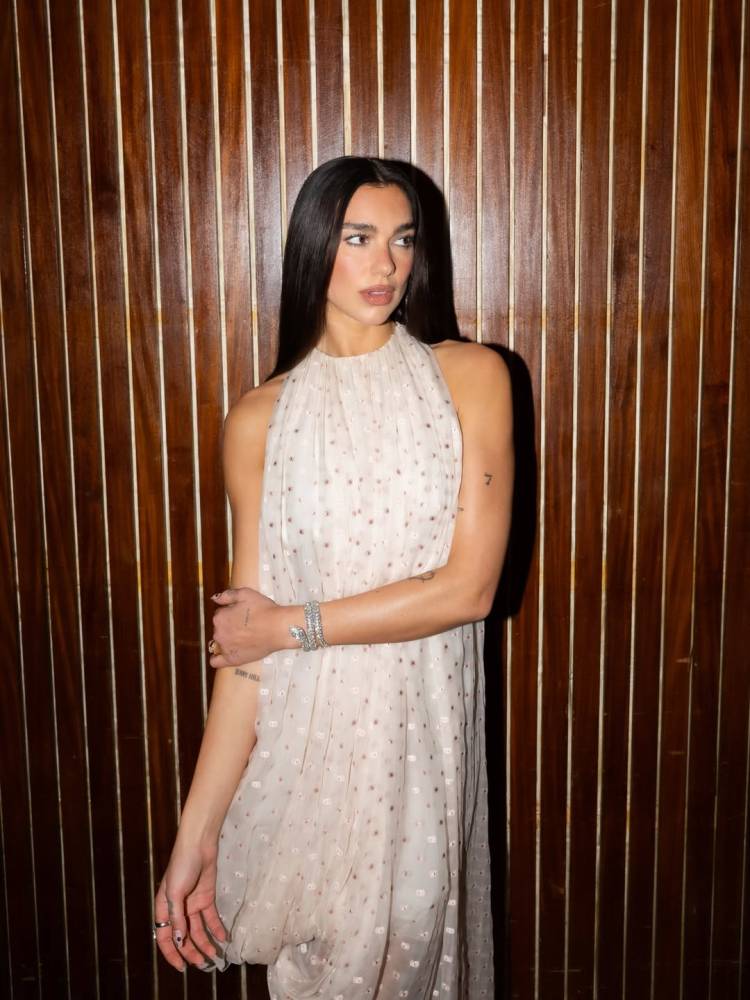
This shift is especially visible in summer. Warm-weather dressing naturally invites multiple outfit changes because the day often unfolds in stages. Pool to lunch. Lunch to beach. Beach to drinks. Drinks to dinner.

Trying to make one outfit work for all of it often feels forced. The oversized linen shirt that works perfectly over swimwear rarely translates to an evening reservation. The easy daytime sandal suddenly feels too casual after dark.
Rather than forcing adaptability, people are opting for specificity. A daytime look and a nighttime look. Two separate identities.
And brands have noticed
Retail is increasingly built around occasion-specific dressing rather than all-day versatility. Collections are marketed around exact moments: vacation dinner looks, rooftop-ready tailoring, post-beach eveningwear, travel-day uniforms.
The language has shifted. It is no longer about pieces that “take you anywhere.” It is about pieces designed for particular versions of somewhere.
Even beauty reflects this. Hair gets redone. Makeup gets refreshed. Accessories get swapped entirely. The old formula of adding a bold lip to make a daytime outfit feel evening-appropriate feels almost too subtle for how people style now.
Of course, practicality still matters
Not everyone has time to go home and change before every evening plan. And there will always be value in pieces that can move between settings. But that is no longer the dominant fantasy fashion that is selling. The aspirational image now is not effortless all-day dressing. It’s about intentional transitions.
The idea that each part of the day deserves its own version of you.