











The dualities of Centimillimental


Atsushi, the Japanese artist better known as the one-man project Centimillimental, grew up on classical music. He learned to play the piano before he started singing, and for a while, it was the only sound he knew.
That changed in elementary school. One day, in front of the television, he noticed that the series he was watching had music that resonated with the story. It was his first time hearing J-pop, he recalls, and it was “a good kind of shock.” Turns out, there were other ways to make music and to connect with people.
“I thought that creating music for dramas, anime, or movies was something I might try someday. At a young age, I was like, maybe this is what I want to do, and not just classical music,” he tells Lifestyle Inquirer through a Japanese interpreter.
Little did he know that his musical journey would eventually lead him there.
Though he had already spent years performing and honing his craft, it wasn’t until 2019 that he made his major debut with “Kizuato”—an introspective rock ballad about grief and the permanent mark it leaves.
Despite being a newcomer, his song was chosen as the opening theme for the anime adaptation of the popular manga “Given.” The following year, he wrote the gut-wrenching “Fuyu no Hanashi” for the in-anime rock band of the same name. Together, those two songs have amassed more than 200 million streams worldwide.
Happy and thankful
Atsushi, who handles all aspects of his creative process—including vocals, instruments, and production—has also composed theme songs for other projects, such as the anime “Backflip!!,” the drama “Hitomonchaku Nara Yorokonde!,” and the Japanese-dubbed version of the anime “The Scum Villain’s Self-Saving System.”
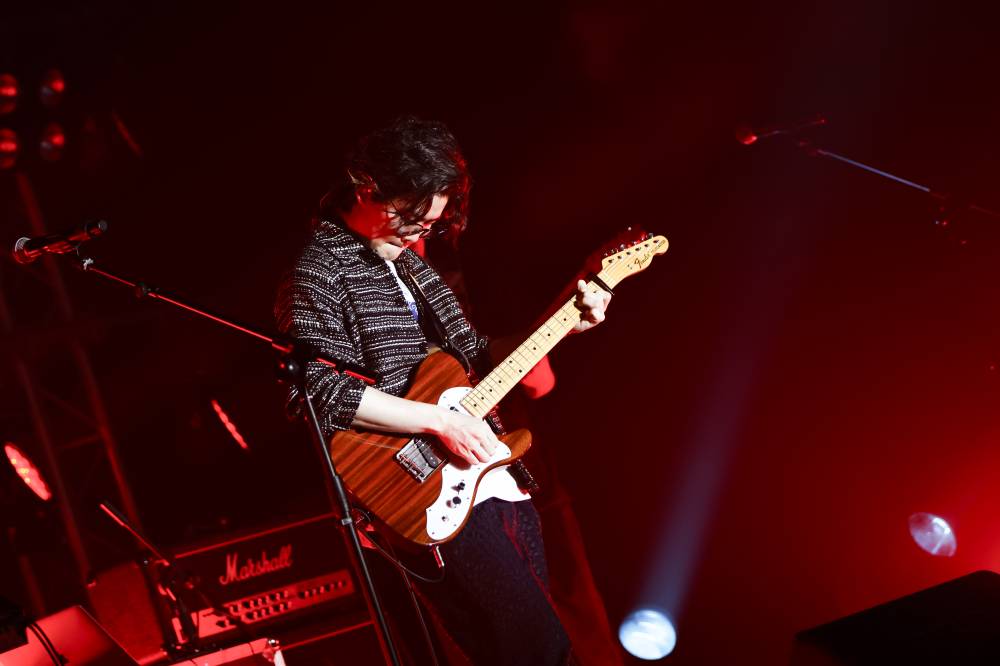
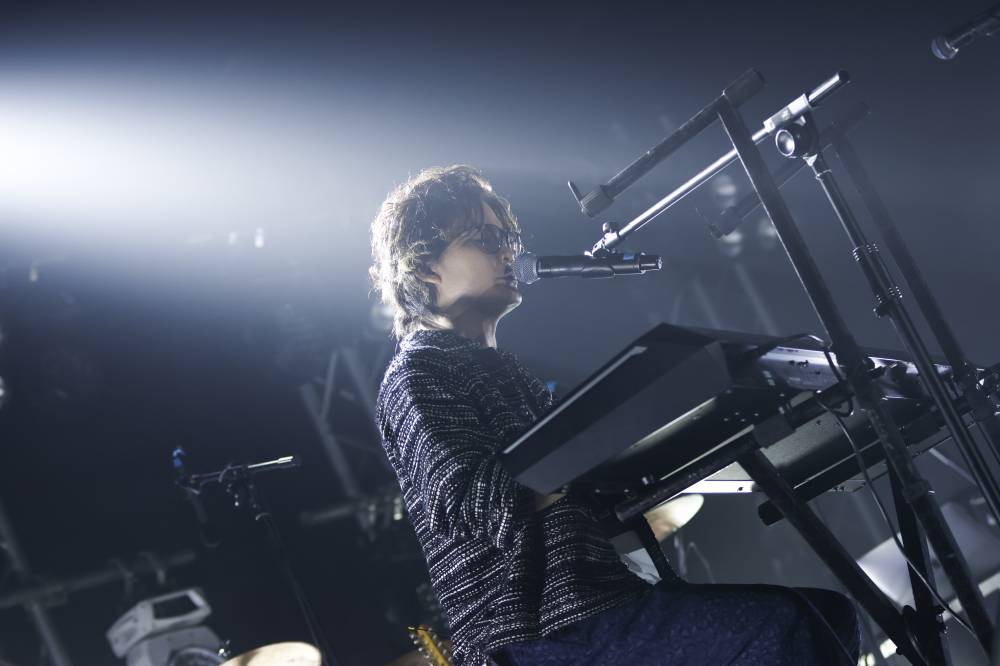
His success has opened up his world beyond Japan. He says his work on “Given” has been especially instrumental in helping him reach different cities around the world. That includes Manila, last Nov. 29, where he performed not only his biggest hits, but also tracks from his new album, “Cafuné.”
Atsushi also delighted his Filipino fans—whom he has heard are “good singers”—with his latest single, “Hoshi ga Furu.”
“Being able to work not just on ‘Given,’ but also on other projects—making music to accompany visuals—has been a joy,” he says. “I used to only imagine doing this, so I’m really happy and thankful I get to do it now.”
When you first wrote “Kizuato” and “Fuyu no Hanashi,” did you imagine they would be this big? How have these songs changed your life?
“Given” was already popular around the world before it was turned into an anime, so I knew there were a lot of international fans waiting for it.
It was a lot of pressure when I was first asked to do the OST, because hardcore fans might think the songs weren’t the way they imagined them. But having the opportunity to be part of this project led me to encounters around the world I might not have had.
Cafuné explores the dualities of love. Do you personally relate to this idea?
“Cafuné” (a Portuguese word) refers to gently combing through a loved one’s hair, which is a very personal and close interaction. It’s about having a close relationship with a person, as well as love, coldness, loneliness, and every part that comes with it.
I feel like there are two sides of love: the warm part and the rocky, harsh part. It’s something I have always dealt with and lived through. But I also feel like it’s the main theme of life in general.
What about your newest release, “Hoshi ga Furu?”
It shares the same themes; it’s more on the loneliness side, but with a light toward the end.
Your music is known to be introspective and emotionally sensitive. Were you always this way?
I feel like creating is a way for me to express myself. When I was young, I wasn’t really good at expressing my emotions by just verbalizing them or putting them out there. I’m sort of the introverted type. But with music, I’m able to do just that.
What do you think makes your music resonate with people, even non-Japanese speakers?
I thought language would be a barrier. Personally, when I listen to international music, I focus more on the sound rather than the lyrics. I felt people would be the same. But people who are into a song—even if it’s in a different language—will look up what it means.
I have been getting a lot of comments from around the world saying they related to the lyrics and that my songs saved them. Hearing that, I feel like music has no barriers. Music is a universal language.

As a one-man project, what’s the most challenging and rewarding aspect of having complete creative control over your work?
I’m my biggest fan and also my biggest critic. It’s difficult because I have to see the music as an outsider at times. But on the positive side, doing everything by myself allows me to do what I want and how I want it. There are more responsibilities, but there’s also a lot more freedom.
As Centimillimental, that’s how I build my career—having both the critic and the fan sides. That way, I can look at my music from different perspectives and grow as an artist.
Do you have any pre-show rituals?
Not really. I try to be as relaxed as possible. Just being casual, not being stressed about having to perform, is what works. And I don’t think I can really create a routine before a performance because I travel a lot. There won’t always be the same spot or setup wherever I go. I might not be able to stick to that routine, which could cause stress.
Outside music, do you have hobbies that help you recharge creatively?
I like to go on long drives to the countryside to see the scenery and feel nature. I drive as far away from the city as possible. I’m from Aichi Prefecture, and I know a lot of good routes there. But since moving to Tokyo two years ago, I haven’t found a favorite route or spot yet.
I also like taking long walks and wandering around the neighborhood. If I find something new, that could be an inspiration. That’s what I do to chill out. (In Manila, he planned to check out the area around where he stayed and sample as many local foods as possible.)
I have a pet bird, a cockatiel, at home, and the time I spend playing with it is also a way for me to relax.
What’s your idea of a perfect day?
Nothing super special. Just chilling and living a normal life—that’s my idea of a perfect day, because it’s something we often take for granted. I like being able to really feel the normality of everyday life.