







The Global South is shaping luxury

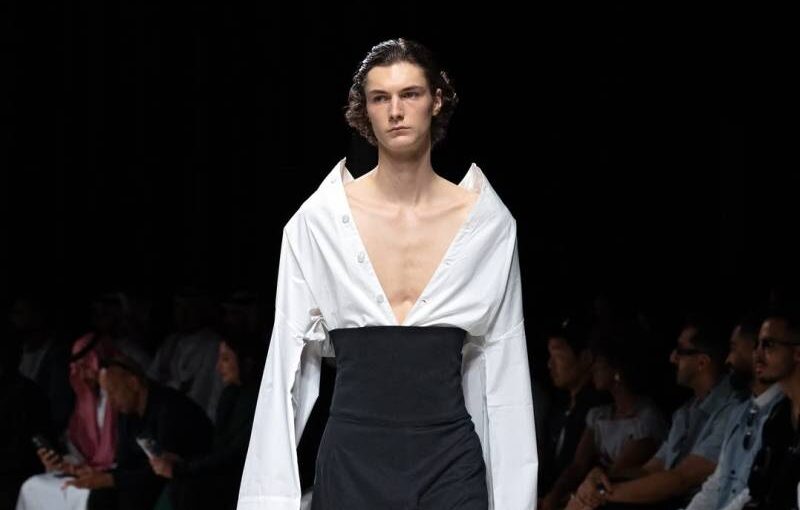
For decades, luxury fashion treated the Global South as an audience, not an author. A market to expand into, a place to extract inspiration from, a backdrop for campaigns once the European imagination ran out of steam. But in 2025, that hierarchy feels increasingly outdated. The Global South is no longer just consuming luxury—it is actively shaping what luxury looks like, sounds like, and stands for.
What has changed is not simply visibility but agency. Designers, creatives, stylists, and musicians from the Middle East, Southeast Asia, Africa, and Latin America are no longer waiting for validation from Paris, Milan, or New York. They are building their own ecosystems—and luxury brands are paying attention because they no longer have a choice.
In the Middle East, fashion has quietly evolved beyond spectacle into substance. Saudi Arabia, in particular, is no longer just a luxury market; it is a creative infrastructure in motion. Designers like KML, Tima Abid, and Arwa AlBanawi are merging global fashion language with regional identity, while institutions such as the Saudi Fashion Commission are investing in talent development rather than importing narratives wholesale.
In the UAE, concept spaces and regional buyers have refined what luxury means locally: craftsmanship, heritage, and scale, rather than trend obedience. The Gulf’s relationship with luxury is unapologetically grand—and that confidence is beginning to influence how brands think about opulence again.
Southeast Asia’s influence lies in its hybridity. In cities like Manila, Bangkok, and Jakarta, designers and stylists move fluidly between streetwear, tailoring, and traditional dress, rejecting the Western insistence on rigid categories. Filipino designers such as Rajo Laurel and Vania Romoff, alongside a new generation of stylists shaping global editorials, treat fashion as emotional storytelling rather than seasonal performance.
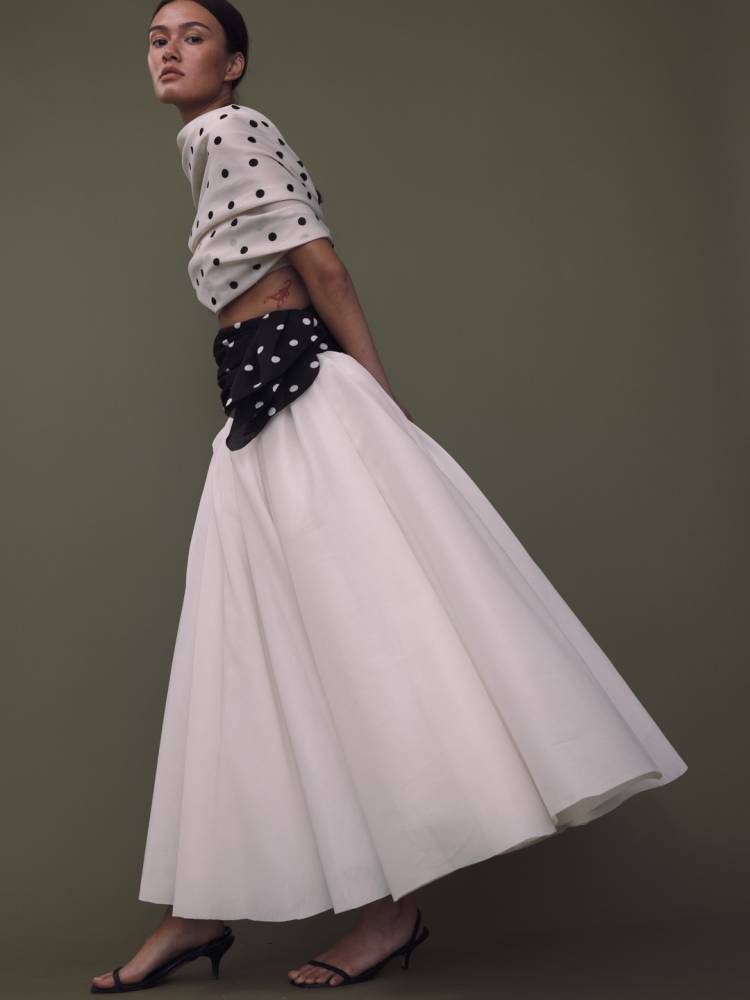

In Thailand, brands like Sretsis and Disaya blur craft with contemporary silhouettes, while Indonesia’s fashion scene continues to build a strong identity rooted in technique and textile tradition. For luxury brands entering the region, the lesson has been clear: Aesthetics alone are not enough—cultural context matters.
Africa’s role in shaping luxury has moved far beyond vague references to “craft” or surface-level inspiration. Designers like Thebe Magugu, Kenneth Ize, and Lukhanyo Mdingi are not just contributing aesthetics—they are redefining systems. Their work is modern, urban, and technically sophisticated, grounded in cultural specificity without leaning on nostalgia.
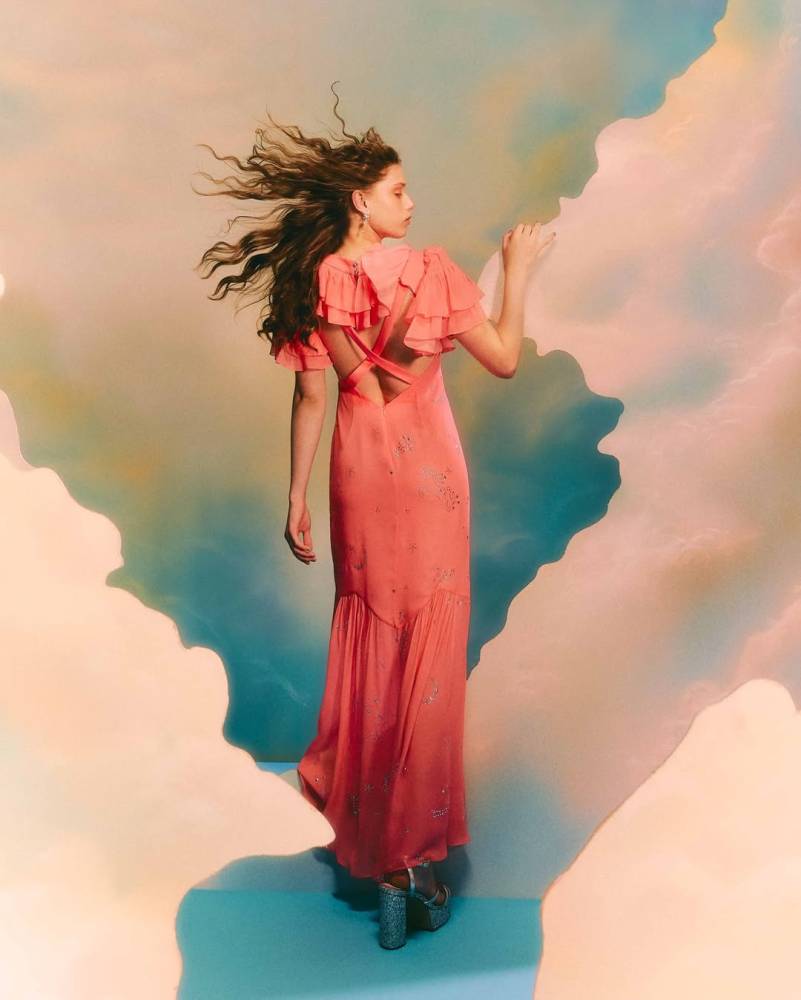

Lagos, Johannesburg, and Accra have become creative hubs producing designers who understand both global fashion language and local relevance. Luxury houses that once borrowed African aesthetics without credit are now being forced into meaningful collaboration, or risk being called out for irrelevance.

Latin America’s influence is perhaps the most culturally visible, driven by the intersection of music, fashion, and pop culture. Designers like Willy Chavarria have redefined masculinity through a distinctly Latin lens, while Brazilian and Colombian creatives continue to merge sensuality with tailoring. Puerto Rico’s global cultural impact, propelled by artists like Bad Bunny, has shifted fashion’s visual language toward emotion, fluidity, and bold self-expression. This is not trend adoption—it is cultural dominance. Luxury brands are no longer “discovering” Latin America; they are responding to it.
What unites these regions is not a shared aesthetic but a shared refusal to dilute identity for global approval. The Global South does not offer a singular look. It offers perspective. It challenges the idea that luxury must be quiet, minimal, or Eurocentric to be taken seriously. It reminds the industry that elegance can be expressive, that craftsmanship can be loud, and that culture cannot be flattened into a moodboard.
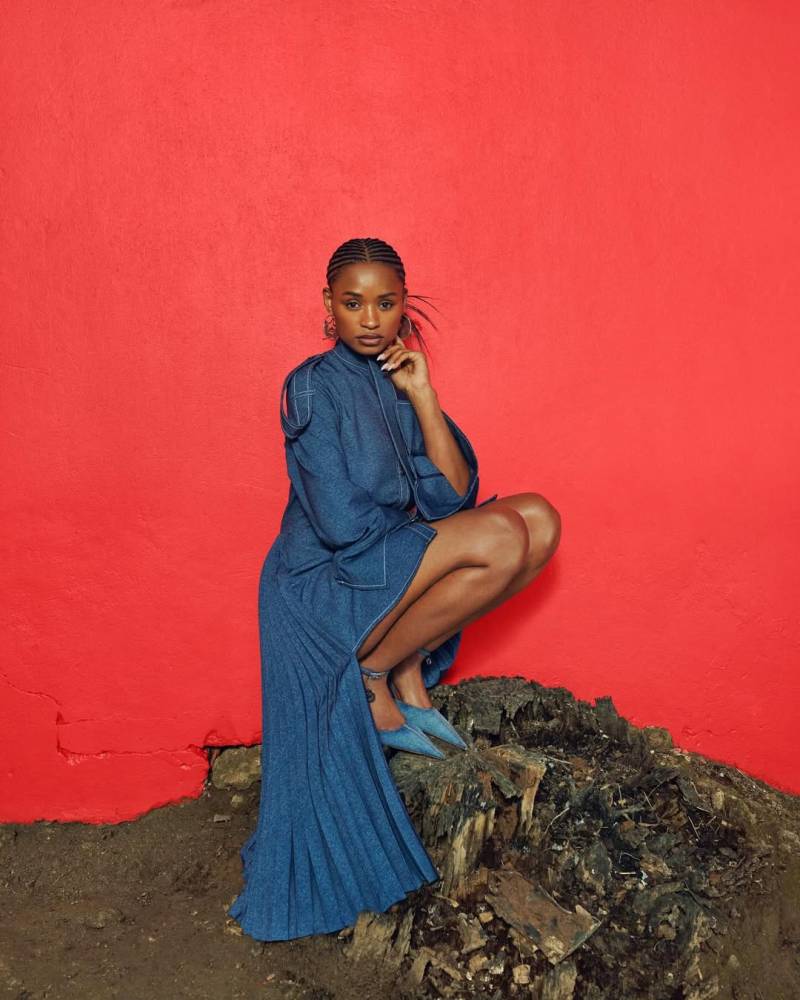
Luxury brands, facing stagnation in traditional markets, are increasingly turning south—not just for growth, but for relevance. Campaigns are being shot differently. Casting is more intentional. Collaborations feel less extractive and more reciprocal, at least when done right. The smartest brands understand that this shift is not about expansion, but about survival.
What makes 2025 different is that audiences can see through tokenism. A one-off campaign or surface-level collaboration no longer passes as inclusion. The Global South is shaping luxury not because brands are “allowing” it, but because cultural power has already shifted. Fashion is simply catching up.
This is not a moment. It is a rebalancing. And the future of luxury will not be dictated from one capital, one runway, or one point of view. It will be shaped by many—and increasingly, by those who were once expected to stay on the margins.