









The great British table

Many years ago, when I set off to finish high school in the UK, many people warned me about the food. For some reason, this was the topic most people brought up or asked me about. British food has long had a bad reputation for being bland and tasteless. However, when I got there, not only did I gain the notorious freshman 15 from the food, but I truly had not experienced the terrible British food everyone was talking about. Instead, I found the best Chinese crispy duck, juicy kebabs for late-night, after clubbing food, and the best Indian food outside of India.
British food tells a story—of empire and immigration, of land and sea, of centuries of agricultural tradition meeting a restless modern appetite.
At a recent event at my children’s school, I chose to work on the United Kingdom booth. I saw it as a challenge to make British food delicious again. It was harder than I thought to find a good representation of British food that could be replicated in the Philippines.
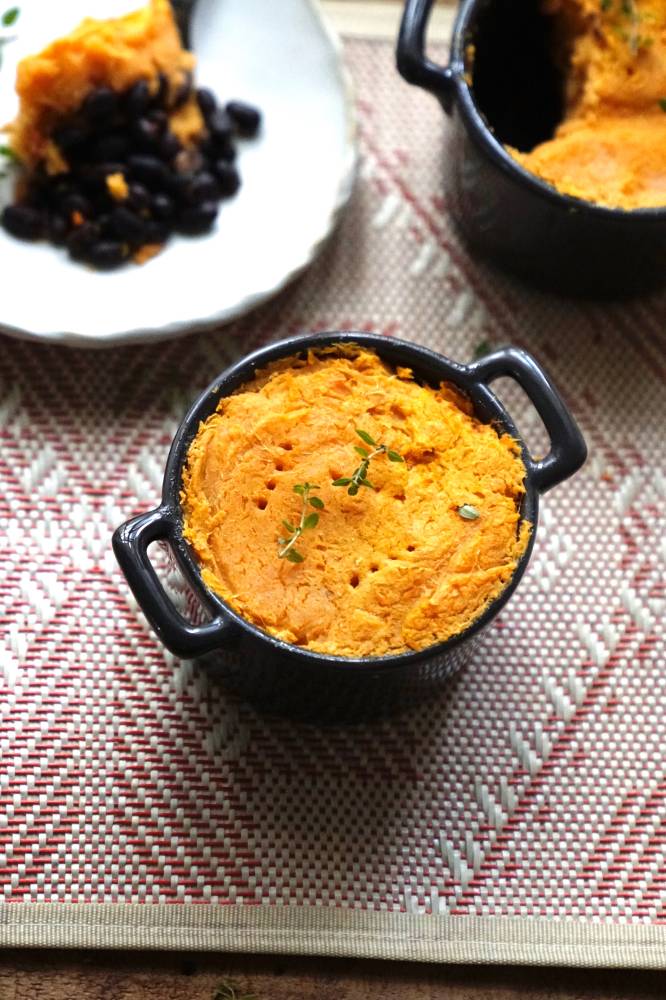
Thankfully, we found The George Catering by chef Marc Licaros of Gorio’s Restaurant. Marc worked with our team to produce the best of British food. The result? Lines for food all night long from those who couldn’t get enough of it. Our menu featured simple food: cottage pie made with beef (shepherd’s pie is made with lamb), apple crumble with custard, Scotch eggs, and roast beef. While these dishes seem commonplace, they are more difficult to make outstanding.

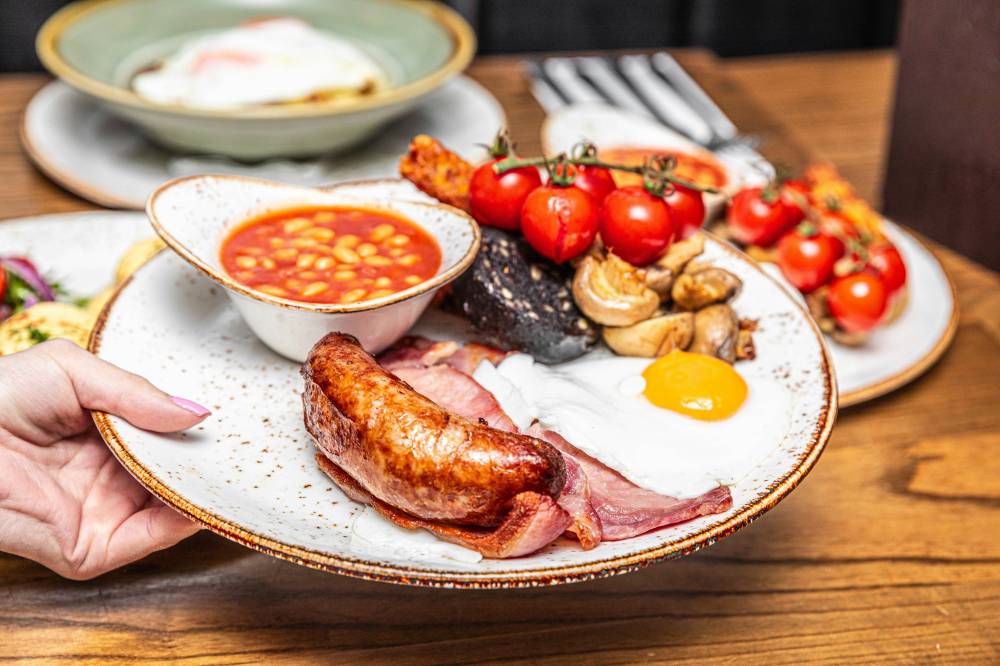
The most logical starting place in exploring British food begins with fish and chips and the English breakfast—perhaps the two best-known meals. No conversation about British food can begin anywhere other than breakfast. The Full English—back bacon, free-range eggs, Cumberland sausages, baked beans, grilled tomatoes, black pudding, and toast—is not merely a meal; there are also regional variations, such as in Scotland, where breakfast expands to include haggis, tattie scones, and white pudding. A Welsh breakfast might feature laverbread—a silky paste of seaweed sautéed with bacon. In Northern Ireland, the soda farl—a soft, tangy bread cooked on a griddle finds its way to the breakfast meal. Each version speaks of its landscape, its history, and the particular pride of its people.
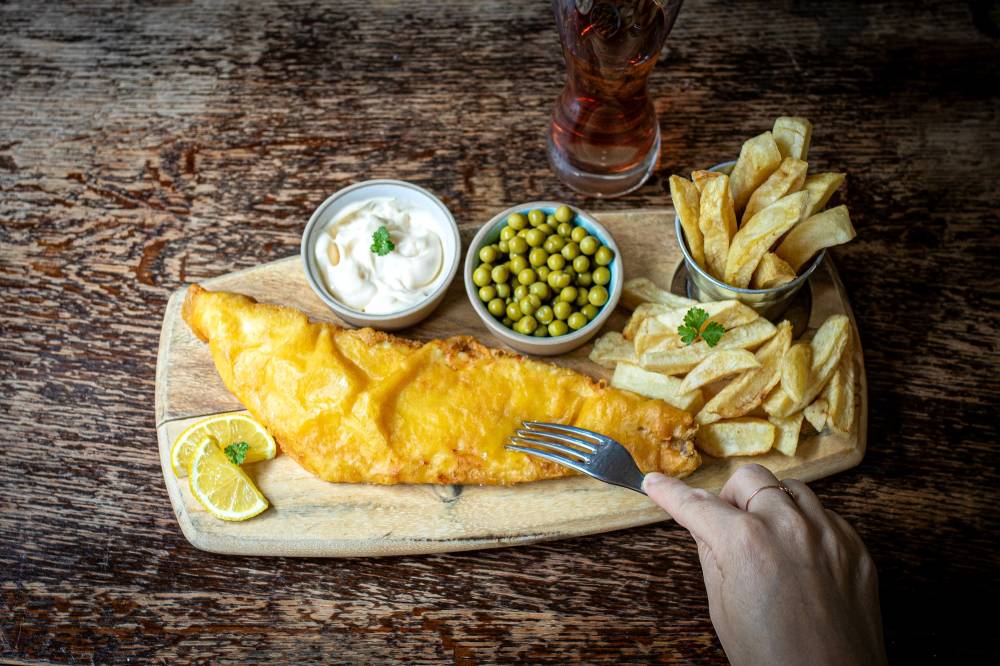
Fish and chips, made of battered cod or haddock, fat golden chips, a shake of salt, and a splash of malt vinegar, has been feeding the nation since the mid-19th century. It arrived as a collision of cultures: fried fish brought by Jewish immigrants from Eastern Europe and chipped potatoes imported from Ireland and France.
To speak of British food as a single thing is, of course, to miss half the story. The United Kingdom is four distinct nations, each with its own culinary identity, its own ingredients of pride, and its own set of daily rituals around the table. Understanding them separately is to understand the whole far more richly. Beyond English breakfast and fish and chips, lies a vastly delicious and diverse cuisine.
A nation of nations: England, Ireland, Scotland, and Wales
England
English food is deeply comforting and rooted in the land. What stands out is its regional diversity—the north and south eat quite differently. Yorkshire pudding, originally served before the main course to fill you up, is now the crown jewel of the Sunday roast, which remains one of England’s great weekly rituals. Pork pies from Melton Mowbray, Cornish pasties, and Lancashire hotpot all tell stories of working people needing hearty, portable, or slow-cooked food.
For everyday eating, the Sunday roast, a good cheese on toast, or a bowl of proper porridge are all thoroughly English pleasures that hold up beautifully in regular rotation.
Ireland
Irish food is honest, ingredient-led, and increasingly celebrated worldwide. The island’s cool, damp climate produces exceptional dairy—Irish butter is genuinely some of the best in the world, and the farmhouse cheese scene has exploded in recent decades. Soda bread, made without yeast and ready in under an hour, is magnificent, still warm from the oven with a slab of that extraordinary butter. Irish stew—lamb, potatoes, onion, stock—is elemental cooking at its most satisfying. And the Irish breakfast, with its soda farls and white pudding, is a morning meal that could sustain you through anything the Atlantic weather might throw your way.

Scotland
Scotland’s larder is extraordinary. The cold, clean waters off the Scottish coast produce some of the finest seafood in Europe—langoustines from the west coast, hand-dived scallops from Orkney, wild salmon from the great Highland rivers. Aberdeen Angus beef is internationally renowned, and Stornoway black pudding has protected geographical status for good reason: rich, spiced, and deeply savory. Then there is haggis, Scotland’s national dish—a warmly spiced mix of oatmeal and offal, traditionally served with neeps and tatties. Embrace it. Scotland also has some of the best smoked salmon in the world.
Wales
Welsh food is perhaps the least trumpeted of the four nations, which is a considerable injustice. Welsh lamb—grazed on mountain pasture—is among the finest in the world, with a delicate flavor that factory-farmed alternatives simply cannot match. Caerphilly cheese, crumbly and mild, is underrated. And Welsh rarebit—a molten, mustardy, ale-spiked cheese sauce poured over toast—is the ultimate answer to what to eat when you want something both delicious and comforting.
The curry question
No portrait of British food is complete without a nod to the remarkable influence of South Asian cuisine. The so-called ‘curry house’—a British institution born of Bangladeshi and Pakistani immigration in the postwar decades—gave the country chicken tikka masala, a dish so thoroughly adopted that it was once (somewhat contentiously) named Britain’s national dish. Whether or not you agree with that designation, the point stands: Indian food is as British as cheddar cheese.
The culinary influence of the Commonwealth runs deep through modern British cooking. From the jerk chicken joints of Brixton to the biryani served in the back streets of Bradford, Britain’s food has been made immeasurably richer by its multicultural character. London now boasts some of the finest Indian restaurants in the world, places where the cooking goes far beyond the standard high street menu to explore regional dishes from Kerala, Gujarat, the Punjab, and beyond.
The caricature of British food—gray, boiled, and joyless—was never entirely accurate, and it is less accurate today than it has ever been. A new generation of chefs, food writers, and passionate producers is championing the extraordinary quality of British ingredients and the deep, complex traditions from which they emerge. The result is a cuisine that is confident, adventurous, and delicious.