









The modern pain in the neck


Reaching your 30s now has become a rite of passage. Menthol becomes your new perfume, partying is traded for spa days, and staying in is suddenly your idea of a good time. That’s also when it hits you: Body pain isn’t just an “old people” problem anymore. It doesn’t discriminate—teenagers, young adults, and even the “adultier” adults feel it, too.
And in a world ruled by smartphones, tablets, and laptops, where doomscrolling keeps kids and adults alike hunched over in the most ridiculous postures, a new kind of strain has quietly entered our lives.
Its name? Tech neck.
So what exactly is tech neck?
Tech neck is what happens when modern technology meets poor posture. If you ever feel a sharp twinge after looking up from your phone, realize that your shoulders have moved closer to your ears, notice a creeping headache at the base of your skull, or catch yourself constantly stretching your neck to relieve tension, you’re experiencing it in real time.
“Tech neck is a pattern of neck, shoulder, and upper-back strain caused by prolonged screen use in poor posture, most often when the head is positioned forward, and the shoulders are rounded for long periods of time,” says Tanya Maria Aguila, co-founder and studio director of wellness center Onelife Studio. “Clinically, it shows up as muscle imbalance, joint restriction, nerve irritation, and increased stress on the spine.”
And the thing with tech neck is that it begins when you least expect it—with hours spent looking down at our phones, laptops, and tablets, while working, commuting, and even relaxing.
“That forward head position forces the neck and shoulders to work much harder than they are designed to, leading to stiffness, fatigue, and pain that can travel into the arms, upper back, throughout the spine, and even trigger chronic headaches,” Aguila explains. “Our bodies naturally prioritize seeing clearly over sitting well, so in today’s always-connected lifestyle, we stay in slouched, static positions far longer than we should.”
It’s more common now than you think
While the term “tech neck” came about in the early 2010s, a derivative from the term “text neck,” which was popularized by American chiropractor Dr. Dean Fishman, it points to a problem we barely knew, generations ago—until technology became a constant presence in our everyday lives.
And here’s the kicker—it’s not just for leisure or fun. It had even become something essential, with work-from-home setups and jobs literally built on working in front of computers and screens for eight hours a day, or even more. In fact, a systematic research review from BMC Health notes that being sedentary for more than six hours a day increases the risk of neck pain, with prolonged screen time being the main culprit.
“Ten years ago, we lived far more analog lives. Smartphones and tablets were not nearly as dominant, and there was a more natural balance between screen time and movement throughout the day,” Aguila says. “Today, especially post-pandemic, much of our work, communication, and even recreation has moved online. We now have entire generations growing up constantly on screens.”
Our infrastructure amplified this problem, if anything, with the wellness practitioner noting how “long hours spent in traffic keep people seated for extended periods, leaving many with little choice but to use their devices to keep up with work demands or simply pass the time.”
Constant device use, however, is not something we’re used to—especially since our posture takes a beating for it. “The rise of tech neck is essentially the body struggling to keep up with modern lifestyle demands,” Aguila notes. “The bigger question is whether we want chronic pain, stiffness, and a hunched posture to become the new normal, or whether we choose to be more intentional about how we move, work, and care for our bodies.”
The worst part? No one’s exempt from it. “Office workers, students, remote employees, frequent phone users, drivers, and really anyone who stays in one position for too long, no matter their age, can suffer from tech neck.”
From discomfort to medical concern
Like most health concerns, tech neck starts with occasional discomfort, with early signs manifesting as “persistent neck stiffness, tight or elevated shoulders, frequent headaches, jaw tension, upper-back fatigue, tingling or heaviness in the arms, and the constant urge to crack or stretch the neck for relief.
But the longer it’s left unattended, the worse it gets. “One big misconception about neck pain is that it’s just soreness, a sign of aging, or something you can ignore,” Aguila explains. “The truth is, neck pain often signals deeper postural imbalances, muscle weaknesses, or movement habits.”
“If left unaddressed, it can lead to chronic pain, nerve issues, and long-term mobility problems. Beyond the physical impact, living with neck pain can drain your energy, motivation, and overall zest for life. Neck pain is really your body’s way of saying it needs attention. It is a signal to take action, not something to simply tolerate,” she adds.

Warning signs to look out for include “pain [that] is persistent, recurring, worsening, and debilitating enough that it affects sleep or concentration, limits movement, or is accompanied by headaches, numbness, tingling, or pain traveling into the arms or back.” That, Aguila stresses, is no longer just bad posture.
“The body is signaling that structural strain, muscle imbalance, or nerve irritation is developing. Discomfort is the early warning,” she notes. “When it is ignored for too long, it often turns into a clinical issue that requires professional care rather than just stretching it out or pushing through the pain.”
And when left unaddressed, tech neck can progress into “chronic pain, spinal disc irritation, nerve compression, reduced mobility, postural degeneration, and recurring headaches or migraines.”

Early intervention is still the way to go
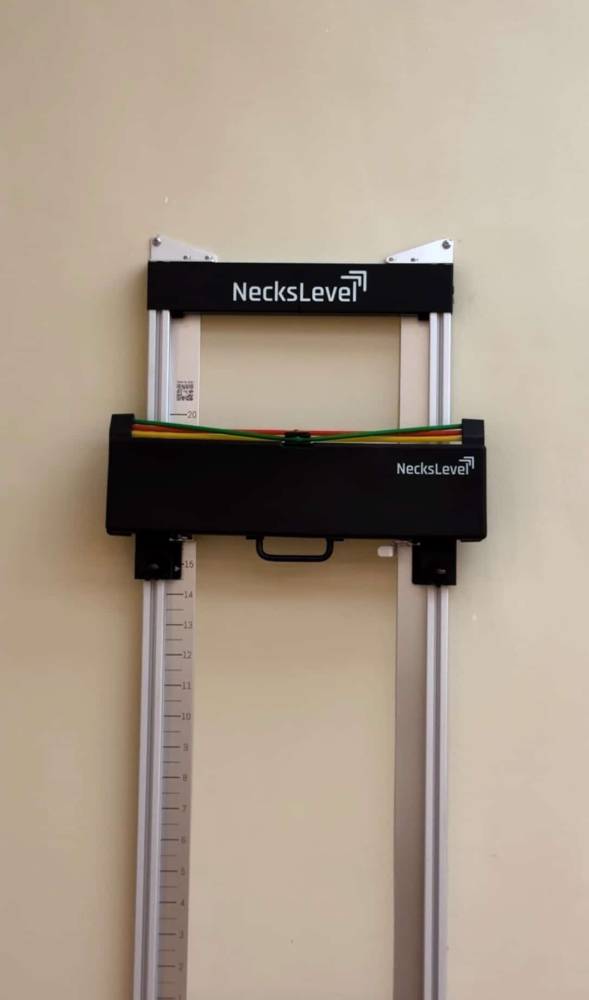
During the early stages of tech neck, adding movement is the surefire way to go by incorporating corrective exercises. “A combination of personalized exercise programs, manual therapy, ergonomic guidance, breath work, and intentional stress-relief practices can make a huge difference,” Aguila notes, adding that for early-stage discomfort, patients who commit to exercises and therapy two to three times a week “typically notice meaningful improvement within four to six weeks.”
“As much as I’d love to say ‘just limit your screen time,’ I know that’s not realistic for most people,” she adds. “A simple, practical way to start addressing tech neck today is to keep your screens at eye level, align your head over your spine with your ears stacked over your shoulders, and take a movement break every 30 to 45 minutes: stand up, walk around, shift your gaze, and stretch your neck, shoulders, and upper back. Avoid staying in one position for too long, even if it’s just a subtle shift in posture.”

For more intense cases, where tech neck has evolved (or devolved) into chronic pain, long-term management is key. How? Through “consistent corrective exercises, manual therapy, proper breath work, and in some cases, doctor-prescribed medication.”
But ultimately, early intervention is still the way to go. “With the right combination of corrective exercises, proper ergonomics, and mindful digital habits, posture can be restored, and discomfort minimized,” she says.
“Neck pain is really your body’s way of saying it needs attention,” Aguila emphasizes. “It is a signal to take action, not something to simply tolerate. Quick fixes might feel good in the moment, but the only proven solution for lasting results is consistent corrective exercise and a lifestyle change.”
How to treat tech neck
* Do stretches and exercises at home: Scapular retractions, thoracic extensions, chest openers, and gentle neck mobility drills help strengthen the upper back, improve mobility, and release tension while correcting the rounded posture from being hunched over screens
* Regularly apply neck cream: Beyond moisturizing, neck cream helps lift, firm, and smooth the look of the neck while reducing lines and wrinkles. Using a product with multi-peptides and hyaluronic acid, like the Clinique Smart Clinical Repair™️ Lifting Face & Neck Cream, is a bonus
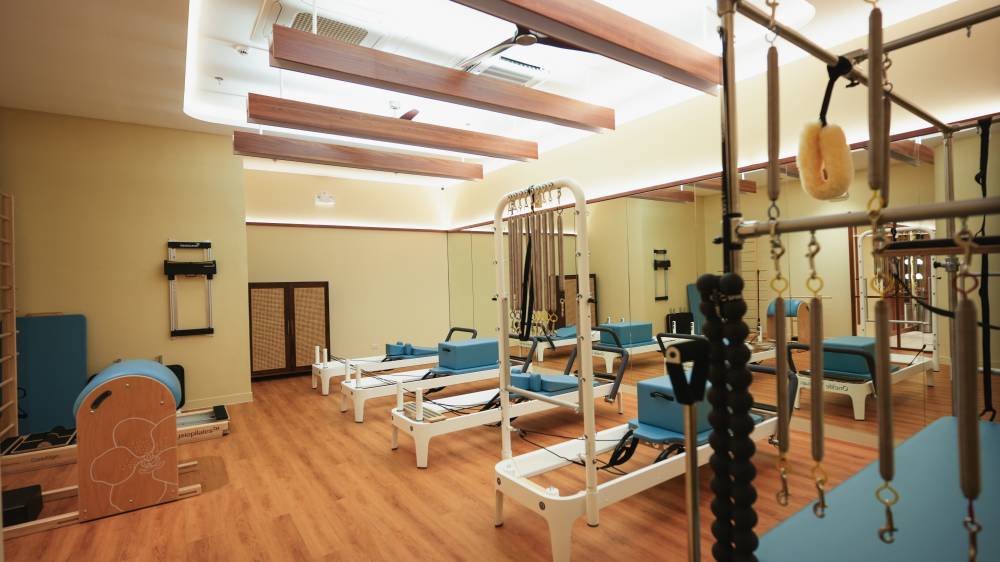
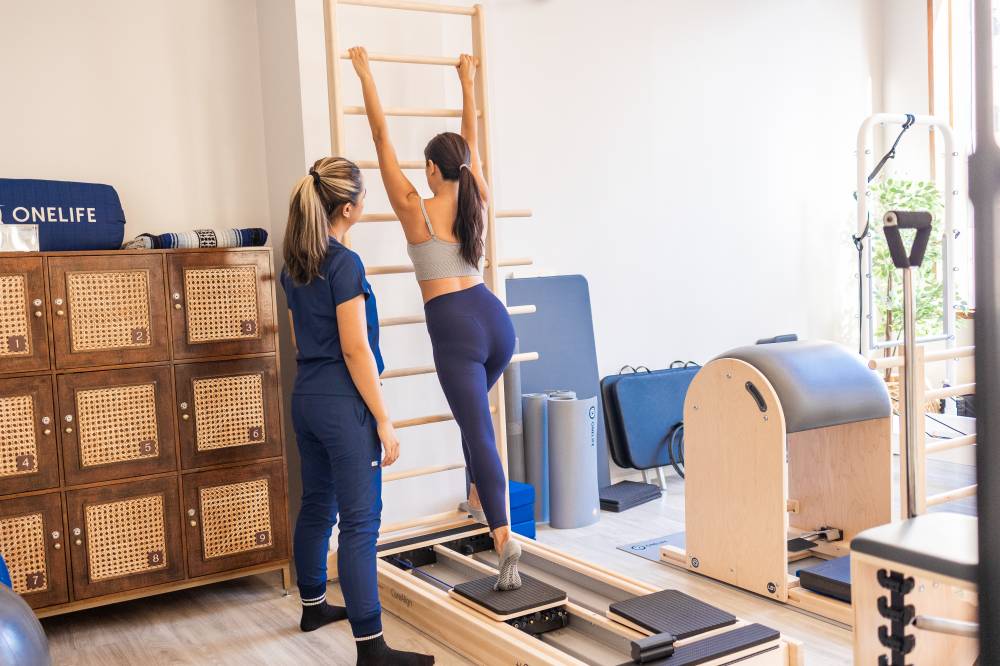
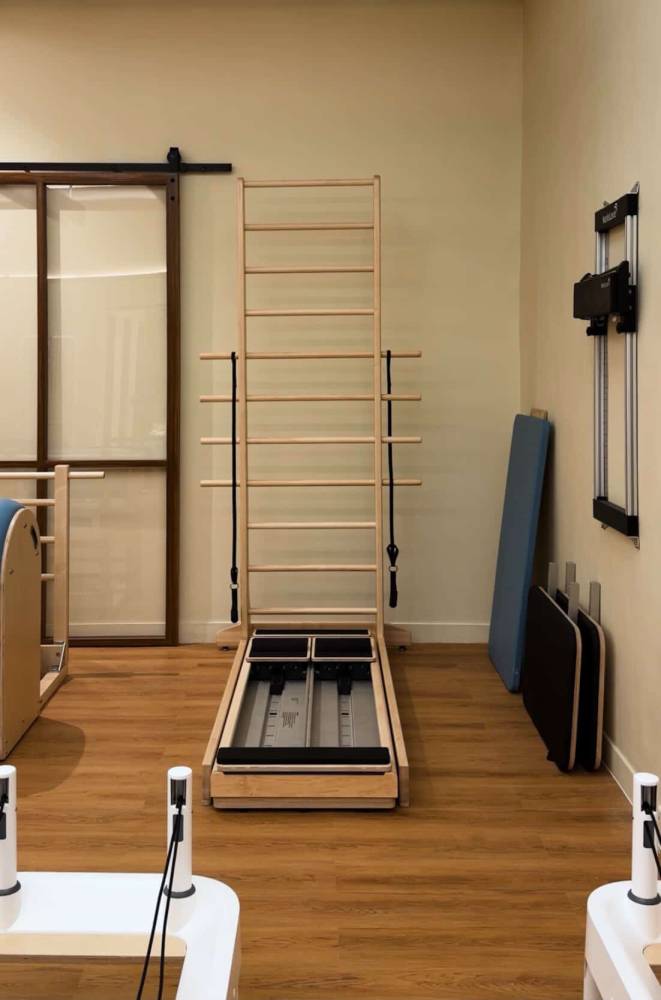
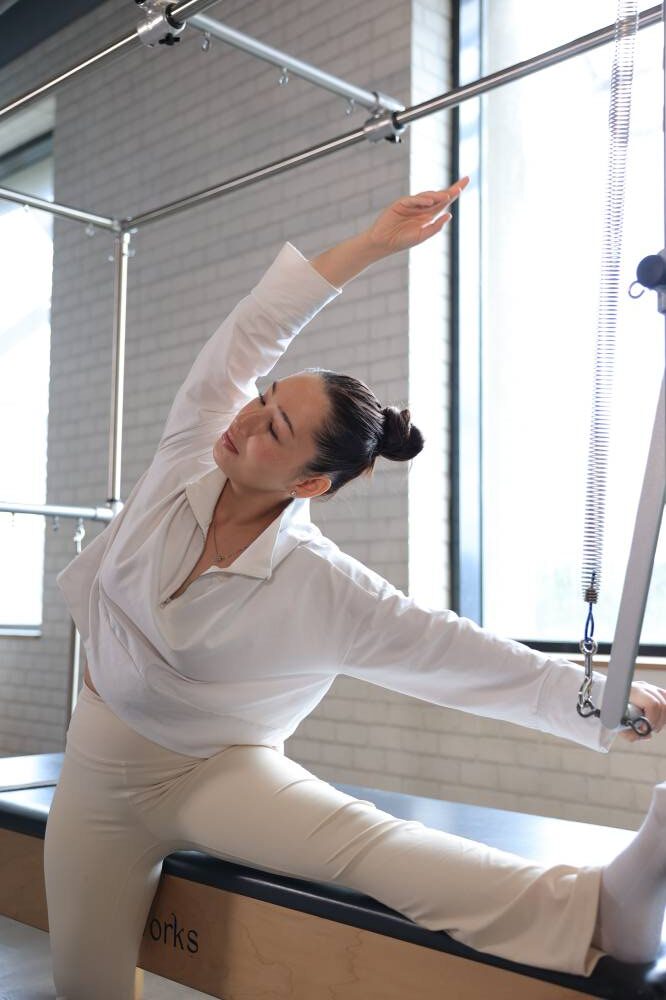
* Visit a wellness center: Programs like Onelife Studio’s Physiopilates combine Pilates and physical therapy techniques to rehabilitate the neck. Treatments like Theracupping also help release deep tension for lasting relief
* Get a massage: Hilot, a traditional Filipino massage, relieves tight muscles, improves circulation, and restores mobility, which complements exercise and therapy sessions. Spas like The Spa and Spanda Massage and Spa offer this service