




The music director who started when the world stopped

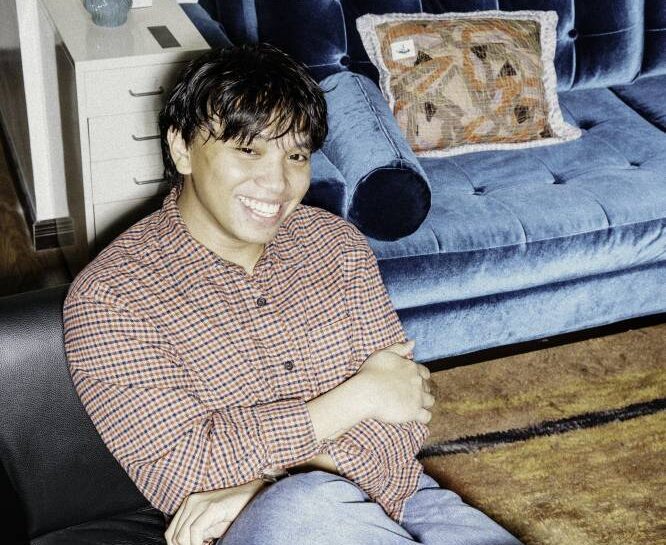
When the world came to a halt in 2020, few expected that the pause would lead to anything other than loss. For Daniel Aguilar, now known as Raliug, it became the catalyst that kick-started the next chapter of his career.
Before closed doors and lockdowns, Aguilar was already immersed in music. He worked with bands, filmed live performances, and crafted visuals that brought their shows to life. His days were spent on stages and in packed venues.
“I was already working in music before the pandemic,” Aguilar says. “When that stopped, there was nothing left to shoot.”
Instead of losing momentum, he changed the medium. With no stages to work on, he began building worlds within the frame; without crowds, he turned his attention to pure visual storytelling. The pandemic didn’t halt his trajectory—it redirected it, setting him on the path to becoming a music video director.
Ground zero
His first steps into directing were improvised and deeply personal. Confined to home like everyone else, Aguilar began collaborating with artists to simply create something—anything—that would keep both parties creatively alive. “During the pandemic, I collaborated with artists I knew just so we could release something. I couldn’t just wait and do nothing with my creativity,” he says. “They needed an outlet. I needed one, too. That’s where it all started.”
One of the earliest projects that redefined his path was his collaboration with Zild on the track “Dila” for “Homework Machine.” Shot entirely at Zild’s place under lockdown conditions, it was stripped down and do-it-yourself.
“It really felt like a school project. We were just making things based on what we had,” Aguilar describes it plainly.
Unlike many who honed their skills through training or mentorship, Aguilar learned as he worked. He did not have a guide walking him through the process, nor did he have an industry path set in front of him. Instead, his education came from trying, adjusting, and learning in real time. Each project refined his approach.
Trial and error, if you will.
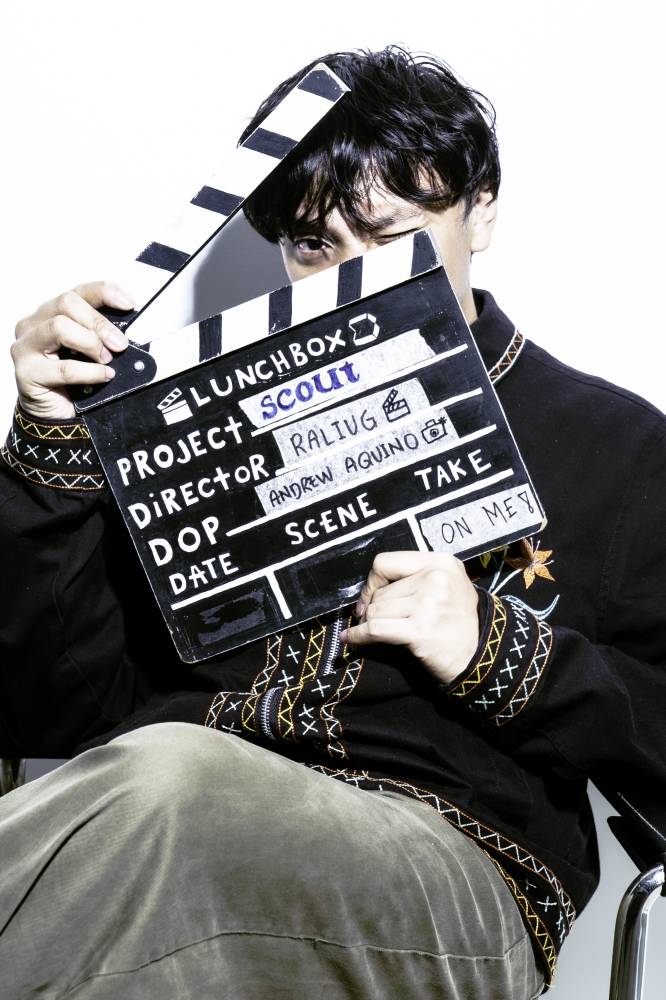
By the time restrictions began to lift, Aguilar no longer belonged to the world he came from. He did not return to live events. He stepped beyond them. In 2022, he co-founded Lunchbox Creates, a production collective built for creative freedom, with his director of photography, Andrew Kyle Aquino.
The transition from working alone to working with a team changed how Aguilar saw his craft. During lockdown, he handled everything himself, but over time, he realized what the saying “no man is an island” truly meant in practice.
“I was used to doing everything by myself—shooting, editing, directing. Now I realize it really takes a whole team.”
On process, trust, and collaboration
Aguilar’s creative process begins long before a camera is ever turned on. When a song is sent to him, his first instinct is not to plan shots or build concepts but to listen. He plays the track repeatedly while driving, walking, or doing ordinary tasks, allowing ideas to form naturally rather than forcing them.
“When you’re not overthinking, the images come,” he says. “Whatever appears first when you hear the song, that’s usually where I start.”
Rather than relying heavily on storyboards, Aguilar works through mood boards and shot lists, giving his team space to interpret the visual direction in real time. He places particular trust in his director of photography, allowing framing and movement to develop collaboratively on set.
That emphasis on trust also defines how he works with artists. For Aguilar, directing is less about control and more about responsibility. “When an artist plays their song to you, it feels like they’re giving you their baby,” he shares. “You’re trusted to give it a visual life. That’s a big responsibility.”
Ideas are discussed casually, often through chats rather than meetings, and many of the people he collaborates with are friends. The atmosphere, he believes, matters just as much as the output.
As he began working with more experienced directors and production teams, Aguilar also came to understand that filmmaking is not competitive by nature, instead thriving on cooperation. Though relaxed in process, his outcomes reveal deliberate craftsmanship. Projects such as “Black N’ White” by Dilaw, filmed in Baguio, allowed Aguilar to interweave place and identity into the narrative.
“We didn’t just shoot there, we experienced the culture,” he says. “It became part of the story.”
Another project, “MRT” by One Click Straight, reflected Aguilar’s problem-solving approach, shaped during the pandemic, when resources were scarce. Filming inside the actual station was not an option, so he and his team recreated the setting from scratch rather than compromise the idea. “Budget and resources are always a challenge,” he admits. “But those limits make you think differently.”
This mindset carried into more ambitious productions, including a music video shot in Taiwan for IV of Spades—a project he considers a full-circle moment. His first job in music involved the band; years later, he was directing them abroad.
“That one really hit. It felt like completing a journey.”
Becoming Raliug (and what comes next)
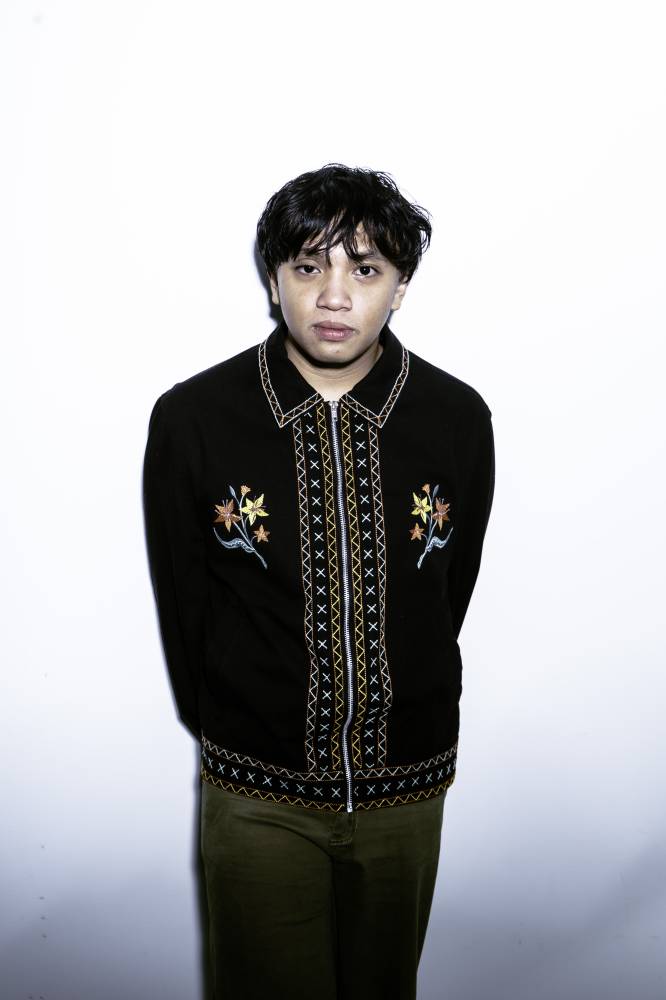
Aguilar’s evolution as a music director has gone hand in hand with the way he has shaped his own identity. Even his creative name reflects that process. Raliug—his surname reversed—was not chosen for style alone, but as a marker of individuality.
“I have a twin brother,” he shares. “Growing up, there was always that feeling of sameness. I just wanted something that felt like mine.”
Over time, the name grew into a professional identity attached to a body of work that now spans multiple artists, genres, and locations. Despite that growth, Aguilar is already looking ahead. His focus is shifting beyond music videos toward original storytelling, scriptwriting, and technical development as his next area of study. “I want to write and not just word vomit. I don’t just want to interpret songs. I want to create my own stories from scratch.”
For Raliug, the pandemic was the point where everything came into focus. While much of the industry stood still, he moved forward with purpose.
Now, he is finding ways to give others the same opportunity he had to create for himself. Through Lunchbox Creates, his mission is to build an avenue for young creatives who want hands-on experience in the industry. The collective welcomes new talents and gives them the chance to work on real projects, build connections, and develop their skills along the way.
“I didn’t have mentors when I started. So now, I want to create an avenue for others to learn.”
This story was originally published in Scout 2026 Issue 1