





The rise of WWE’s Kit Wilson proves that men yearn to be girlypops

If there is a wrestling fan in your life, chances are that over the past month, you may have heard them blast a bubblegum pop song that sounds like Sabrina Carpenter or Charli XCX. You might have even seen them dancing to it in person, or maybe in a Reel in which they gyrate their hips unashamedly.
If this is you and you know someone like this, then congratulations: Your beloved wrestling fan has found and is under the spell of Kit Wilson.
As I write this, the hype around Wilson has died down a bit, as most trends tend to do, but the fact that there even was a palpable cloud of positive buzz surrounding him is a rather interesting sign of the times we men are living in.
From villain to hero
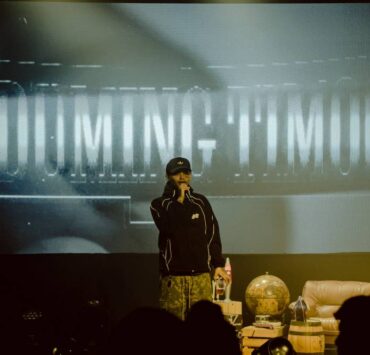
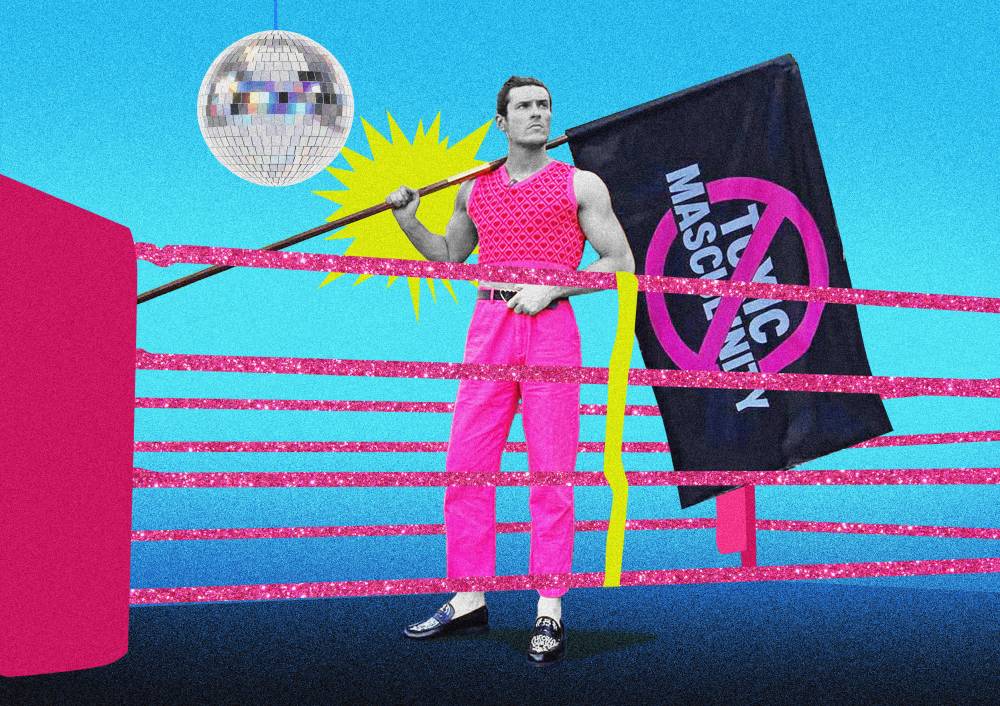
Picture this: Kit Wilson is a pretty-boy British wrestler who’s feminine-coded, all dressed as though he walked straight out of the same men’s fashion magazines I used to edit; walking out to the ring in the same girl pop song I mentioned at the beginning; and spouting diatribes about how other male wrestlers (usually the hero-coded characters) are “toxic” and “lacking accountability.”
But the really interesting thing about this is that although the “soft” and “zesty” (in Gen Z parlance) character was written to be a villain, fans—men, especially—have fully embraced Wilson as a hero, rooting for his success and getting upset whenever other wrestlers who are meant to be more popular defeat him in the ring.
That didn’t use to be the case, and the creative team behind WWE were actually hinging on an outdated wrestling character trope.
Under Paul Levesque, who you might know better as legendary multi-time world champion and current head honcho Triple H, the writing tended to follow modern sensibilities, but the way fans all bought into Wilson was a major backfiring that exposed how the board of decision-makers still isn’t as diverse and hip as they might have hoped.
A breakthrough after years of grinding
The foundations of the Kit Wilson character have been in the making for years—back when he was a full-time member of a tag team.
Wilson, real name Samuel Stoker, had come to the WWE as part of the Pretty Deadly tag team with running mate, partner, and friend Lewis Howley. The duo had already been pretty boys who were, again, feminine in their dress, looks, and mannerisms, but they hadn’t had the opportunity to truly flesh out their characters and what makes them tick.
The closest thing was the broad strokes they had painted with, as most wrestlers and wrestling bookers tend to do: Pretty Deadly had relied on being annoyingly quirky, narcissistic, and effeminate to be hateable and villainous. It certainly got them the job, and a little more than that, as they were able to win the NXT UK Tag Team Championship. A title is certainly an important way to establish one’s usefulness to a company—and then they were able to fly stateside and make it to the main touring roster of the WWE, solidifying their places on the show for a while longer.
But Howley, since renamed Elton Prince, got injured for an indefinite amount of time, forcing Wilson to go at it alone and establish himself as an individual part away from the sum. He resurfaced in very late 2025 with the catchy theme song, the major piece that would catapult him to virality among wrestling fans.
Once fans heard a clear listen of the theme on “WWE SmackDown,” one of the three major weekly TV shows the company airs to advance stories, the response was immediate. People loved how infectious and well-crafted of a pop song it was, which was saying something as the in-house WWE composer Def Rebel had long been facing the wrath of fans for bland and forgettable themes over the past few years. Wilson himself had personally ensured that elements of music he liked were present in the theme, which likely played a big part in the song being much better than a good part of Def Rebel’s other work.
It was made available to use as audio on TikTok and Instagram Reels, and wrestling fans went all the way with it. January saw a lot of Kit Wilson videos sprout up, and it led to increased TV time for the character.
Upending the fop trope
A lot of the fan interaction with “Man Up,” the entrance theme, was them professing an affinity for the “girly” kind of bubblegum pop.
Think of people already predicting the song topping their 2026 Spotify Wrapped, or the meme of that guy in the gym looking hard as hell on his headphones, contrasting with the music you would stereotypically hear young girls blast on their phones. Like I said, it got men gyrating and swinging their hips in a way that would have gotten them smacked and punched by feeling-macho fathers and uncles and grandfathers in a bygone decade.
The way the song was able to get a chokehold on male wrestling fan culture, with them calling haters “Toxic!” and pulling for a big “push” for Wilson to become a more prominent fixture on the show, really flipped the tables on the trope both the WWE and the man himself had been capitalizing on for years.

The effeminate, gay-coded man had been a classic strategy to make a person hated: It all went back to the legendary Gorgeous George, a popular American wrestler from the ‘40s and ‘50s who drew the ire of traditionally masculine wrestling crowds by simply daring to be queer.
American wrestling would recycle that over the years with the characters of Rico and the turns of Billy Gunn and Chuck Palumbo as fake gay men in wrestling, relying on the fans’ rejection of queerness and femininity in men to get boos, all the way to when Wilson and Pretty Deadly would do the same.
And things would only slightly turn for the better with the rise of flamboyant world champion Dalton Castle in the smaller independent wrestling company Ring of Honor, but he never broke through to the mainstream of the sport.
Fighting toxic masculinity
Now, both women and men love Wilson, with the men especially wanting to be him, and he’s stuck in quite the pickle by playing a rather progressive persona—he’s still being positioned as a bad guy, but you can’t really have your fans actually wanting to be the bad guy.
He’s not even the “cool” bad guy like Stone Cold Steve Austin, The Rock, or the New World Order from back in the day; Wilson is just a 2020s man who’s fighting toxic masculinity.
What I really like about this is how being a Kit Wilson fan has seemed to have healed a lot of guys’ inner children. I still clearly remember a time when listening to girl pop or even boybands—anything less than music with distorted guitars, really—would earn bullying from the biggest boys in class. This rise has coincided with not just my own gradual graduation from toxic masculinity but also a personal renaissance over the past couple of years in which I fully embraced how I actually liked girl pop and the girly aesthetic a lot more than its deeply entrenched male counterparts.
I certainly hope it’s the same experience for other men, not just my fellow wrestling fans. And I do hope they finally figure out how to pivot into making Kit Wilson a real hero, because in the same way Bad Bunny just put on Puerto Ricans at the Super Bowl, boys all over the world do need a male role model like him on their screens.