










The scarf economy

For years, the scarf felt like an afterthought. Something borrowed from your mother’s closet. Something tied onto a handbag for decoration. Something reserved for airport outfits or Old Hollywood cosplay. It lingered at the edges of your closet and fashion—nostalgic, polite, safe.
And then, it came back. Not emphatically. Not with a rebrand. Not with a viral “core.” Just… everywhere.
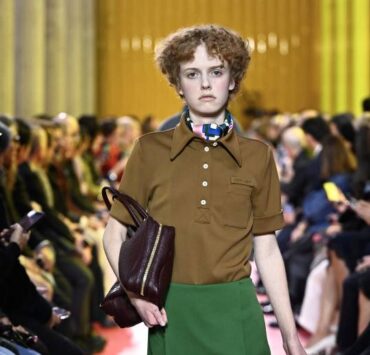
Around necks. Wrapped over hair. Tied as tops. Threaded through belt loops. Knotted onto wrists. Draped over shoulders in a way that feels less costume, more coded.
Back with a vengeance (and intention)
The scarf is not trending. It is circulating. In an era defined by economic caution and aesthetic overload, the scarf makes sense. It is relatively accessible compared to handbags and ready-to-wear. It transforms an outfit without replacing it. It photographs well. It travels easily. It works across seasons.
More importantly, it suggests intention. A scarf tied at the neck instantly sharpens a white tank. Wrapped over the hair, it softens tailoring. Knotted around a bag, it adds personality without committing to a new purchase. It is styling rather than consumption.
That distinction matters. Because fashion right now feels caught between two opposing forces: the pressure to refresh constantly and the financial (and emotional) fatigue of doing so.
The scarf solves that tension elegantly. It offers change without overhaul.
Carrying a piece of history
There is also something archival about scarves. They carry print histories. House codes. Silk traditions. They often outlive trends because they were never fully inside them to begin with. A vintage scarf does not feel dated—it feels collected.
In a culture obsessed with provenance and storytelling, that is powerful.
Scarves suggest inheritance, travel, and memory. And in a time when consumers are increasingly interested in longevity and layering meaning into their wardrobes, smaller heritage-coded pieces feel safer than full logo commitments.
The houses that quietly perfected it
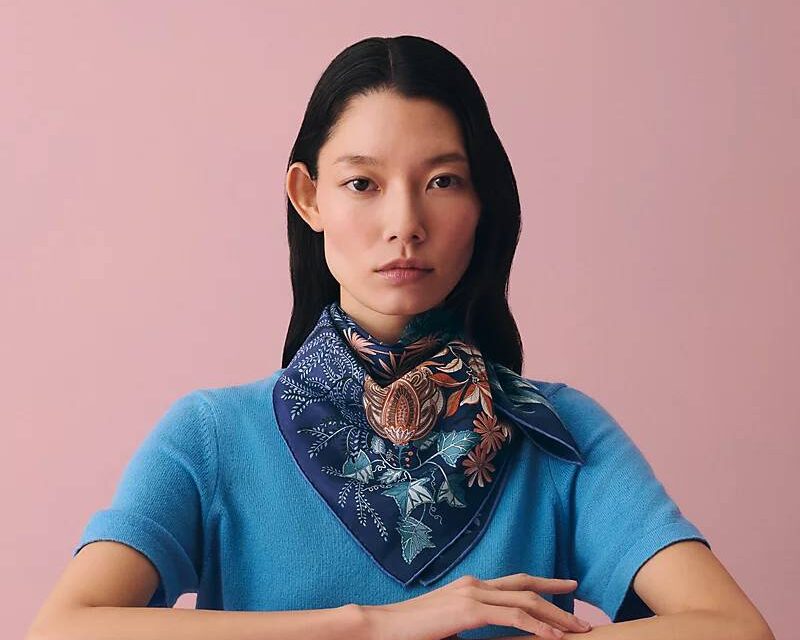
Some brands never stopped treating the scarf as a serious design. Take the silk carré from Hermès. Originally rooted in equestrian culture and meticulous print storytelling, it was never meant to be disposable. Each design carries its own narrative, often reissued, reinterpreted, archived.
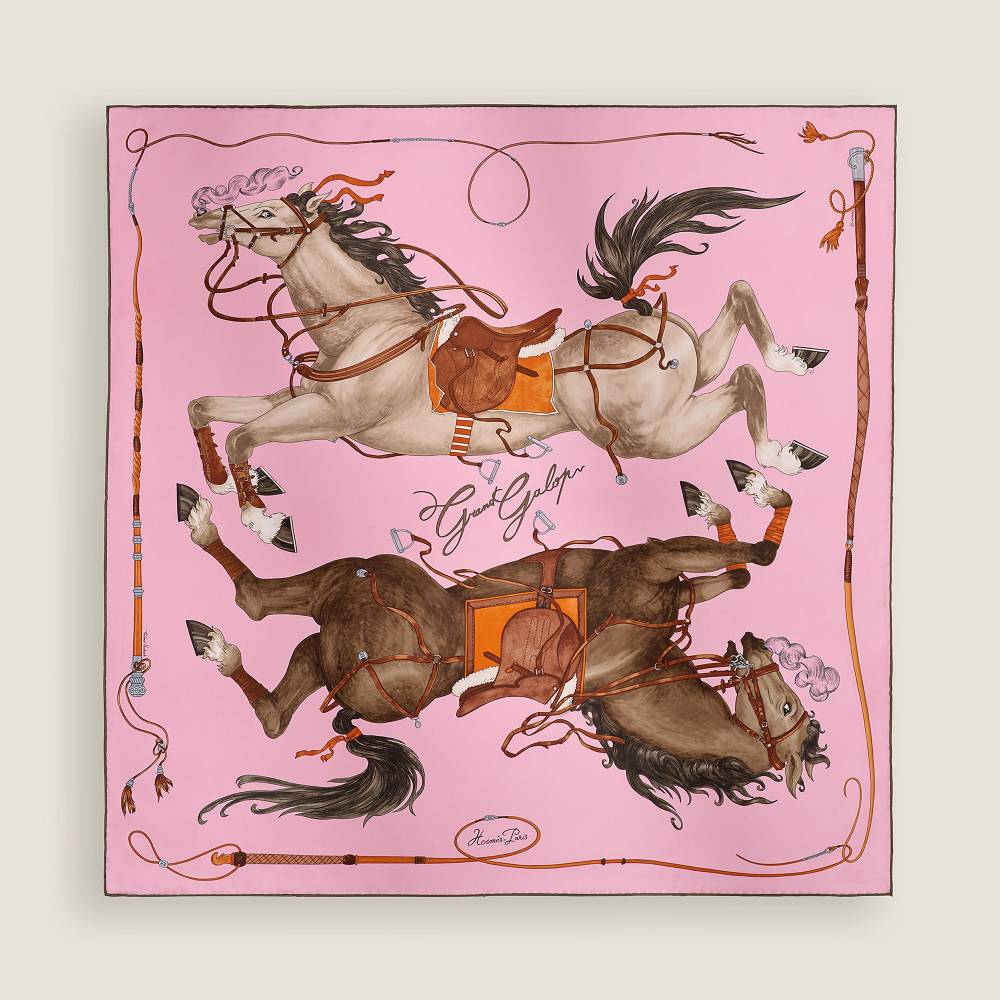
Owning one does not feel like participating in a trend—it feels like acquiring a fragment of fashion history. The resale market reflects that endurance. Decades-old prints still circulate, still desirable.
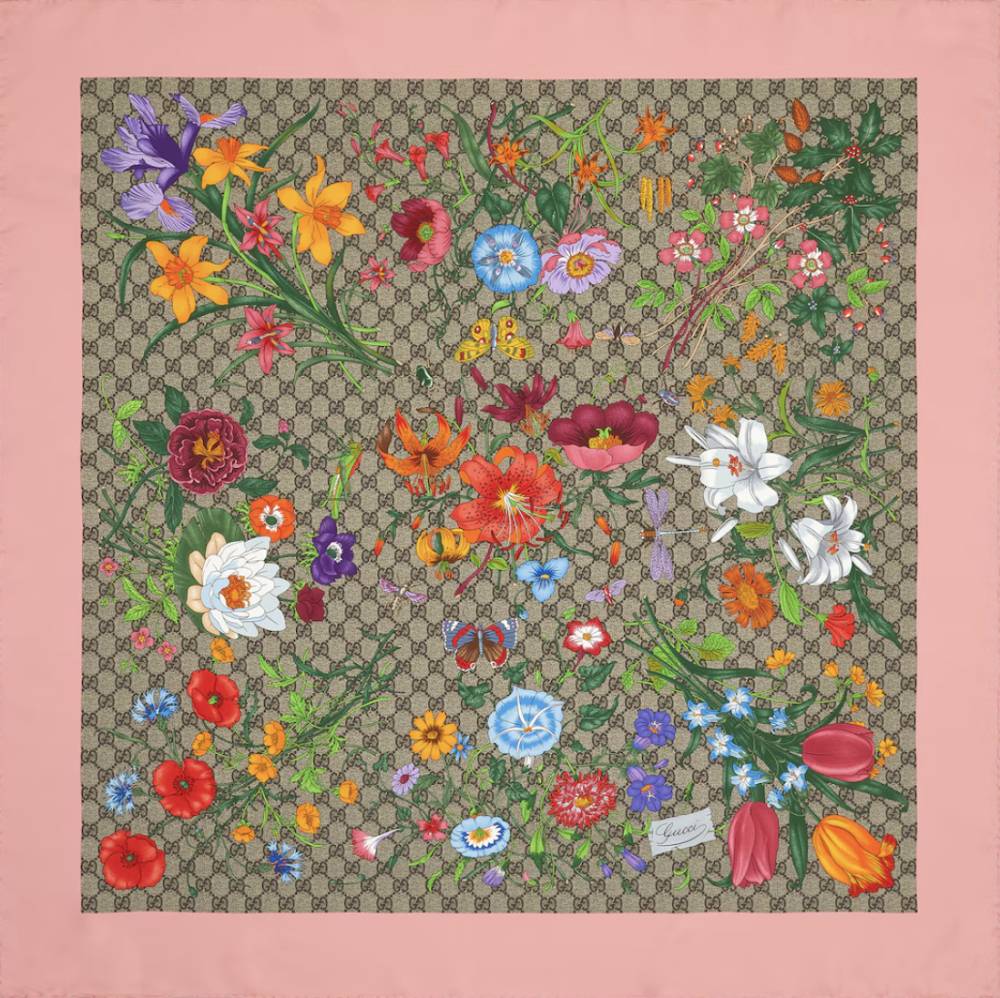
Then there is the revival of the Gucci Flora scarf—a print born in the 1960s that continues to resurface across generations. It is romantic without being naïve, recognizable without being overwhelming. Tied at the neck, it suggests polish. Wrapped over the hair, it signals intention.
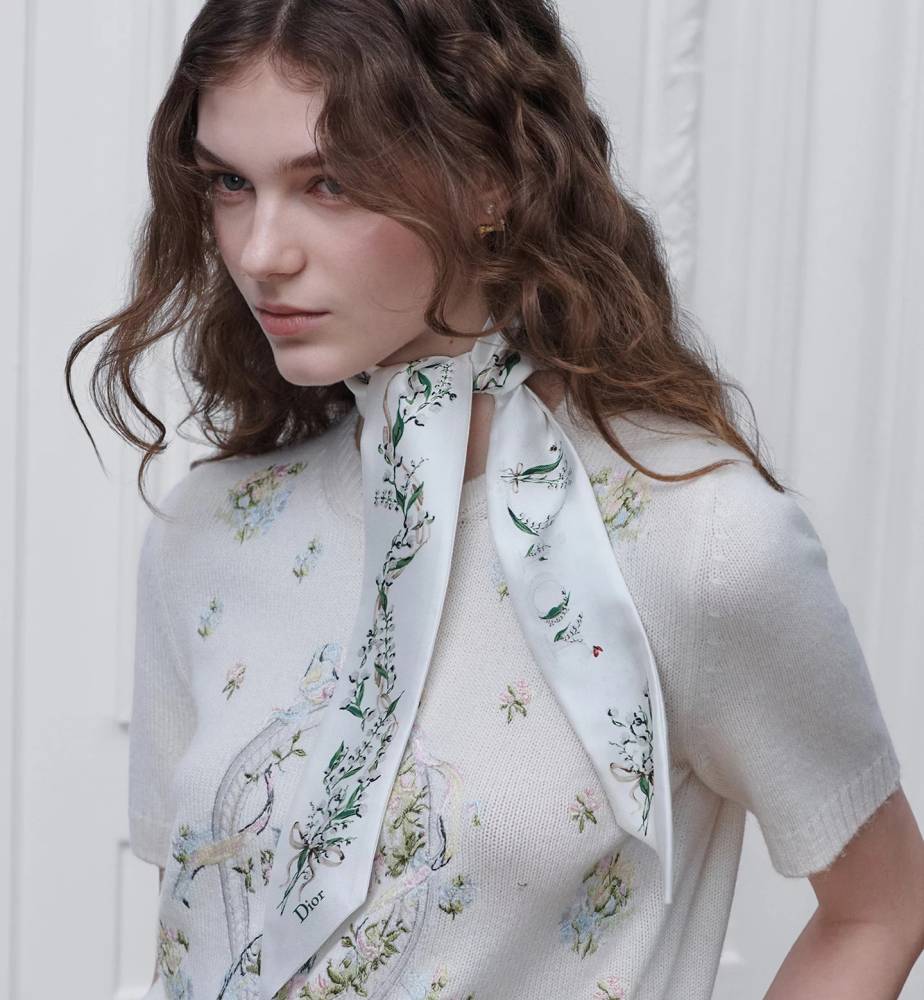
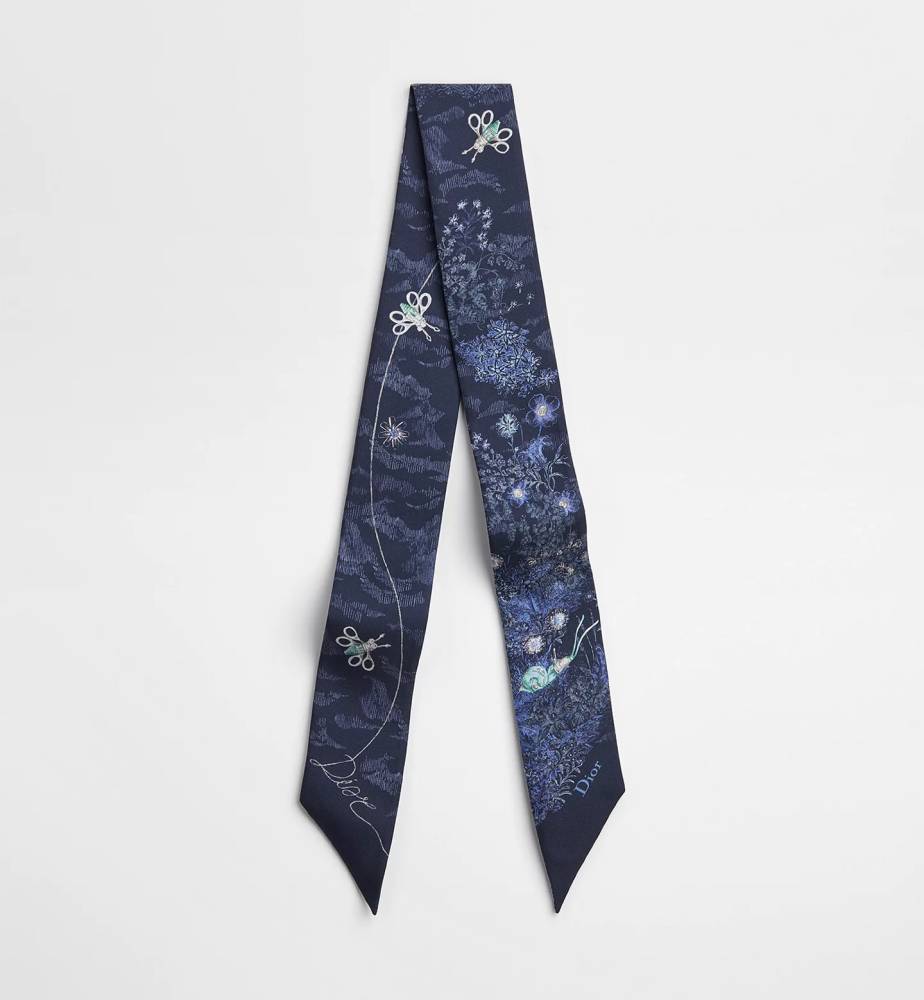
Even similar silhouettes—like the Mitzah from Dior—demonstrate how scarves have evolved from accessory to styling tool. Often knotted onto handbag handles or wrapped tightly at the collarbone, they operate less as statement pieces and more as subtle punctuation marks.
And on the quieter end of the spectrum, brands like Toteme have reframed the scarf entirely. Minimal monograms. Clean borders. Neutral palettes. These are not nostalgic. They are architectural. They work not as throwbacks but as structural additions to modern wardrobes.
An intelligent form of luxury
What unites all of them is not loud branding. It is permanence. Scarves from these houses do not beg to be noticed. They reward those who do notice. They signal familiarity with fashion’s visual language—without relying on oversized logos or seasonal It-bags.
And in a landscape saturated with obvious flexes, the scarf has become a more intelligent form of luxury.
The “scarf economy” is not about resale charts or stock surges. It is about strategic styling. About making more from less. About stretching wardrobes through creativity instead of constant acquisition.
In a maximalist decade that may be quietly tipping toward restraint, the scarf is proof that dominance does not always look dramatic. Sometimes, it is a square of silk—folded just right—doing the most with the least.
And right now, that feels exactly on time.