









The thread that holds a home together


Before school runs, business meetings, dinner parties, family celebrations, and weekend gatherings, someone is already quietly shaping the day. Someone is preparing breakfast before hunger is voiced. Someone is making beds, organizing rooms, caring for children, and ensuring that a household runs smoothly long before most family members have begun their morning.
In many Filipino homes, it is this unseen presence that keeps daily life in motion.
Markers of trust, responsibility, and belonging
The household helper is often the invisible thread that holds a home together. And perhaps, that is why something as simple as a uniform deserves a closer look.
Most people think of a household uniform as practical clothing. Yet uniforms have always carried meaning far beyond function. Long before hospitality became a defined practice, uniforms served as markers of trust, responsibility, and belonging.
Their origins can be traced to the 16th century, when messengers wore badges identifying the households they represented. These were not merely identifiers. They were assurances—a visible signal that the bearer carried responsibility and could be trusted.
That language of trust has never disappeared. It has simply moved into different spaces: hotels, airlines, restaurants, private clubs, and homes, where uniforms continue to communicate professionalism, order, and care.
In the private home, however, the meaning becomes more personal.
A household uniform is not simply a dress code. It reflects how a family views hospitality, structure, and the people who support daily life behind the scenes.
Made for them, chosen for them
Choosing a uniform can also be approached with far more care than many employers realize.
The best uniforms are not selected solely by the employer. They take into account the wearer’s comfort, responsibilities, personality, and daily environment. Involving household staff in the process often leads to better results. Some may prefer trousers over skirts. Others may feel more comfortable in shorts for outdoor work or lighter fabrics for warmer days.
When people are included in decisions that affect them, they are more likely to wear their uniforms with confidence and pride.
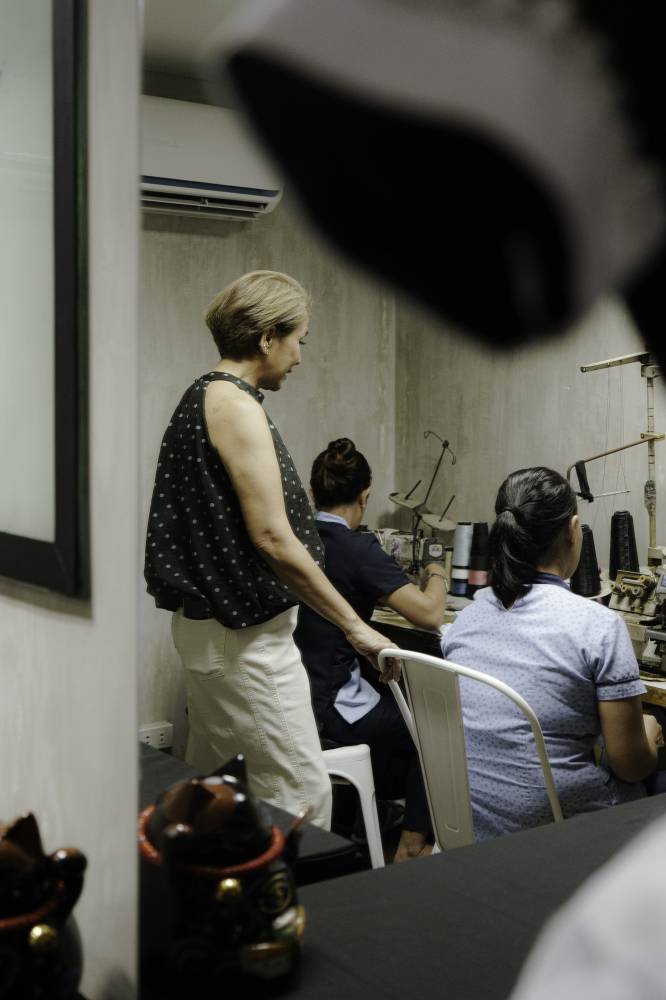
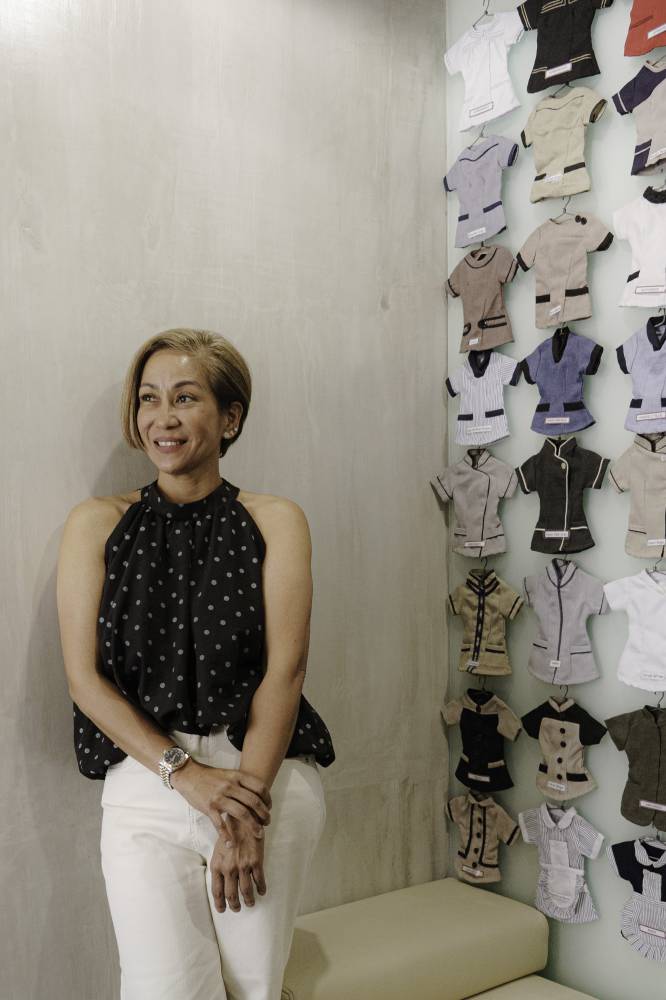
Few understand this better than Lani Velasco, founder of Lil Kiks Uniform, the original maker of high-quality household staff uniforms since 2004.
Her inspiration came from her own yaya, who had been with her family for more than three decades. “She would travel with me wherever I went,” Velasco recalls. “I wanted her to look neat, elegant, and presentable while still being comfortable in what she wore every day.”
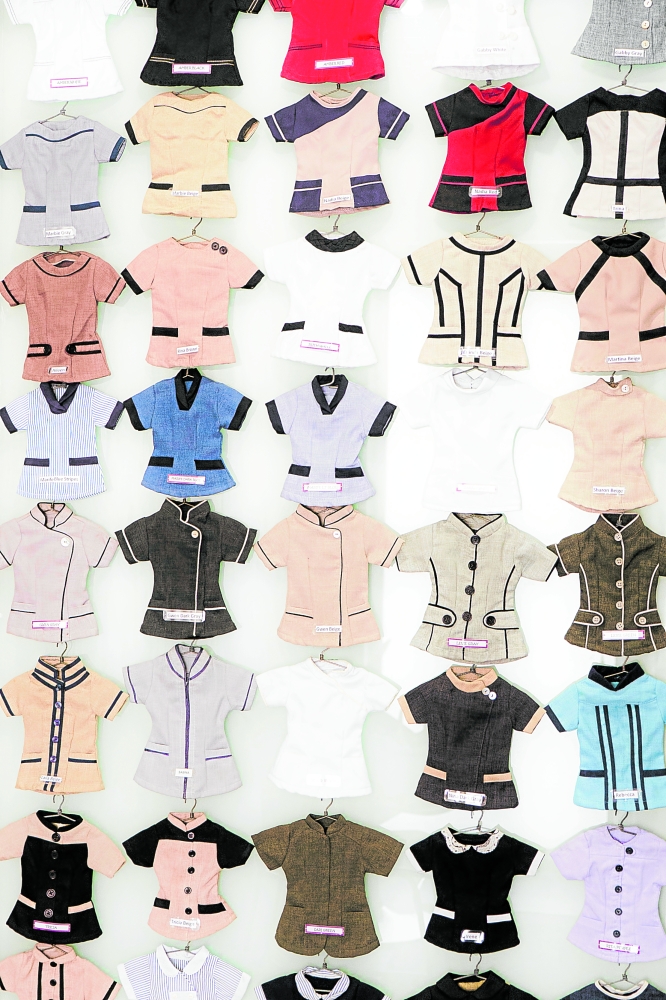
At that time, most available uniforms were either plain, uncomfortable, or resembled medical scrubs. But Velasco saw an opportunity to create something different—uniforms that combined practicality, dignity, and comfort in the Philippine climate.
Reframing a conversation on household uniforms
What began as a personal project eventually became a business. Yet behind the garments was a larger belief: When people feel good in what they wear, they tend to carry themselves differently.
That belief remains relevant today.
For some household staff, wearing a uniform may be a new experience. Others may initially associate it with outdated stereotypes or worry that it labels them simply as “the helper.”
But this conversation needs reframing. Hotels invest in uniforms. Fine dining restaurants invest in uniforms. Airlines, luxury retailers, and private clubs do the same. Not because uniforms diminish the people wearing them, but because they communicate professionalism, consistency, and pride in one’s role.
The home deserves the same mindset. A well-considered household uniform quietly communicates that the work being done matters and that the person doing it matters, too.
Confidence, however, begins with comfort. One of the most overlooked aspects of a household uniform is fit. Many employers have experienced uniforms that were too loose, too tight, too warm, or simply uncomfortable. A poorly fitted uniform often ends up unworn regardless of how attractive it looks.
The opposite is equally true. I have seen household staff light up after receiving a properly tailored uniform. One seemed almost to dance as she walked. The difference was not vanity. It was the confidence that comes from wearing something that fits well, feels good, and was made with care.
It’s all in the details
Every household operates differently, which is why a one-size-fits-all approach rarely works. A nanny caring for children in an air-conditioned bedroom may have different needs from a housekeeper engaged in more physical tasks. In our own home, we once provided hoodies for staff members who spent long hours in cooler indoor spaces. Comfort mattered just as much as appearance.
Some households may even benefit from having two uniforms: one for everyday household work and another for receiving guests, dining service, travel, or special occasions.
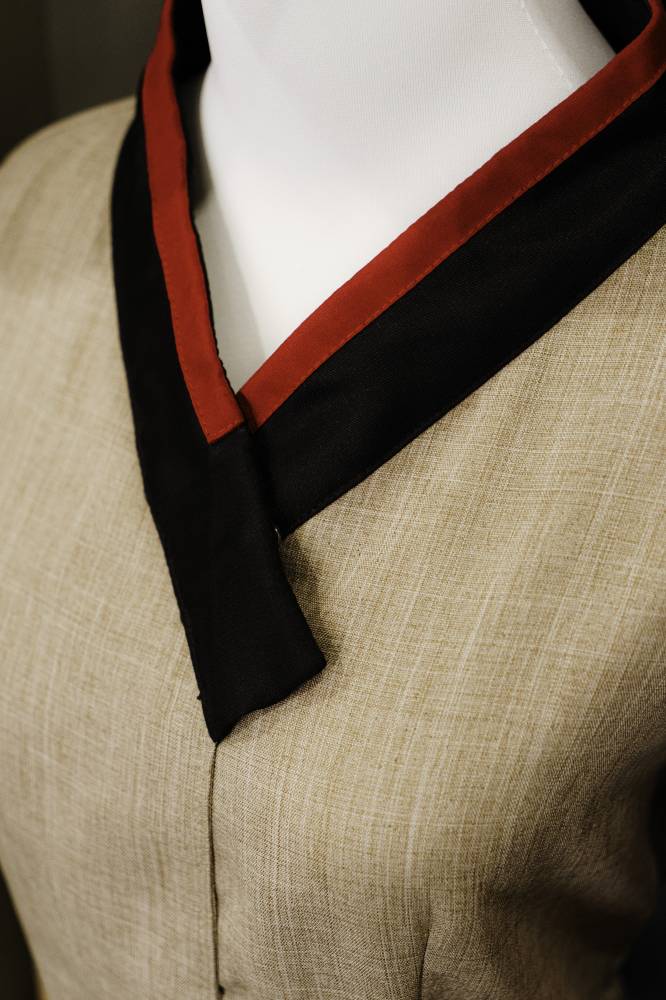
The details also matter. Breathable fabrics suited to the tropical climate. Deep pockets for handkerchiefs and daily essentials. Comfortable rubber-soled shoes that reduce fatigue and improve safety. Thoughtful tailoring that allows freedom of movement.
These details may seem small individually, but together, they can significantly improve daily comfort and performance. This is where bespoke makers such as Lil Kiks continue to stand apart.
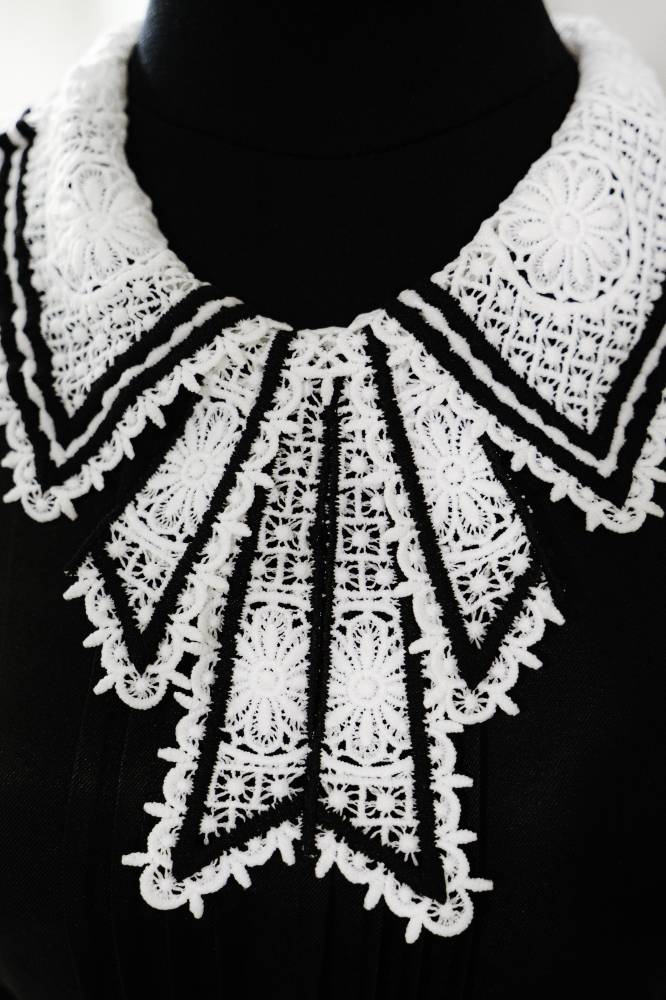
Staff members may visit the shop for measurements or provide them remotely. Within about a week, uniforms are produced with the wearer and household in mind. The result is not simply clothing, but a uniform tailored to the rhythm and requirements of a particular home.
Consistency, comfort, ease, and respect
Interestingly, many household helpers themselves appreciate having a uniform for reasons employers may not immediately consider. A helper once shared with me that wearing a uniform simplified her mornings. She no longer had to think about what to wear each day and spent less money purchasing separate work clothes.
The benefits, in other words, extend beyond appearance. A uniform creates consistency. It simplifies routines. It provides comfort. It contributes to safety. Most importantly, it communicates respect.
When Velasco enters a home and sees household staff in clean, well-maintained uniforms, she immediately senses something about the family within. “It speaks volumes about the culture, values, and character inside that home,” she says.
And I agree. The best households understand that hospitality begins long before guests arrive. It begins with how people are treated behind the scenes. Some may view household uniforms as a practice from another era. Yet perhaps the question is not whether they remain fashionable, but whether they continue to serve a purpose.
They do. Not because tradition demands it, but because presentation, comfort, professionalism, and dignity still matter.

A household uniform is not ultimately about fabric, stitching, or design. It is about the person who wears it. The helper who watches over children while parents work. The housekeeper who quietly maintains order. The driver who ensures safe passage through the demands of daily life.
These roles rarely seek recognition yet they form the structure of everyday living.
The uniform simply makes visible what has always been true—that the thread holding a home together is often the very person wearing it.
Lil Kiks Uniform is located on the 2nd Floor, Petron Dasmariñas Village, EDSA corner Pasay Road (Arnaiz Avenue), Dasmariñas Village, Makati City. You may reach them at +63 917 810 9599 or via Instagram @lilkiks2022
Uniform standards in a private home by The Daily Butlery
1. Wear a clean, freshly washed, and well-ironed uniform in good condition.
2. Ensure proper fit and correct uniform completeness before starting work.
3. Use skin-tone underwear only; avoid prints, black, or visible undergarments.
4. Wear clean, comfortable footwear suitable for work—preferably with rubber soles—that is easy to put on and remove.
5. Keep hair clean, dry, and neatly tied at all times.
6. Maintain personal hygiene using mild soap, shampoo, and deodorant; avoid perfume.
7. Use an apron when cooking, setting the table, cleaning, and washing dishes.
8. Wear white cotton gloves when setting the table and handling tableware and glassware.
9. Keep a muslin cloth or handkerchief for sweat, and a pocket notebook with a pen for reminders and learnings.
10. Wear the proper uniform appropriate to the task, environment, and climate. Use suitable layers such as a cardigan, jacket, or hoodie when working in air-conditioned or cooler conditions.


