









The week before fashion week

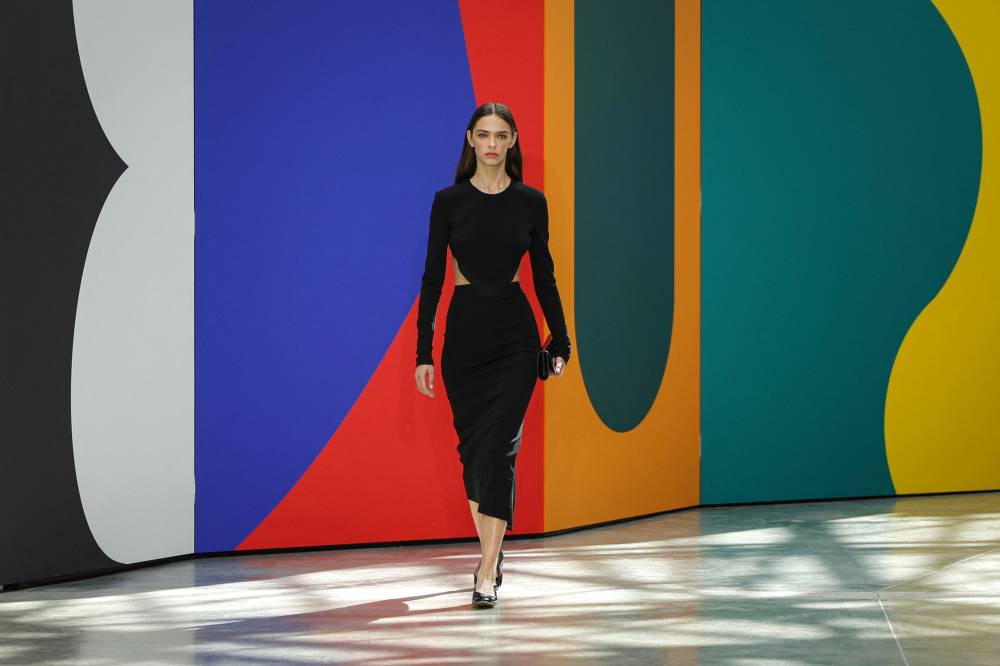
The real fashion week starts before the first show, before the seating charts, before anyone pretends they are not checking who is sitting front row. It starts in the week before, when the industry is technically quiet but emotionally unhinged.
Garment bags line the hallways like they are already late. Stylists are triple-booked and pretending they are not. PRs are refreshing inboxes, waiting on confirmations that may or may not come. Designers are still adjusting hems, rethinking shoes, and wondering if one look should be cut entirely. Everyone is working, no one is sleeping, and somehow the illusion of effortlessness must survive.
This is the in-between moment fashion rarely admits to. No applause yet, no verdicts, no viral clips to hide behind. Just pressure. The kind that shows up in last-minute fittings, in “casual” outfit planning that is anything but casual, in the way people start measuring themselves against a schedule that has not even officially begun.
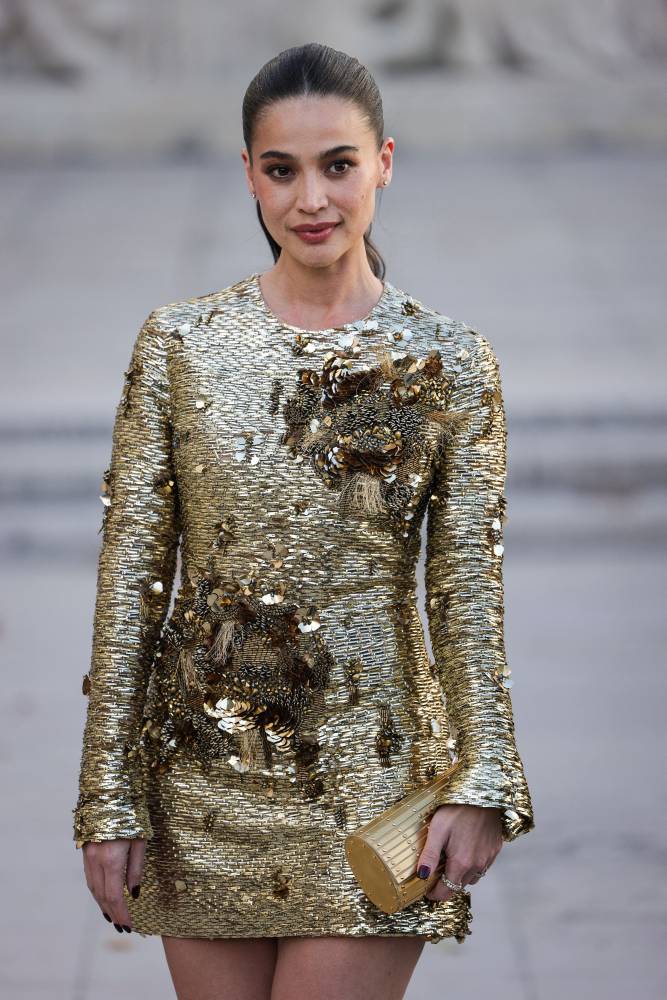
The week before fashion week exposes who is scrambling and who is already 10 steps ahead. Who is exhausted before the doors even open? Who is still chasing relevance and who is quietly confident enough not to? It is when fashion feels less like a performance and more like a stress test.
By the time the lights go up and the cameras start flashing, everyone will pretend this part did not happen. But it did. And if you really want to understand the industry, this is the week to watch.
Fashion week did not always look like this. Before the street-style frenzy, before the influencer grids, before outfit changes timed for camera flashes, it was a closed system. Buyers came to place orders. Editors came to take notes. Designers showed collections to people who actually needed to see them. The clothes were the story, and everything else was secondary.

Somewhere along the way, the ecosystem expanded. Fashion week became public-facing, performative, and increasingly digital. The shows stayed the same length, but the week around them grew louder. The days before the first runway—once logistical and forgettable—turned into their own moment. Not official, not scheduled, but deeply telling.
That is where the real style shifts begin.
There is also a very specific kind of dressing that happens during this week. Not the headline. Not the archive pieces pulled for day three. This is pre-fashion-week fashion–the uniforms of people who are “not trying,” while clearly trying.
Oversized coats worn slightly open, as if you just threw them on. Sunglasses indoors, laptops under arms, tote bags heavy enough to signal importance. Stylists in worn-in jeans and tanks that look accidental but are not. Editors are already dressed like it is day two of shows, testing silhouettes in advance. Everyone is rehearsing their version of effortlessness.
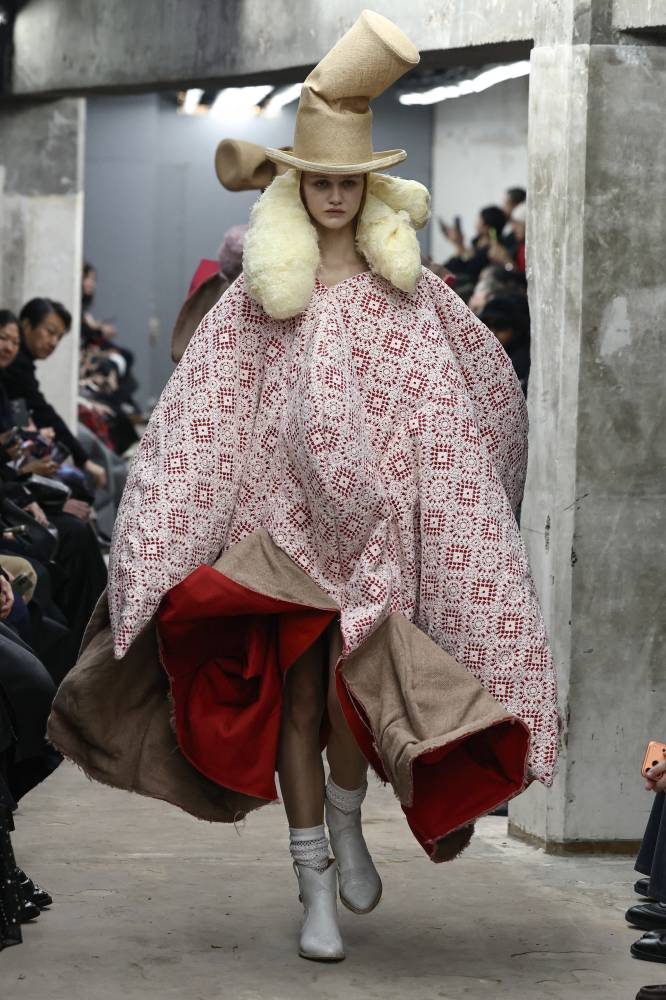
This is when you see the hierarchy most clearly. The people who do not need to prove anything dress quietly. The ones who do, dress louder. Logos are either everywhere or nowhere at all. You can tell who is dressing for the front row and who is dressing for the job.
This is also the moment when certain brands quietly dominate—not on the runway yet, but in motion. The Row coats folded over arms in airport lounges. Old Prada nylon worn into the ground, not styled, just lived in. Vintage Margiela pieces pulled out like inside jokes. Bottega Veneta bags without logos, beaten up enough to prove they have history. These are not “looks,” they are tells.
You will not see the season’s newest collection yet. What you see instead is allegiance. People dressing in the brands they trust, the designers they believe in, the pieces that feel like armor before the spectacle begins. The choices are intentional, even when they look accidental.
What makes this week fascinating is that no one is dressing for the camera yet—they are dressing for each other. For recognition. For credibility. For the unspoken understanding that if you get it right now, the rest of the week will follow.
By the time fashion week officially begins, these outfits will be forgotten. But this is where the tone is set. Where confidence is tested. Where fashion quietly tells you who is ready—and who is about to be exposed.