











The year women took over the watch market

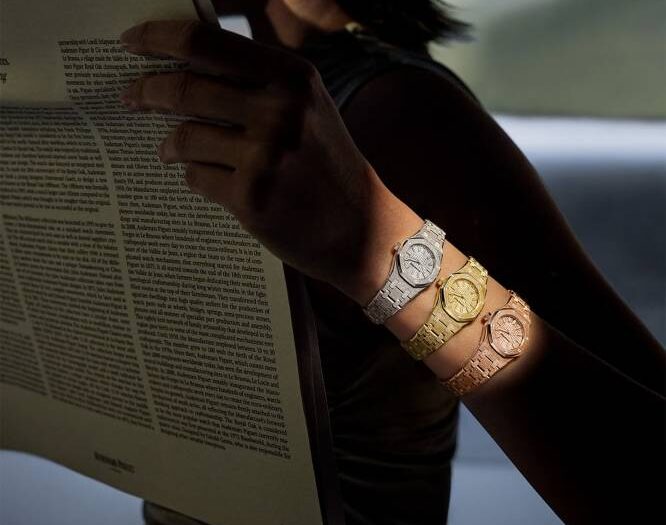
For more of its history, the luxury watch industry told a very specific story. Watches were engineered for men—marketed through precision, performance, and legacy. Complications, movements, craftsmanship: The language was technical, almost mechanical in its exclusivity.
Women, if included at all, were offered something adjacent. Smaller cases. Quartz movements. Diamond-set bezels that framed the watch as jewelry rather than an instrument.
The message was subtle, but clear: men collected, women accessorized. But that distinction is starting to collapse. Because increasingly, women are not just participating in the watch market. They are driving it.
Natural extensions of personal style
Over the past few years, women’s share of luxury watch purchases has grown significantly, with industry estimates suggesting that women now account for roughly a third—and in some markets, closer to half—of buyers.
More importantly, they are not limiting themselves to the categories traditionally designed for them. They are buying the watches that were never meant to be theirs.
Walk into any boutique today, and the shift is visible. Women are trying on larger case sizes. Asking about automatic movements. Requesting waitlist pieces historically associated with male collectors. The interest is not performative. It is informed. And it is intentional.
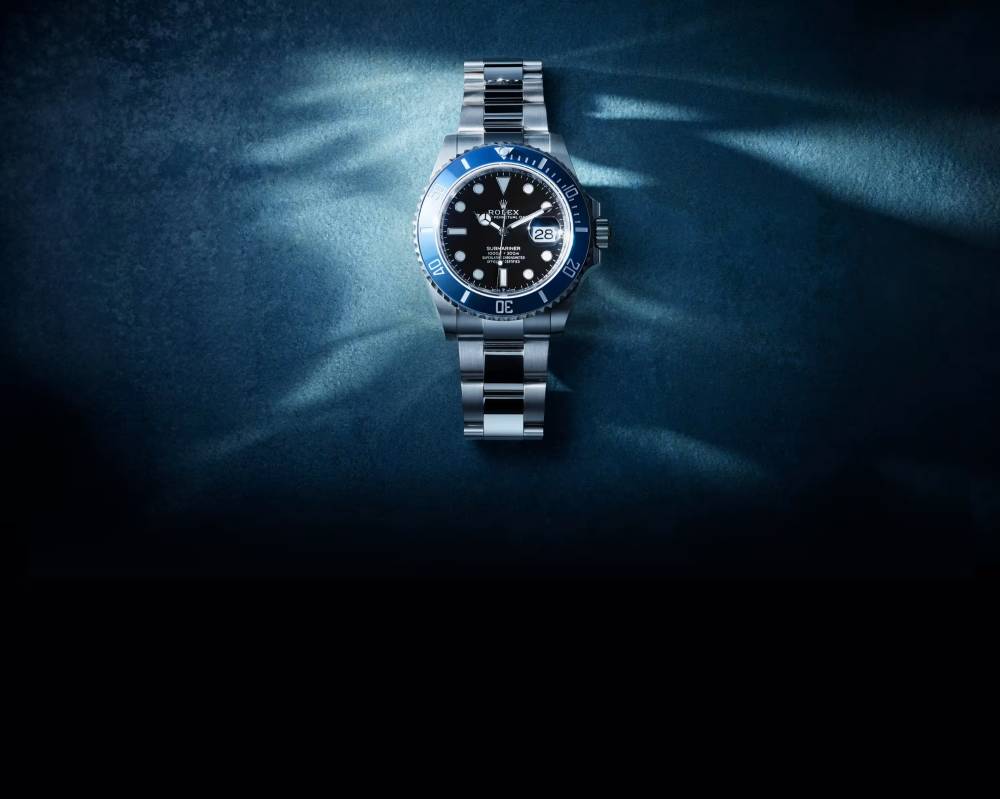
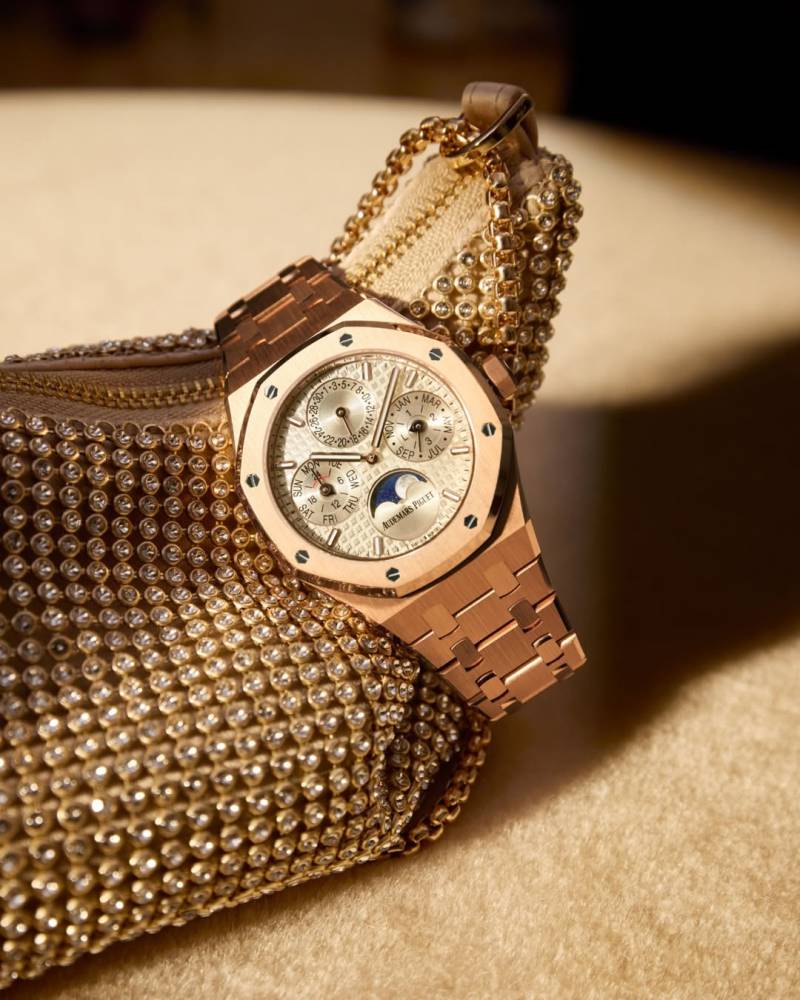
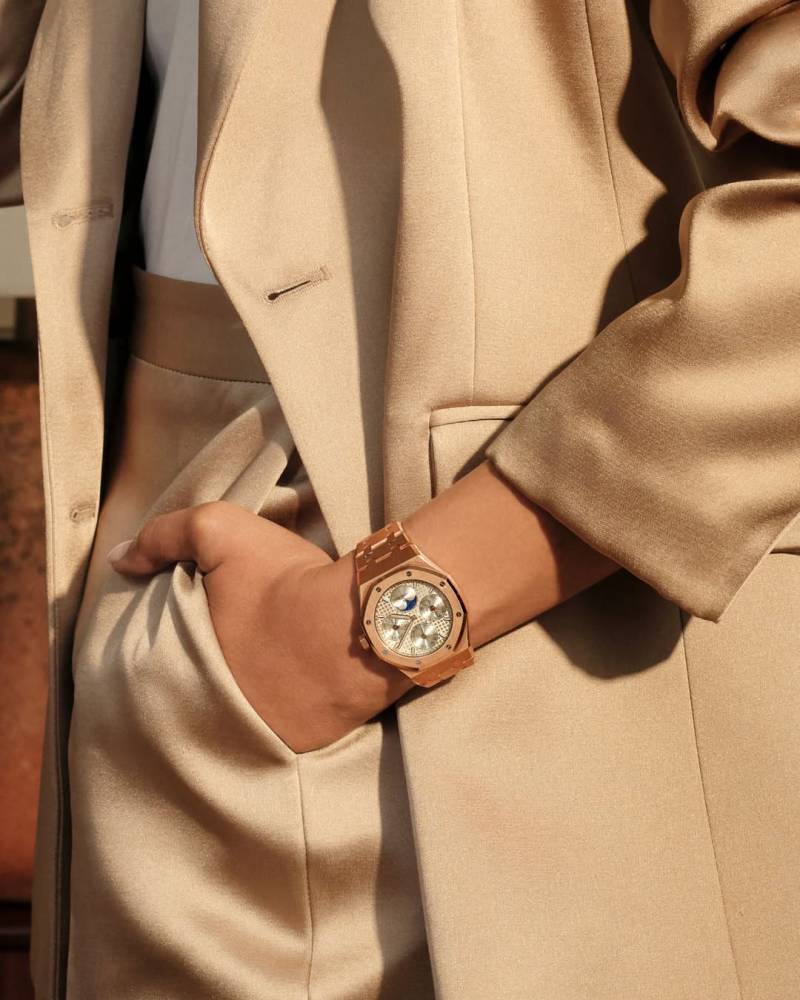
Take models like the Rolex Submariner or the Audemars Piguet Royal Oak—watches long positioned as masculine icons. They now appear just as frequently on women’s wrists, styled not as oversized statements but as natural extensions of personal style.

Rejecting limitation, shifting cultures
The appeal is not about borrowing from men. It is about rejecting limitation. Larger watches offer presence. Weight. A sense of permanence that smaller, more decorative designs often lack. They feel less like accessories and more like objects—something to own, understand, and keep.
There is also a deeper cultural shift at play here.
Fashion has been moving toward a more fluid relationship with gendered design for years. Tailoring, footwear, and even handbags have crossed traditional boundaries. Watches, however, remained one of the last strongholds of gender segmentation—partly because of their technical heritage.
But as more women enter the conversations about collecting, investment, and horology, that boundary feels increasingly outdated.
A universal collector mindset
Knowledge is no longer gatekept. Women today are as likely to discuss movement and calibers as they are to consider aesthetics. The rise of online forums, resale platforms, and watch-focused media has democratized access to information. The collector mindset—once framed as male—now feels universal.
And with that shift comes a change in how watches are valued. It is no longer just about sparkle or size. It is about longevity. Craft. Resale. Story.
A steel sports watch holds its value differently than a diamond-set piece. An automatic movement carries a different kind of prestige than quartz. These distinctions, once emphasized primarily in male-targeted marketing, now inform how a broader audience approaches buying.
And brands are noticing that.
More than just aesthetics
Historically, women’s watch categories were defined by downsizing—smaller diameters, lighter builds, decorative detailing. Now, brands are expanding offerings in the opposite direction. More unisex sizing. More mechanical options. More design continuity across men’s and women’s collections.

Even the language is shifting. Less “for him” and “for her”—more “classic,” “sport,” “icon.” Because the consumer has changed. She is not looking for a “women’s watch.” She is looking for the watch. And often, that means choosing pieces that were once coded differently.
There is also an element of independence in the way women are entering the market. Watches, unlike many luxury categories, carry a strong association with self-purchase. They mark milestones—promotions, personal achievements, financial autonomy.
Buying a watch is not just aesthetic. It is symbolic.
And for women navigating careers, building wealth, and defining success on their own terms, that symbolism resonates. Especially when the watch itself is not confined by outdated categories.
Reshaping perception and choice
This does not mean that traditionally feminine designs will disappear. There will always be space for smaller cases, jewelry-inspired pieces, and decorative watches. But they are no longer the default. They are a choice.
And that distinction changes everything. Because when a consumer has the freedom to choose—across sizes, styles, histories—the purchase becomes more meaningful. More deliberate. More personal.
The luxury watch industry spent decades marketing to one type of buyer. Now, the buyer has expanded. She is informed. She is decisive. She is interested in more than surface-level design. And she is not waiting to be told which watches are meant for her. She is deciding for herself. And in doing so, she is not just entering the watch market.
She is reshaping it.