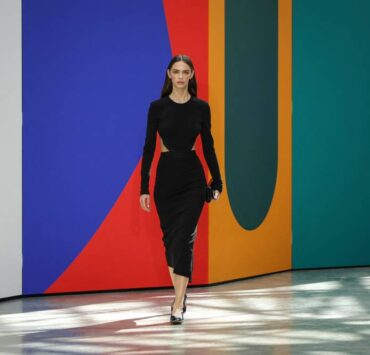










This 2026, the luxury market is shifting to brands that bank on emotion


Luxury is changing, and fast. While global luxury spending remains resilient at €1.44 trillion in 2025 according to Bain & Altagamma, the market of the rich is no longer defined by conspicuous logos or mass appeal. This is despite all the economic and geopolitical uncertainties, as the growth of the market is projected to grow four to six percent annually over the next decade.
Today, authenticity is the new prestige. Consumers are prioritizing experiences, identity, and personalization over generalized fashion statements. And brands that recognize this shift are rewriting the rules of how the luxury market plays.

Experiences over possessions
The post-pandemic era revealed a clear trend, where people want luxury that they can live through, and not just wear on their backs. Bain reported that consumers are increasingly choosing “experiential indulgence” like fine dining, wellness retreats, and luxury travel, from cruises to overnight train rides—all over traditional goods like cars or handbags.
People are choosing objects that make a statement about themselves. Within the personal luxury market, jewelry leads the charge with four to six percent growth annually, driven by emotional resonance and customizable designs. Eyewear, also a statement of individuality, is set to grow from two to four percent.
As Claudia D’Arpizio, Bain senior partner, explains, “After the shopping spree era, experiences and emotions have become the true engine of luxury growth.” Luxury is no longer about owning, but about feeling, connecting, and creating memories, all in a more discerning way.

Personalization and micro-communities
Broad targeting is dead. The modern luxury consumer expects intentional, personalized messaging at every touchpoint. McKinsey highlights the rise of micro-communities, aka small, highly engaged groups centered on shared values, tastes, and lifestyles. McKinsey finds that these communities see 4.2x higher engagement, 2.7x higher purchase intent, and longer retention cycles than broad audiences. So you can expect this client to stay loyal to you, too.
We’re seeing niche brands that operate on ethics, quality, and a unique sense of style flourish in the coming years, starting now. And this means luxury consumers need to feel emotionally connected to the story, grounded by a community they can trust.
This means that luxury is bought with meaning and not just money. Another Deloitte report showed “emotionally aligned brands” grow 2.2x faster, and increase pricing power by 23 percent. These just confirm how luxury consumers are choosing identity, transformation, and belonging over simply attractive products.

Authentic retail
Physical retail is also slimming down. According to Bain, monobrand stores have reduced 25,000 square meters globally, and US department stores cut 10 percent of space since 2024.
Meanwhile, outlets are thriving with their bang-for-buck deals of once unattainable luxury brands. Immersive flagship stores are thriving too, credited to their sense of emotion and personalization. Think tables where you can customize your shoes like Golden Goose, or Gentle Monster’s stores that often use huge sculptures in their store design.
Online channels remain steady post-pandemic, too, but especially those with high-fidelity digital experiences, from a website’s UX to social media proof from the right people.
What we’re seeing now is retail with a little more intention and a lot more creativity. And it’s clear that plain Jane store displays just won’t do it anymore.
Regional shifts
Regionally, luxury growth is uneven, but showing promise, as well as the importance of contextualization of the country.
According to the Bain report, the Middle East shows the strongest growth at four to six percent, fueled by tourism and local demand. While in the US, domestic demand is supporting the market, and is steady at zero to two percent. China is also set to contract between three to five percent, as consumers pivot to local, accessible brands in experiential categories.

Europe, meanwhile, is dipping from one to three percent due to geopolitical uncertainties and cooling tourism. Together, these shifts suggest luxury growth is no longer so universal, but highly contextual, dependent on trends of individual consumers within the country as well.
Brands leading the way
Certain modern luxury brands are proving that authenticity sells, with case studies including Loro Piana, which has ridden on the “quiet luxury” narrative and succeeded, without any loud campaigns. Then you have brands like Aesop, which has built a loyal community around slow, intentional experiences and fantastic store design.

While certain luxury car sales have dropped, Aston Martin experienced a 21 percent sales increase. Their approach steered away from focusing on new car models, instead repositioning their marketing in a manner that focused on beauty, history, and emotions.
For all of these brands, many experienced success through word of mouth or on an if-you-know-you-know basis, as well as social media campaigns on video, with creativity that’s striking enough to catch the attention of the luxury consumer.

The luxury playbook for 2026
So are we expecting really big changes in the world of luxury for 2026?
Luxury in 2026 is leaning toward the personal, while still purposeful, but always emotionally resonant. Consumers are demanding brands that understand them. As Bain notes, “Entertainment, emotion, and ethics are the real sources of value.”
That said, the brands that deliver on all three will be a part of the next era of luxury.