











This is the best way to explain sports nutrition to people

I had a problem: I’ve been an athlete for the better part of 12 years, but because I didn’t actually grow up as an athlete—I got into organized sports long after I graduated high school and college, so I didn’t enjoy varsity guidance—I barely knew what I was doing.
In local pro wrestling, we weren’t staffed with proper coaches, nutritionists, and dietitians until much, much later. So for most of my career, I wasn’t going out there and performing to the best of my ability because I wasn’t fueling properly. And because I had anxiety, early on, I thought it was just much better if I barely ate on days I had matches because it meant I wouldn’t have had to deal with anxiety-induced diarrhea.
Obviously, that was wrong. I even did an entire match early in my career without eating the whole day and paid dearly for it. But even as I ended up being more comfortable and actually started eating before matches, I didn’t really know what I should have been eating. There were times when I thought protein was enough to sustain myself during intense training sessions—and I was quickly proven wrong.
Ironically, I write a lot about sports, exercise, and nutrition, but I still fail to grasp what should have been the basics of fueling for performance. Or maybe I did read up properly, but ended up forgetting what I should have retained.
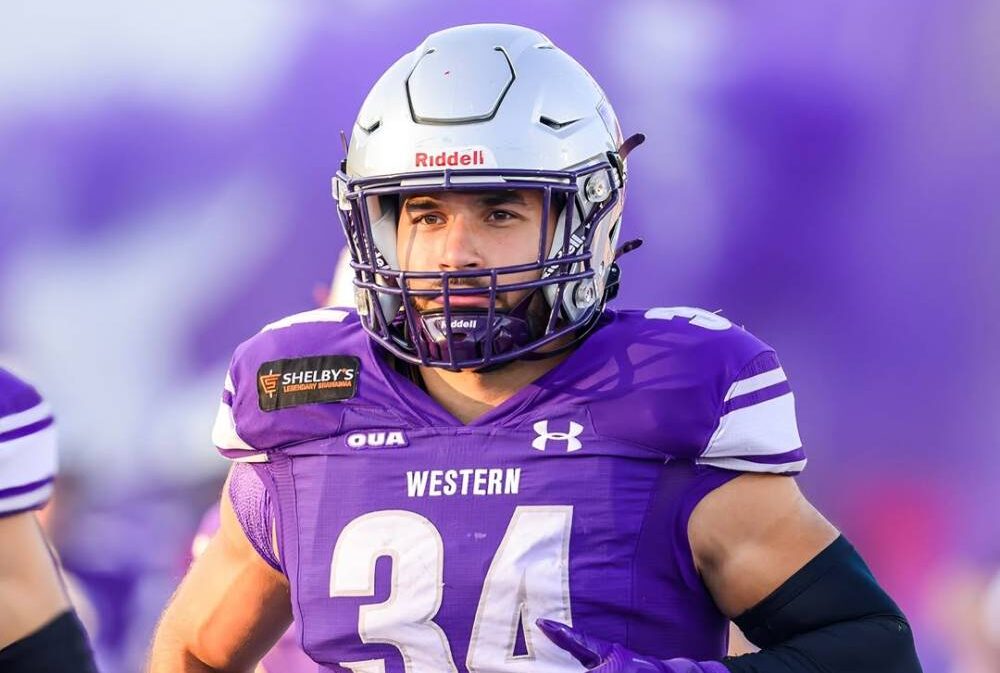
Enter Josh Gillam: a football player and master’s student taking up nutrition and dietetics at Western University in Ontario, Canada.
Sports nutrition like The Incredible Hulk
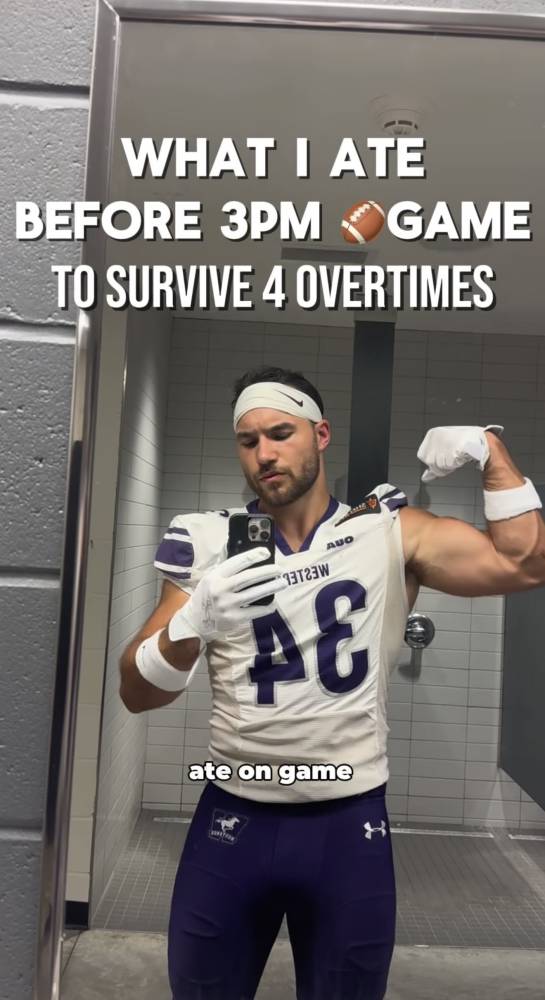
Gillam appeared on my radar earlier this year when one of his Instagram reels broke through—a quick video that explained pre-game energy fueling, but with a twist: He talks as though “we have CTE (Chronic Traumatic Encephalopathy),” so he discusses the basic concepts in caveman-speak. That means he’ll say things like “carbohydrate, good” and “protein give no energy.”
That sounds funny, but I kid you not; this is also really, really effective.
While most websites and fitness magazine articles often write these things in a way that’s also easy to understand, sometimes the overload of information you’ll get means your brain might subconsciously be fighting to retain all the concepts you need to remember.
I’ve written a lot—for example, about how to consume protein for optimal muscle building and recovery—but I still struggle to internalize all the complex ideas I’ve shared, such as the numbers involved, and sometimes have to look them up every time I’m starting a new routine. Gillam speaking slowly and diluting it to the very essence of what he needed to get across worked wonders for my understanding.
And as a student who’s actually taking up the program and studying the science, once somebody asks clarifying questions in his comments, he’ll quickly come up with the full idea behind what he’s saying. For example, when he says “Gatorade before game, good,” he’ll tell you in the comments that the drink is specifically formulated with both electrolytes and carbohydrates to enhance performance.
In short, he sounds dumb, but he actually knows his stuff. He looks the part, too, as his body is sculpted for both aesthetics and performance, proving that he understands and applies everything he’s telling us.


Funny as it sounds, he knows his stuff
And reader, when I tell you, it did not just click—it was really easy for me to retain information. It started changing my sports performance.
Now I’m chugging Gatorade on an empty stomach when I do my morning workouts (I just don’t have the time to do breakfast) and surviving the intense routines (at the very least). I’ll carb-load a little bit to get through an entire afternoon of wrestling training, and make sure to do the same a couple of hours before my matches. I still need to observe the overall effect, but I feel much better—and also a bit silly that I never really bothered to understand the finer points in my younger years. But better late than never.
And Gillam will also throw in the usual smart-sounding fitness creator content, too, especially when he has to start debunking claims and hate thrown his way. He even exhibits supreme self-awareness by telling people not to trust him simply because he wears a lab coat in most of his explainer videos, reminding them that what he’s saying is based on the science he’s studying and that we should all actually be trusting the science he’s relaying to us.
So if you’re an athlete and you’re still lost on how exactly to eat for the best possible performance, giving Gillam a follow on Instagram and TikTok at @gillamfitness and spending an hour or so taking notes from his most recent reels is a great way to get caught up.
But if there’s any criticism I could make, it’s that I wish he or someone else had thought of doing this much sooner—I probably would have been a much better athlete in my 20s if someone did.