









This is what Douyin makeup looks like in real life

I didn’t go to Shanghai looking for beauty trends. But somewhere between sitting at the coffee shops by West Lake in Hangzhou, navigating stores along Nanjing Road, and walking around Disneyland, I realized I was quietly taking mental notes. Not of statement outfits, but of the makeup looks—beautifully made faces that almost felt ethereal.
What struck me was how different it felt from the usual looks we’re used to seeing, seemingly an aesthetic of C-beauty in itself. Across ages and settings, the look repeated itself with subtle variations, like a shared visual language. This isn’t a trend report or a declaration of what’s next. It’s simply what I kept noticing, over and over again, moving through the city.
K-beauty versus C-beauty
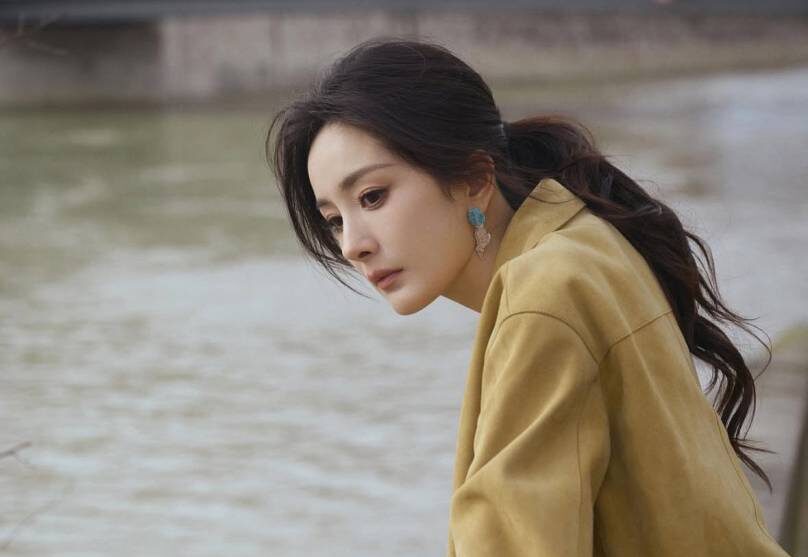
The first thing you notice is the skin. Not glowing or glassy in the way K-beauty has shaped global expectations, but porcelain clean. Complexions appeared even, calm, and meticulously refined rather than overtly luminous. There was a softness to it—a matte finish that diffused light instead of bouncing it back.
Many women seemed to be wearing a foundation shade slightly lighter than their natural skin tone, creating a brightened, unified look that felt intentional rather than accidental, like that of choosing the wrong foundation shade.
Coverage was kept thin and controlled. Up close, you could still see skin texture, real skin rather than something blurred into obscurity. But there was also the sense that many simply didn’t need much coverage to begin with. Skin looked remarkably clear and even, allowing makeup to enhance rather than conceal.
Unlike K-beauty’s dewy, high-glow complexion, the makeup here leaned powdery in the best sense—diffused, soft focus, almost airbrushed. Skin felt styled, much like hair or clothing, rather than heavily perfected.
Douyin, the epicenter of aesthetics
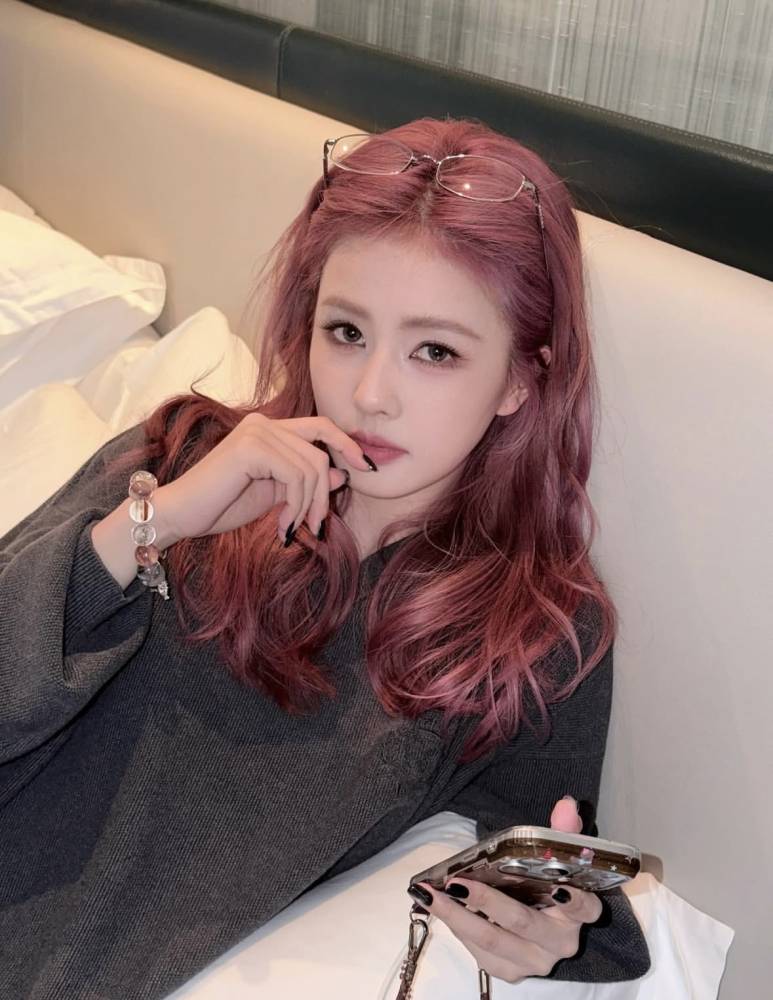
It’s hard not to connect this look to the influence of Douyin, China’s dominant short-form video app and the epicenter of many of today’s C-beauty aesthetics. Many of the techniques I kept seeing—like the porcelain skin, blurred edges, and softly exaggerated eyes—are familiar from the app, where makeup often appears hyper-perfect and almost surreal on screen.
But in Shanghai, those same elements felt edited for real life. The porcelain skin wasn’t glossy or overly filtered. The softness came from diffusion, not shine. The drama was dialed down, leaving behind something calmer and more lived-in. And that carried through the rest of the face. Hard lines were rare. Sharp contour, heavy bronzer, and aggressive highlighting were almost nonexistent. Instead, shaping was done precisely.
Contour appeared to be focused around specific areas, where the brow bone meets the eyebrow, and beneath the eyes along the natural shadow under the lower lash line. Rather than carving out cheekbones or jawlines, makeup softened features, creating depth without obvious structure. The overall effect was a balance of definition.
Face-framing features of Douyin makeup
If there was one feature that consistently stood out, it was blush. More often than not, it was the most noticeable color on the face. Placement tended to be higher on the cheeks, sometimes centered closer to the eyes or toward the middle of the face. The application was sheer and watercolor-like, never heavy or blocky.
Blush here wasn’t just about warmth. In many cases, it introduced a subtle sense of drama—soft, romantic, and expressive, without feeling loud.
Eye makeup, on the other hand, was where the look became especially distinct. Eyes clearly mattered, but not in the Western sense of full glam shadows and dramatic wings. Eyeliner stayed short and straight, extending just enough to define the eye without elongating it.
Eyeshadow was kept tonal, sheer, and blended until it melted into the skin. I noticed unexpected washes of color, soft blues and purples, often topped with just a touch of shimmer. The shimmer wasn’t glittery or bold—it functioned more like a veil, catching light gently as they turned their heads. Inner corners were highlighted, but instead of sparkle, many opted for a bright matte shade that opened the eyes cleanly.
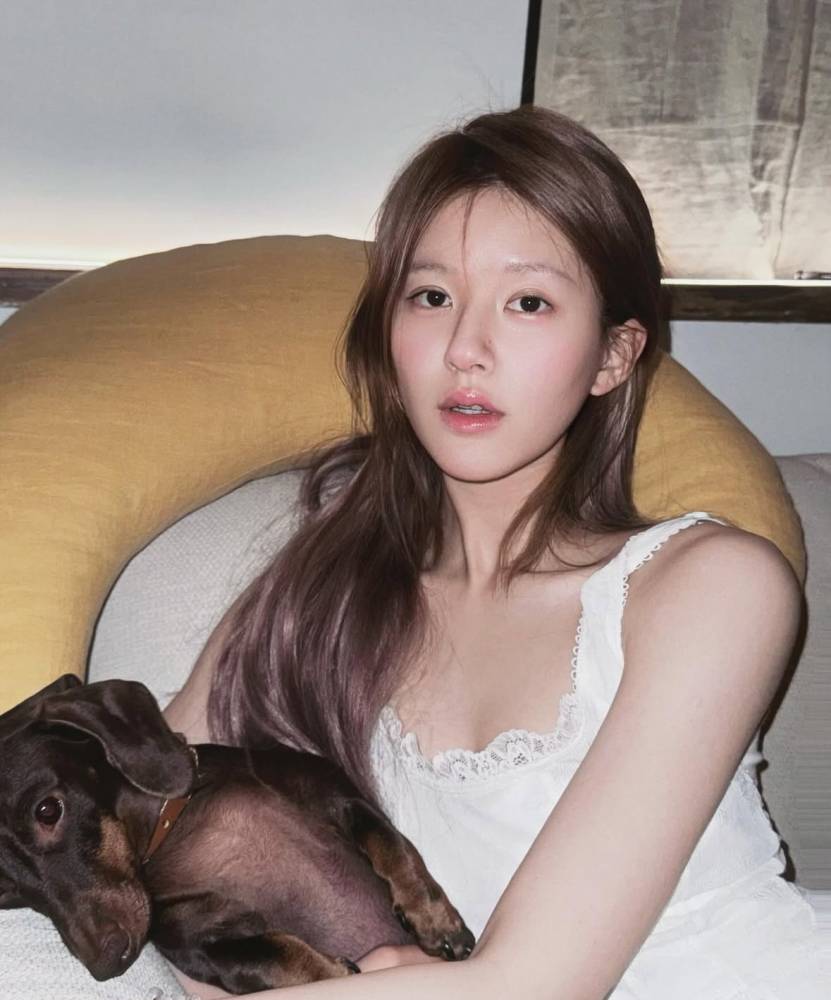
There was also a strong emphasis on the lower eye area. Shadow was often taken lower than usual, subtly defining the area beneath the eye and accentuating its natural fullness. Lashes followed the same philosophy, defined but never exaggerated. Minimal cluster lashes were placed strategically rather than applied for volume, often with emphasis on the lower lashes. The effect was rounder, softer eyes, doe-eyed rather than dramatic.
Brows played a quieter role but were just as intentional. Shapes were straight or softly rounded, with minimal arch. Density looked natural, never overly sculpted or sharply outlined. Brows blended seamlessly into the rest of the face, framing rather than dominating. They supported the makeup rather than competing with it.
Lips, like everything else, looked lived in. Crisp outlines were rare. Instead, blurred edges were everywhere, from daytime coffee runs to late-night dinners. Finishes leaned toward stain-like rather than glossy or ultra matte, and colors stayed within a muted, wearable range, rose browns, tea tones, softened reds. Lip makeup looked worn in, as if it had simply become part of the face rather than something freshly applied for effect.
It’s more about the feeling
What stayed with me after leaving wasn’t a specific look I wanted to recreate, but a feeling. The faces I kept noticing in Shanghai felt intentional without feeling styled, beautiful without asking to be looked at. There was a calmness to the makeup, a sense that nothing was trying to outperform the person wearing it.
Seen collectively, the aesthetic felt less like a trend and more like a shared visual rhythm. Compared to other beauty capitals where difference and distinction often take center stage, it didn’t rely on contrast or excess to stand out.
Shanghai’s makeup felt unified in a way that was distinctly telling of C-beauty—prioritizing harmony and personal style over spectacle.