








Threads of resilience: Filipino traditional patterns in contemporary fashion

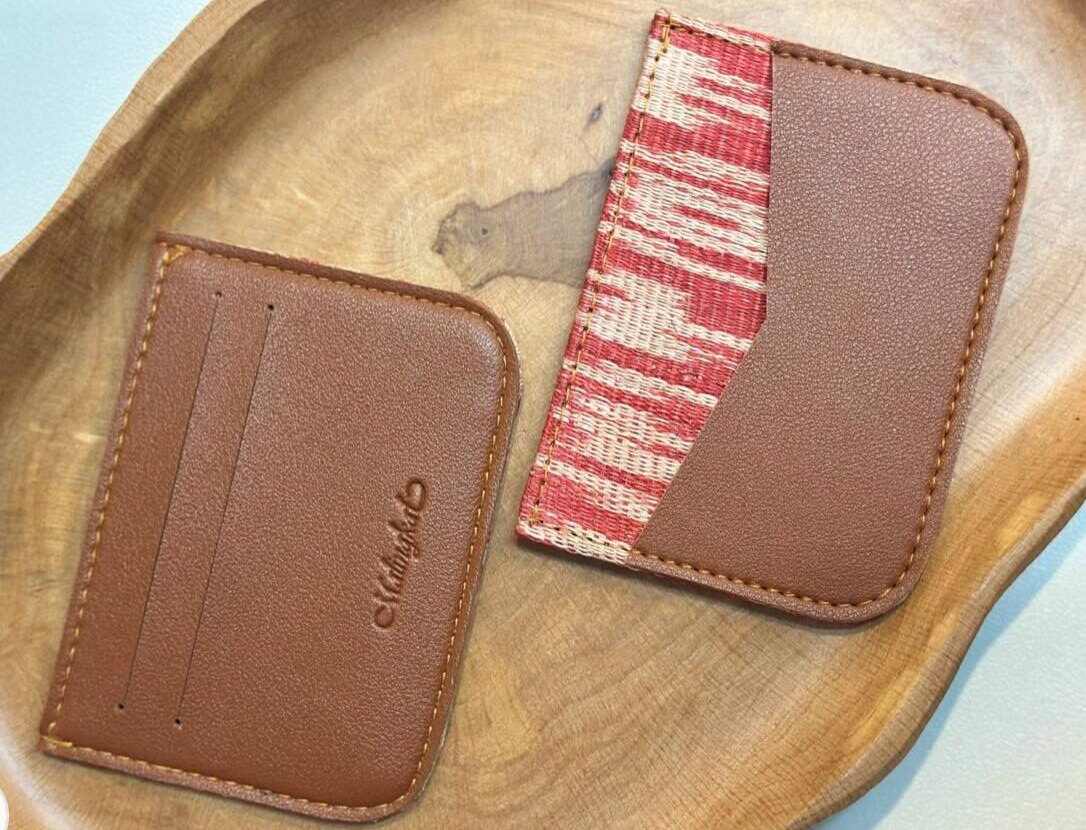
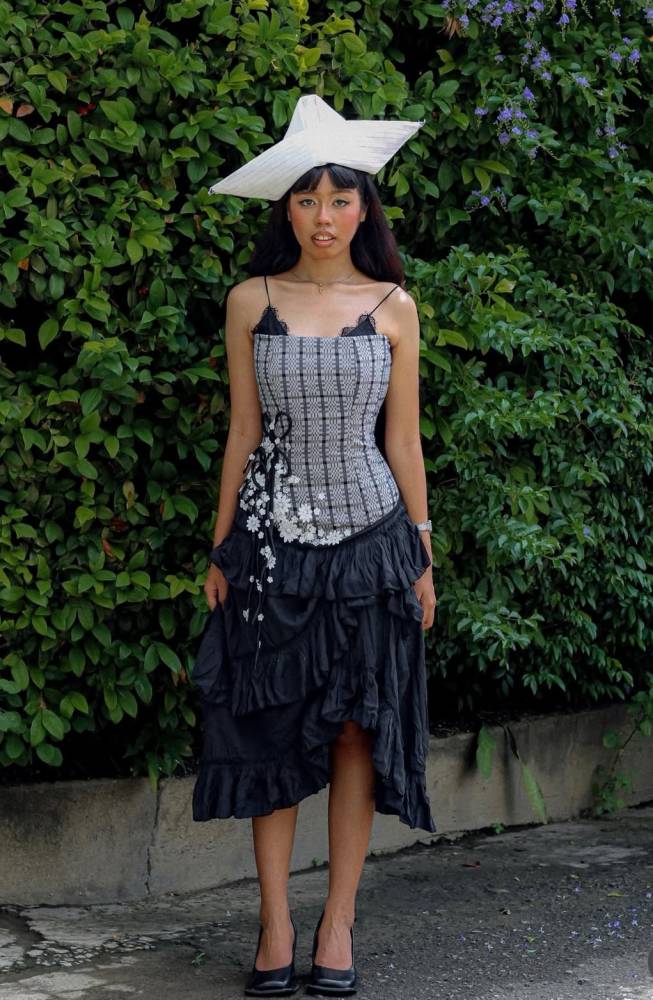
Patterns have always been a form of communication in fashion. Filipino traditional patterns, in particular, reflect belief systems, social values, and memory through design. Even today, traditional patterns demonstrate resilience, surviving centuries of change and finding new relevance in contemporary fashion.
Here are some of the traditional Filipino patterns that have been seamlessly woven into the fabric of today’s fashion scene.
T’nalak
Among the T’boli of South Cotabato, the Tt’nalak pattern is a form of cultural language. It is created on abacá cloth using a resist-dye technique, with designs believed to come from dreams sent by Fu Dalu—the spirit who guards the plant—that are then interpreted by designated “dreamweavers.” T’nalak is traditionally used in weddings, healing rituals, and other pivotal life events.
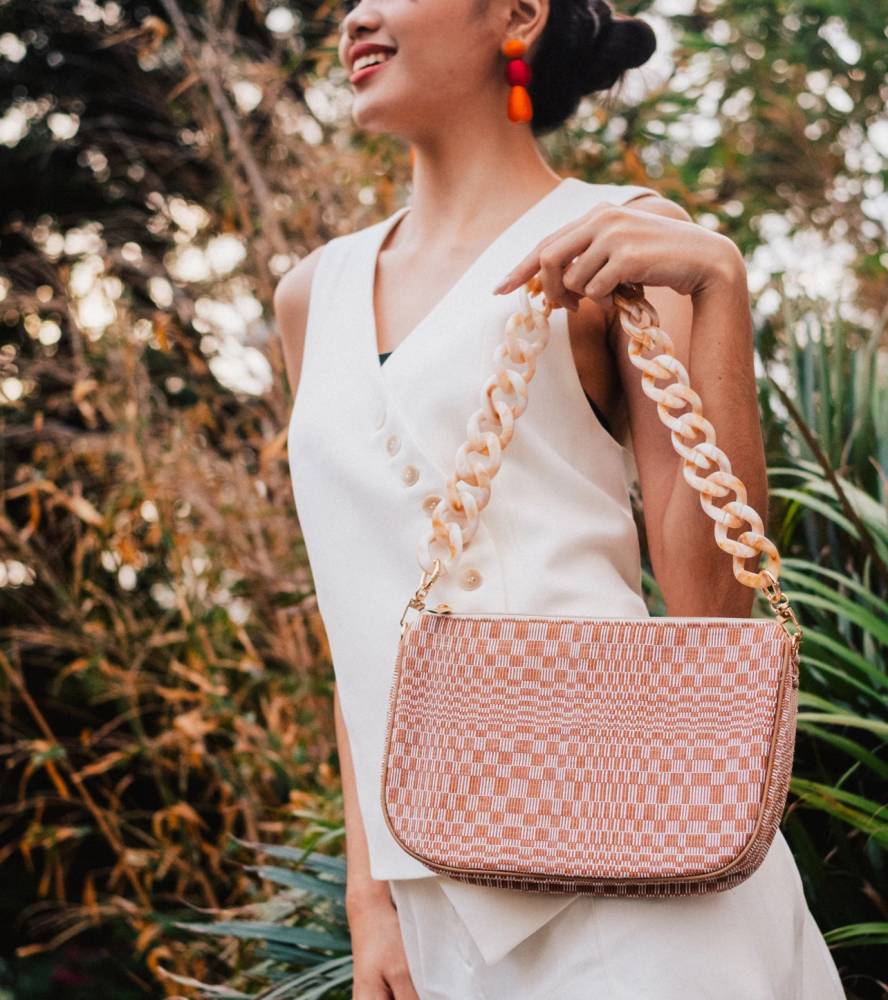
Binakol
Found in Ilocos inabel weaving, the binakol pattern is recognized for its illusion of spinning whorls and was believed to repel evil spirits, protecting the wearer.
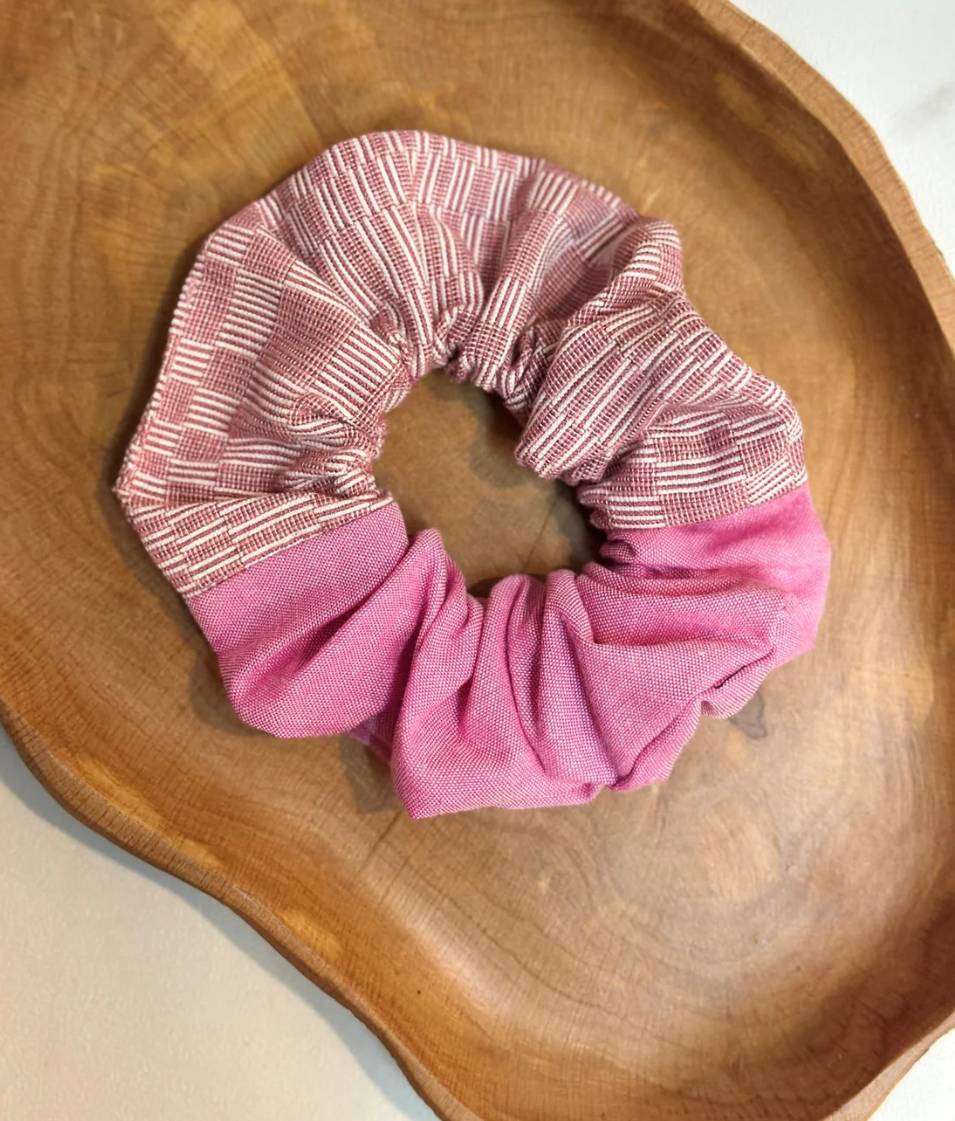
Bunga sama
The bunga sama pattern is one of the most intricate designs created by the Yakan of Basilan, marked by dense motifs drawn from plants, grains, and animals. Once reserved for people of high status, it symbolizes abundance and social standing.
Pis syabit
The Tausug’s pis syabit features interlocking stars and polygons, reflecting Islamic design principles. It also signifies discipline, mental focus, and cultural pride.
Tinaggu
The tinaggu pattern depicts a human-like figure, symbolizing the Ifugao ancestors, believed to hold a semi-divine status. The motif reflects ideas of guidance and protection passed through generations.

Binanniya
The binanniya pattern takes the form of a lizard, an animal associated with wealth and status among the Ifugao elite or kadangyans. The pattern is rooted in a legend where a lizard sent by the gods showed the Ifugao how to build their rice terraces.
Tagten
The B’laan’s tagten patterns feature tiny stars, evoking celestial landscapes and creation myths. These motifs connect the wearer to ancestral cosmology.
Read the full feature on lifestyle.inquirer.net