






Three brides, three seasons of becoming

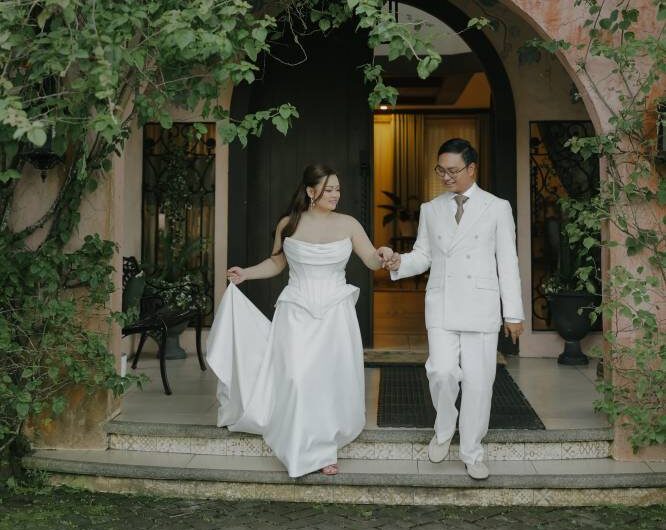
Who are you after the wedding is over? After the gown is stored, the thank-you notes are written, and the last “Congratulations” message is answered, who are you when there is nothing left to plan and no one left to impress?
In that moment, what remains is not the flowers, not the dress, not the carefully folded napkins. What remains is what the season changed inside her.
We talk about weddings as events. We post the photos. We rank the venues. We save the tablescapes. Rarely do we ask what the process actually does to a woman.
This story is not about one wedding. It is about three Filipina brides standing in different seasons of the same rite of passage. One just finished. One stands between two cultures and two ceremonies. One is still planning from across the world.
Together, they reveal what no bridal mood board ever will.
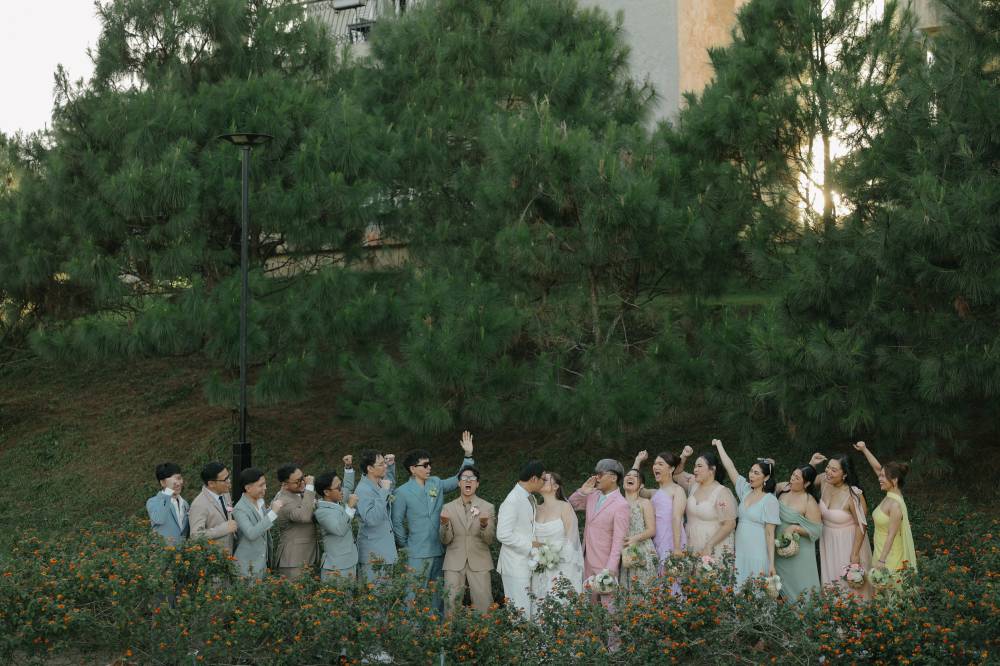
After: Yani Moya-Cuenca and the wedding high
Yani did not expect the wedding high. Not the kind fueled by adrenaline or exhaustion, but something softer and more overwhelming. After her three-day celebration, she found herself surprised by the depth of love that lingered.
“We didn’t anticipate feeling so deeply overloved,” she says. Guests told them they wanted to get married after witnessing their wedding. It was not the décor that moved people. It was the intention.
In the weeks leading up to the ceremony, there were family tensions. Some people chose not to attend. She worried their absence would create an emotional gap. But once the wedding began, that anxiety dissolved. “It became very clear that the most important people in the room were the bride and groom.”
What mattered more than she expected was their unplugged ceremony. Phones were put away. Announcements were repeated. Presence was non-negotiable. The result was not just better photographs. It was a deeper memory. Guests stayed connected to the moment, and many remained unplugged long after the ceremony ended.
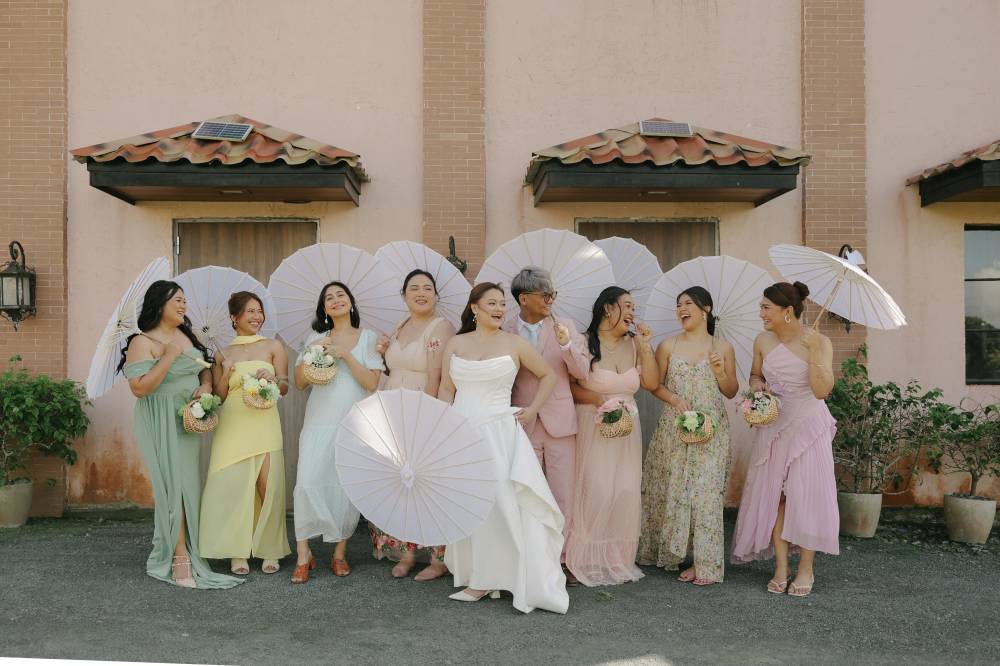
There is no single detail she regrets. She credits that to one mindset shift: “Letting go was the real secret to not stressing about the wedding.”
Instead of obsessing over perfection, she focused on feeling. Welcome bags filled with favorite snacks. Handwritten notes. Custom cups stamped with their wedding name. Tambourines passed around during the program. Minimal décor, so connection, not aesthetics, stayed at the center. Planning changed her, too.
“I learned I don’t have to be a people pleaser to create something beautiful,” she says.
Boundaries became an act of love. Not rebellion. Not selfishness. Love. For Yani, a successful wedding is one where every guest feels seen and fully present. Where the program feels unmistakably like the couple. Where people leave inspired to love more intentionally. Design the feeling first, she says. Everything else follows.
During: Ashley Romero and the distance between two homes
Ashley is planning her wedding from New York for a celebration in the Philippines. The time zones stretch. Vendor calls happen at odd hours. The second-guessing arrives quietly. “I used to think that if I planned well enough, I could make everyone happy,” she admits.
“Now I’m learning that doing my best and staying true to myself is more than enough.”
Her excitement is real. She imagines her New York life and her Filipino roots meeting in one space. She wants to build something that feels like them, not what a wedding is supposed to look like. What weighs heavier is the emotional labor. The distance. The expectations. The cultural responsibility of honoring tradition without losing who they are now.
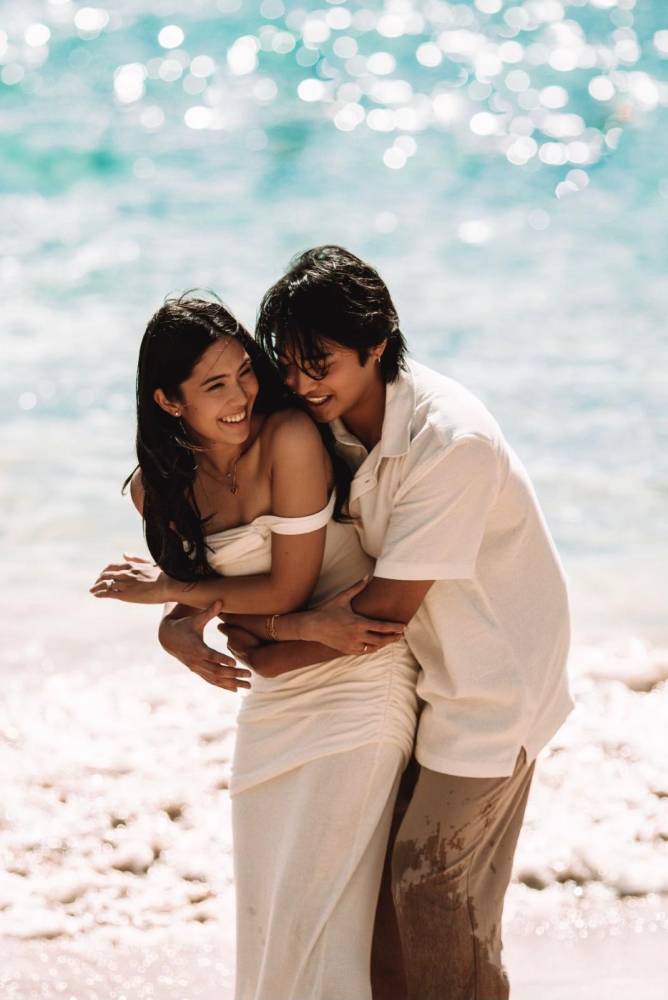
Advice like “just enjoy it” lands hollow when you are coordinating across continents. The advice that helps is simpler: remember why you are doing this. “When someone reminds me it’s about marrying my partner, not catering for everyone else, I can breathe again,” she says.
Planning has forced her to define what is non-negotiable. The ceremony must feel intimate. Filipino traditions must be honored in a way that feels genuine, not decorative. The aesthetics are flexible. The joy is not.
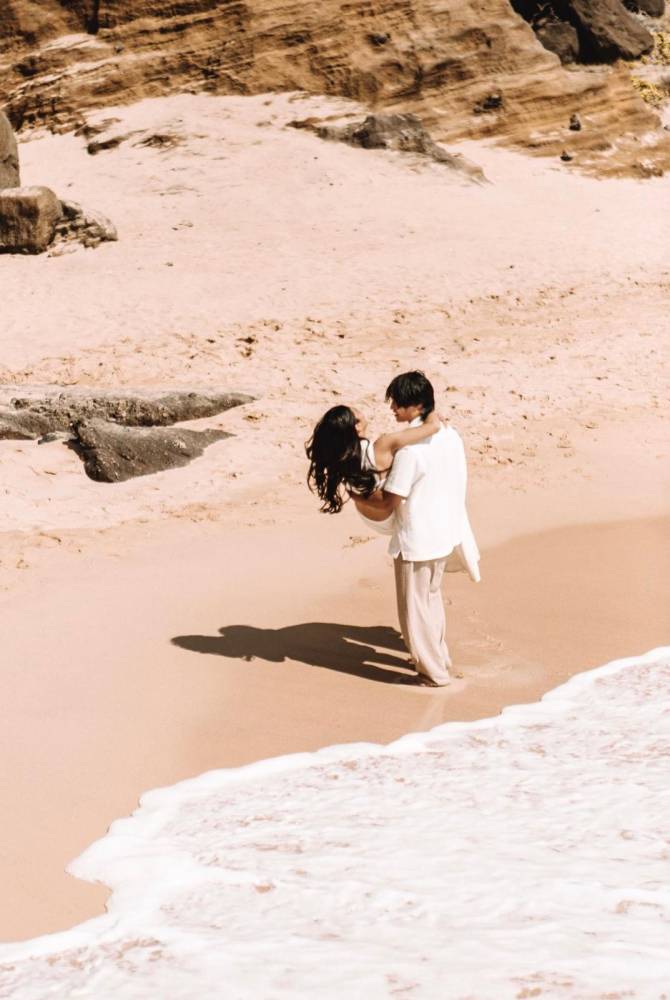
Her greatest fear is looking back and realizing she was too stressed to enjoy it. Yet within the tension, she has discovered something steadier. She can hold more than she thought. More opinions. More logistics. More emotion. And still remain herself.
And when she imagines the day ending, she wants to feel proud. Relieved. Connected. She wants to know they did it their way. You cannot make everyone happy, she has learned. You can choose alignment instead.

Between: Gillian Dizon-Mounir and two cultures in one marriage
Gillian has already celebrated her wedding in Morocco. Manila is still ahead. Moroccan weddings can last seven days. Hers carried on until sunrise. Guests stayed until three in the morning, including her husband’s grandmother. What stunned her most was the immersion.
When she wore the Amazigh garb, complete with the traditional silver headpiece and layered necklaces, she felt accepted into another lineage. She was lifted on an Amariya, elevated so the room could celebrate her passage into marriage. She changed dresses five times, each representing different regions and traditions. Professional attendants, known as Neggafates, managed every detail of her attire while guests danced to live percussion.
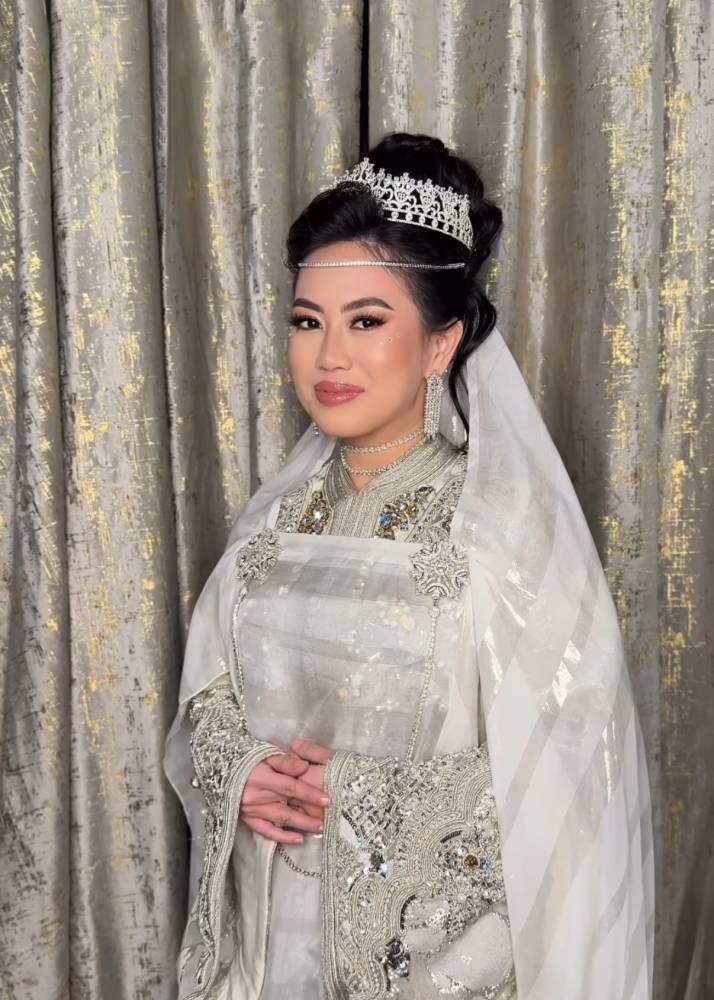
It was color, movement, sound. A wedding that placed the bride at the center of ceremony and spectacle.
What mattered most, however, was not the intricacy of the garments she once worried would overwhelm her. It was celebrating in her husband’s hometown. Walking the beach he grew up on. Seeing where he studied. Meeting the child he once was through the streets that shaped him. “It felt like going full circle,” she says.
The Moroccan wedding did not alter her Manila plans. It clarified them. Both celebrations are rooted in the same desire: to gather only those they care about deeply.
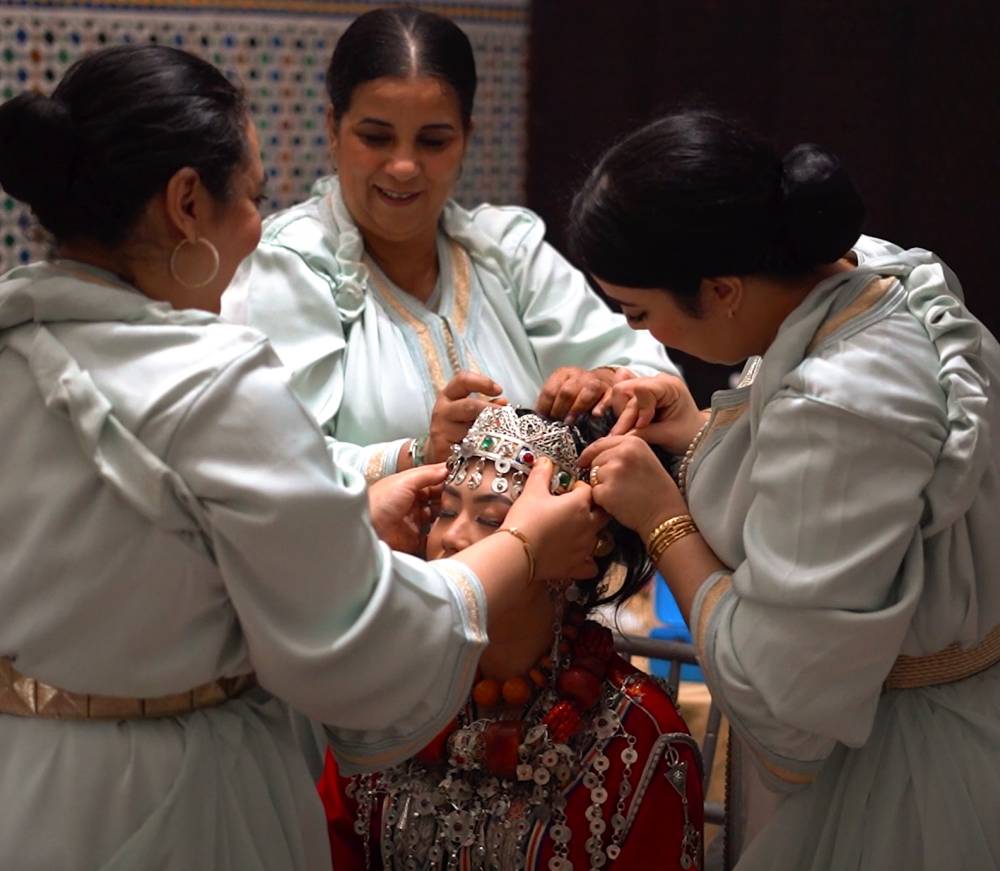
For Manila, she is focused on their vows. Moroccan weddings do not require ring exchanges, so they saved that moment for here. They will incorporate dates and milk, a Moroccan tradition used to welcome guests, especially meaningful because it was how she was first welcomed into his family.
When everything is over, she hopes to remember small details. An aunt in a striking red dress. Their dog, Daisy, weaving between guests in search of food. The kind of moments that become family stories.
Planning and celebrating did not reveal anything new about her marriage.
“Nothing much was revealed that we didn’t already know,” she says. That steadiness, she adds, makes her feel secure.