










Translating the language of the kitchen

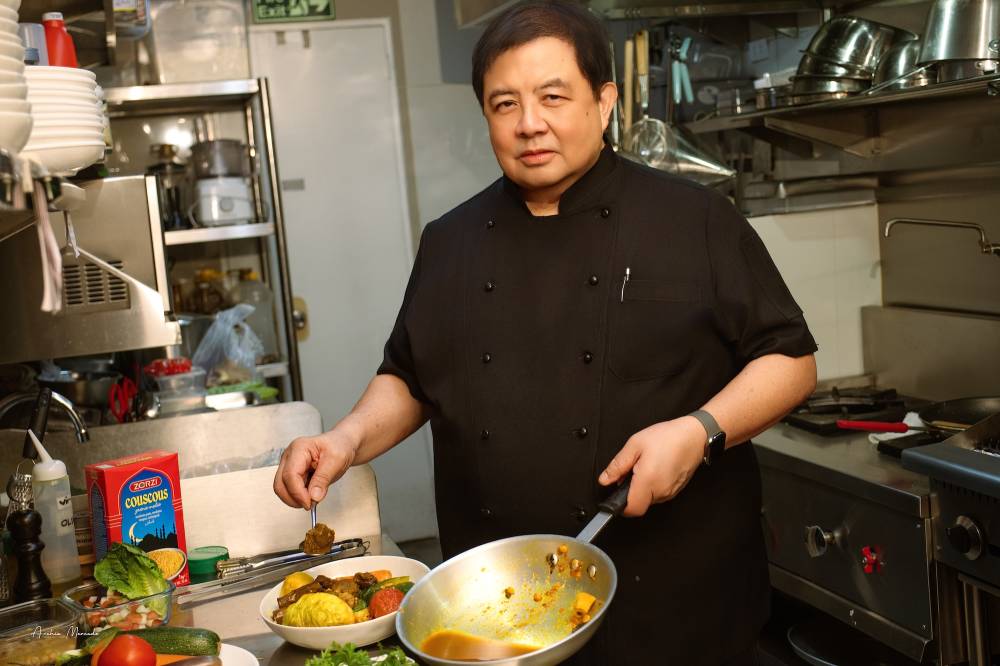
When chef George Lizares cooks, my mouth waters. And speaking of OGs, Lizares definitely is one. His methods are old school. His food is prepared and cooked traditionally. His stews simmer long, and when you taste them, they are layered with flavor and done to perfection. His fare is simple and clean on the palate. His techniques are on point, making each dish taste just as it should—and often, even better. Made with no shortcuts. Plain, honest-to-goodness cooking with no unnecessary theatrics.
His secret? Good ingredients—freshly purchased—plus proper technique and the patience to let food develop slowly.
His Caesar salad is a classic—the kind that brings me back to when Caesar was hailed king of all salads. His calamares are crisp outside, tender within. His hummus is silky and creamy. His kebabs are authentic. His couscous—a delight.
Coursing through Europe
The span of his cooking career is long and impressive. It began early—in his mother Nena’s kitchen. She loved to entertain, and young Lizares often helped prepare dishes for the small buffets she would lay out for friends and family. Many of her guests were Swiss and German, and it was they who encouraged him to pursue formal training in Europe.
That advice would change the course of his life.
Lizares eventually found himself in Switzerland, studying at the Hotel School in Lausanne. But before beginning his culinary training there, he first took intensive French courses—after all, it is traditionally the language of the kitchen.
From Switzerland, his journey took him through Spain and France, sharpening his palate and expanding his understanding of European cuisine before he eventually returned home to Manila.
Chapters of his culinary journey
Lizares then became chef of L’Orangerie in Bel-Air, Makati—a restaurant known during its time for its refined, nouvelle cuisine approach. There, he began to shape his culinary identity, influenced by mentors Mogens Bay Esbenson of Butler’s in Sydney and Damien Pignolet de Frense of Claude’s in Sydney—two respected figures who helped further define his technique and deepen his appreciation for refined modern cooking.
Then came one of the most extraordinary chapters of his career.
Beginning in 1983, he spent 14 years in Muscat, Oman, serving as assistant kitchens-in-charge at the Royal Palace under the late His Majesty Sultan Qaboos bin Said. The palace kitchens were an international brigade, with Moroccan, Egyptian, Indian, Pakistani, Thai, Filipino, and French chefs working together to prepare grand buffets and elaborate state banquets using the finest ingredients from around the world.
It was a demanding environment—one that required discipline, precision, and the ability to work at the highest level of hospitality.
Years later, he returned to Manila and joined forces with the late Larry J. Cruz and the LJC Restaurant Group—a company known for its bold and imaginative restaurant concepts. Together they developed menus for several restaurants, including Café Havana in Malate. Lizares would spend nearly 12 years with the group, much of that time serving as corporate executive chef.
He also worked with The Bistro Group in the same capacity, contributing to menu development for concepts, including Krazy Garlik.
From unfinished business to a new business
After decades in professional kitchens, Lizares eventually stepped away from the stove. But cooks like him never truly stop cooking. And when I asked him why he came back, his answer was simple: unfinished business.
Like many chefs, he had always dreamed of having a restaurant he could call his own—a place that reflected his taste, his cooking, and his brand of hospitality. Over the years, he would drive around the city, quietly scanning for spaces that might one day become that restaurant.
Then he found one. A modest space at Devour Food Hub in New Manila, Quezon City, close to home, with ample parking and just the right gut feel that this is it.
The pieces fell into place, and suddenly what had long been a dream became something real. “I would regret it if I didn’t try,” he tells me.
Today, his dream lives quietly in Mediterraneo Kitchen.
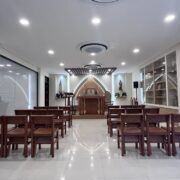
Some might call it a hole-in-the-wall. And honestly, that is not a bad thing at all. The space is cozy and unpretentious—the kind of place you stumble upon and are pleasantly surprised by. Lizares filled the restaurant with prints and paintings from across the Mediterranean—France, Italy, Türkiye, Lebanon, North Africa—small reminders of a region whose cuisine he deeply loves. In the background plays a gentle soundtrack of Spanish, French, and Arabic music.
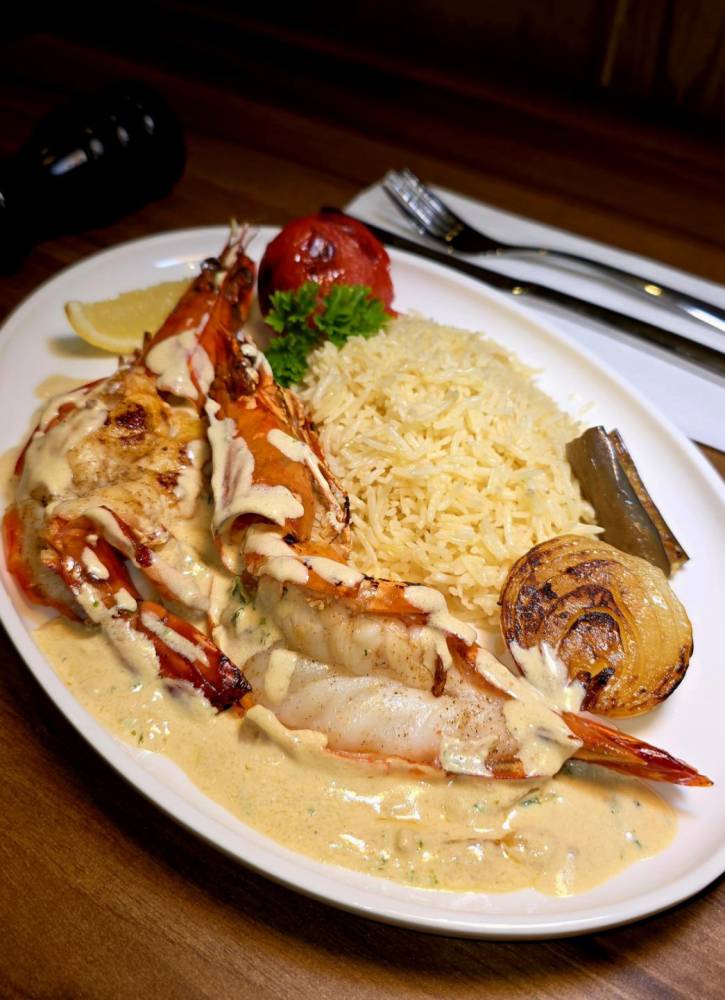
The menu reflects that same spirit—dishes he enjoys cooking and eating. Perhaps that’s why his food tastes as delicious as it does.
Secrets to longevity
I asked him how his cooking has changed with age. And his answer was honest: not very much. The techniques he learned more than 30 years ago still serve him well today.
For Lizares, cooking has always been about pleasing diners—making sure the food tastes good, looks beautiful, and leaves people feeling that they received real value for their money.
Longevity in the profession, he says, is not accidental. It requires discipline, solid training, and the ability to communicate ideas clearly—especially in an industry where chefs must constantly work with owners, managers, and teams from different backgrounds.

And of course, the food must speak for itself. The dish must taste really good—and it must be presented well.
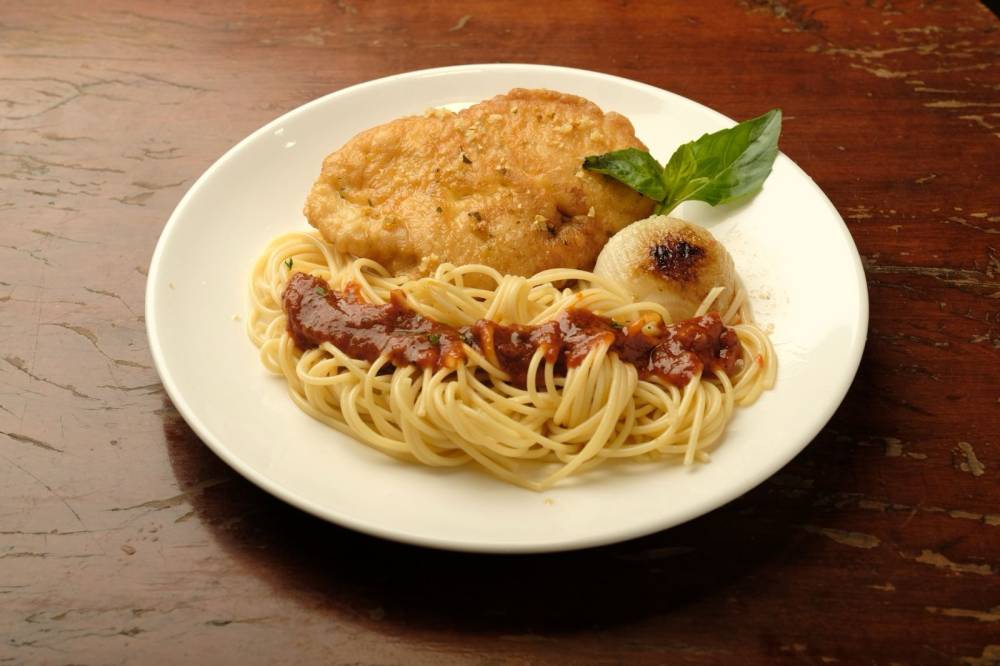
Even in this new chapter, the core of his cooking remains the same: connecting with people through food. For Lizares, food is personal. His wife’s pollo piccata had to be on the menu—a dish close to his heart because it’s his wife’s favorite.
I asked what defines success at this point in life. Lizares put it simply: more people discovering Mediterraneo Kitchen and enjoying the food—with the hope that it thrives. That’s all.
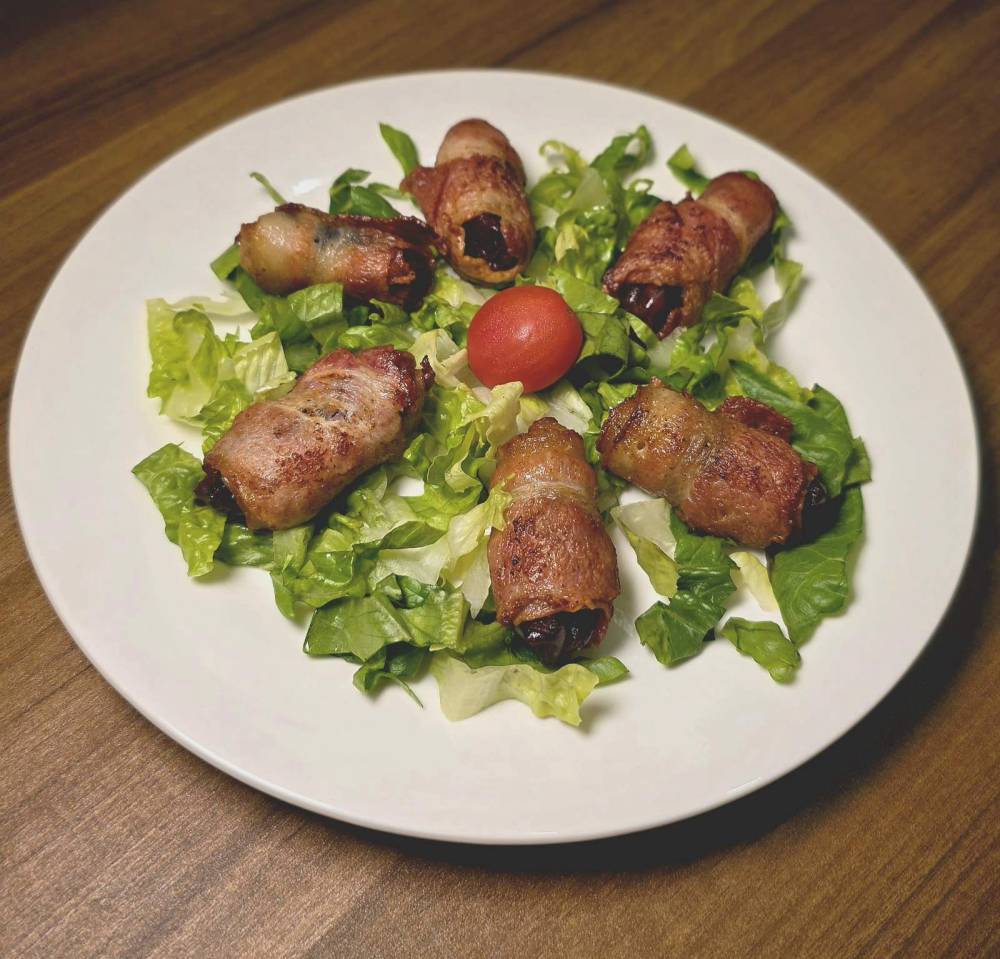
Dates with bacon (good for 4 persons)
Ingredients:
*12 pcs pitted dates, big and high quality
*180g hickory-smoked bacon
*1 cup oil
*12 toothpicks
*1 cup chopped lettuce
*1 pc cherry tomato
Procedure:
- Remove the seeds from each date. Wrap the bacon around the date. Secure with a toothpick and set aside.
- Heat the oil in a small frying pan. Drop the dates and cook until golden brown. When done, remove the toothpick and set aside.
- Place the lettuce on a small plate. Make a bed of lettuce and place the fried dates decoratively. Garnish with the lone cherry tomato and serve at once.