











‘We belong here’: What Arkapaw’s Oscar win . . .

When she accepted the Oscar for Best Cinematography for the film “Sinners,” Autumn Durald Arkapaw—the first woman and first woman of color to do so in the Academy Awards’ 98-year history—asked every woman in the room to stand up, saying that she wouldn’t be there without them.
Thousands of miles away in the Philippines, a generation of Filipina cinematographers may well have stood up with her.
The camera department, like many spaces in film, has traditionally been dominated by men, and its institutional barriers have made it exclusionary—especially for women. So, when the local film community saw a Filipino American woman clutch that prized trophy, the sentiment wasn’t just about validation, representation, or Filipino pride. In a way, the milestone also felt like a salve for “many collective wounds.”
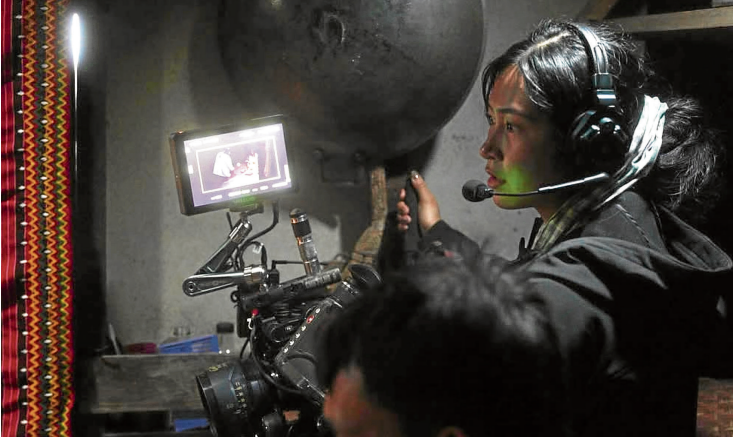
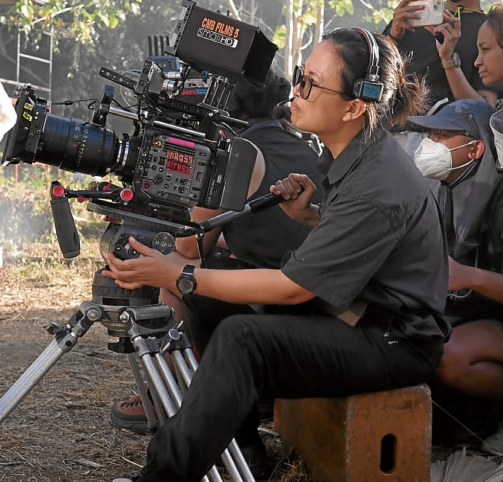
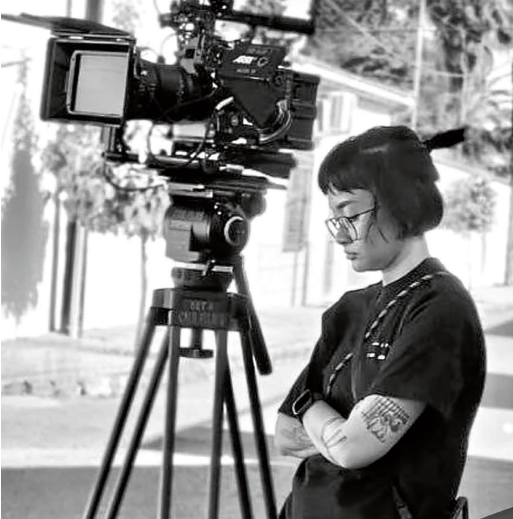
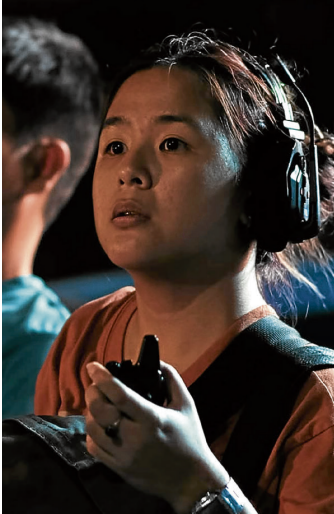
In this forum, Lifestyle Inquirer asked Kara Moreno (“Third World Romance,” “Becky & Badette”), Tey Clamor (“Balota,” “Babae at Baril”), Cesca Lee (“Love is Color Blind,” “Utopia”), and Geia de Vera (“Agapito,” “Radikals”) what Arkapaw’s achievement means to them—and what needs to be done to ensure that her win doesn’t remain purely symbolic.
How significant is Arkapaw’s achievement for Filipina cinematographers and women in film overall?
Clamor: Her being both Filipina and Creole reflects how layered identities shape visual storytelling. Her win marks a real shift toward broader representation in cinema. It’s a moment of celebration. We did break the ceiling, and it shows that there’s space for us here.
Moreno: I have followed her for years, from her early films like “Palo Alto.” Her works, along those of other incredible cinematographers like Natasha Braier, Reed Morano, Rachel Morrison, and Mandy Walker helped shape my early understanding of the craft. Seeing a woman finally win Best Cinematography at the Oscars—especially a woman of color—feels both personal and long overdue. It’s a moment of celebration, but also of reflection. For women in film, it signals possibility. At the same time, it underscores how rare this recognition has been.
Lee: Her win acknowledges many collective wounds. It’s emotional, it’s validating, and it’s also a bit of a reality check. Like, women have always been capable—this just proves it on the biggest stage. It’s a reassurance: “Oh, this space is actually ours, too.”
De Vera: The impact is hard to put into words. As a young woman beginning my career, her win reminds me that we must always be brave and keep showing up for the little girls who dream of picking up a camera.
How does this challenge the barriers in the camera department?
Clamor: There’s a long-standing stigma that women can’t handle large-scale or action-driven films, and because of that, we’re often not given those opportunities. This kind of recognition at the highest level challenges that perception. It proves that we’re just as capable of handling scale, complexity, and leadership behind the camera.
Moreno: The camera department has long been one of the most difficult spaces to break into in the film industry. It’s technical, hierarchical, and often exclusionary—and that climb is even steeper for women. That’s why this win resonates far beyond the award itself. It represents decades of persistence in a system not built with women in mind.
On the international recognition and visibility of women cinematographers
Moreno: It’s worth reflecting that we pay closer attention to the otherwise often unseen when it’s highlighted by international awards. This speaks volumes about how our culture values validation from outside our borders. In the Philippines, where our craft of film is measured against Hollywood—against a standard it was never meant to match—the struggle to be seen and valued is doubled.
How do we make sure that women cinematographers continue to have opportunities to lead in the industry?
Clamor: The industry needs to consistently trust and hire women, while supporting them through mentorship, access, and inclusive working environments. It’s about making our presence behind the camera the norm, not the exception.

Moreno: A single light doesn’t change the whole landscape. Equal opportunities for women require more than recognition—it demands structural shifts. Real change happens through years of access, belief, education, and sustainable working conditions.
Lee: If we want this to keep happening, it really comes down to trust and access. Talented women need to be given the same scale of opportunities—not just smaller or “safe” projects, but the big, high-pressure ones too. That’s how it becomes normal, not exceptional. And having a strong community helps. Mentorship, shared experiences, just knowing you’re not alone in it makes the industry feel a lot less closed off.
At the same time, I don’t think we should treat it as a finish line. It’s a door. Now it’s about making sure more of us get to walk through and stay in the room. And if we’re not careful, it can still become a symbolic moment instead of a sustained change.
A message for aspiring women cinematographers
Lee: More than visibility, representation is also about permission. Someone out there is now going to pick up a camera, or step into a set, and feel like they belong there.
De Vera: Autumn is living proof that we don’t have to fit into a single box—we can be mothers, partners, and world-class cinematographers all at once. It proves that “hire-ability” isn’t about fitting a mold, but simply about the fact that we can get the job done. Autumn and the women she stands with have paved the way. Now, it’s up to us to keep that momentum going.
Clamor: To women who want to pursue cinematography, especially in spaces that feel intimidating or out of reach, this is a reminder to keep going, to take up space, and to trust your voice and your eye. We belong here.