











What if Sherlock Holmes and James Moriarty started out as friends?

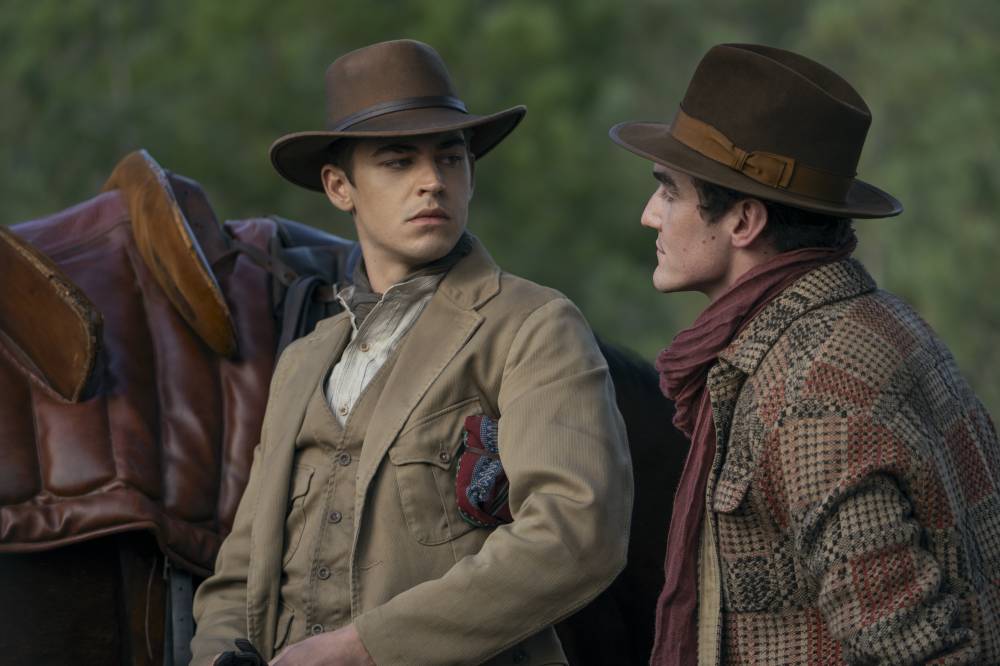
Sherlock Holmes and James Moriarty are one of pop culture’s ultimate intellectual duels: the master of deduction versus the “Napoleon of Crime.” But in Prime Video’s new series “Young Sherlock,” these fiercest of nemeses begin their story with genuine friendship.
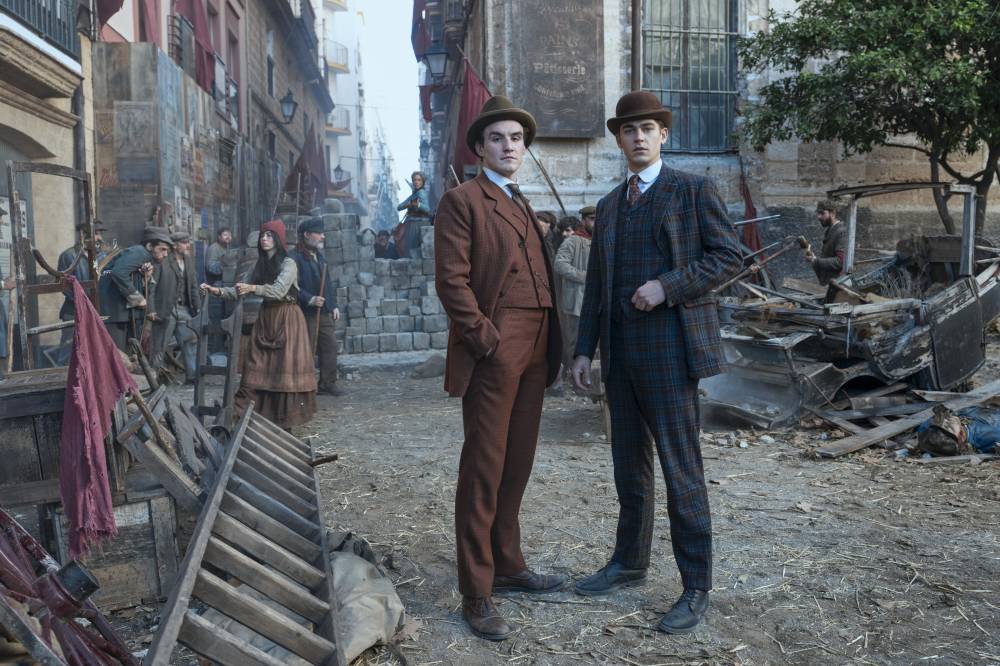
In this origin story, director Guy Ritchie and showrunner Matthew Parkhill take viewers back to the 1870s, roughly a decade before the events of “A Study in Scarlet.” Taking away the deerstalker hat from the eccentric Victorian gentleman, they reveal a “youthfully defiant” Holmes (played by Hero Fiennes Tiffin)—unlike the renowned Baker Street resident we all know.
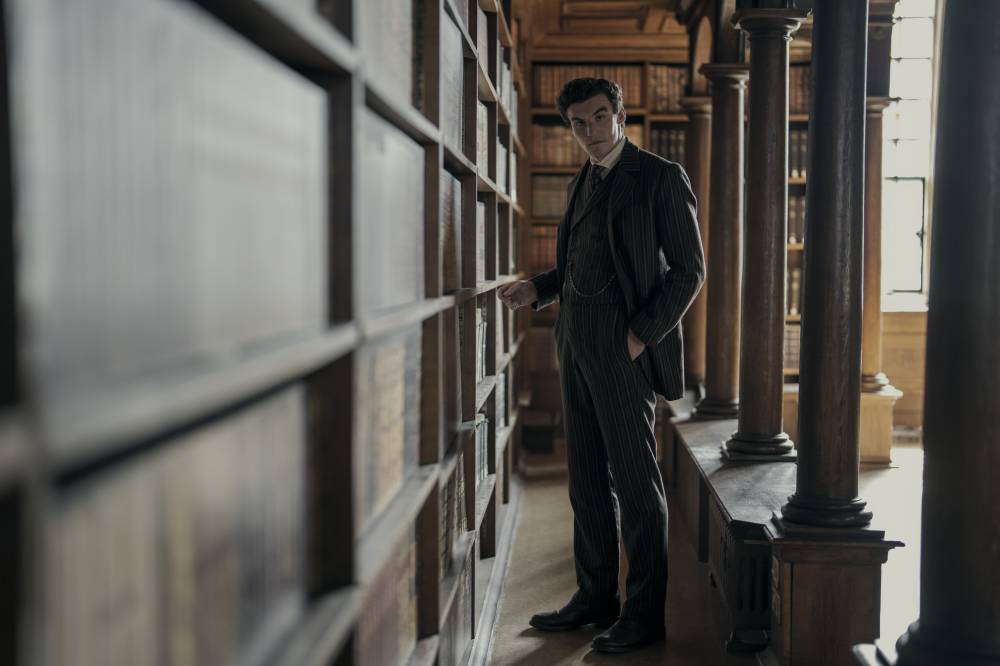
It goes without saying that he isn’t the infallible detective of legend—at least not yet. Instead, we meet a “disgraced” and “anarchic” student at Oxford University. There, he meets a young, charismatic Moriarty (played by Dónal Finn)—the only person who can match his cunning and share his sense of being an outsider.
Globe-trotting conspiracy
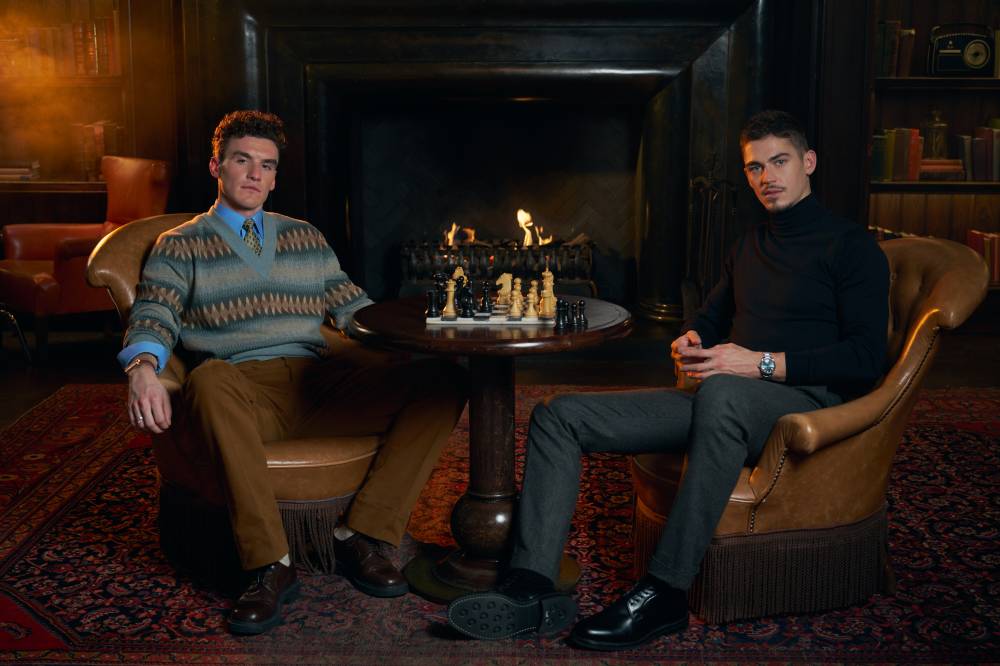
As he navigates growing pains and family secrets, Holmes gets drawn into a murder investigation that threatens his liberty and exposes a conspiracy that takes him—and Moriarty—around the world. But as they embark on this adventure at a crucial juncture in their lives, the experiences they share inform their values in different ways, setting them on paths that inevitably diverge.
Indeed, the series hints that beyond sheer intellect, their formative bond ultimately dictates the man Sherlock becomes, and the villain Moriarty is destined to be. “If Sherlock hadn’t met Moriarty, he wouldn’t have become Sherlock Holmes. And if Moriarty hadn’t met Sherlock, he wouldn’t have become Moriarty,” Parkhill says.
In this interview with Lifestyle Inquirer, Parkhill and Finn unveil Holmes’ and Moriarty’s early lives, explore their frenetic “pinball energy,” and explain why these iconic rivals had to start out as friends.
What was the starting point for this vision of a “Young Sherlock?”
Parkhill: In Sir Arthur Conan Doyle’s books, there’s very little about Sherlock’s life. I became interested in what would make him that way. There’s a line in “The Return of Sherlock Holmes” where he says to Watson, “I would have made a great master criminal.” I started to think, why does he understand the criminal mind so well? Maybe when he was younger, he was a little wild; he got into trouble. He was a live wire.
How does this version differ from the detective we usually see?
Parkhill: I wanted him to get things wrong. I wanted him to be in trouble. In the 1985 movie “Young Sherlock Holmes,” you meet him already as the Sherlock we know—he can tell you have come from Kent from the mud on your shoes.
I was more interested in telling a story where parts of him are recognizable, but parts are not. He’s a bit rougher and more raw. He’s unfiltered and unformed.

What’s the most drastic change here?
Parkhill: The biggest draw is the friendship with Moriarty… I was like, why Moriarty more than anyone else? What if they knew each other? What if it were like a great Butch and Sundance friendship that turned bad? That explains why he became such rivals with this man.
Donal, how did you react to the twist?
Finn: I thought it was brilliant. If you’re familiar with Sherlock Holmes and you know who these people end up being to each other, then I think it really enriches that relationship. Each attack or act of deception down the line is then loaded with this emotional feeling of betrayal, because they were once friends.
For where the show is right now, we just see them as really good friends who take a lot of risks and support each other.
How do you see Moriarty?
Finn: People describe him as evil, but I think at this point in his life, he has had different experiences that have shaped him to understand the world under different rules. I don’t think fundamentally that makes him a bad person at all.
That’s where the moral tension is in the show, because I feel neither of them is good or bad. If it were more clear-cut than that, they wouldn’t be friends.
Can you talk about the “pinball energy” between the two leads?

Finn: It’s quite in the realm of Guy Ritchie’s work and requires a lot of synchronicity. I always had this image in my head of Brad Pitt and Morgan Freeman in “Seven,” where they’re walking around the room looking at things; they’re audibly or silently talking to each other all the time. These men are operating on the same wavelength. They finish each other’s sentences.
Parkhill: They have great fun together. When they first meet in the first episode, they’re clearly on a different level from everybody else. Sherlock has more of an innocence to him, but Moriarty is capable of incredible charm. He’s a great manipulator—not in a horrible way, but he’s just so charming that you kind of want to be part of his gang.
Matthew, you also delve into the Holmes family, which we also don’t know much about.
Parkhill: I knew they must be a strange family to create such a strange individual. An event happened to Sherlock that clearly became a defining moment in his life. Sherlock, trying to understand that moment, explains why he becomes who he is—a man who needs answers.
How do you strike the balance between this new origin and the reverence for the original IP?
Parkhill: When you take on a Sherlock, you’re dealing with a lot of responsibility. It’s about giving people some recognizable elements, but also some that are fresh. We take liberties—for example, the books offer no suggestion that they ever met before.
Fans will notice details, like the first time the word “deduction” is used is actually by Moriarty.
Why do you think Moriarty and Sherlock ended up the way they did?
Finn: We’re shaped by the people around us. There’s a form of love between these two guys—a formative time in their lives because both feel like outsiders. I’m sure it can’t help but make Sherlock the person we know him to become.”