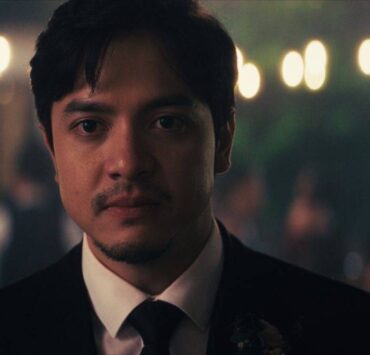











What makes a ‘best actress’ anyway?

The 2025 Metro Manila Film Festival (MMFF) has come to a close, with new international films now seeping back into our theaters last Wednesday. A few issues were brought up, including the increased prices of the movie tickets, which many believe is the cause of the box office numbers of this batch of MMFF films being lower than what we normally would expect from this festival.
With the usual wide variety of stories and a general high acclaim for a majority of the films, this batch of movies should have easily matched the previous year’s box office. But the rising cost of ticket prices is an easy deterrent for people to go to the cinema when streaming has become a more affordable option.

A historic win for a stellar performance
There were also some rumblings online from people who were not satisfied with the results of the MMFF awards, most notably in the Best Actress category.
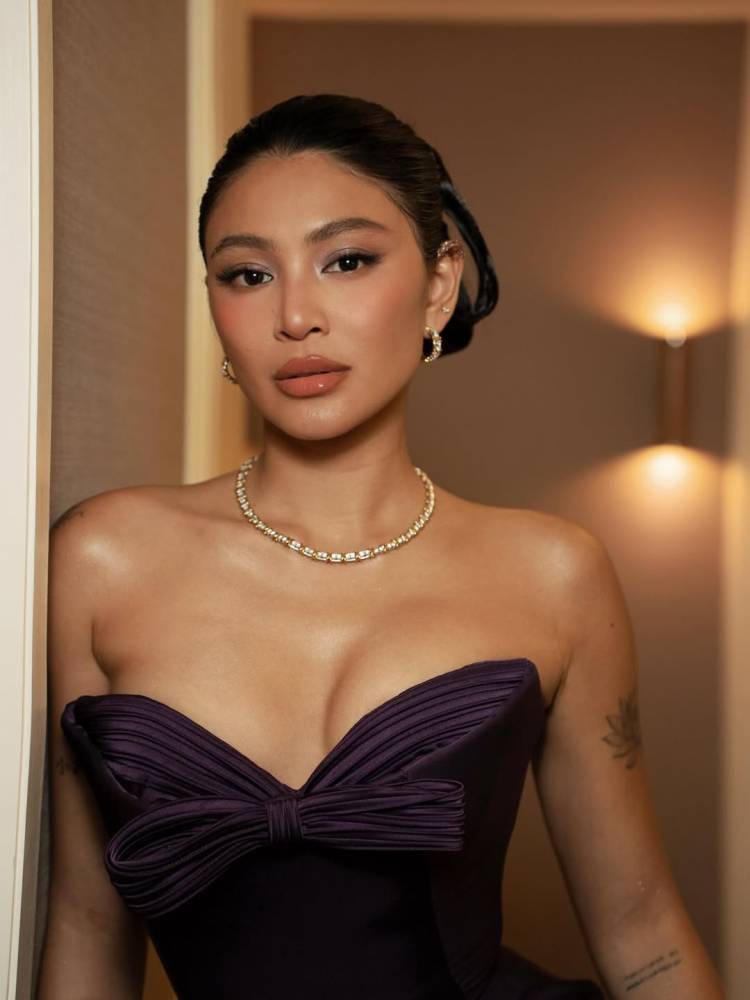
It was a loaded lineup of nominees with Angelica Panganiban for “Unmarry,” Nadine Lustre for “Call Me Mother,” Bianca de Vera for “Love You So Bad,” and Krystel Go for “I’mPerfect, with many thinking that Panganiban was poised to win, as “Unmarry” is her comeback film—and she has been consistently good throughout her career.
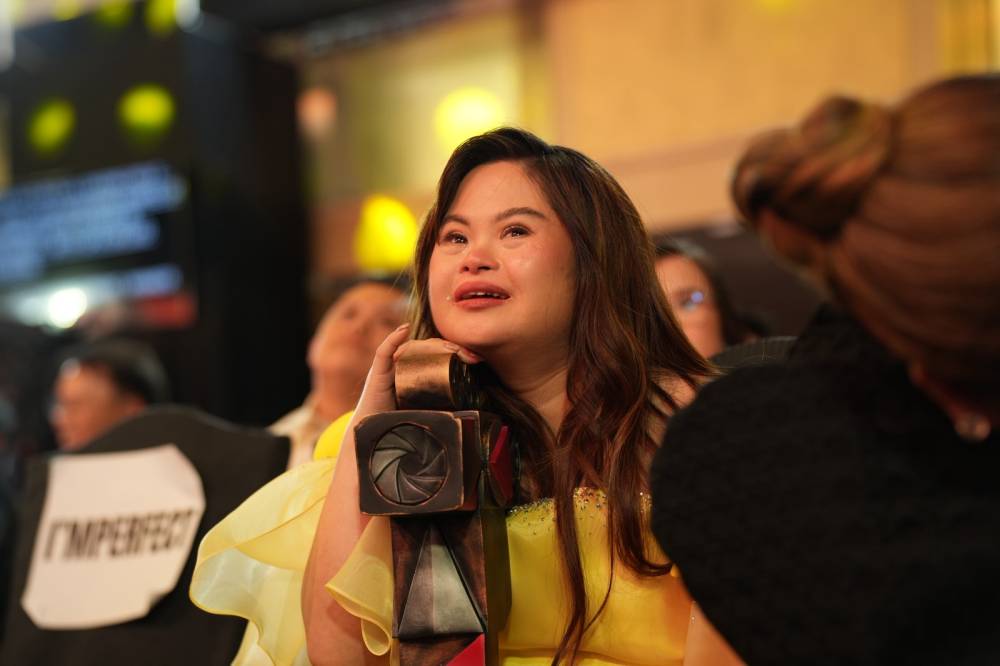
But Krystel Go won the title—a historic win for a Philippine award show to acknowledge the stellar performance of Go, who has Down syndrome.
Online, some fans have expressed their disappointment with the award-giving body for “choosing inclusivity over talent,” while others have made remarks about the win being “bought” due to suspicions that have been cast over the producers of “I’mPerfect.” Some have even claimed that Go wasn’t really acting—she was living her own personal experiences.
Honestly, all of this sounds like sourgraping to me; a knee-jerk reaction to having someone else chosen over your own pick. All four women are deserving of that title. All of them did incredible jobs at portraying their characters, bringing out their humanity for everyone to witness.
More than a diversity win
Four strong movies, four unforgettable performances. It’s not as if the winner is undeserving. That’s a different matter altogether. When you take that into consideration, then the jury’s job now is to pick which one of them will receive the title, and that is where things can get complicated.
With 14 jurors—many of whom are established artists in the industry, like director Jerrold Tarog, producer Alemberg Ang, production designer Ericson Navarro, film scholar professor Anne Francis Sangil, and the chairman, the legendary screenwriter and director Clodualdo del Mundo Jr.—the metrics must have been discussed and renegotiated over a long period of time. A criterion must have been laid out for them to make such a difficult decision.
And these are people whose integrity cannot be bought off by any producer, and neither are they the type of people who would disregard a great performance for a diversity trophy.
Krystel Go may not need to act out having Down syndrome, but what she did onscreen—falling in love, leaving home, becoming independent, and facing a world head-on—she did with such fervor and skill that it made the audiences swoon and care for her.
And just because she cannot express herself in a way that is familiar to us doesn’t mean that she wasn’t making us believe that she did all those things, as if it was the first time; as if it was really happening to her. She’s Krystel Go, not Jessica, the character she played.
Actors and actresses don’t just speak out lines and cry when the scene requires it. They embody this persona that we attach to the story, and their performance helps us see the bigger picture of the film’s overall theme and message.

So, how do you determine the best?
As I grew older and learned more about art, awards started to lose a bit of their value. How does one determine the best performance anyway? The best film? The cinematography? They say “art is subjective,” and there are many ways to appreciate an artwork and measure its effect.
I think one can easily look at films that are loved by audiences and hated by critics, and the reverse. You can take a look at critics and cinephiles who enjoy camp and understand the power of mainstream films versus the audience who only like high-brow movies and indie sensibilities in their films. So what criteria do you use?
I personally don’t believe that award shows really determine who the best really is in that category—but I do believe in how these awards shape the industry and the audience. It has a practical impact on the cinematic landscape. When “Moonlight” won Best Picture at the 89th Academy Awards in 2017, it ushered in more measures for diversity in Hollywood and turned Mahershala Ali into an A-list actor. When “Parasite” won Best Picture in 2020, it helped usher in a global interest in South Korean media and other non-Hollywood films.

There are economic and cultural changes that happen when someone is given a significant award. Oftentimes, people are awarded for their body of work, rather than a specific performance. Leonardo DiCaprio won for “The Revenant,” when he was more deserving of it for earlier films like “The Wolf of Wall Street” or “Revolutionary Road,” in my opinion.
Sometimes, an actor receives the award because of the role that they played (and how well they played it), like Hilary Swank for “Boys Don’t Cry” (whom she won over Annette Bening, who was nominated for “American Beauty,” whom I personally/subjectively felt should have won) or Julia Roberts for “Erin Brokovich.”
Both are deserving winners. Did they have competition that could have won it their year? Definitely. But the roles that they played were important cultural signifiers, and both actresses did a good job embodying that.
A turning point for future stories
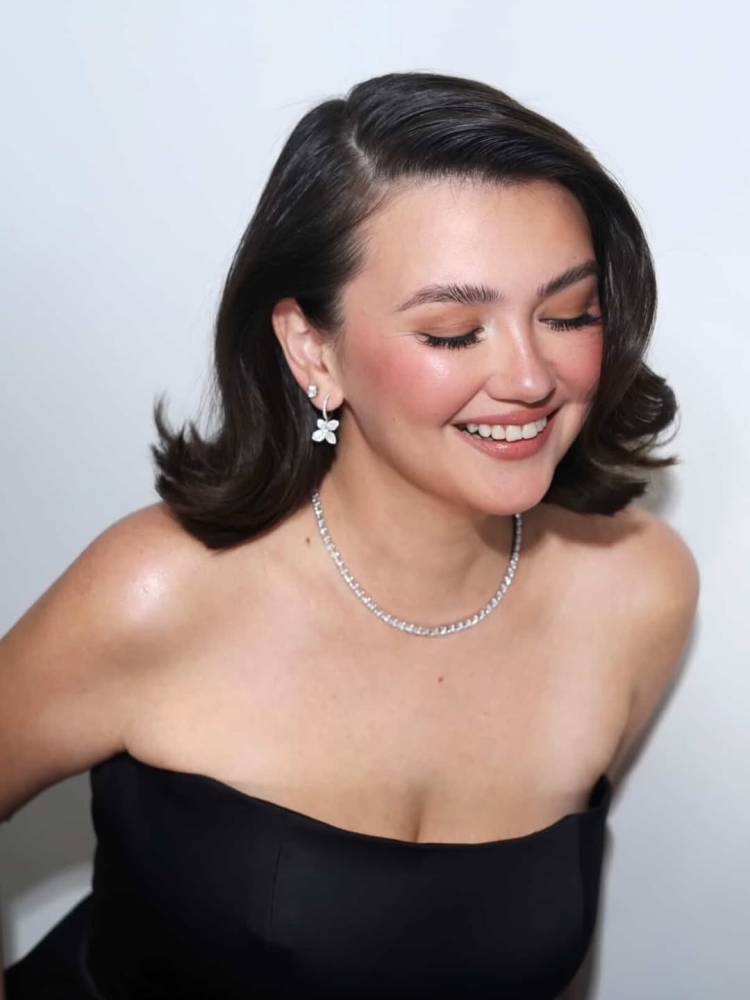
Angelica Panginiban is already a multi-awarded actress, and another win will not affect her career in any way. She is a powerful talent and magnetic onscreen. Her performance in “Unmarry” is a testament to her maturity as an actress to handle the delicate nuances of the role in a film that straddles between comic and tragic.
Yes, people will still be talking about this performance for years to come, after all of this is over, and she will still have a great career ahead of her.
On the other hand, Krystel Go surprised us all with the honesty of her portrayal of Jessica. Through Jessica, the audience was able to see people with Down syndrome in a different light. She transcended this idea of representation and allowed us to see the character as a human being. We cheered for her, and her performance as Jessica made us care about her and people like her, despite any biases or misconceptions we might’ve held prior to this film.
She is as deserving of that award, and this win would become a discussion point in the boardroom or office of every producer thinking about who and how to cast and what kind of stories can be made in the future.
And that, in itself, is also a criterion that we can use to measure the power of a performance.