








What the return of analog really means

A few weeks ago, Merriam-Webster announced the 2025 word of the year, chosen by their “human editors”—a particularly noteworthy distinction: “slop,” which is defined as “digital content of low quality that is produced usually in quantity by means of artificial intelligence (AI).”
I’d like to think that while it is both a reflection of the zeitgeist—the threat of AI has loomed over our heads for nearly the entire year—it is also a projection of what is to come. There is power in names, and by naming the phenomenon of AI slop, it also recognizes its existence.
In this case, the recognition isn’t that of a warm welcome; rather, more of a taunt.
Less fearful, more mocking
“‘Slop’ sets a tone that’s less fearful, more mocking,” Merriam-Webster writes. “The word sends a little message to AI: When it comes to replacing human creativity, sometimes you don’t seem too superintelligent.”
The unreliability of tech has urged many to make a return to more reliable media. Enter the return of analog.
While technically speaking, analog hasn’t exactly left nor been obsolete, people calling 2026 the “return of analog” speak of it more as a response rather than a particular moment.
After years of grappling with the constant barrage of hyperoptimization and productivity, of subscriptions, paywalls, and being always-on, people are looking for reprieve. And many have realized that the antidote to digital fatigue is a return to what is more tangible and experiential: analog.
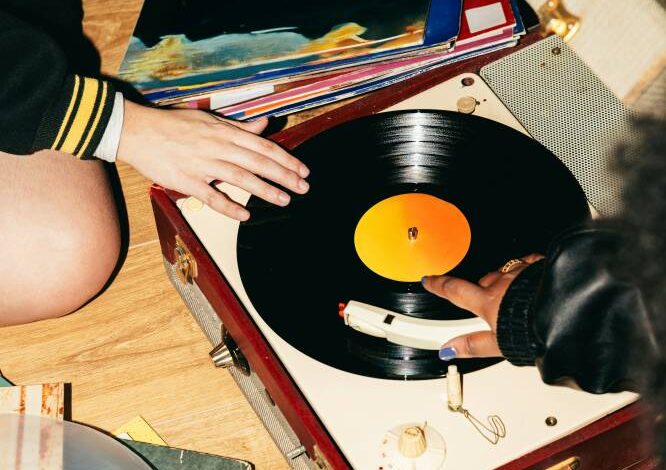
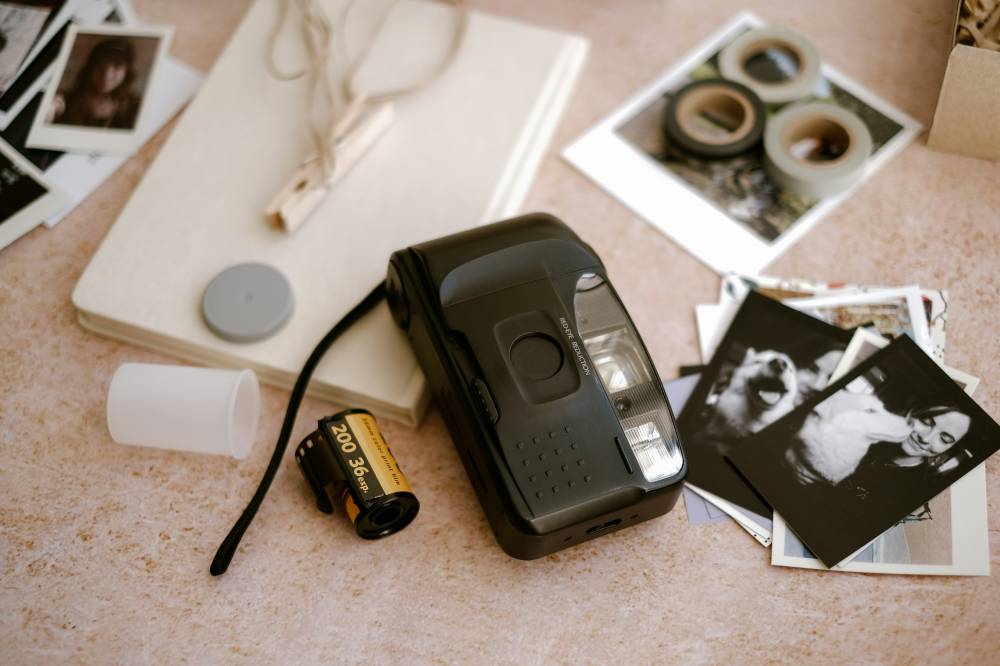
What you can actually sense becomes more trustworthy as real and reliable. Hence, the preference now is toward print media, the growing sales numbers of physical music formats like vinyl, CDs, and cassettes, and the demand for film, to name a few. Even the surge in in-person events—be it in the form of pop-up markets, hobby meet-ups, sports communities—points to even greater leaning toward going offline.
Disconnecting to reconnect is better.

Addressing digital fatigue
A study published in the International Journal of Environmental Research and Public Health found that digital connectivity—along with the tools that make it possible—has proven essential, especially in work settings, enhancing productivity and communication. However, they also found that alongside the benefits, using these digital tools, especially in prolonged periods, could negatively impact health.
“While digital tools improve efficiency and flexibility, they also increase workload, cognitive overload, and stress,” the study notes. “Prolonged screen exposure contributes to mental exhaustion and sleep disturbances.” To mitigate these health risks, the study recommended that organizations implement offline hours and digital detox initiatives.
Social media trends (ironically?) support these mitigation strategies: In the wellness sphere, “tech abstinence” is a growing movement to counter digital burnout. People are turning to more mindful daily routines, incorporating “slowness” as a way to be more intentional with tasks instead of simply rushing through everything.
At work, that could look like writing down notes, ideas, and plans on paper instead of typing them out. Science has, after all, long supported handwriting as a way to enhance memory retention.
In the realm of hobbies—take listening to music, for example—opting out of digital streaming and choosing physical music platforms like vinyl or CDs encourages more mindful listening. It takes us away from simply hearing music—words that barely register, tunes that we’ll forget right away (the TikTok threshold of two-minute hits)—to experiencing music for what it is: art.

From looking at the album art and reading through the tracklist (which artists actually put a lot of thought into), to listening to the songs in the order intended—no skips, no shuffles.
Analog as a reclamation of ownership
The return of analog doesn’t just promise intentionality and slowness in a developing culture of tactility. Aside from deeper engagement and experience, the return of analog also brings with it the potential of reclaiming a sense of ownership.
The digital era has left us shortchanged: the promise of less “clutter” and less waste in favor of digital “items,” digitalization for efficiency, minimalism, and even sustainability (“going paperless!”)—glossed over the fact that to keep these running, for the data centers to hold our information, it will have to consume massive amounts of energy, will produce e-waste, and will take over our ownership. We subconsciously signed up to indefinite renting—only subscribing to access books and magazines, films, TV, and music—our access easily revoked once licenses expire or change
Nonprofit foundation Save the Planet Society put it perfectly: “We didn’t go paperless, we went permission-based.”
By shifting back to analog, that is, your print media, your CDs, and even your board games (another physical platform enjoying a resurgence), you start to once again own whatever you pay for.
What’s important to also remember in this era of analog resurgence is that it isn’t asking us to villainize technology. We can enjoy a slower life while still using digital tools where necessary. What the slow, analog lifestyle is reminding us is to be more intentional.
Choosing analog is to go against slop. It’s choosing to work with your senses more, to honor the innate creativity and critical thinking we humans have. It’s remembering that technology and our devices are just tools—that ultimately, we humans are still the ones running our lives.