










What vitamin C is actually doing for your skin

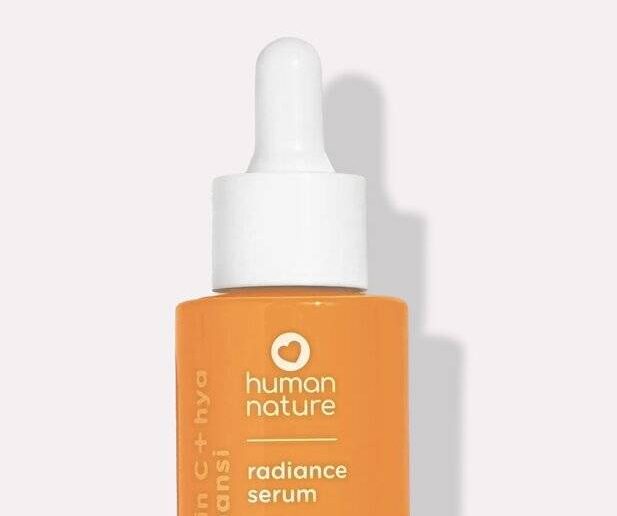
Vitamin C might be the most purchased, most abandoned ingredient in skincare. It sits in more bathroom cabinets than it ever makes it into routines—bought on recommendation, used inconsistently, eventually swapped out for something that feels like it’s actually doing something.
That pattern is not a coincidence. It is what happens when an ingredient is widely recommended but rarely explained.
The problem is not vitamin C. The problem is that almost everything said about it—how to use it, what to expect, and why it matters—skips the part that would actually make it useful. And without that foundation, even a well-formulated serum ends up working against you.
What vitamin C is actually doing
Vitamin C in its most active form is L-ascorbic acid, and it is doing several things at once. That is part of why it is hard to categorize and even harder to market honestly.
The most important thing it does is support collagen. Not in a vague, label-copy way, but at the level where collagen is actually built and held together. When vitamin C is consistently present in the skin, collagen stays structurally sound for longer. When it is not, the collagen your skin produces breaks down faster than it should. In fact, clinical studies have shown measurable improvements in firmness and fine lines with consistent use for over three to four months.
It also works on pigmentation—not by fading spots from the surface, but by interrupting the process that creates them. Dark marks from sun exposure or post-acne hyperpigmentation form through a specific enzymatic chain, and vitamin C gets in the way of that chain before it completes.
And then there is the antioxidant function, which is arguably the most underappreciated of the three. Skin is under constant oxidative stress from UV radiation, pollution, heat, and infrared light. Left unchecked, that stress degrades collagen, disrupts cell turnover, and shows up over time as dullness and uneven tone.
Vitamin C helps neutralize the damage before it accumulates. And the American Academy of Dermatology identifies this as one of the core reasons topical vitamin C is worth using consistently.
Why it works best in the morning
Vitamin C makes the most sense in the morning because of what your skin is up against during the day.
Oxidative stress peaks during daylight hours. UV exposure, ozone, particulate pollution—all of it generates the free radical activity that vitamin C is designed to counter. Using it at night, when that exposure is not happening, misses the point of the ingredient almost entirely.
Research referenced by the Cleveland Clinic shows that topical antioxidants applied before sunscreen meaningfully enhance photoprotection. Not by replacing SPF, but by addressing the oxidative damage that sunscreen alone does not fully intercept. Heat, infrared radiation, and pollution all contribute to skin stress that a physical or chemical filter does not block.
It is a small step, but it answers a real need. Your skin is not just something you maintain at night. It is actively dealing with stress throughout the day, and vitamin C helps it keep up.
The formulation problem nobody talks about
Here is where most routines fall apart.
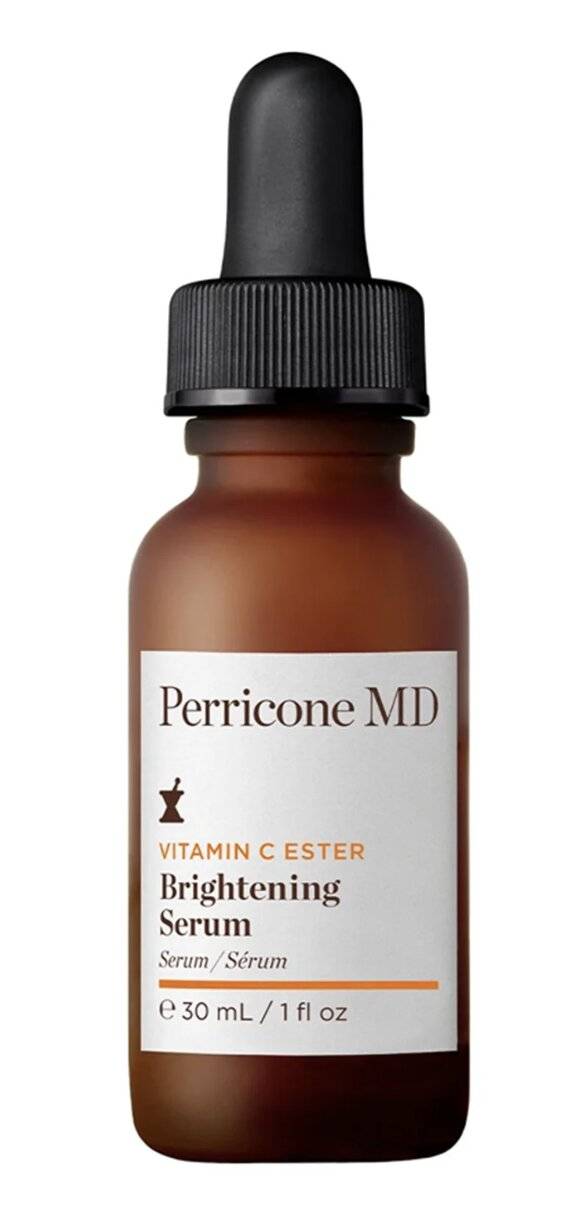
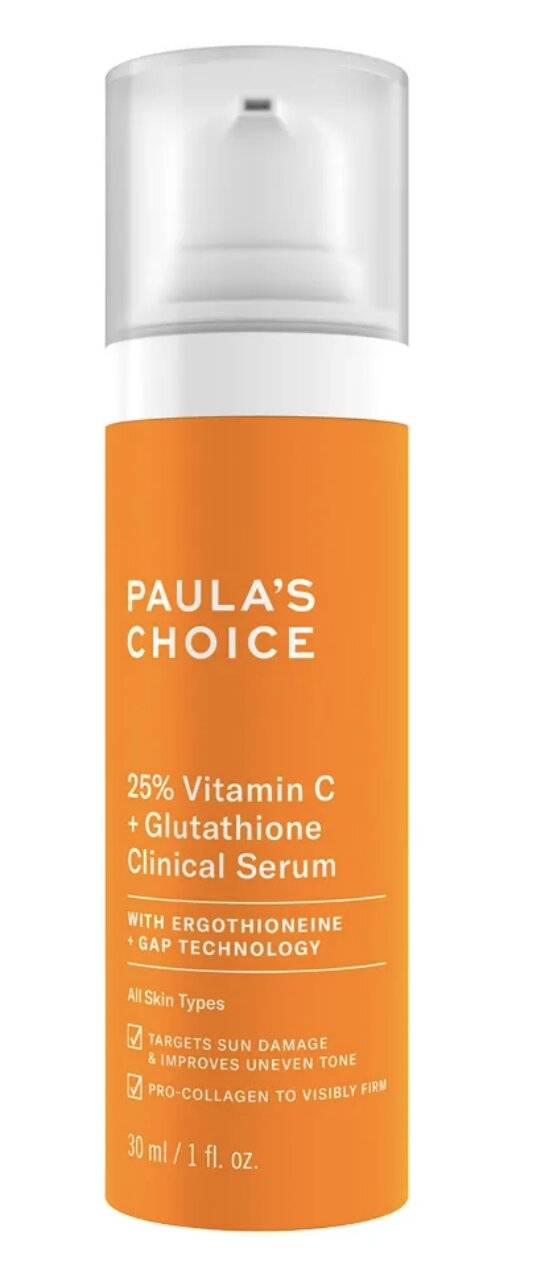
Ever noticed that vitamin C serums almost always come in dark amber or opaque bottles? That is not branding. It is meant to protect. L-ascorbic acid is genuinely unstable, and exposure to air and light starts breaking it down the moment the seal is open. The color shift you sometimes see in a serum, from a pale straw yellow to a deep orange or brown, is the active ingredient degrading in real time.
An oxidized serum is not just weaker. It can still irritate the skin while doing almost none of the work it was supposed to. That is worth knowing when you are trying to figure out why something stopped working, or never seemed to start.
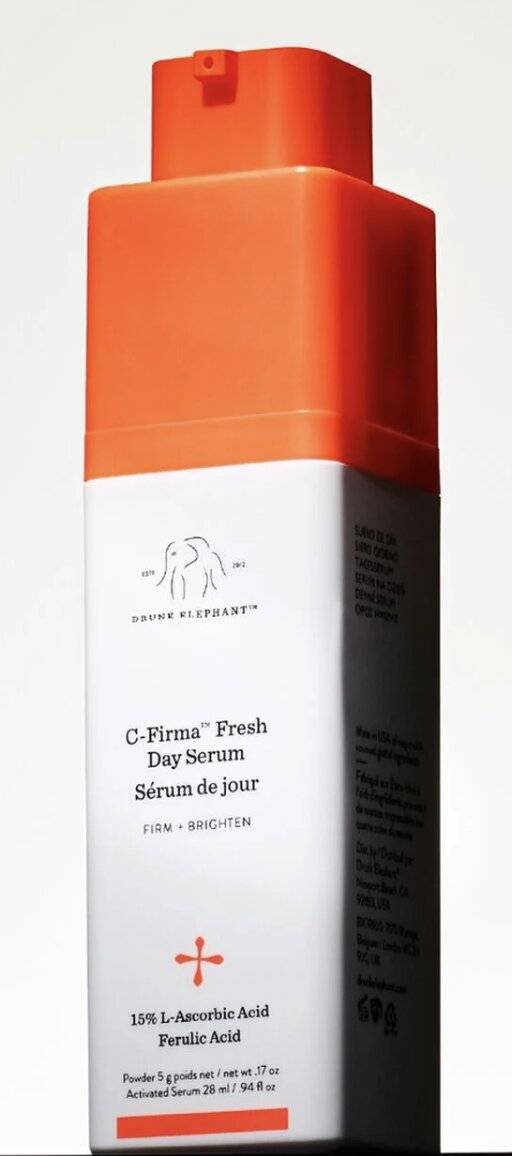
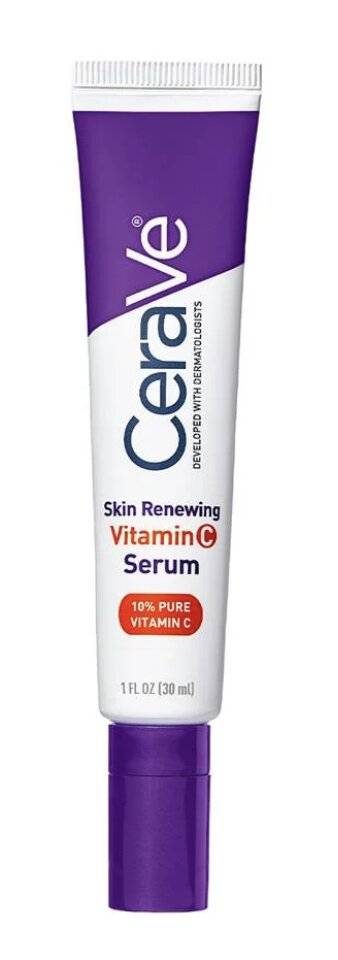
Concentration is the other thing that gets misread. A higher percentage does not mean better results. It usually means more stinging, more redness, more dryness, especially for skin that is not already used to actives. Most dermatologists will tell you that 10 percent is a perfectly effective place to start, and that pushing to 20 percent or beyond rarely improves the outcome. It just raises the chance of irritation that gets mistaken for sensitivity to the ingredient itself.

Storage also matters more than the packaging usually lets on. Keep it away from direct light and heat, and keep the cap properly closed between uses. A well-formulated serum treated carelessly will underperform a simpler one that is stored correctly every time.
What to layer it with and what to skip
Vitamin C works harder in the right company. Sunscreen, applied after, is non-negotiable. Hyaluronic acid, directly after it, helps maintain hydration balance—particularly with higher-concentration formulas that can feel drying.
Niacinamide, once considered incompatible due to concerns about a skin-flushing reaction, has been largely cleared by more recent research done by Acta Scientific Applied Physics. The reaction requires concentrations and temperatures not found in typical cosmetic use, and the two are now commonly paired by dermatologists for brightening and barrier support.
What vitamin C does not benefit from is a routine overcrowded with actives in the same application window. Think strong retinoids, AHAs, BHAs. The issue is not always a direct chemical conflict. It is cumulative irritation potential, which compromises the skin barrier and reduces absorption across everything in the routine.
When to consider something else
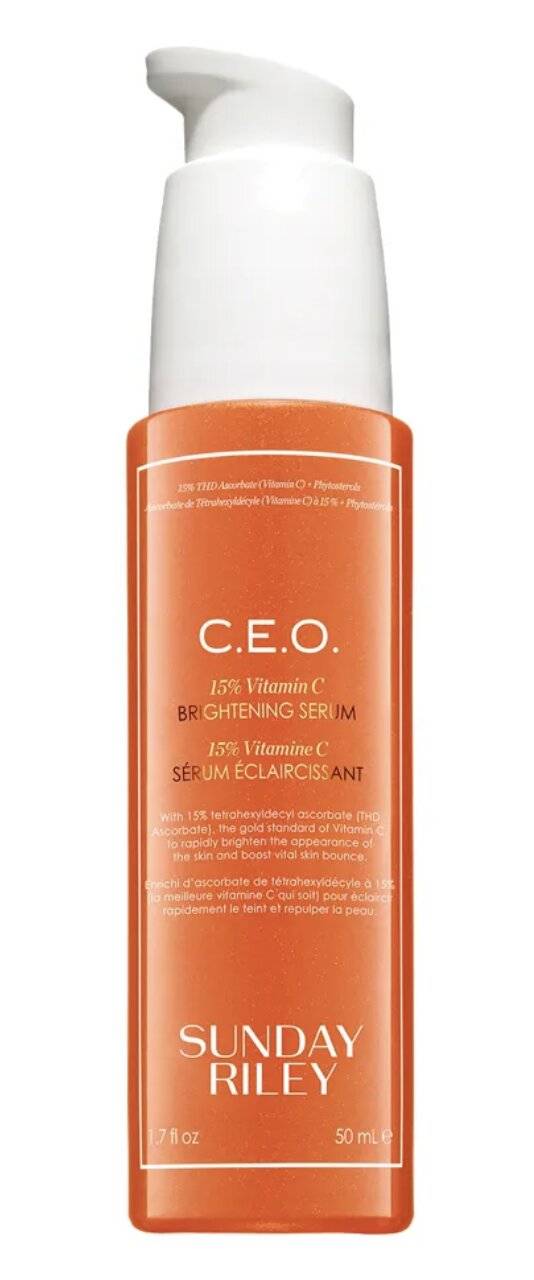
If L-ascorbic acid is consistently irritating, some alternatives work through overlapping mechanisms with better tolerability profiles.
Alpha arbutin also inhibits tyrosinase and tends to be significantly gentler. Azelaic acid addresses both pigmentation and inflammation, and is frequently recommended for sensitive and acne-prone skin. Niacinamide improves brightness while actively supporting barrier function. Antioxidant compounds like resveratrol and green tea polyphenols offer oxidative protection without the stability concerns of ascorbic acid.
None of these is a consolation prize. A formula you use every day without friction will always outperform a more aggressive one that gets skipped or abandoned. Vitamin C is easy to recommend because it does a little bit of everything. It supports, protects, and improves the skin over time. But good skin is rarely the result of a single ingredient—consistency tends to matter more than intensity.