










What we can learn about burnout from figure skater Alysa Liu

Not many people around me at this point in my life know this, but I grew up playing the saxophone.
It was a cool and exciting thing for me as a 10-year-old child—having a musical instrument to play, while others struggled with general music classes for something they were better off listening to on their Discmans and iPods than learning by themselves. I took to that saxophone for seven years in elementary and high school, also because my school gave us a pretty easy path to learning it.
But my relationship with the instrument changed in college, when my parents quickly learned that I could get a full scholarship just by playing in my university’s ROTC symphonic band. It was a marching band that played concerts, if you’re not familiar with the “bandas” of your town or city.
It was a nice ride, and I was happy to help my parents out financially by paying for my own college education—but it was a tough commitment made harder because I wasn’t even enrolled in UP’s College of Music. But it ended up being a side job that was challenging because the band, full of music students, was playing at a level I didn’t really have the time to get on. Long story short, after I graduated and then flunked out of law school, I stopped playing the sax. I haven’t touched it, and haven’t put my lips to the mouthpiece for almost 13 years now.
It would take me a while before I would learn that this was what burnout was. I was too young an adult with only one real adult responsibility (paying for my own college education) to really know and understand what it was.
Forgive me for the lengthy intro, but I needed to share that to make you understand what Chinese American Olympic gold medalist Alysa Liu went through prior to making her comeback after two years and winning big in the 2026 Milano Cortina Winter Olympics.
A young crashout and early retirement
Liu started skating at five years old because her immigrant single father, Arthur, was a fan of legendary skater Michelle Kwan. She showed so much promise as a child, being the youngest female skater to win an intermediate gold medal at the 2016 US Championships.
She would then go on to continue winning gold in the 2019 and 2020 US Championships as a teenager, and bronze at the 2022 World Championships in Montpellier, France. She had also competed in the 2022 Winter Olympics in Beijing with some controversy, as her father was a Chinese exile in the 1980s and the government attempted to spy on them.
But a few weeks after her bronze medal run at Montpellier, she announced on Instagram that she was retiring from the sport—saying that she had already felt satisfied with her career and wanted to move on with her life. After all, she was only 16, and figure skating had consumed most of her life. She wanted to be a normal teenager; who wouldn’t want to be, after carrying the hopes and dreams of a father who sacrificed a lot in the past?
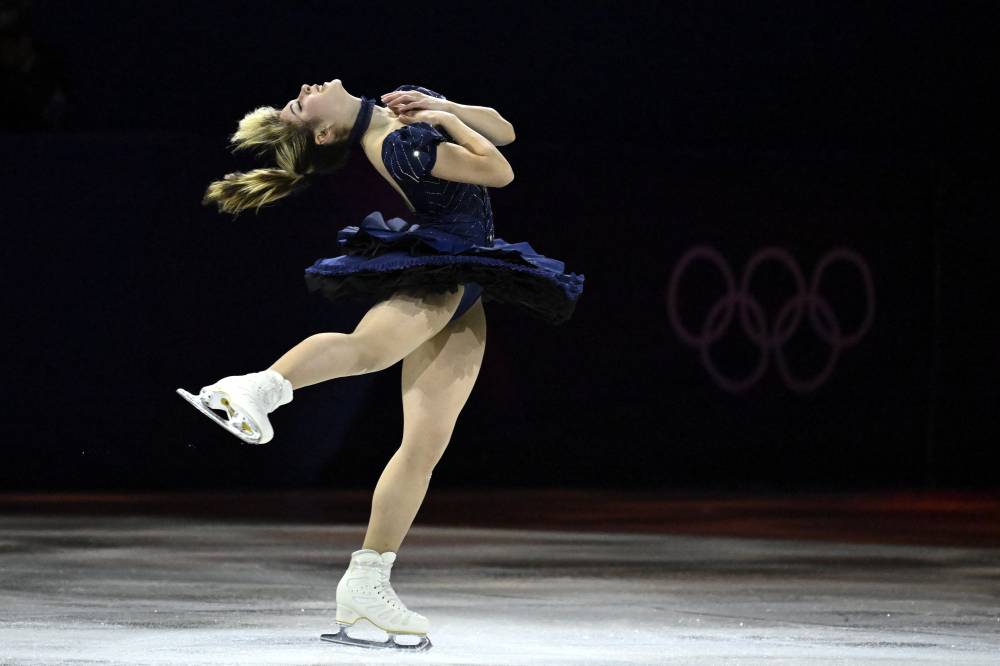
Earlier this year, Liu finally shed a lot more light on why she decided to hang it up in 2022 in an interview with Elle. “I didn’t enjoy skating back then because I didn’t make my own programs, I didn’t design my own dresses—I was just following orders,” she shared.
“I skated every single day. I didn’t get a day off, so it was pretty intense. Ever since I was a kid, I was told stuff like, ‘Don’t eat that. You can’t drink water even, because of water weight. Imagine telling a 13-year-old that they can’t drink water because of water weight!”
It all reached a boiling point when she ultimately felt she wanted nothing at all to do with a sport that was, to her, “disgusting.” “I lived everywhere but at home for a bit, and I grew to hate figure skating. All I wanted was to be with my family and friends at home, and live like a normal teenage girl,” Liu added. “I felt like I was missing life all for this skating career that I didn’t even care about. I didn’t really have a dream of my own, except to be at home.”
Totally felt. I lost all desire to pick up my sax, too.
The ability—and freedom—to walk away
Had this been a story from decades past, Liu might have likely met a worse end. The burnout might have manifested as a crippling substance addiction, horrible mental issues, and/or acting out.

But Liu was lucky—she was able to have the power (and the financial freedom) to walk away from something that wasn’t serving her anymore.
It’s easy to stop here and point to her as a prime example of what to do when you’re burning the candle dangerously close to its end. And it’s great. But the real lesson I’m referring to by the title of this article is that you should be able to assess a situation, walk away completely, and perhaps return—should you feel like it—when you’re in a much better place in your head.
The beauty of her story is that she was able to feel that she made the right decision, and she was allowed to make the right decision.
But the rest of us aren’t so lucky. Many of us don’t always, or may never, have a safety net to walk away from something that isn’t good for us anymore. Maybe it’s a job that’s terrible but pays all the bills, or a relationship that isn’t working out the way it used to.
Quitting isn’t really quitting
If you’re able to, however, I hope that you always know that you do deserve to take a break before you overwork and overextend yourself to the point of no return, the way Liu was able to. Like John Cena, I want you to know that quitting isn’t really quitting, or even bad, if you’re doing it to save yourself. Self-help gurus and coaches love to tell you to never give up, but Mt. Everest is also littered with the bodies of glory-chasers who should have turned back, if you’ll forgive the grim visual.
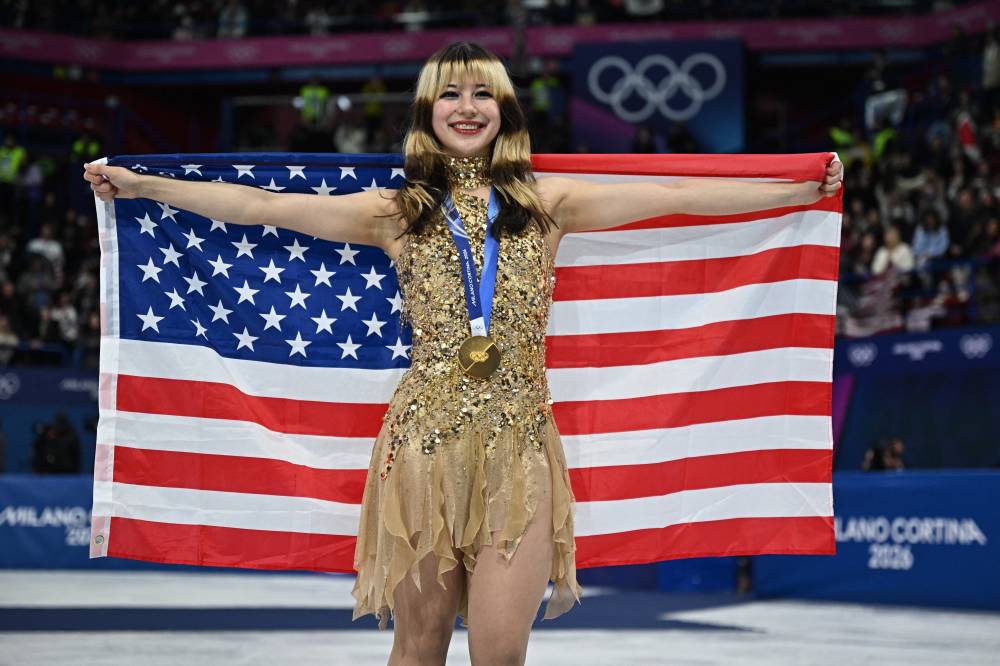
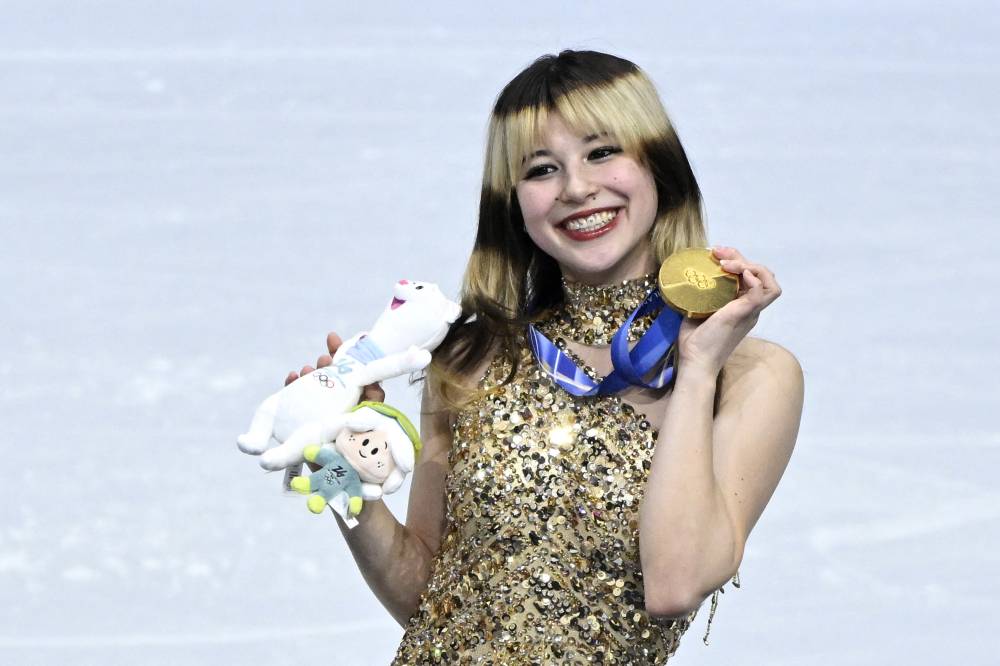
But back to my point. Eventually, Liu was able to return to the sport she grew up in two years ago, and she even won her first Olympic gold medal in figure skating in 2026—proving that oftentimes, the break really will do you well.
As for me, I’ve yet to pick up my sax again, but the desire has been coming back. It helps that I can play in a way that isn’t too loud and disruptive, thanks to electronic innovations—and it definitely helps that I no longer have to do it to ensure my college degree.