










What you sea is what you get

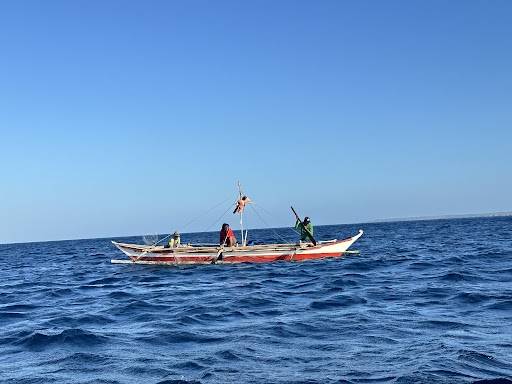
On the shores of Lubang Island in Occidental Mindoro—in the Philippine waters of the Coral Triangle—the day begins hours before sunrise. Kuya Noel, aged 54, has fished these waters for 48 years. Kuya Leo, aged 51, for 20. The sea has shaped their lives, fed their families, taught them patience, and demanded resilience.
Kuya Noel knows the tides like the back of his hand—when the wind will turn, when currents shift, when fish begin to move. Kuya Leo is no different. Years of rising in the dark, preparing nets, and heading out with quiet focus have made him a master of his trade.
They fish within the 15-kilometer municipal waters meant to protect small-scale fishers like them—zones designed to sustain both livelihood and marine life. But enforcement is at times lax. Commercial vessels still intrude and compete for the same catch—straining fragile ecosystems.
How the tides have turned
But fishing is no longer predictable. Climate change has altered the seasons. Typhoons are stronger. Fuel prices rise. Catches fluctuate. Some days require longer hours at sea just to break even.
Kuya Noel lives with diabetes. Medical check-ups mean traveling off the island—added cost and strain to an already demanding life. Still, he continues. His responsibilities leave little room for rest. Every morning, they push their small wooden boat into open water. No high-tech machinery. Just skill, inherited knowledge, and deep respect for the sea.
For them, fishing is not only a livelihood—it is stewardship. They take only what is enough, leave the rest for tomorrow, and protect the waters that sustain them.
They sail before dawn and return when they can. The work is tough. The uncertainties—real. But their commitment remains firm—to their trade, to their families, and to the sea they call home.
When the boats return, the work continues on land.
Keeping the community afloat
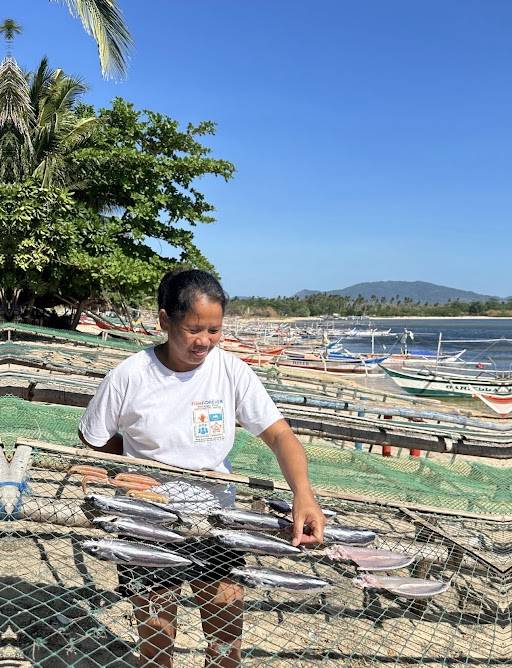
The women in their lives (their true partners) keep the community afloat. Ate Evelyn, Kuya Noel’s wife, rises just as early. Her work may not involve nets and tides, but it is just as important. She helps organize the catch, manage sales, and ensure every fish is handled well and sold fairly.
The women sort, clean, and dry fish to extend shelf life. They bring fresh catch to market, track finances, and make sure nothing is wasted.
What the men harvest, the women sustain.
For years, much of this labor went unseen, unpaid, and undervalued. But today, their roles are defined. They are managers, entrepreneurs, and leaders within their association.
Their seafood—himalit (flying fish), known as dibang in Batanes, barungoy in parts of the Visayas, and bangsi in Mindanao—reflects tradition and skill. Processing and preserving these require generational knowledge. They also uphold sustainable practices, knowing that every decision—how much to process, how to price, how to store… all these carry long-term consequences. But in their hands, the day’s catch becomes tomorrow’s security for their families and their community.
Protecting the ecosystem, protecting livelihoods
It is stories like theirs that inspire Sinaya’s founders: Dhang Tecson, Franz Tecson, Gidget Velez, Miguel Mercado, and Reggie Bundang.
Sinaya’s mission is clear: To protect marine ecosystems while securing fair livelihoods for small-scale fishers. To empower women-led coastal enterprises. And to build a transparent, traceable seafood supply chain that connects responsible harvest to responsible markets.
As Dhang often says, this is not charity—it is partnership. Conservation and livelihood moving forward together. What began as a collaboration with small fishing communities has become something tangible: seafood that carries care, fairness, and purpose from sea to table.
Why choose Sinaya?
Because what they offer is more than seafood.
Every product is proudly local, responsibly sourced, and fisher-powered. Sinaya works directly with small-scale fishers, ensuring what reaches our kitchens is harvested with respect—for the ocean and for the people who depend on it.
Their offerings include fresh and frozen catch handled with care, dried specialties rich in flavor, ready-to-eat selections for busy days, and condiments that deepen simple cooking—suitable for restaurants, hotels, caterers, and home kitchens alike.
What sets them apart?
• Traceable and responsibly harvested
• Carefully selected for quality and versatility
• Built on a dependable, transparent supply chain
When we choose Sinaya, we are not just buying seafood. We are supporting livelihoods and protecting our seas. And now we step into Lent—a time of abstinence, reflection, and mindful choices—Sinaya’s Lenten Bundles make meatless Fridays feel abundant.
• Bountiful Sea of Blessings: dried seafood and heritage salts, honest staples for simple Holy Week meals
• Moments of Reflection: tuyo, tinapa, and ready-to-share snacks for quiet afternoons
• Morning Grace: heirloom black rice, coco vinegar, dried fish, bagoong—grounding and distinctly Filipino
• Sacred Flavors: bagoong, crab aligue, coconut vinegar—small jars that elevate everyday dishes
• Feast of the Sea: flying fish from Lubang paired with heirloom rice and coastal staples for a fuller table
This season, let what we serve also serve others.
For orders, message 0917 671 8788 or @sinayaseafood on Facebook and Instagram
Flying fish silog recipe
Serves 2
Ingredients
For the flying fish:
2 pieces flying fish (cleaned and gutted)
3 cloves garlic, minced
2 Tbsp vinegar

1/2 tsp salt
1/2 tsp ground black pepper
Oil for frying
For the garlic rice (sinangag):
2 cups day-old cooked rice
4 cloves garlic, minced
2 Tbsp oil
Salt to taste
For serving (optional):
2 eggs
Sliced tomatoes or cucumber
Spicy vinegar or atchara
Procedure
1. Marinate the fish: In a bowl, mix vinegar, garlic, salt, and pepper. Rub the mixture all over the flying fish and let it marinate for 20–30 minutes.
2. Fry the flying fish: Heat oil in a pan over medium heat. Fry the fish 4 to 6 minutes per side, until golden brown and crispy. Remove and drain on paper towels.
3. Make garlic rice: Heat oil in a pan and sauté garlic until lightly golden. Add rice, mix well, and season with salt. Stir-fry for 3 to 5 minutes.
4. Cook the eggs: Fry eggs sunny-side up (or your preferred style).
5. To serve: Plate the garlic rice, top with a fried egg, and serve the crispy flying fish on the side. Add sliced tomatoes, cucumber, or a splash of spicy vinegar/atchara for extra flavor.