









When anime doesn’t look like your typical anime

Anime doesn’t deal with real-world landscapes and breathtaking scenery captured by state-of-the-art cameras. It doesn’t utilize computer-generated imagery (CGI) to create whole worlds and characters out of thin air, nor does it operate with the same budgets you’d expect from a high-profile series or feature film.
That isn’t to say that anime can’t look good. We have hundreds, if not thousands, of anime that are widely acknowledged for capturing the minds and imaginations of their viewers.
But stylized imagery, intentional cinematography, and framing taken straight out of several Hollywood classics—that much is new, at least with your typical weekly anime. As seen in recent releases, particularly with “Jujutsu Kaisen Season 3,” it is evident that, for better or worse, anime is taking a step forward.
What’s the difference?
Anime is often quick and dynamic. Whether we’re referring to massive action set pieces or two people in casual conversation, frames cut from one to the next, as if a seamless transition, when going from panel to panel in your typical manga.
But a frame held in position for far longer than we’re used to—as simple and inconsequential as it seems, that much changes the very tone of the scene in view.
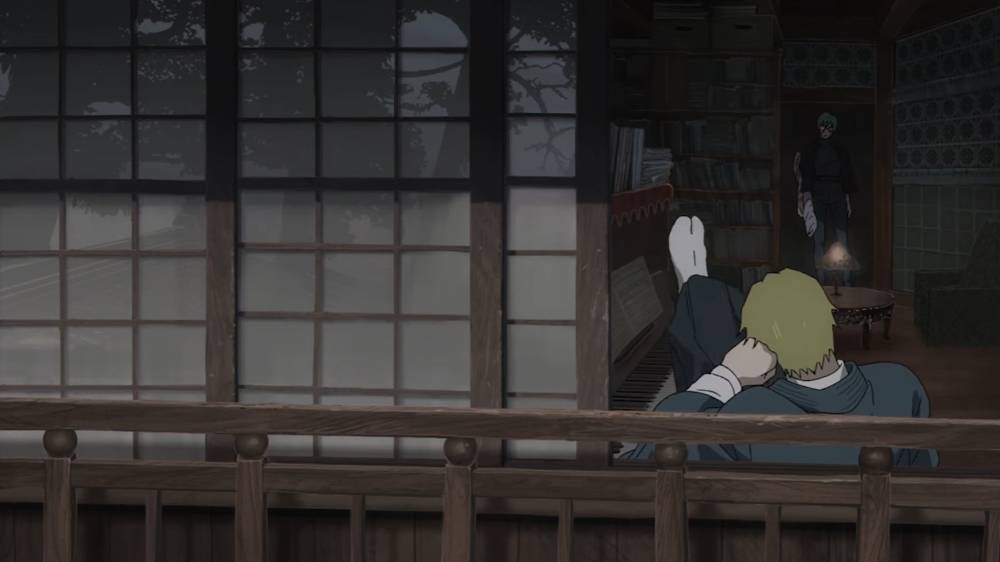
In episode 4, “Perfect Preparation” of “Jujutsu Kaisen Season 3,” a man seated in a room talks to a woman standing by the doorway. He puts his foot on the nearby piano, and the frame stays in place for around 13 seconds. The next cut goes to the man’s foot as it playfully rolls around each piano key. We barely see the characters’ faces in the whole conversation.
YouTuber The Chill Samurai puts it best, “JJK now has more in common with ‘Pulp Fiction’ or an arthouse film than it does with its own first season.” And speaking of “Pulp Fiction,” there’s a literal “Kill Bill” reference within that same episode.
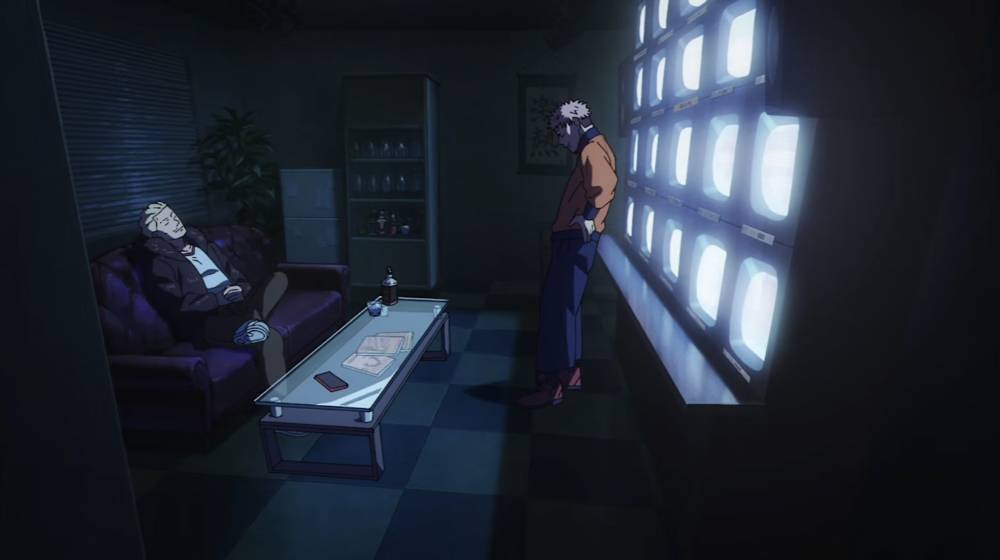
“Jujutsu Kaisen” takes it a step further, an episode later. Like the previous example, two people are locked in conversation. Though this time, much more happens: drinks are offered, tensions rise, and a fight ultimately breaks out. The frame stays in place for roughly four minutes.
Budget, scheduling, and intention
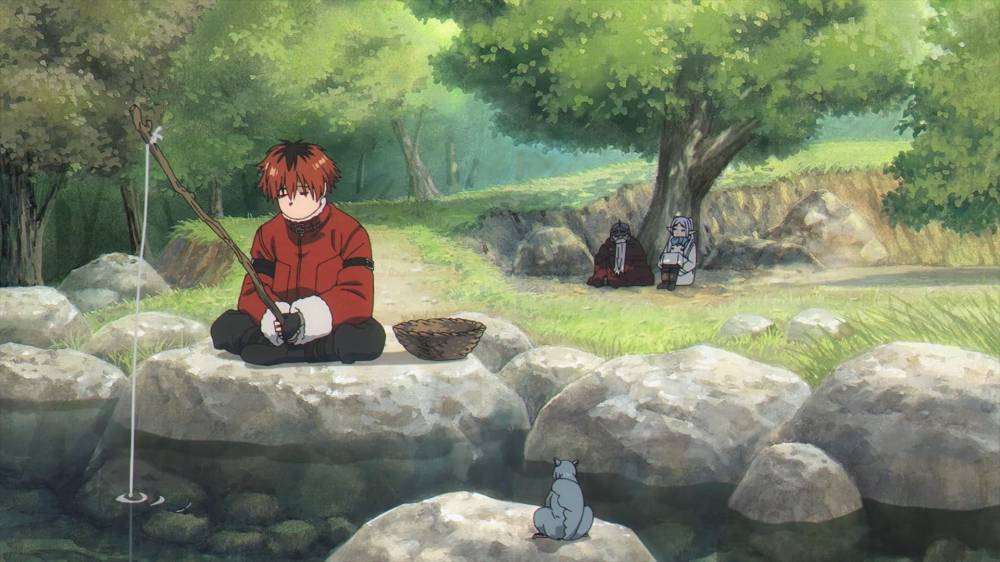
That isn’t to say that anime taking inspiration from big screen cinematography is limited to “Jujutsu Kaisen.” Other shows, such as “Frieren: Beyond Journey’s End” and “The Summer That Hikaru Died,” have shown to be comfortable with this sense of stagnation and mundanity in their otherwise fantastical settings.
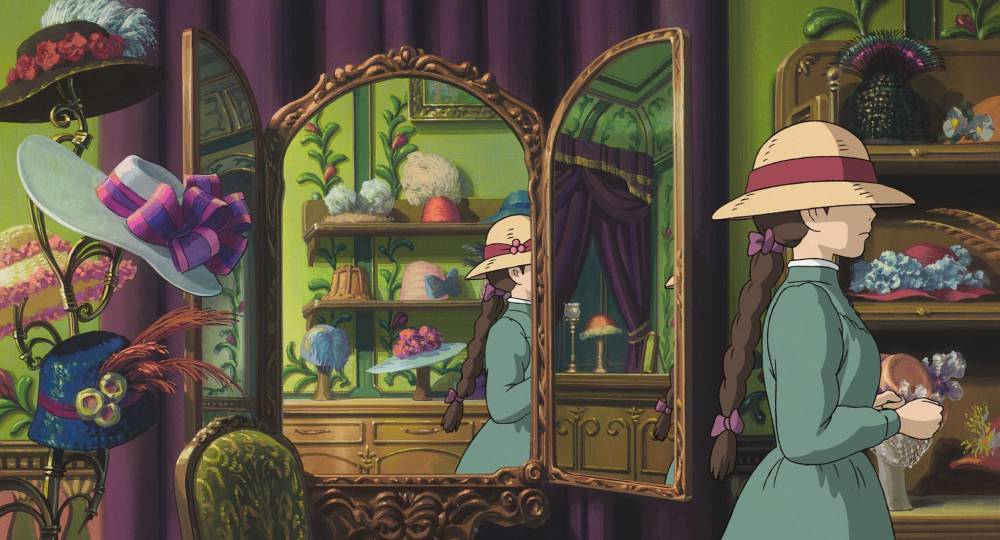
But even that isn’t new in the animation landscape. Popular anime films such as Studio Ghibli’s “Howl’s Moving Castle,” “The Boy and the Heron,” and classics such as “Paprika” and “Your Name” have all benefited from similar imagery. If anything, it was far more seen in feature films than in your weekly anime.

As seen in Western entertainment, there used to be a clear difference between television and cinematic releases. Budgets were incomparable, and this affected the very topics they covered: television featured mostly sitcoms and family dramas, while studios shelled out hundreds of millions of dollars for each production. It was only fairly recently that production costs skyrocketed with hit shows such as “Game of Thrones” and “Stranger Things” costing tens of millions of dollars per episode at their peak.
The same applies to anime. Barring the anomaly that is “One Piece,” a hundred-episode anime, which used to be the norm, is a feat that is rarely met. Seasons mostly span up to 12 episodes, 24 if you’re lucky, and it takes roughly two to three years between releases.
The cost? Unprecedented animation quality and experimentation outside of strictly adapting the material that we’re beginning to see more of.
But, if we’re looking at the tragedy of “One Punch Man Season 3,” which took roughly six years after its second season, and “Blue Lock Season 2,” which was released roughly two years after its debut season, that by itself isn’t a reliable standard for good quality—even if the anime itself is popular.