









When food feels so loud

Before trying trendy weight-loss fixes to shed holiday weight, it’s important to understand a hidden challenge that can sabotage your efforts year-round: food noise.
Though the term is new, the phenomenon is not. Food noise refers to persistent thoughts, urges, and cravings for food that even go beyond physical hunger. Despite intentionally eating healthy, the feeling that food is calling you can still creep in because of your food environment, lack of food planning, constant food restriction, and a stressed-out body.
Louder food noise manifestations can be experienced in these situations: You can open the fridge several times, even right after eating, fantasize a lot about food up until bedtime, and the constant thoughts can already affect your focus in other aspects of your life, making sustainable weight-control efforts extra challenging.
How GLP-1 drugs quiet food noise
The recent popularity of GLP-1 (glucagon-like peptide-1 agonists) weight-loss medications such as semaglutide (Ozempic) and tirzepatide (Mounjaro) has brought food noise to the forefront. These medications reduce food noise by mimicking the action of the naturally occurring GLP-1 hormone in the gut and brain, which signals fullness, helps control blood sugar, and reduces appetite-driven thoughts about food. And their effectiveness has attracted even people who are not obese or diabetic. What’s more, these medications are expensive, and without sustainable lifestyle changes, stopping them can lead to weight regain.
That said, it’s best for someone attempting to use these drugs to first consult a healthcare practitioner to decide if it is best for them, especially for those with eating issues and/or other health problems currently or in the past—as this might aggravate other physiological and psychological conditions.
Natural ways to reduce food noise
So, how can you naturally quiet food noise and build habits that last all year without relying on drugs? Instead of chasing quick fixes, focus on a strong foundation that frees you from constant food obsession while helping you stay at your fittest and most energized all year long.
I didn’t know the term “food noise” back then, but I definitely experienced it myself. During the holidays, I noticed food felt louder, especially on days when I was sleep-deprived or when I was surrounded by food gifts at home. Food noise comes and goes, but it doesn’t have to control you.

1. Make your home environment your secret weight-loss weapon
You plan to eat clean, but every time you open the fridge or see chips, pastries, or other ultra-processed foods on the counter. Your discipline is challenged. Constant exposure to these foods fuels cravings, making food noise louder. Maybe your healthy habit plans are being delayed because there are still Christmas cookies in the pantry.
But you don’t need to finish everything. Clean your kitchen now—give away leftover treats, freeze them, or store them in hard-to-reach spots so you can quiet food noise before it even starts.
Studies show that protein, fiber, and healthy fats can naturally stimulate GLP-1 in the body. Start by stocking these healthy, easy-to-access foods that can serve as snacks or meals, keeping them at eye level in your fridge or pantry:
- Fresh vegetables
- Portion-controlled mixed nuts and seeds
- Boiled eggs
- Natural Greek yogurt or nut milk
- Baked or boiled sweet potatoes
- Low-glycemic fruits (avocado, berries, pear, apple, orange)
- Beans
- Fish, chicken, or lean meats
- Oat
- Protein shake
Also, be mindful of external triggers—avoid watching food shows or scrolling social media while hungry, as these activities amplify your desire to eat unnecessarily.
2. Create a daily food game plan you can actually follow
Complicated healthy meals often set you up for failure. In our fast-paced world, we naturally gravitate toward quick solutions, or we give in to food noise, resorting to impulsive delivery or eating out. The key is simple: satisfying meals that take 10 to 20 minutes to prepare.
Over the years, I’ve mastered techniques that make this effortless:
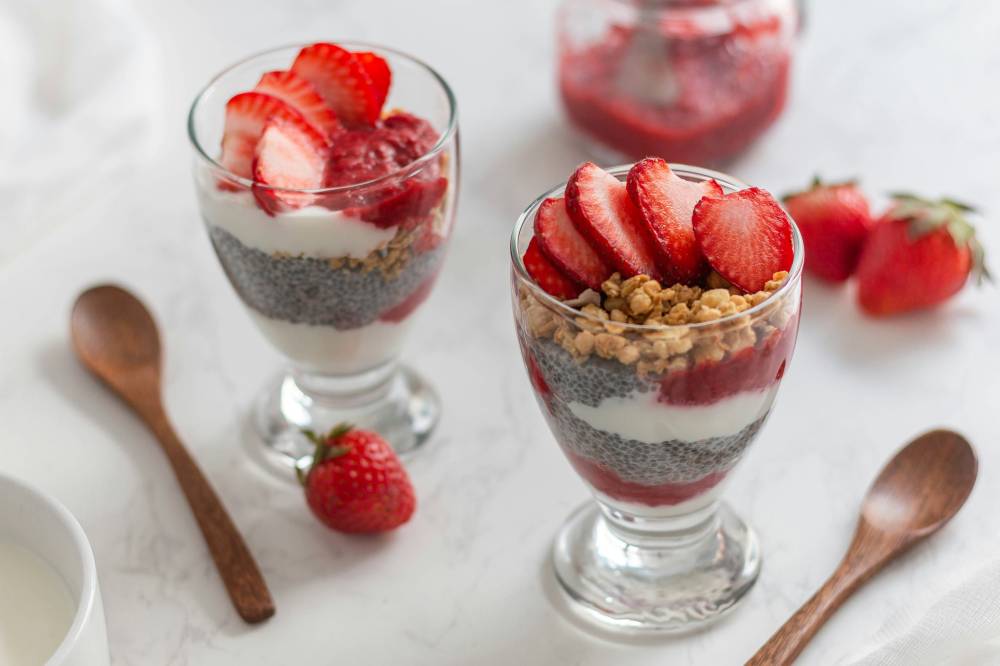
- Breakfast or snack: Prepare overnight chia pudding the night before—it takes just five minutes. Or try a sweet potato mixed with Greek yogurt, avocado mayo, and a protein like tuna, chicken, or lean ground beef
- For proteins: Use an air fryer for chicken, fish, or lean meats. While the protein cooks, wash, slice, then steam or stir-fry your veggies to save time
- Dinner: Keep evenings lighter with blanched veggies or a fresh salad paired with quick pan-seared salmon, lean steak, or pre-cooked baked/roasted chicken
While healthy food delivery meals can help address portion control and preparation challenges, they work best when personalized to your preferences, gender, age, activity level, hormone health, and goals. Otherwise, it may actually increase food noise.
Investing time in preparing your own meals, or asking a healthy cook or a nutrition coach for help, can make all the difference. A coach can also help create a bio-individualized meal plan tailored to your needs.
3. Don’t cheat yourself
One of the most important lessons I’ve learned: You cannot cheat your body. If you deprive it of the nutrients it needs to function—physically, psychologically, and emotionally—it will show. Energy dips, weakened immunity, and constant urges to eat more are your body’s way of signaling that something is off. Prolonged restrictive dieting might only amplify these cravings.

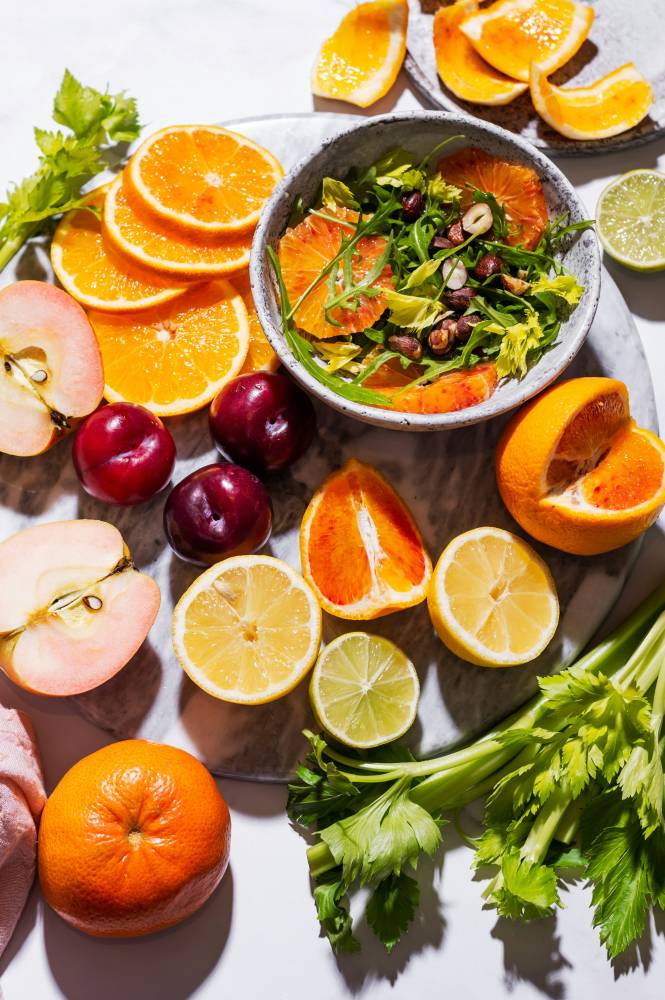
Give your body the quality food it needs to support fat loss, maintain or regain muscle, and fuel your daily life, while enjoying every meal. For example, a nutrient-dense meal with plenty of vegetables, enough quality protein source, healthy fats, and grains, and even a small portion of fruit for dessert can help keep you full, energized, and satisfied—quieting food noise naturally by stabilizing blood sugar and balancing hunger (ghrelin) and satiety (leptin) hormones.
You can reduce grains like rice if you like, but make sure to increase your vegetable intake instead. For instance, consider swapping white rice for rice-like veggies (such as cauliflower rice or mixed veggie rice).
You don’t need to overeat, but you also shouldn’t leave the table hungry (7 to 8/10 fullness) so you can comfortably get by on three to four meals a day with enough energy and focus for workouts, work, and daily life instead of thinking about food 24/7.
4. Develop a stress-resilient body
The strongest foundations for effective stress and energy management include frequent energizing movement, getting seven to eight hours of quality sleep, well-balanced, nutrient-dense meals, and a flexible mindset throughout the day.
Respect your body’s chronobiology. If you’re an early riser and exercise in the morning, you can eat within two hours of waking to avoid excess cortisol. If you practice intermittent fasting with a 12-hour eating window or less, adjust your first meal earlier in the day. Women should also consider their menstrual cycle: Intense fasting is generally not recommended during the luteal phase because during this time, they are more susceptible to stress.
Make sure your diet provides enough fuel to help you build muscles, support cardiovascular fitness (like running), and promote recovery—helping lower your resting heart rate over time.
Finally, your eating should allow room for treats without guilt, train a flexible mindset, and have a good relationship with food. Restrictive approaches often lead to food preoccupation, black-and-white thinking, and higher food noise.