











When we say “Protect the Dolls,” what do we really mean?


Across 25 years, nine Congresses, and more than 10 versions of the SOGIE Equality Bill, we have yet to see it passed into law. But despite the uphill battle, we continue to charge toward gender equality. We continue to equip ourselves with emerging literature, insight, and understanding toward approaching justice for gender minorities.
And the Simplified Legal Gender Recognition (LGR) Bill brings us a step closer to that.
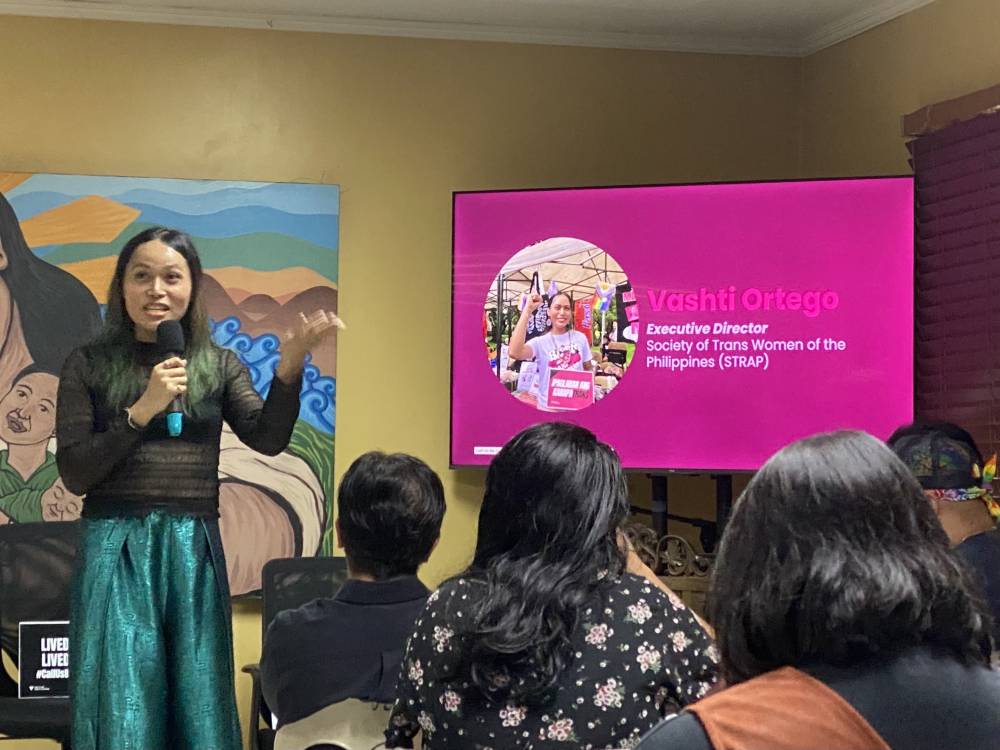
On June 30 of this year, trans advocates, feminist allies, and institutional partners gathered at the University of the Philippines Center for Women’s and Gender Studies to celebrate the launch of the LGR Bill. After heavily deliberating the timeliness of the bill, given that the SOGIE Equality Bill remains stalled, pioneers of the LGR bill finally decided to take this historic stride.
Drafted by the Society of Trans Women of the Philippines (STRAP), with support from Transmasculine Philippines, Pioneer Filipino Transgender Men Movement (PFTM), and Relentlessly Chase, the bill aims to provide a clear and accessible way for transgender and gender-diverse Filipinos to change their name and gender marker in official documents.
Why we need the Simplified Legal Gender Recognition Bill
No one is safe from gender-based discrimination, but trans and nonbinary individuals are most vulnerable to hate and violence. Not only is trans hate underreported, but often misrepresented. Throughout the history of violence against trans women in the Philippines—from the brutal murder of Jennifer Laude to the tragic shooting of Ren Tampus just this year—the LGR Bill emerged alongside an urgent and necessary call to action: to name this violence, to define these actions as motivated by transphobia and misogyny, and to accurately and responsibly report transfemicide.
The LGR Bill was drafted with thorough research on gender recognition practices around the world, but more importantly, through the lived experiences and testimonies of trans individuals in the Philippines. The lead drafter of the bill, Vashti Ortego of STRAP, emphasizes how the LGR Bill helps provide the dignity that gender minorities are so often denied. The right to change one’s name and gender marker in accordance with how one identifies is essential to all human beings.
It does not involve any special privileges; it merely secures every individual’s right to self-determination.
Crucial to understanding the proposed bill is that it does not require individuals to undergo medical gender-affirming procedures. In fact, it allows trans and nonbinary people to make informed decisions without the societal pressure to conform to gender norms or the gender binary.
By providing trans Filipinos the accessible means of changing their name and gender marker, the bill safeguards their protection by law. Plus, included in the LGR Bill is a heavy emphasis on confidentiality that will give people the option not to disclose their private information.
What it means to “Protect the Dolls”
Early this year, the phrase “Protect the Dolls” gained traction when American fashion designer Conner Ives wore a T-shirt with the three-word slogan at his London Fashion Week show finale. Celebrities like Pedro Pascal, Troye Sivan, Charli XCX, and Laverne Cox quickly followed suit.


But what does it really mean?
It is undeniably a good thing when the explicit demand for the protection of trans women reverberates across Hollywood, but it is not without its valid criticism. During the launch of the LGR Bill, Ortego made a striking and resonant remark on the popularity of the phrase, expressing her apprehension toward completely embracing the slogan.
Addressing cis men and women, Ortego eloquently states, “We are not here to bargain with you; we are here to take up space with you. We don’t need to be protected, samahan niyo kami.” Ortego demonstrates the need for cross-movement activism and solidarity, as the LGR Bill affects and implicates us all. The tried and tested adage remains true above all—trans rights are human rights.
The LGR Bill is not only an administrative act, but an emancipatory one as well. It shifts the narrative from the centering of those with the power to wield violence to the foregrounding of a community capable and worthy of joy.