






Where tradition meets rebellion and style sparks conversation

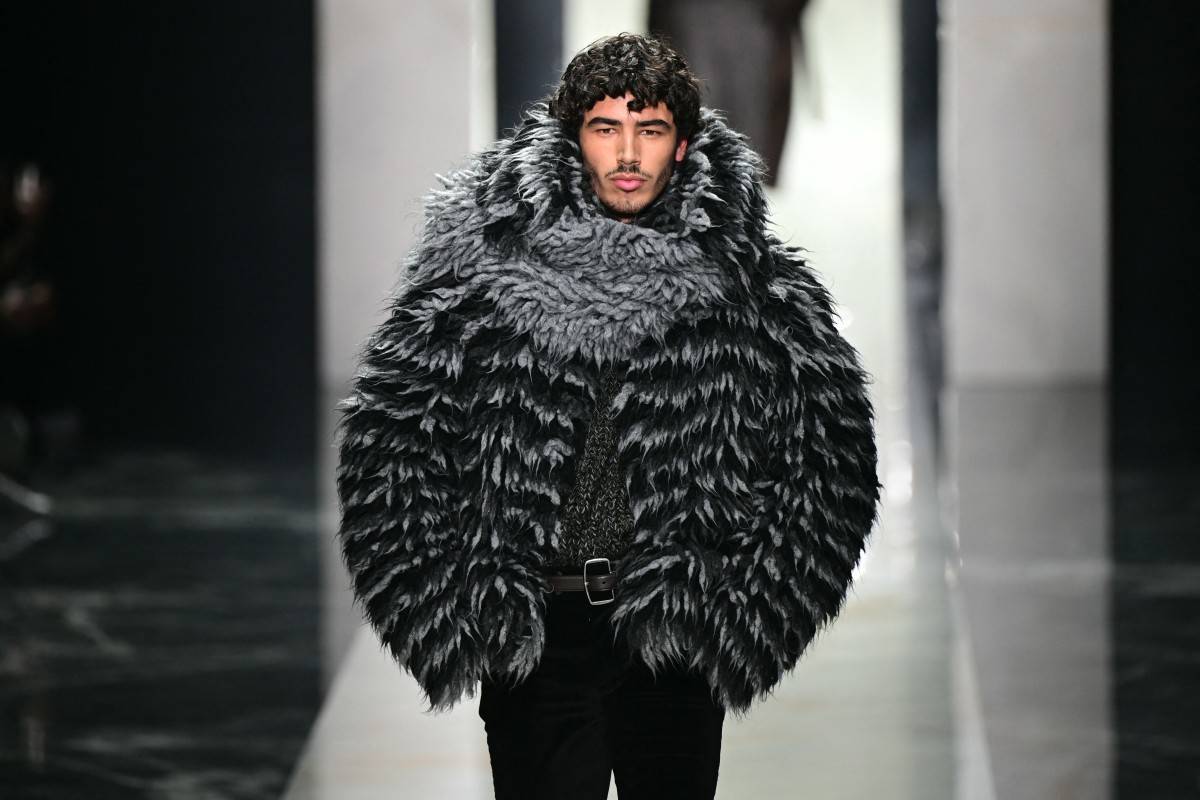
Milan Fashion Week Men’s FW26 wasn’t just about clothes—it was a cultural temperature check. Beneath the tailoring, leather, and textures sat a tension between craft and code, heritage and hype, spectacle and substance.
Designers seemed interested, not just in dressing a man, but also in questioning what “authentic” even means in an era of artificial intelligence, social justice, and accelerated trend cycles.
Here’s what truly defined the season.
1. The “Anti-AI” aesthetic in fashion
If fashion is a mirror, Fall/Winter 2026 held it up to the digital age—and didn’t flinch. Several major houses are exploring what critics call an “anti-AI” aesthetic—a deliberate turn toward human imperfection, intellectual irony, and visible craftsmanship—in a time dominated by algorithmic precision and digital reproduction. Beneath the surface, this trend raises questions about authenticity and the very meaning of “human touch.”
In Milan Fashion Week, Prada unveiled its Fall/Winter 2026 Menswear Collection: Before and Next. Co-creative directors Miuccia Prada and Raf Simons described the collection as exploring “archaeologies of thought, beauty, and lives.” The lineup feels intentionally cerebral, occasionally bordering on awkward.
On the runway, garments appear deliberately imperfect: cuffs bear molded stains, outerwear shows scuffs, leather accessories like bags look worn, and footwear carries signs of use with creases and scratches. The effect foregrounds imperfection as a form of value, challenging fashion’s long-standing obsession with pristine surfaces.
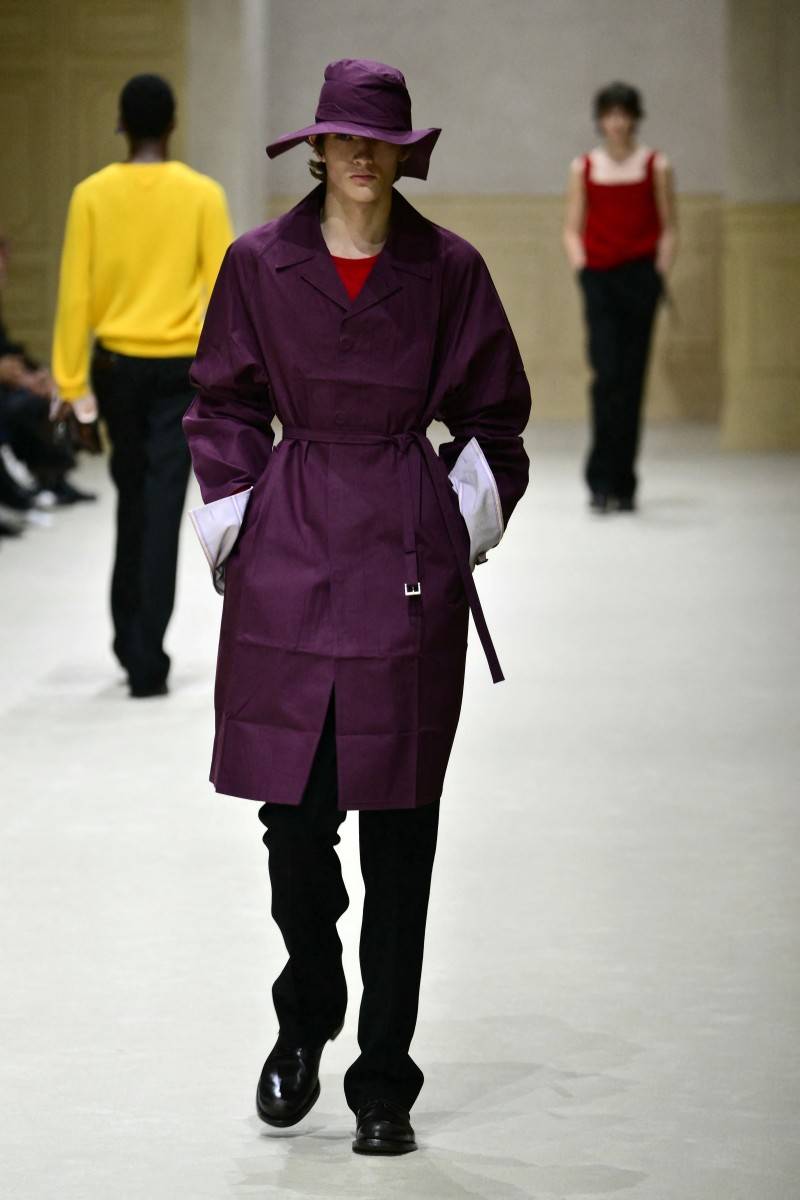
Styling choices—shirts worn backward, pant hems dragging along the floor, combat boots left partially unlaced—reinforce the lived-in immediacy of the collection. It evokes the impression of life and the passage of time, turning clothing into a witness to experience.
The concept echoes patina in watches—the natural, organic wear that develops over decades. Faux patina, by contrast, is a surface illusion: the signs of age are applied rather than earned. Prada’s approach engages with this idea, giving off the trending anti-AI aesthetic, though it can still come across as more of a just seasonal proposition of Prada.
Still, the collection brings a sense of character that goes beyond the typical runway uniform of skinny coats and sleeves. The imperfection and lived-in details give it charm and personality, which is exactly why it resonated with audiences.
2. Controversy as a constant companion on runways
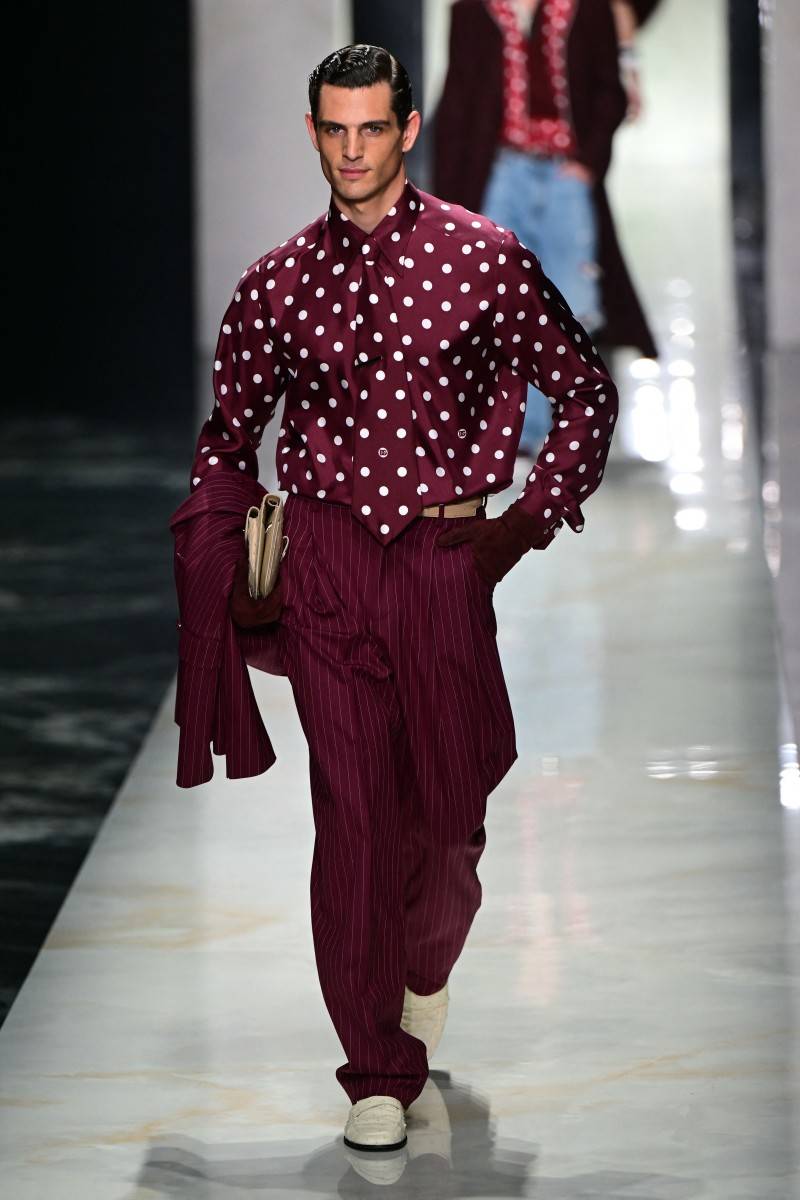
At Milan Fashion Week, Dolce & Gabbana drew widespread online backlash over its men’s Fall/Winter 2026–2027 presentation, which featured an all-white lineup of male models, despite being framed as a celebration of “the portrait of man.” Critics called the casting choice exclusionary and out of step with ongoing conversations around representation.
Bella Hadid added to the discussion by addressing the issue on Instagram. Responding to a clip that highlighted the lack of diversity, she wrote that she was “shocked people actually support this company still. It’s embarrassing. Models/stylists/casting the whole damn thing.” She didn’t stop there. In a follow-up comment, she wrote “beeeeen cancelled… years of racism, sexism, bigotry, xenophobia.. how are we shocked still?”
Her comments quickly spread across social platforms, reigniting wider debates within the fashion industry about diversity, responsibility, and what accountability should look like in the luxury space.
FW26 made one thing clear—for many consumers, clothes and designs alone are no longer enough. The audience is increasingly willing to interrogate who makes the clothes, what they stand for, and whether a brand’s values align with its image.

3. Setchu reimagines arctic menswear
This season’s Milan runways weren’t all about heritage giants. Setchu, the line by Japanese designer Satoshi Kuwata, quietly became one of the most talked-about newcomers this season. He showed his Fall/Winter 2026 collection in his new Milan studio, a serene, light‑filled space that felt more like a craftsman’s atelier than a traditional runway.
The biggest spark in Kuwata’s work came from his inspiration in Greenland. After a formative trip to that stark, elemental landscape, he took traditional ideas of Arctic survival gear—clothing designed to protect against extreme cold—and translated them into pieces that feel both functional and poetic. Overcoats, puffers, and layered outerwear carried an architectural energy, with structural pleating and volume that seemed to echo natural forms like mountains and valleys.
What makes this collection genuinely lovable is how Satoshi Kuwata played with structural folds, layered silhouettes, and modular pieces that could transform on the spot, like jackets that became bags.
4. Impeccable layering at Ralph Lauren
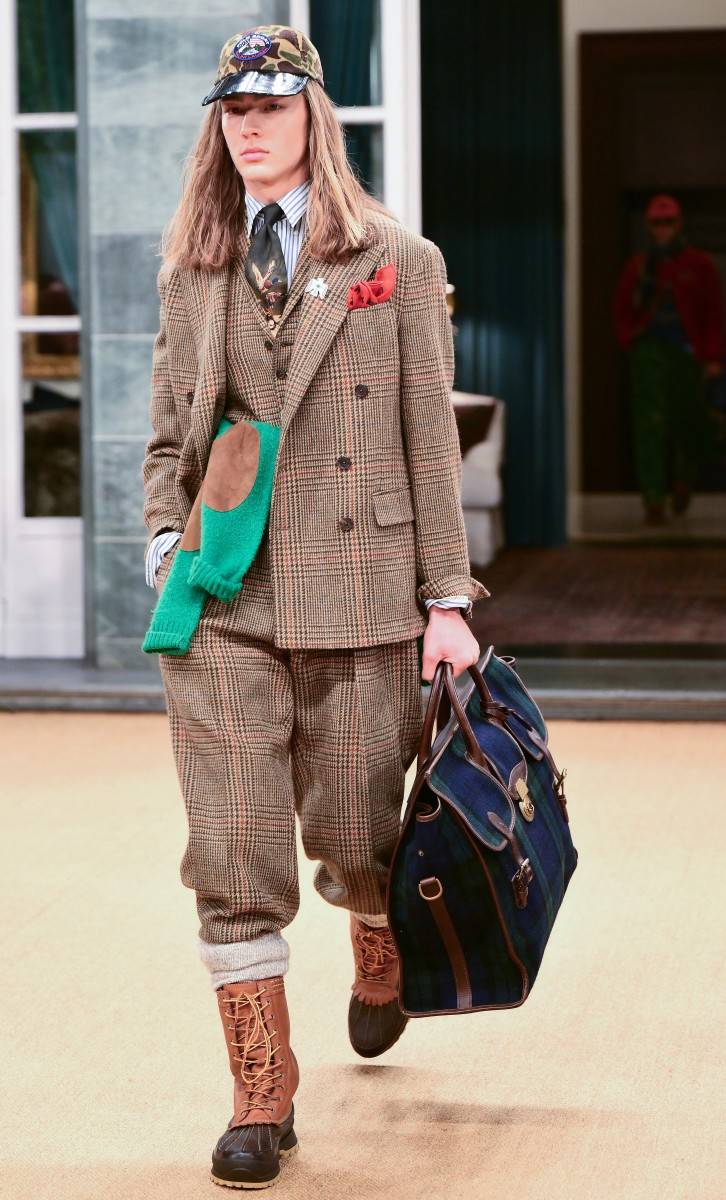
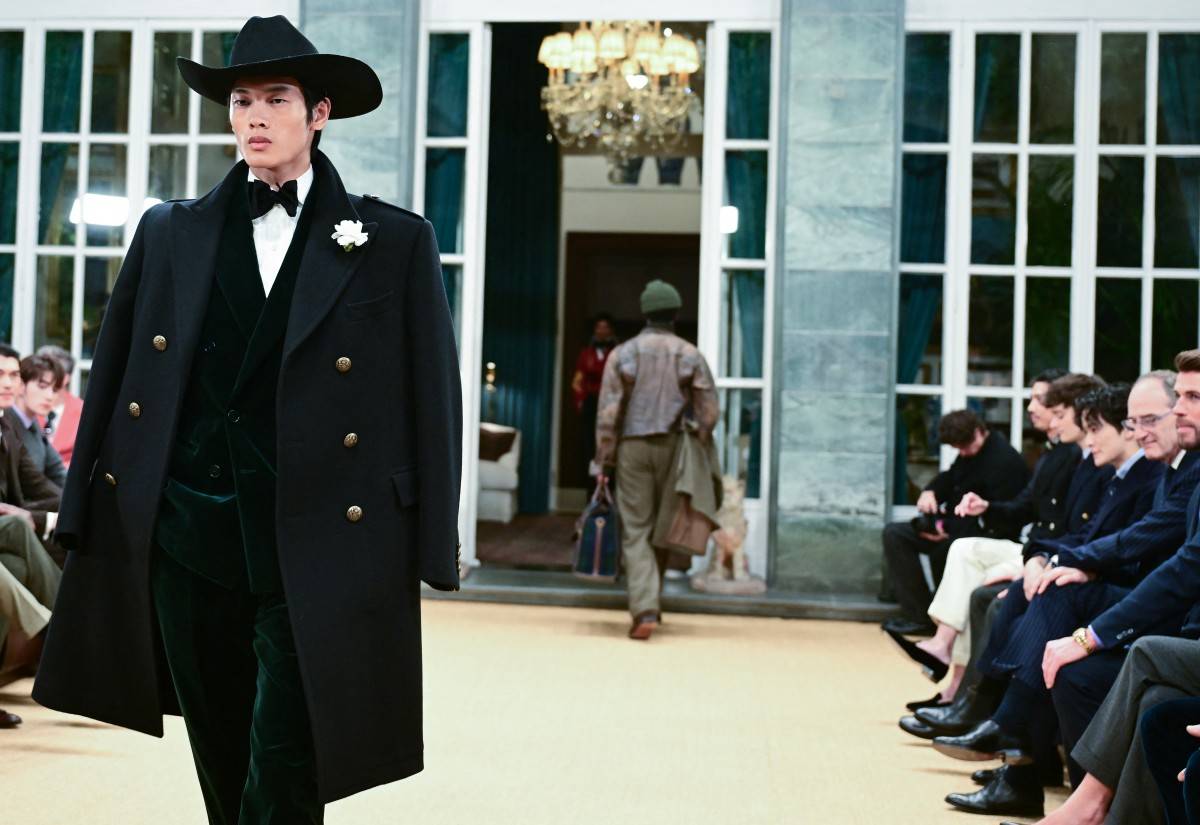
Ralph Lauren once again impressed with classic menswear, but in this season, layering stole the spotlight. The runway blended heritage and modernity by stacking knitwear under outerwear, work‑wear staples over tailored pieces, and sportier polo‑inspired layers alongside Purple Label’s suiting precision.
Knits and rugby‑striped sweaters draped under quilted jackets and flannel overshirts, while Alpine boots and utility outerwear gave texture and depth to looks that might otherwise read too classic. Meanwhile, cashmere sport coats and velvet blazers from Purple Label sat comfortably atop more casual bases, showing that Lauren’s dual identity thrives when pieces are stacked thoughtfully rather than just piled on.
Indeed, the show was a masterclass in thoughtful styling—teaching us how texture, proportion, and juxtaposition can transform classic menswear into something dynamic and expressive.