










Why ectoin is the ultimate all-rounder ingredient for your skin

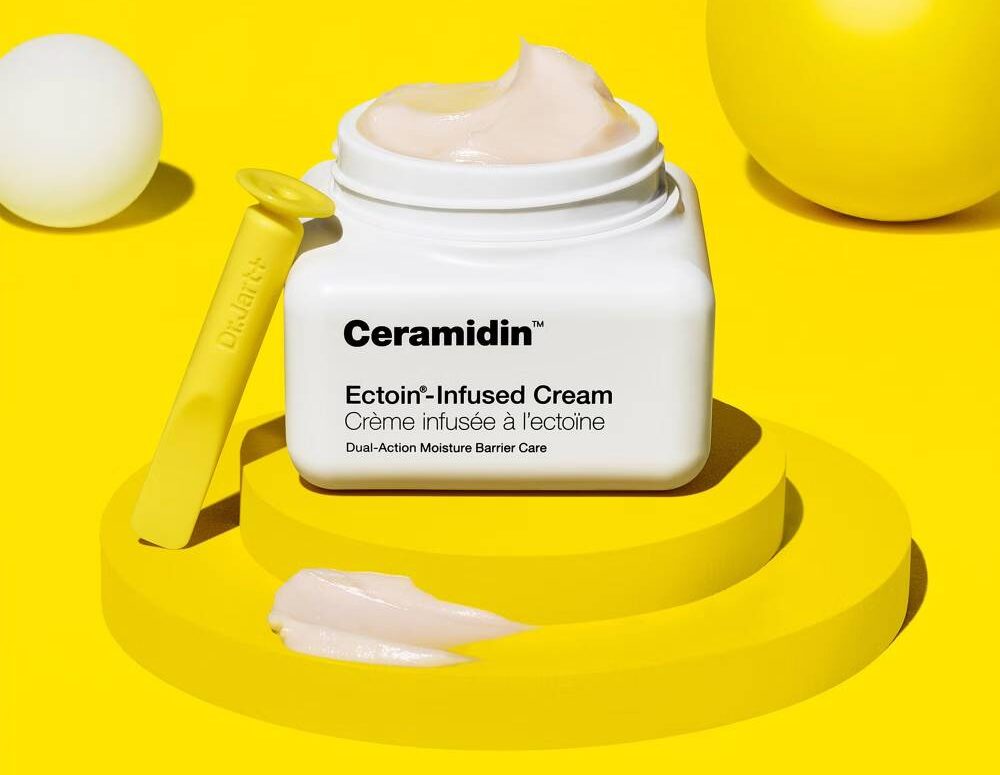
If skincare ingredients had personalities, hyaluronic acid would be the celebrity—loved, booked, and constantly trending. Ceramides would be the dependable best friend who always shows up. And ectoin? It might just be the most underrated skincare ingredient.
For years, this molecule worked quietly behind the scenes in dermatology labs. Now, she’s stepping into the spotlight—and the beauty world is finally realizing she should have been the main character all along.
What is ectoin?
Ectoin is a naturally occurring amino acid derivative known as an extremolyte—a stress-protection compound that enables organisms to endure harsh environments like salt lakes, hot springs, Arctic ice, and deserts. In skincare, ectoin provides a protective mechanism for the skin, forming a “hydration shell” around cells.
It acts as a humectant by binding water molecules and forming a biological hydration complex, which stabilizes cell membranes and reduces transepidermal water loss (TEWL). This allows the skin to retain moisture for longer periods, maintaining suppleness and resilience against dryness.
Scientific studies support these effects. In one clinical trial, adult female participants applied a two percent ectoin formulation over four weeks, demonstrating measurable improvements in skin hydration, elasticity, and surface structure—without any reported side effects.
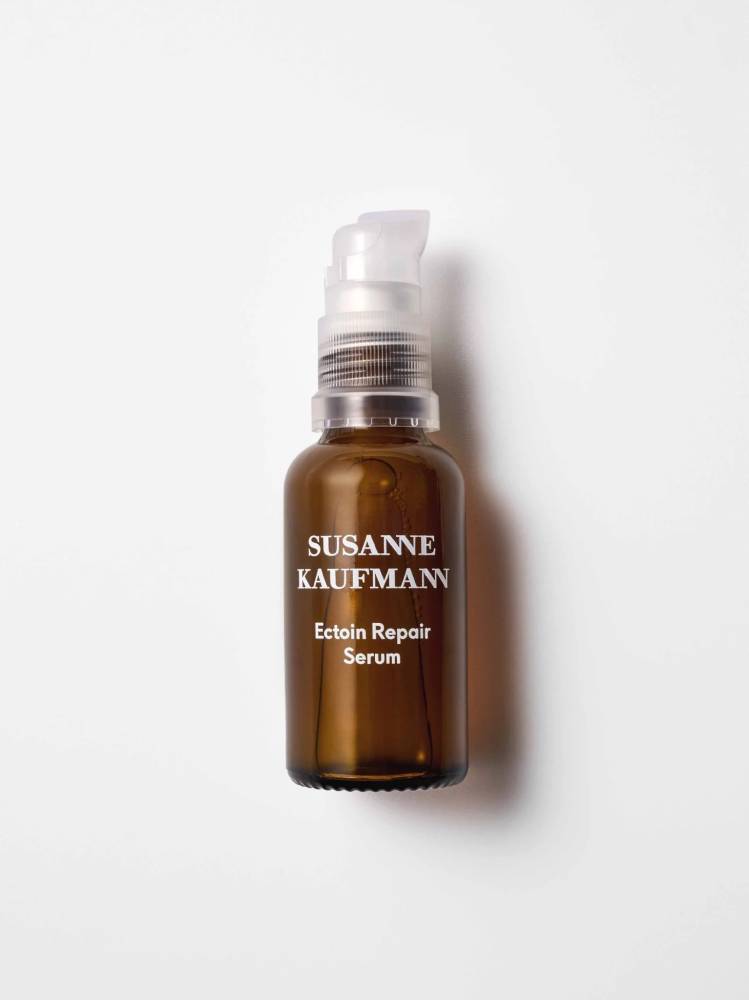
Hydration that lasts and protects
Many people turn to hyaluronic acid for hydration—and for good reason—but there’s also ectoin, which goes further. Ectoin creates a protective layer around skin cells, not only locking in hydration but also strengthening the skin’s barrier function.
Unlike basic antioxidants, which only neutralize free radicals after they form, ectoin acts preventively, reducing the formation of oxidative stress caused by environmental pollutants. A clinical in‑vivo study found that skin treated with ectoin experienced significantly less oxidative damage from pollution than untreated skin—and even outperformed standard antioxidant protectants. This shows that ectoin works at a deeper, cellular level.
Beyond prevention, it also actively supports repair in skin already stressed by factors such as UV exposure, pollutants, blue light, and allergens. In fact, its benefits extend across multiple layers of skin health: It strengthens the barrier, reduces inflammation and irritation, improves visible signs of aging like wrinkles and uneven texture, and enhances the skin’s resistance to allergic reactions from airborne triggers like pollen.
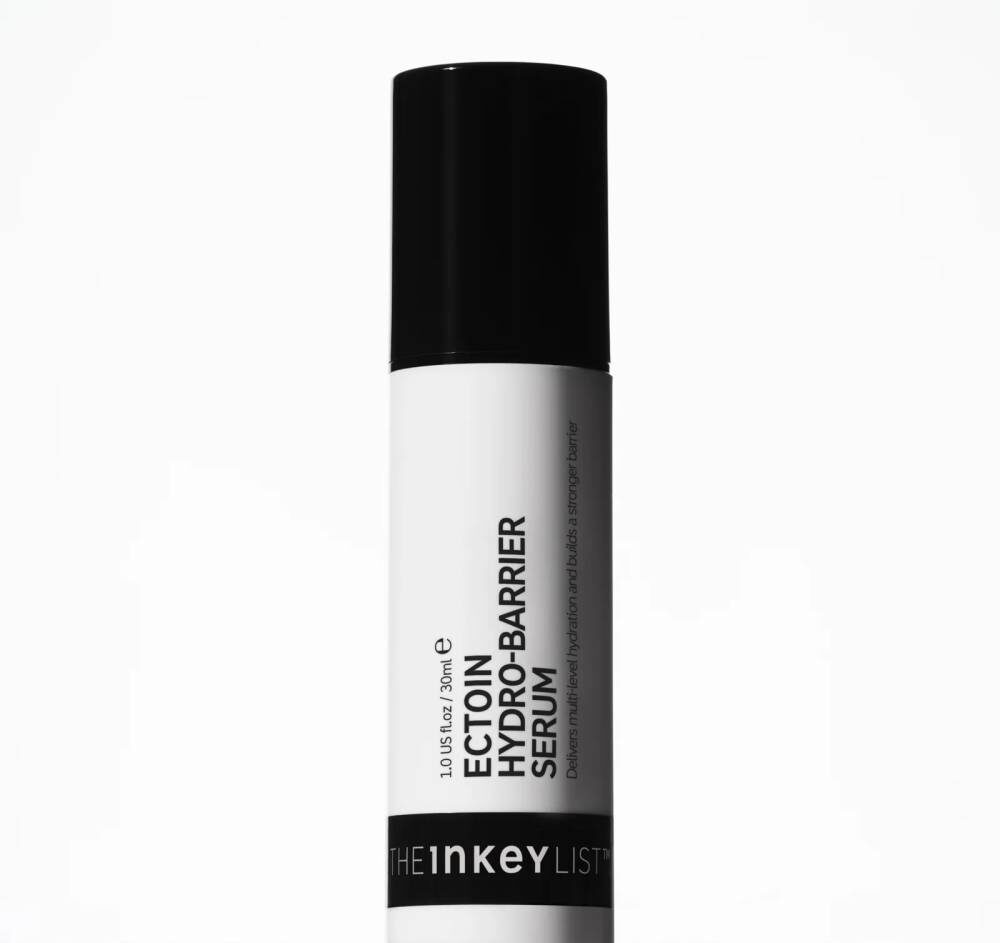
Hyaluronic acid versus ectoin
When comparing ectoin and hyaluronic acid, it’s important to recognize that both ingredients excel in different areas of skincare. Hyaluronic acid has long been celebrated as a powerful humectant, capable of holding up to 1,000 times its weight in water. It draws moisture into the skin and delivers an immediate plumping effect, making it a go-to for hydration.
However, its performance often depends on formulation and molecular size—some forms sit on the surface, while others penetrate more deeply—and results can be temporary, especially in very dry or low-humidity environments where hyaluronic acid may even pull moisture from the skin itself.

Ectoin, on the other hand, offers a more comprehensive and long-lasting approach to skin protection. Beyond hydrating the skin, it strengthens the moisture barrier, improves overall resilience, and protects cells against environmental stressors such as UV exposure, pollution, temperature changes, and blue light. Its ability to stabilize cell membranes even gives it a protective edge, allowing the skin to retain moisture more effectively and repair itself more efficiently.
What makes it particularly compelling is its versatility. It works well for sensitive, stressed, or easily reactive skin, and it remains effective in all climates—something hyaluronic acid struggles with at times. Living in a tropical and pollution-heavy country like the Philippines, ectoin becomes especially relevant. The combination of intense UV exposure, high humidity, fluctuating temperatures, and urban pollution can easily compromise the skin barrier.
And ectoin’s protective and stabilizing properties make it well-suited for these environmental challenges.
Hyaluronic acid remains excellent for boosting moisture, but ectoin stands out as a more well-rounded ingredient—arguably the “main character” of skincare we never knew we needed. So next time you shop, don’t just hunt for hyaluronic acid—look for ectoin, too.