











Why everyone wants ‘vintage’ sunglasses

Sunglasses used to be seasonal. Something you bought before a beach trip, wore into the ground for three months, and forgot about the moment the weather shifted. Functional. Replaceable. Slightly impulsive. Now, they are something else entirely.
Sunglasses have become archival.
Not in the museum sense—but in the way people talk about them, search for them, collect them. Frames are no longer just accessories. They are references. To decades. To icons. To very specific moments in fashion history.
And increasingly, “vintage” is the starting point.
Two extremes that coexist
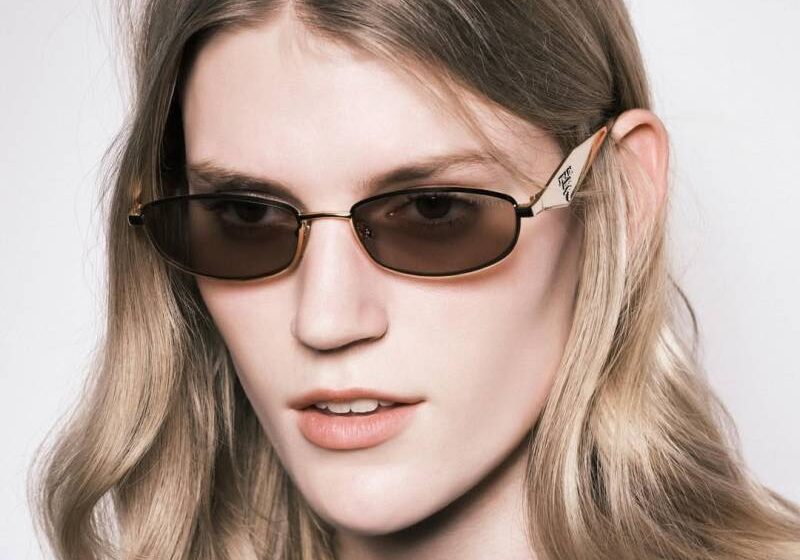
The obsession began quietly with the return of ‘90s minimalism. Tiny, narrow lenses—once dismissed as impractical—reappeared on faces, in street style, across campaigns. The appeal was not coverage. It was attitude. The king is slightly aloof, model-off-duty energy that feels effortless but highly coded.
Brands like Prada leaned into this revival early, reintroducing slim, rectangular silhouettes that felt pulled straight from late ‘90s editorials. What could have read as costume instead felt precise.
Then came the swing in the opposite direction.
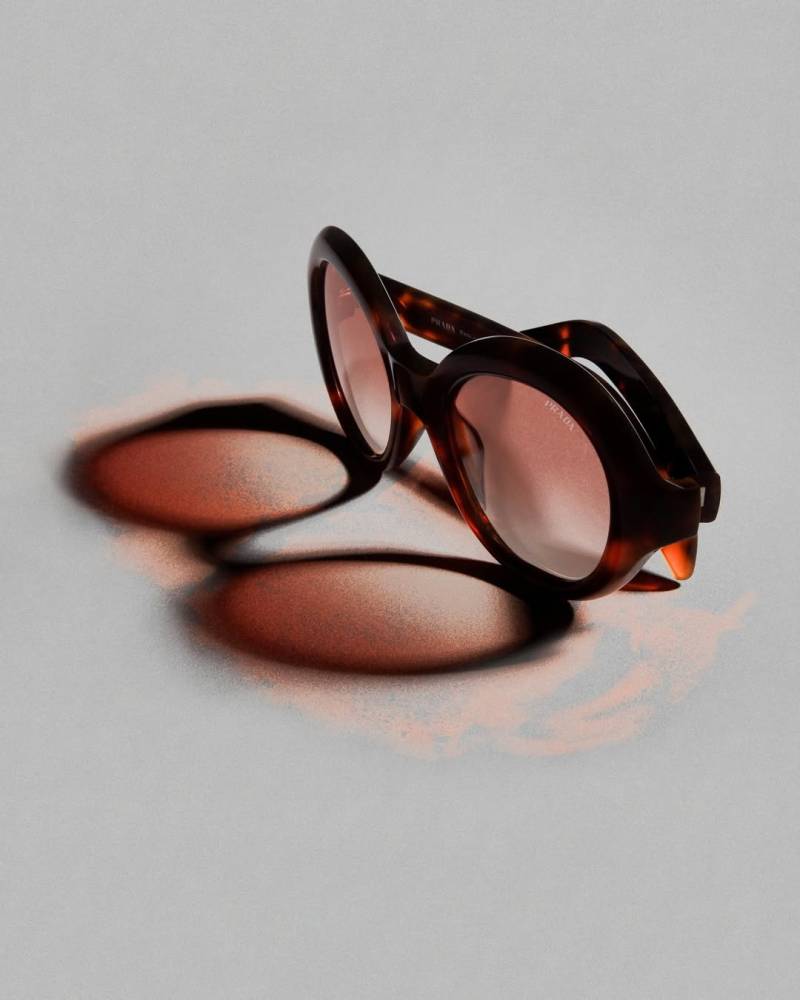
Oversized 2000s sunglasses—once synonymous with paparazzi culture and celebrity anonymity—returned with equal force. Large, face-covering lenses, gradient tints, heavy frames. The kind of sunglasses that do not just accessorize an outfit, but dominate it.

The revival of these shapes through brands like Gucci reframed them from tabloid excess to fashion statement. Suddenly, looking slightly hidden, slightly untouchable—felt relevant again.
What is interesting is not that both extremes came back. It is that they coexist.
Tiny ‘90s frames and oversized 2000s shields sit side by side in the same wardrobes, the same feeds, the same mood boards. The choice between them is not about trend compliance. It is about identity.
Do you want to be seen or observed? Do you want to reveal or conceal?
Shaping perception, signaling knowledge
Sunglasses, more than most accessories, shape perception instantly. And that is exactly why the conversation has moved toward archive-inspired frames.
Rather than chasing whatever silhouette is currently trending, consumers are looking backward—searching for specific models, collections, and references. Not just “‘90s sunglasses,” but which ‘90s sunglasses. Not just oversized, but whose oversized.
This is where brands like Chanel and Dior re-enter the picture—not just through new releases, but also through their archives. Vintage Chanel frames from the early 2000s, Dior’s tinted wraparound styles, logo-heavy charms, colored lenses—all of it resurfaces with new relevance.
The value is not just aesthetic. It is specificity.
Owning a pair of archive-inspired sunglasses signals knowledge. It suggests you are not just following trends—you are referencing them. It is a quieter, more informed kind of fashion influence.
And in a landscape saturated with fast-moving micro-trends, that kind of fluency stands out.

Luxury-adjacent but accessible
There is also a practical reason behind the shift. Sunglasses are one of the few luxury-adjacent items that feel relatively accessible. You can buy into a brand, an era, an aesthetic—without committing to a full ready-to-wear look. Compared to bags or shoes, they offer a lower-risk entry point into fashion’s archival conversation.
They are small, but they carry weight. They can change the tone of an entire outfit. They can make something feel older, sharper, more intentional. They can turn basics into something referential.
And perhaps most importantly, they feel personal.
Unlike handbags, which are often instantly recognizable, or clothing, which can be tied to specific seasons, sunglasses sit slightly outside the cycle. They move across time more fluidly. A good pair does not feel dated—it feels rediscovered, and that sense of rediscovery is key.
Right now, fashion is not just about what is new. It is about what can be found again.
More than just nostalgia
The rise of “vintage” sunglasses is not really about nostalgia. It is about control. About choosing your references instead of being handed them. About building a visual identity that pulls from different decades without belonging entirely to one.
Tiny ‘90s lenses. Oversized 2000s frames. Archive-inspired hybrids that blur the line between past and present. None of them feel accidental—they feel selected.
And in a fashion landscape increasingly defined by curation over consumption, that might be the most modern choice of all.