










Why fashion marketing sounds the same in every country now


There was a time when fashion marketing carried an accent. Campaigns reflected where they came from—not just geographically but also culturally. You could tell when something was Italian, Japanese, Brazilian, or Filipino without reading the press release. Today, that distinction is harder to find.
Luxury fashion now speaks in a globalized voice that is technically efficient but emotionally flat. Campaigns are polished, perfectly placed, and instantly recognizable—yet strangely interchangeable. Swap the city, change the cast, translate the captions, and the message remains the same. The result is marketing that travels everywhere but belongs nowhere.
This piece will explore how the push for global consistency—driven by social media algorithms, centralized branding teams, and the fear of misinterpretation—has drained fashion marketing of local specificity. In trying to speak to everyone at once, brands have lost the nuance that once made them compelling in different markets.

Same message, different audience
From Southeast Asia to the Middle East to Latin America, local fashion ecosystems are growing more creative and confident yet global campaigns rarely reflect that energy. Instead, they flatten it. Local cultures become backdrops rather than voices. Cities turn into aesthetic settings rather than lived realities.
The irony is that fashion has never had a bigger global audience—and yet its messaging has never felt more uniform. When marketing sounds the same everywhere, it stops meaning anything anywhere.

Nowhere is this sameness more visible than in the way global luxury brands execute their campaigns today. A single visual narrative is created at headquarters, then deployed worldwide with minor cosmetic changes. The city shifts, the cast rotates, the caption is translated—but the message stays identical.
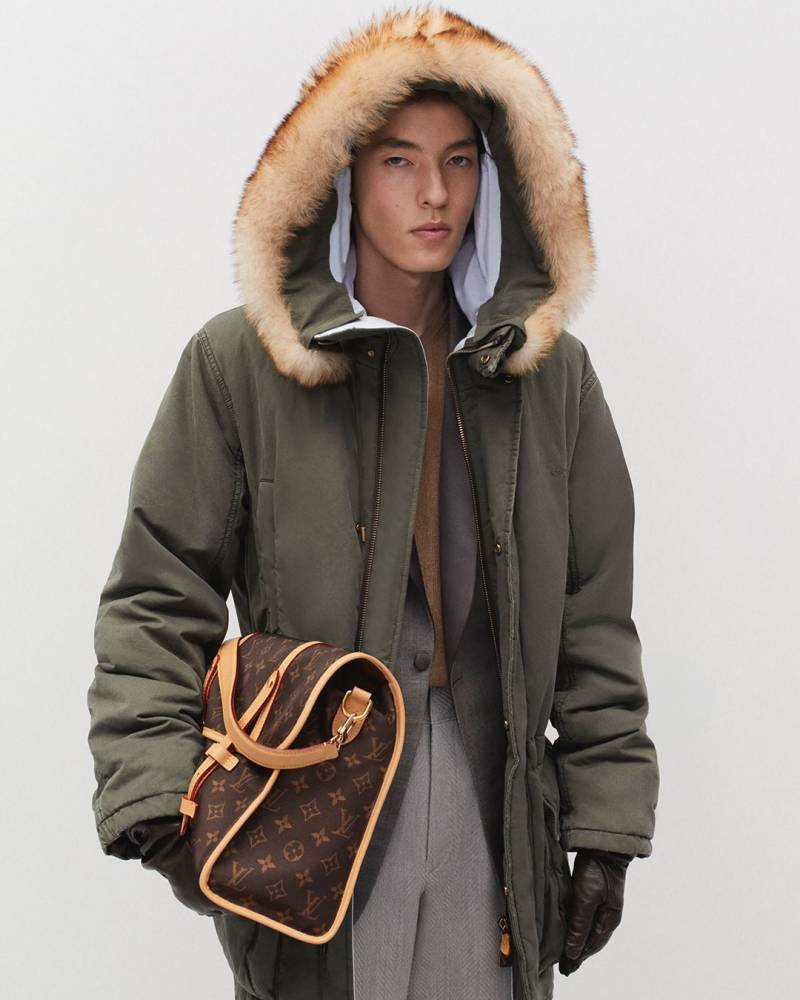
Take how houses like Louis Vuitton or Dior approach global storytelling. Their campaigns are impeccably produced, cinematic, and instantly recognizable—yet often interchangeable across markets. A shoot staged in Seoul could easily mirror one in Paris or New York. The locations become aesthetic backdrops rather than cultural anchors.
Storytelling that loses its soul
In Southeast Asia, where fashion culture is shaped by climate, street style, and a strong relationship to craft and community, global campaigns rarely engage with those realities. Brands such as Gucci or Saint Laurent maintain a consistent visual language across Manila, Bangkok, and Jakarta, favoring brand codes over local nuance. The result feels aspirational, but detached from how fashion actually exists on the ground.
The Middle East presents another contradiction. Markets like Dubai and Riyadh are among luxury’s strongest consumers yet campaigns often default to familiar tropes—dramatic silhouettes, desert imagery, architectural minimalism. Even when a brand like Bottega Veneta activates in the region, the storytelling remains filtered through a global lens rather than shaped by local voices.
In Latin America, cities such as Mexico City and São Paulo are regularly featured in fashion narratives, yet rarely allowed to define them. Brands lean into vibrancy and movement—a familiar shorthand—while overlooking the region’s depth, politics, and evolving fashion ecosystems. The visuals travel well, but they flatten complexity.
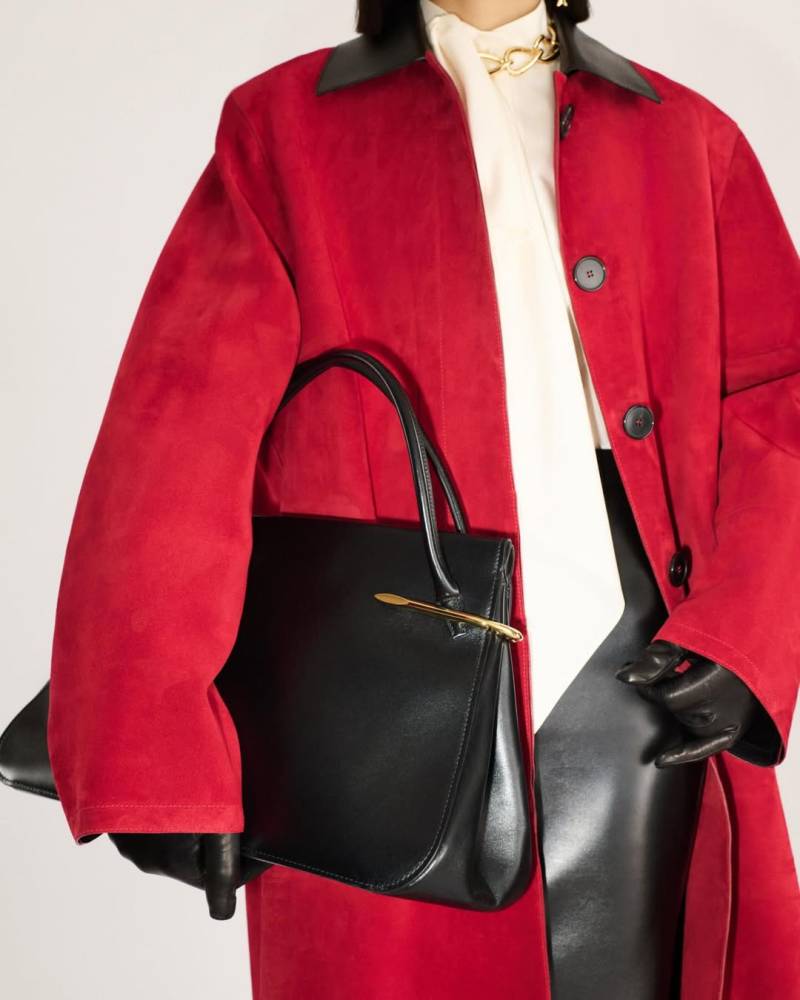
Even in fashion’s traditional strongholds, the language has narrowed. Across Europe and the United States, luxury marketing increasingly favors neutrality: clean backdrops, ambiguous casting, minimalist styling. It is a strategy designed for global legibility, but it often drains campaigns of personality. They look right everywhere—and linger nowhere.
This uniformity is not accidental. Centralized creative teams, global content calendars, and algorithm-friendly imagery reward consistency over specificity. A campaign that reads the same across markets is easier to control, easier to distribute, and less likely to misstep. But it is also less likely to resonate deeply.
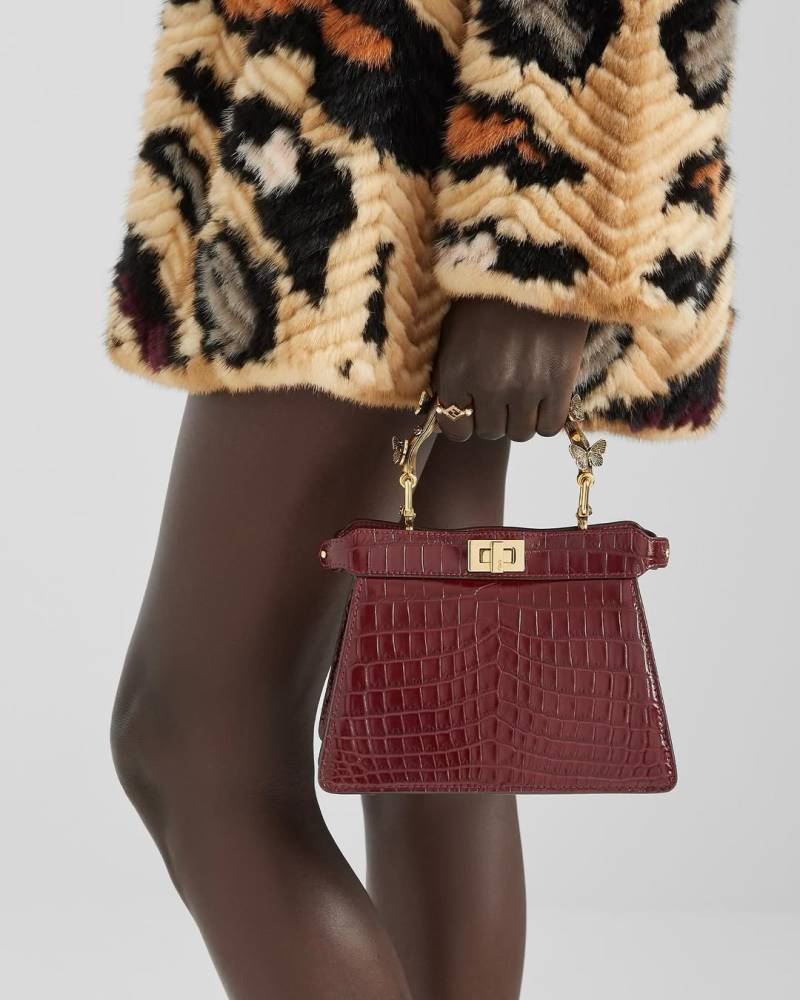
Fashion thrives on difference. When marketing smooths those differences into a single global voice, it turns culture into scenery. The clothes remain luxurious—but the storytelling loses its soul.

Remembering how to listen
There are, however, rare exceptions—and they prove the point. Loewe has managed to retain a global identity without flattening cultural context.
Previously under Jonathan Anderson, the brand’s campaigns and activations often leaned into local craft, local collaboration, and regional storytelling without turning them into aesthetic props. Rather than imposing a single visual language everywhere, Loewe allows its identity to be interpreted through place. Craft is not used as decoration, but as narrative. Whether highlighting artisans, material processes, or cultural specificity, the brand’s messaging feels rooted rather than exported.
This approach works because it trusts the audience. It assumes that consumers can engage with nuance, that difference does not dilute brand identity but strengthens it. Loewe remains unmistakably itself—yet never generic. The brand proves that global recognition does not require cultural erasure.

And that is the real issue at the heart of fashion marketing today. Sameness is not the result of globalization alone, but of fear—fear of misinterpretation, of controversy, of standing out in the wrong way. In choosing safety, brands have chosen uniformity.
Fashion, however, has always thrived on specificity. Its most memorable moments came from tension, contrast, and context. When marketing speaks in a single global voice, it may travel farther—but it stays for less.
If fashion wants to feel relevant again, it must remember how to listen.