








Why film and TV fashion feels more influential than runways again

For a long time, the runway dictated fashion’s visual language. Shows set the tone, editors translated it, and the rest of us followed. But lately, the most influential fashion moments are not happening under spotlights or inside tents—they are unfolding on screens.
Film and television have reclaimed their power as fashion drivers, not because the clothes are louder, but because the stories are. A look worn over 10 episodes carries more emotional weight than one seen for 90 seconds on a runway. Viewers watch characters live in clothes, repeat them, ruin them, and grow into them. Style becomes memory, not just image.
This shift explains why a cardigan from a series feels more covetable than a runway look that went viral for 24 hours. Costume design builds intimacy. It gives fashion context—who the character is, what they are becoming, what they are hiding. In an era oversaturated with spectacle, storytelling feels radical again.
Powerful movements, told in narratives
Runways still matter, but they no longer monopolize influence. The most powerful fashion moments now come from narratives we invest in emotionally, not just visually. That may say less about film and television, and more about what the fashion industry has forgotten how to do.
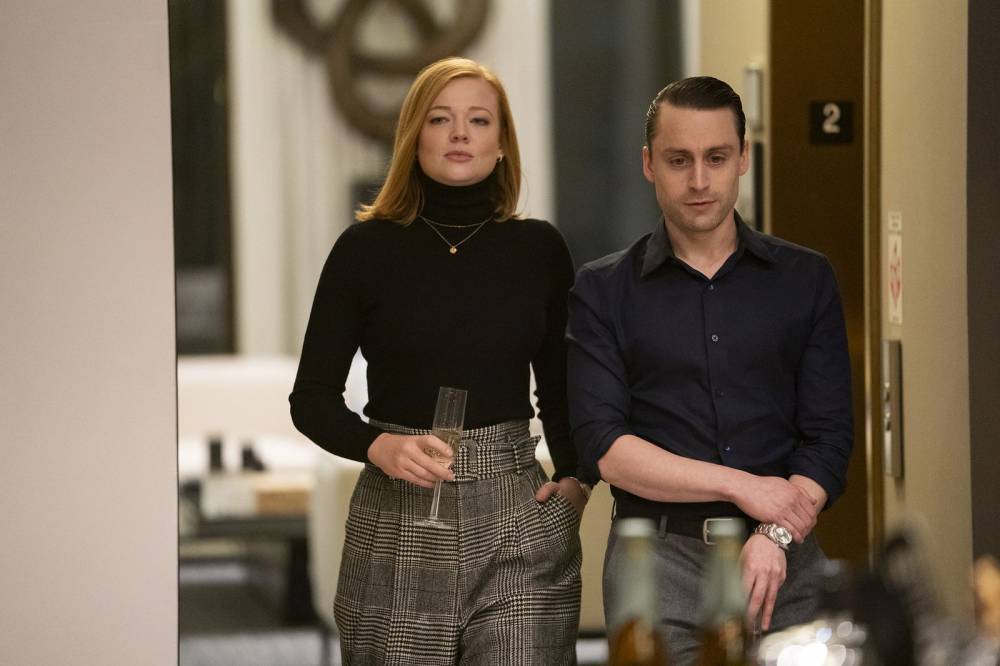
Recent television has done what runways increasingly struggle to do: make fashion feel personal again. Consider how “Succession” turned restraint into a visual language. The quiet tailoring, muted palettes, and repetitive silhouettes were not about trends—they were about power. Shiv Roy’s evolving wardrobe communicated ambition and compromise, long before the scripts did. The clothes were not designed to be noticed; they were designed to be understood.
“Succession” did not just popularize “quiet luxury,” it recalibrated how brands like Loro Piana, Brunello Cucinelli, and The Row were perceived. These labels were not styled to be aspirational in a traditional sense– they were styled to signal power without performance. As a result, pieces that had existed quietly for years suddenly became cultural shorthand for wealth, restraint, and control.
No runway moment could have achieved that level of narrative clarity.
Shaping an entire generation
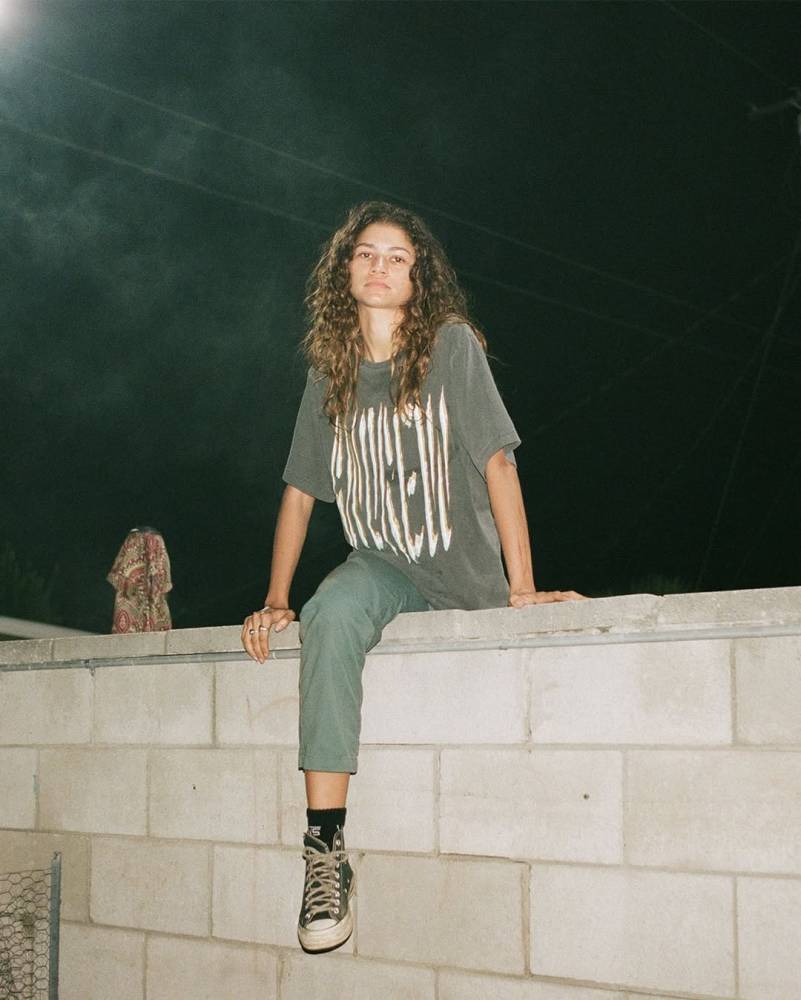
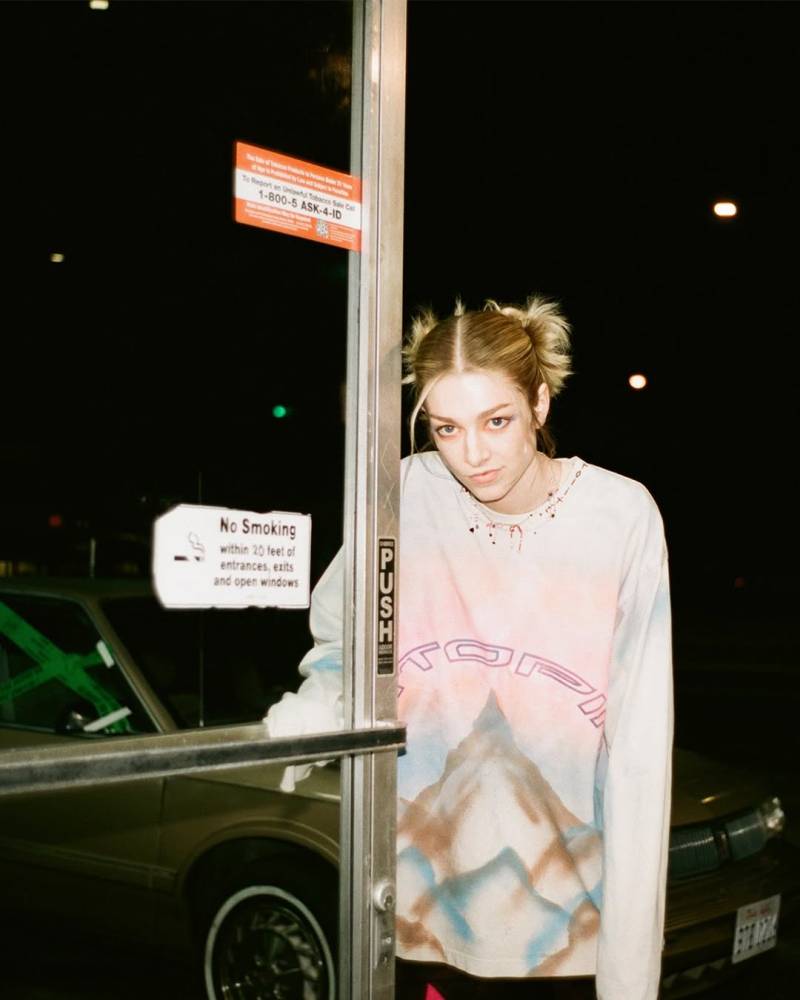
“Euphoria” operated at the opposite end of the spectrum yet achieved the same influence. Its hyper-stylized looks blurred fantasy and reality, shaping an entire generation’s relationship with makeup, Y2K revival, and emotional dressing.
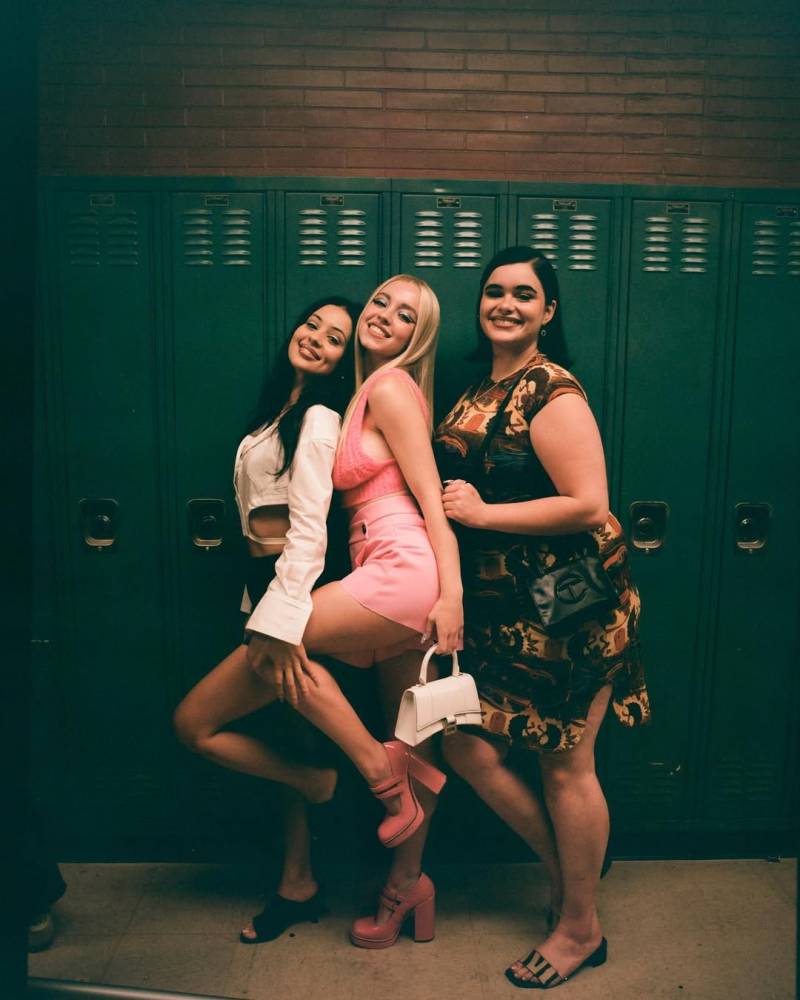
The costumes were messy, excessive, and intimate—and that intimacy is what made them contagious.
Viewers did not want to replicate the outfits exactly; they wanted to inhabit the feeling behind them. Similarly, “Euphoria” blurred the boundary between costume and collaboration. Designers and brands did not just dress the characters—they absorbed the show’s visual language. Miu Miu’s resurgence, the revival of micro silhouettes, and the renewed appetite for expressive, emotionally-driven dressing all unfolded alongside the show’s influence. The runway followed the mood the screen had already set.
Driven by period and purpose
Then there is “The Bear,” where fashion works through absence rather than excess. Worn-in white tees, beat-up denim, jackets that feel lived in—the show’s wardrobe resonated precisely because it rejected polish. That now-iconic T-shirt moment did more for quiet luxury discourse than several seasons of minimalist runway collections. The clothes mattered because they belonged to the character, not the camera.
“The Bear” demonstrated how understated styling can elevate brands without overt placement. The white T-shirt moment sparked renewed conversations around American basics, workwear, and authenticity—values that brands have been trying to communicate for years through collections and campaigns.
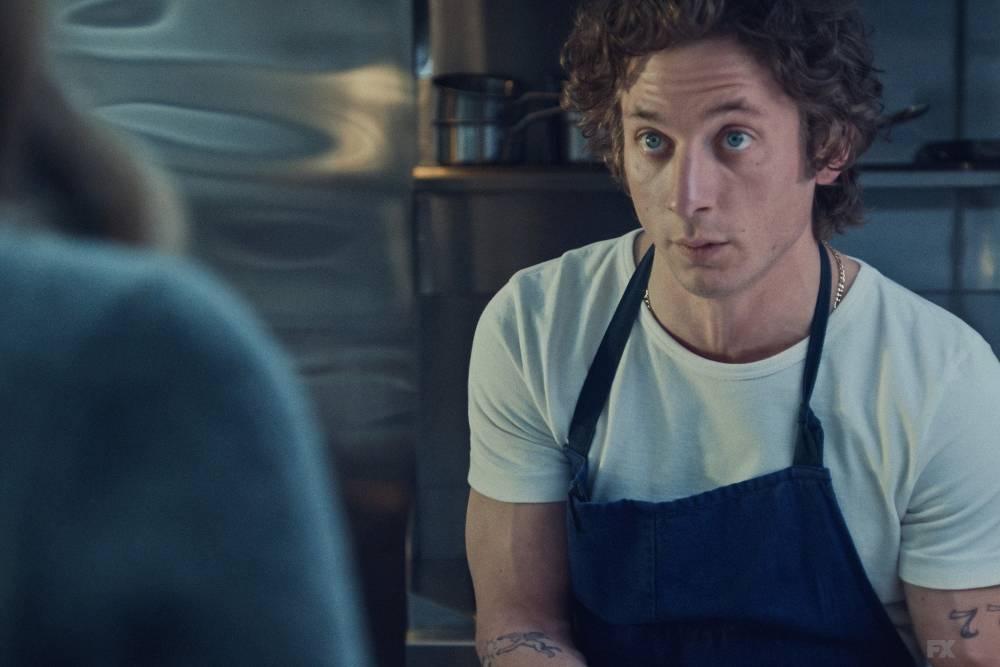
The difference was context. On screen, the clothes had purpose.
Even period-driven shows like “The Crown” or “Bridgerton” demonstrate how costume design can influence modern taste when it is allowed to evolve. The silhouettes may reference the past, but the emotional pacing is contemporary. Fashion becomes a bridge between eras rather than a replica of one.
A story that only time can tell
What unites these examples is not scale or budget, but duration. Fashion on screen unfolds over time. It repeats. It changes subtly. It allows viewers to build attachment. Runway fashion, by contrast, often relies on immediacy—the shock of the new, the viral clip, the single image that must explain everything at once.
In a culture oversaturated with images, fashion that comes with a narrative has the advantage. It does not ask for attention; it earns it. And that may be why film and television feel more influential again—not because they are replacing the runway, but because they are doing what fashion once did best: telling stories through clothes.
Luxury houses have noticed. Designers increasingly reference film and television not just as inspiration, but as validation. Costume designers are consulted. Archives are loaned. Characters become ambassadors without contrast. Storytelling replaces spectacle as the most persuasive form of branding.
This is not a rejection of the runway—it is a reminder of what fashion gains when it is allowed to live. Clothes mean more when they move through a narrative, when they repeat, when they age, when they carry emotional residue. Film and television offer that time.
And in a fashion system obsessed with immediacy, time has quietly become the most influential luxury of all.
******
Get real-time news updates: inqnews.net/inqviber