











Why ‘Grandma Chic’ is becoming an interior design trend ahead of 2026

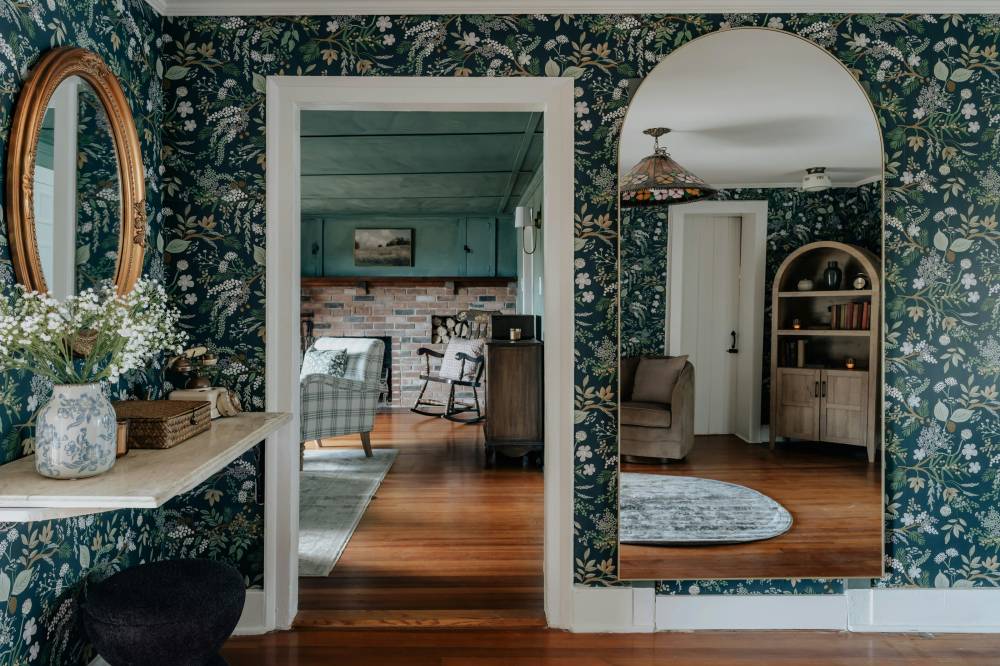
For more than a decade, trendy modern interiors were defined by restraint—neutral palettes, clean lines, and rooms designed to photograph well from every angle. While visually calming, these spaces often left little room for individuality. “Grandma Chic” arrives as a counterpoint, reintroducing pattern, ornament, and color into homes that had grown overly controlled.
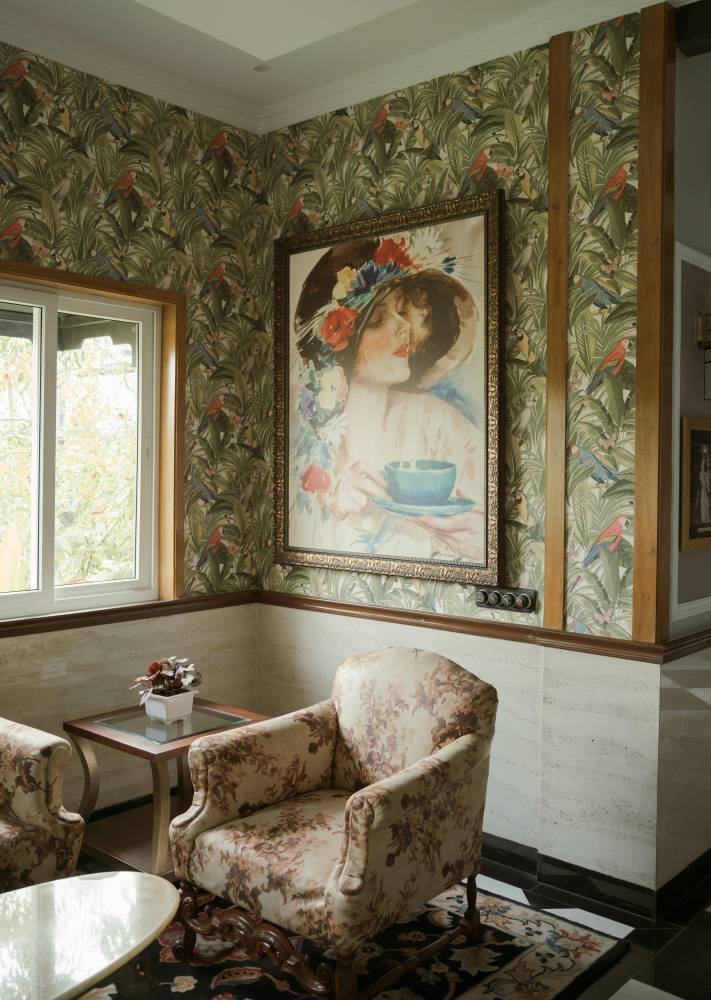
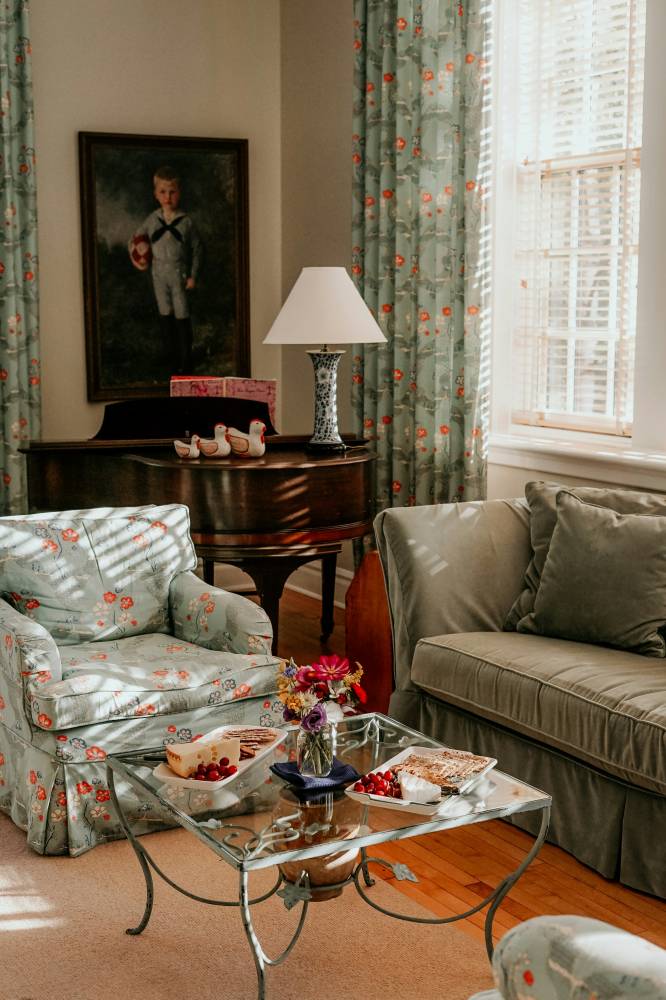
At its core, the movement values familiarity over perfection. Floral upholstery, layered wallpapers, vintage furniture, and tactile textiles are not decorative excess; they are emotional cues. They remind us of spaces that felt generous and deeply human.
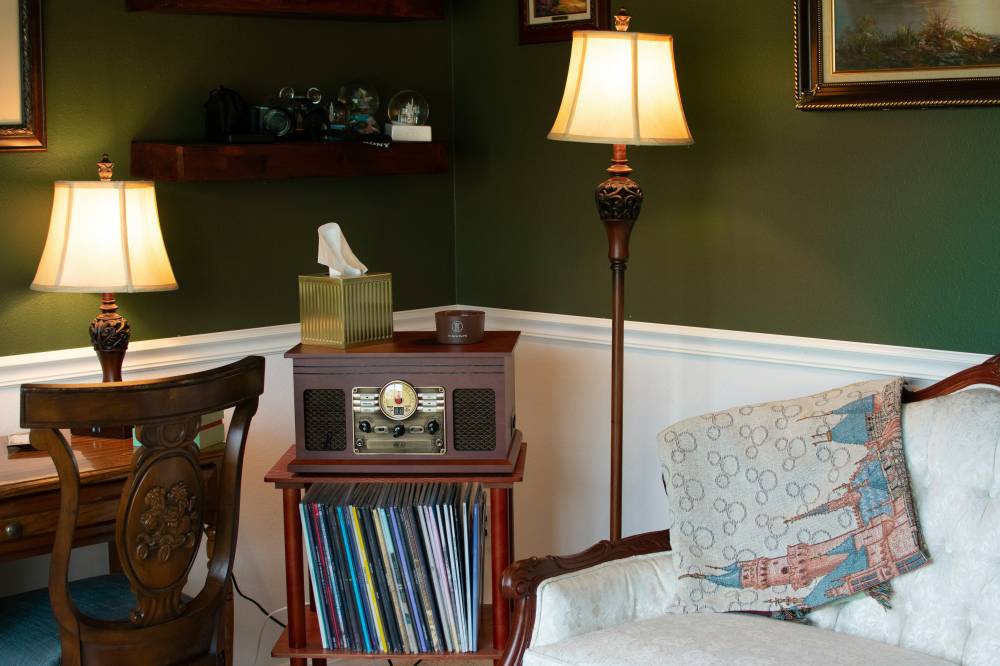
As we move toward 2026, Grandma Chic is emerging as a clear response to years of minimalist dominance. Rather than stripping spaces down to their barest form, it asks what a home can hold: memory, comfort, and lived experience.
One of the clearest examples is Kendall Jenner’s viral mountain home, which feels less like a departure from trends and more like a crystallization of where interior design is headed next.
Inside Kendall Jenner’s mountain home
Supermodel Kendall Jenner recently invited audiences inside her home through “Architectural Digest’s” Open Door series, and the response was instant. Viewers quickly zeroed in on the thoughtful, idiosyncratic details of her custom-built mountain retreat. Designed with interior designer Heidi Caillier and architect Kirby Lee, the house deliberately sidesteps expected celebrity tropes. Instead of sleek modernism or alpine minimalism, the interiors embrace Grandma Chic—layered with visual density, warmth, and character.
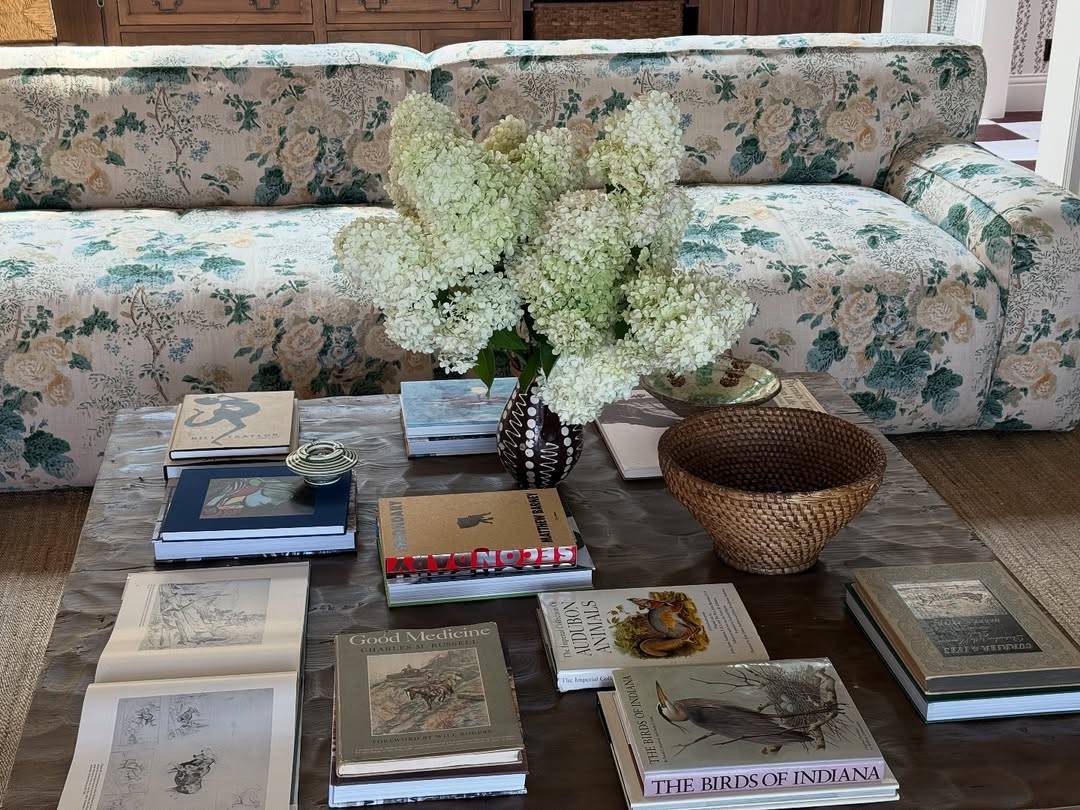
The color palette plays a key role in setting this tone. Instead of neutrals, the home is grounded in warm, saturated hues such as buttery creams, mossy greens, orange, cobalt blues, oxblood reds, and deep browns. The entryway features a cozy window seat cushioned in Pierre Frey tartan with a green background. At the heart of the living area is a generous sectional upholstered in 50 yards of Lee Jofa’s Hollyhock Handblock print—a bold floral fabric that leans unapologetically Grandma Chic.
The open kitchen flows seamlessly into the living area, reinforcing the home’s emphasis on gathering. Design Frères stools line the island, while Calacatta Viola marble wraps the countertops and backsplash, framing a statement Lacanche range. Though Jenner kept the cabinetry neutral, she layered in playful color through a red-and-white checkered floor and a striking blue oven.
Upstairs, Jenner describes the bedroom—defined by reclaimed wood ceiling beams—as a space she genuinely loves waking up in. Elsewhere, the dining room pairs vintage artwork with a custom Jefferson West bookshelf, its backing lined in wallpaper from Howe at 36 Bourne Street. Bathrooms continue the theme of graphic nostalgia, featuring red-and-white checkered tile from Zia Tile, while the powder room’s sunny yellow sink adds a playful touch.
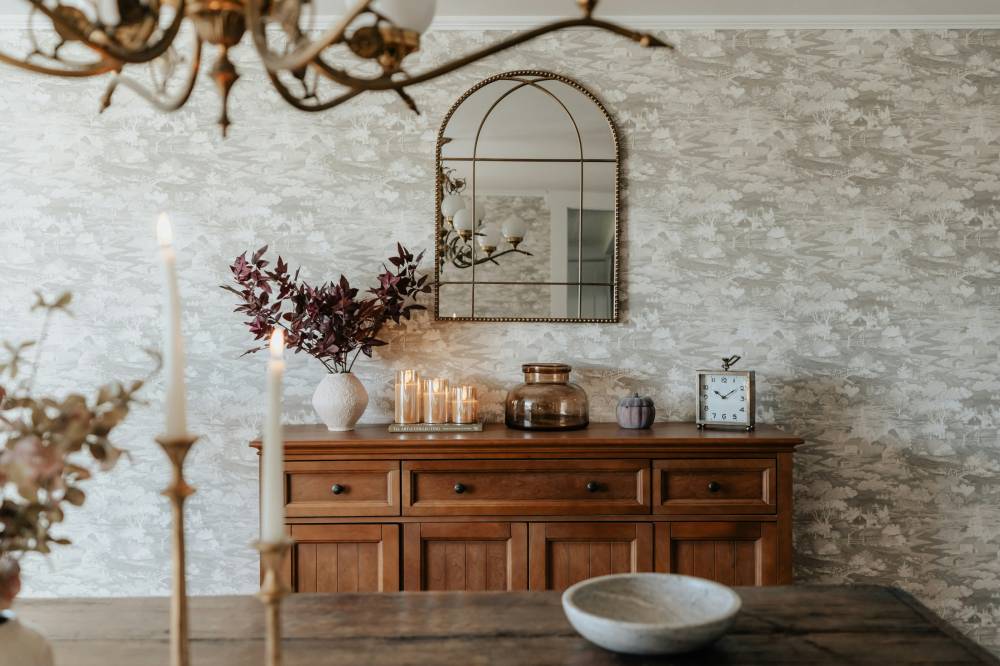
Throughout the home, the mixed-and-matched aesthetic is grounded by personal sourcing. Shelves are lined with books and collected objects from local antique shops, alongside rarer finds like a Gibson piano discovered by a friend online. Jenner confidently blends midcentury Italian lighting with English bathroom fittings, vintage Indian rugs with ditsy floral wallpaper—choices that reflect a timeless, whimsical sensibility.
The result is a mountain home that feels layered, lived-in, and unapologetically Grandma Chic.
The end of disposable design
The rise of Grandma Chic coincides with a growing rejection of overconsumption and disposable design. Fast furniture—the interior design cousin of fast fashion—has long dominated the market, offering inexpensive, trendy pieces that often prioritize appearance over quality.
Clients and designers alike are now placing character and longevity at the forefront of design decisions. Designer Sally O’Connor of Hesellic tells Forbes that her clients are increasingly prioritizing sustainability and quality. “Clients want to prioritize sustainability and quality, leaning towards timeless pieces made from durable materials that promise longevity over disposable options,” she explains Sourcing handcrafted, well-made furniture and decor, interiors gain both character and a sense of history, qualities that disposable alternatives simply cannot provide.

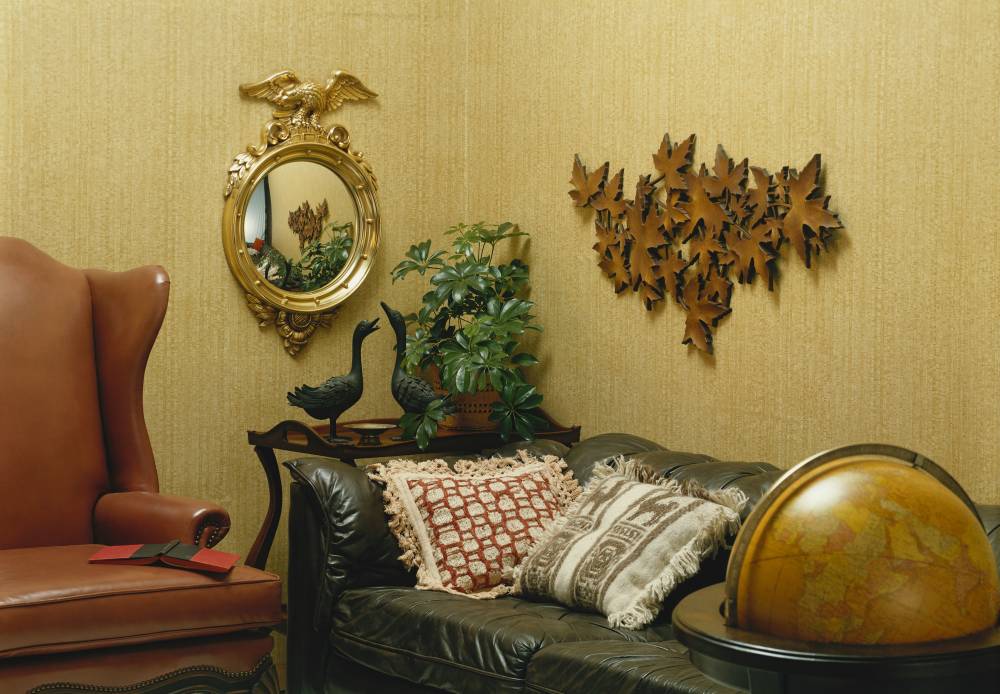
Interior designer Nicole Gordon also emphasizes that this shift is part of a broader cultural awakening, fueled by growing awareness of the environmental impact of overconsumption. “The world is too upside down to consider buying something that will inevitably become landfill,” she says.
“Instagram, TikTok, adverts on TV drive us to buy and buy, but what is the lifecycle of that piece? What happens if the new desk you bought is made poorly and breaks? I find my clients are more concerned with the heritage of an item and not buying to fit an aesthetic that would look great when photographed,” she adds.
In other words, homeowners are rejecting ephemeral trends in favor of objects and furnishings that tell a story, have provenance, or can be enjoyed across generations.
From stylized to lived in
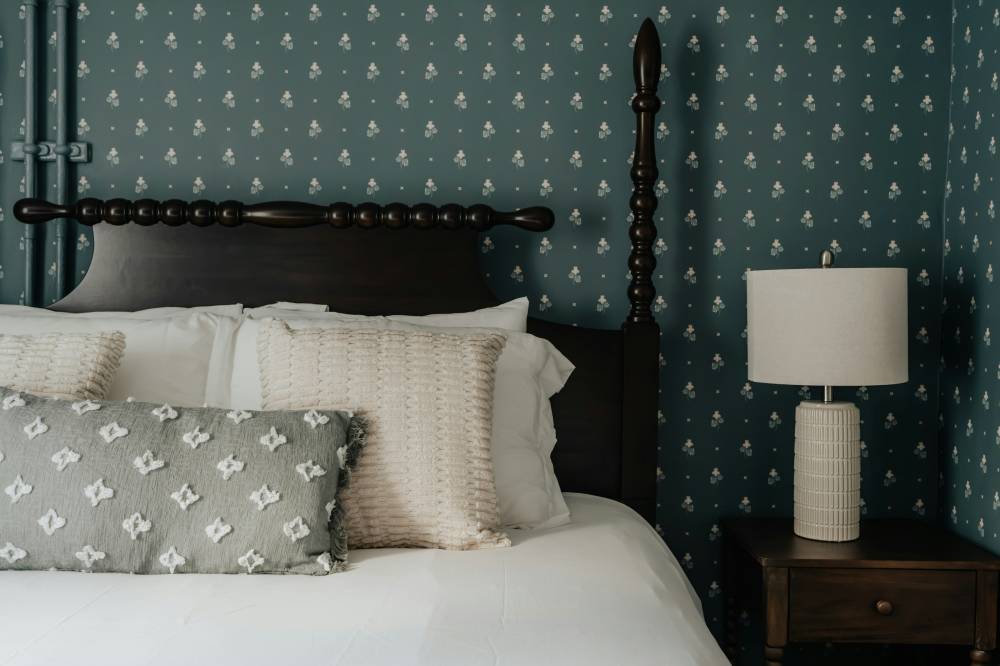
Homes designed for social media appeal are increasingly being seen as impractical and emotionally flat. Designer Ryan Saghian notes that these spaces, often optimized for Instagram shots or glossy editorial spreads, are beginning to feel dated.
“Homes that prioritize perfectly curated, picture-ready rooms are starting to feel dated. When form outweighs function, the space stops serving the way people actually live,” he explains. In response, he predicts that by 2026, interiors will focus on real-life usability. Rooms will be designed to accommodate daily routines, comfort, and interaction rather than simply aesthetic ideals.
This shift in priorities is transforming the language of home luxury. Whereas modern interiors were once defined by sleek surfaces and curated perfection, the next era prizes resilience, personality, and emotional resonance. Furniture that ages gracefully, fabrics that wear beautifully, and heirloom-quality objects are becoming the markers of sophisticated taste.