









You have to learn how to want to come back home

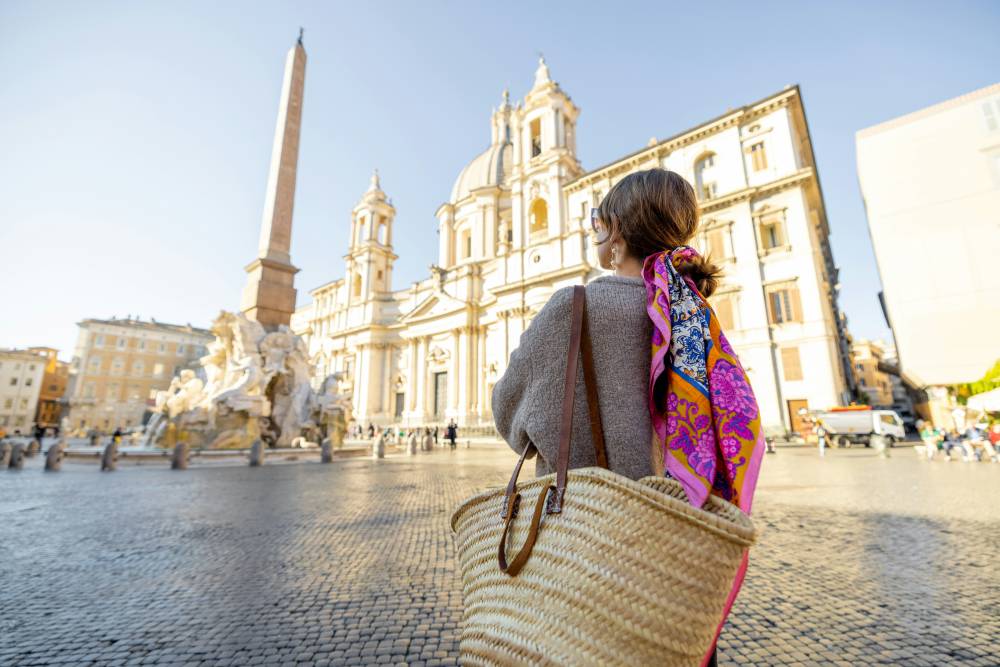
Straight out of my college graduation ceremony, I found myself boarding a flight to the Europe trip of my dreams. I’ve been wanting to go to Paris since I took French classes in middle school, and I’ve heard nothing but good things about Barcelona and Rome as destinations for first-time Europe travelers.
But toward the tail end of the trip, I didn’t feel all that bummed about having to head home. Perhaps it was because the Roman heat reminded me too much of Metro Manila’s, or because my tastebuds were too accustomed to Asian cuisine.
Don’t get me wrong—I still look at my Europe trip ever so fondly, but I can’t help wondering: Why was I okay with it coming to an end?
These feelings returned a few months short of a year later, as I set out for a rather ambitious trip to Seoul. What started as plans to watch a K-pop group’s final concerts turned into a mission to resolve some unfinished business: My first South Korea trip two years ago left me wanting much more beyond the usual travel brochure tourist spots. I wanted to shop for things I wouldn’t have asked anyone else to buy and stroll around hip and chic neighborhoods intuitively—if not almost aimlessly.
In the span of less than a week, I was able to do all that and more. Still, I had a reason to want to be back home every day of this trip. As much as I adored pacing through the cool streets of Apgujeong, Seongsu, and Hannam-dong, I was also thinking about my next ClassPass booking or the stillness of remote work life that allowed me to sleep past 10 a.m. when I felt like it.
If I could escape (and recreate a place that’s my own world)
Many people love to travel as a form of escape. You’ll see countless TikToks sensationalizing the stark differences between the beauty of foreign countries and the gloomier, more polluted sceneries of the Philippines. Travel gives people their much-needed break from the woes of work and life, and a trip ending often translates to “going back to reality.”
But after going on more overseas trips in the past nine months than I have in nearly five years, I’m coming to realize that the journey back home doesn’t and shouldn’t have to feel that bad.
Going into your 20s, you’ll inevitably feel the need to work toward certain goals. For many, these involve ensuring that we have enough money to fund our overseas trips. Work to live, so they say, but working to live turns exhausting faster than you can book those seat sale tickets. Eventually, you’ll feel like you’re working yourself to the bone for three weeks of vacation that have a definitive and dreaded end.
The goal, then, ought to be learning how to build a life you don’t need to escape from. Time and money spent on planning and executing a jetsetter life can also be allocated to finding fulfilling experiences at home.
When I got home from my latest Korea trip, I realized rather quickly that a lot of the things I liked over there were easily accessible back here. I can’t tell the difference between the BHC chicken box I shared with my friends at 1 a.m. and my family’s go-to 24 Chicken order—I just know both bring the same kind of comfort and satiation.
The protein shakes I put off buying online to hoard at Olive Young? More flavors were available on Shopee. Idols I saw in the flesh or via billboards still live on very well on my phone screen. It’s gotten to the point that I’d be texting my travel buddies: It’s like I never left Korea as I show them the fourth Dubai chewy cookie I’ve had this week.

Can you come back home, eh?
Of course, we travel to seek out the most authentic, elevated, and unique experiences. Strolling through chic neighborhoods was a more intuitive and enjoyable way of getting my steps in compared with walking past unpaved sidewalks or pacing around at home. But it’s the boring or even less than ideal parts of daily life that motivate me to do two things: to find ways to elevate my daily life right here and to view travel as some kind of repeatable rarity.
Oftentimes, we see it as only one end of each extreme. Either travel is something we have to keep doing for escape, or it’s something so infrequent that we ought to covet—to the point that we dread literally anything else.
“I connect with everything, but I’m not attached to anything,” said Olympic figure skating champion Alysa Liu in a viral interview. Travel allows us to connect with unique experiences that we can’t find at home, as we’re led to believe. In the process of trying to detach from our home base, though, we seem to attach to escapism when left unchecked. While wanderlust is an urge that feels good to satiate, too much indulgence never ends up well.
As we close off this first quarter of 2026 and go deeper into the year, here’s a reminder for and from myself: Connect with everything, be attached to nothing. Value the novelty of the global and the familiarity of the local at a proportionate enough scale. Plan the next trip while continuing to discover things that make home a place worth staying.
And learning how to want to go back home when you’re abroad allows you to work toward a life you don’t need to escape from.