










A long-distance affair

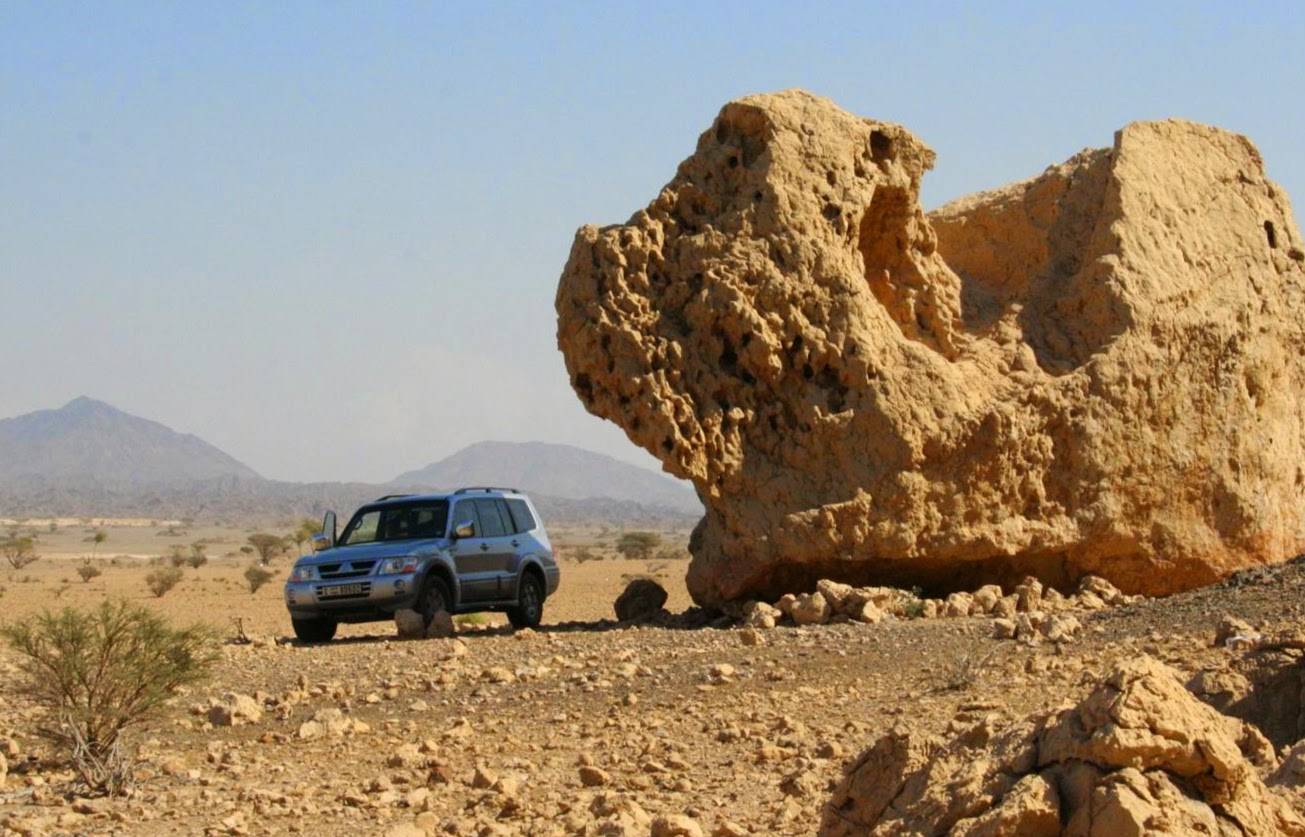
I remember buying my second Pajero almost as vividly as the birth of my daughter. When we moved to Dubai in 2006, everything in my life was new — job, country, culture. Sitting inside the Pajero at the Mitsubishi dealership felt like stepping into something familiar, something that I didn’t need to adjust to. So, I bought a silver 2006 Mitsubishi Pajero IV 3.0 GLS, brand-new, tax‑free, for 98,900 dirhams (about €24,000, or P1,632,000 then). The sale happened so quickly that when I drove out of the dealership, I realized I hadn’t even checked what fuel it needed. The gas attendant laughed and said, “In the UAE, diesel is only for trucks.” Fifteen years later, that would turn out to be a blessing, as diesel cars began to be banned from some European city centers.
The Mitsubishi Pajero performed well in Dubai, and felt right at home among the sand dunes. When I exported the car to the Netherlands in 2010, I expected a long list of modifications. Instead, all it needed was a €40 rear fog light. That was it.
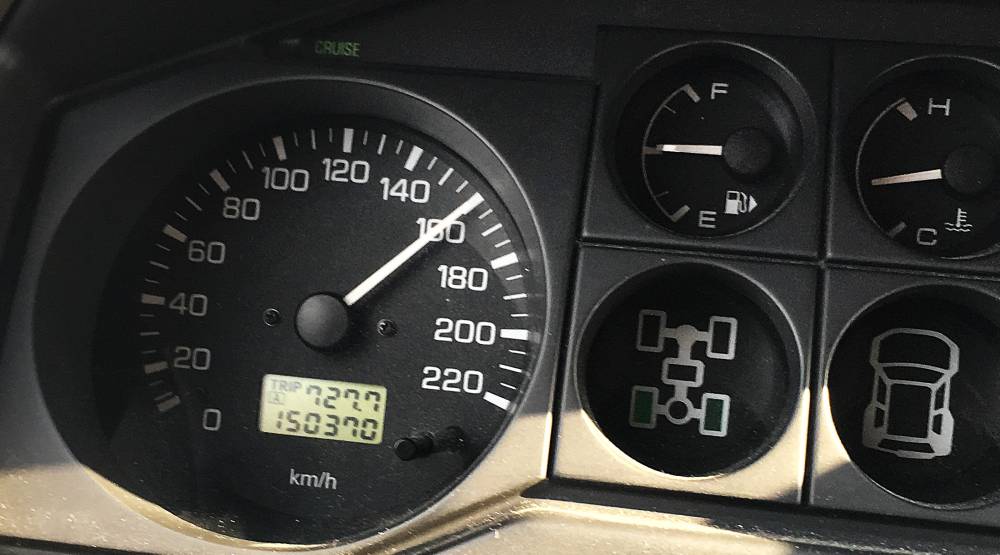
The Pajero has one persistent annoyance: a speed warning chime at 117 km/h — a Middle Eastern safety feature that should have triggered at 120 km/h. No dealer or garage could turn it off. I’ve driven the car up to 160 kph in the German Autobahn but it really isn’t meant to be driven at this speed. The steering gets really light, plus with the annoying pinging, I was happy to stay below 117 kph –still above its most fuel-efficient speed.
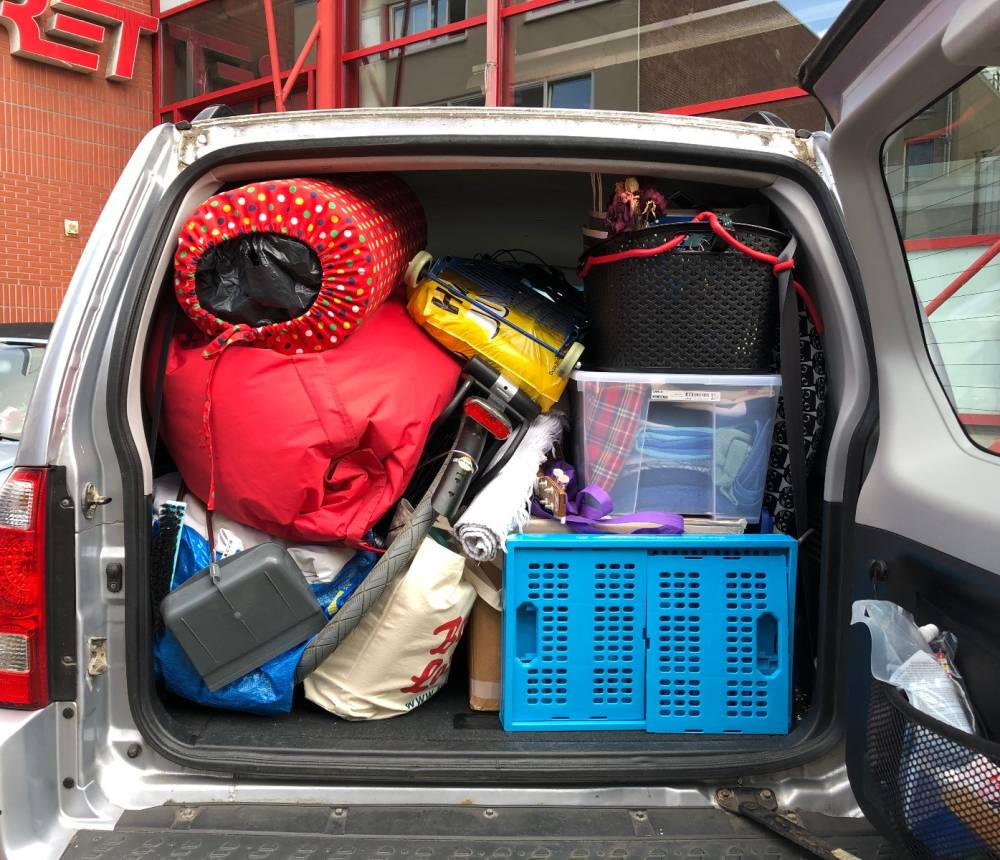
Fuel economy averaged just over 7 km per liter (14.2 L/100 km). Not great, but the space was unbeatable. I once moved an entire college student’s belongings — bicycle, beanbag, bed frame, mattress, cupboards — in a single trip. I never measured furniture; I simply trusted it would fit.
I followed the maintenance schedule religiously — every 5,000 km in Dubai’s dusty climate, and once a year in the Netherlands, where I drove under 10,000 km annually. The biggest services were the timing belt replacements at 90,000 and 180,000 km.
After 15 years, the first signs of age appeared. Headlamps failed one by one, then the taillights, then the third brake light. That last one triggered a cascade of warning lights — ABS, cruise control, 4WD — all because of a single bulb. Nothing mechanical had failed; it was just the Pajero’s quirky electrical logic.
Across nearly 20 years, the Mitsubishi never left me stranded. One flat tire. Two battery replacements (one requiring a jump‑start at home). A cracked windshield from a highway pebble. A rear wiper blade sacrificed to a car wash. My worst “accident” was reversing into a protruding traffic sign and shattering the rear windshield — entirely my fault, not the car’s.
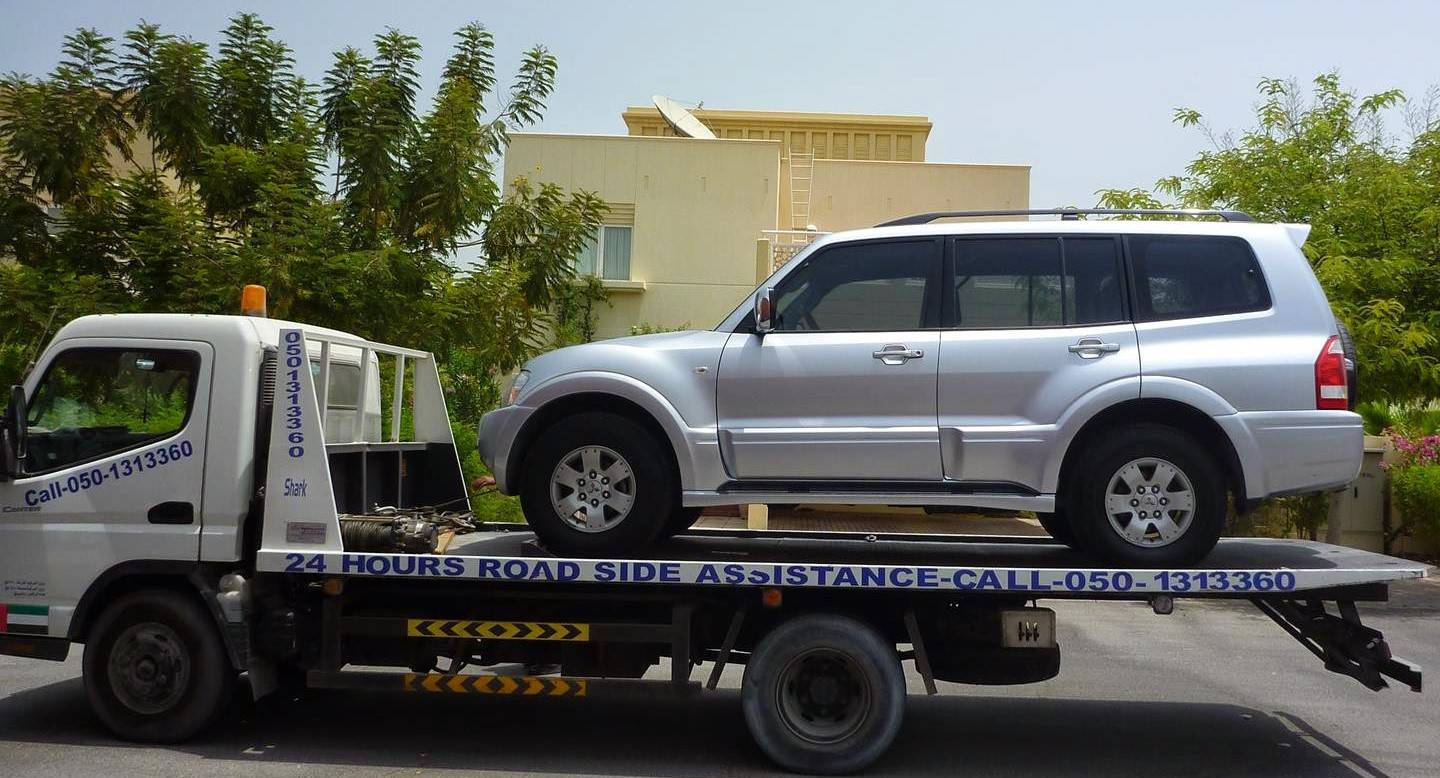
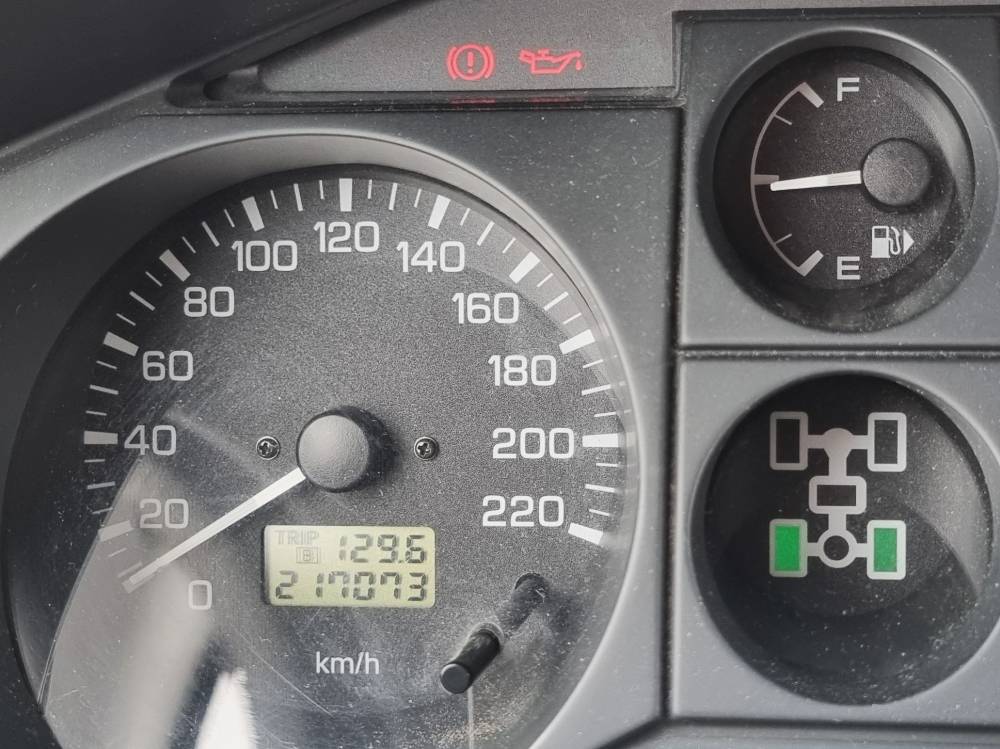
This car has seen 10 countries: the UAE, Oman, the Netherlands, Belgium, Luxembourg, France, Germany, the Czech Republic, Denmark, and Sweden. It has travelled 217,073 kilometers — the equivalent of circling the Earth 5.4 times. It endured +53°C in Dubai and
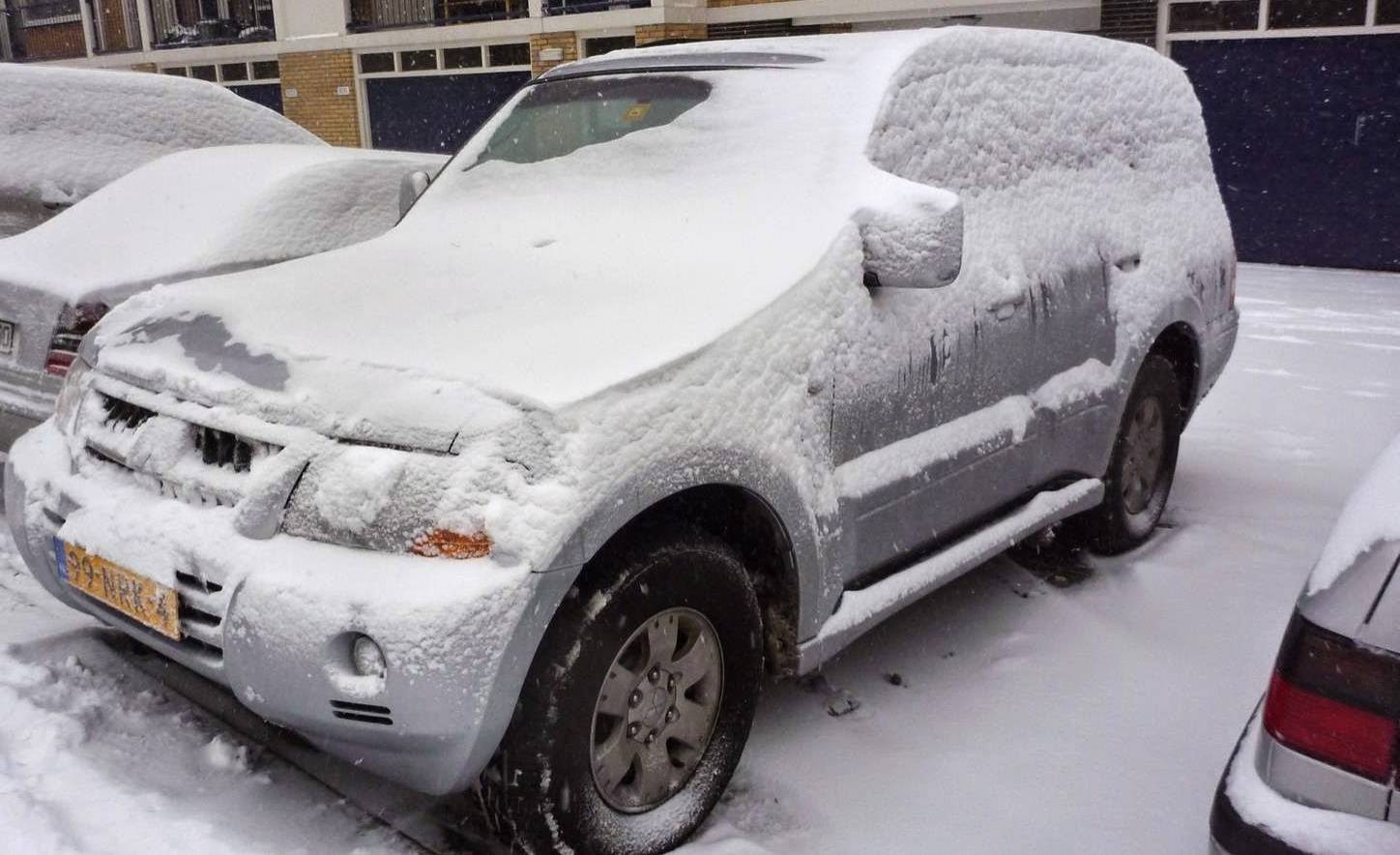
–10°C in the Netherlands, descended to –6 meters along the coast of South Holland, and climbed above the clouds at 2,100 meters in the French Alps.
In 2024, I was scrolling through Pajero crash advertisements, hoping to find an intact rear taillight assembly. Mitsubishi no longer carried the part, and the dealer warned it could take weeks to order one from Japan. With my APK — the Dutch annual vehicle inspection — coming up, I knew a broken taillight meant an automatic failure. That was the moment I wondered whether it was finally time to say goodbye to my old, trusty Pajero.

At my last APK, the inspector pointed out rust on the underside — likely from salted winter roads and my failure to do a proper spring underbody wash. It still passed, but with a yellow warning. The headlights also needed polishing (a Reddit hack: whitening toothpaste works surprisingly well). 15 minutes of polishing and, they were clear enough to pass.
The trade‑in value was €5,500 — more than I expected for a nearly 20‑year‑old car, and on the high end for similar models in the Netherlands. Again, being petrol, not diesel, helped.
At the dealership, I wondered aloud who would buy such a heavy, thirsty SUV in a country where road tax is based on weight. The dealer said it probably wouldn’t stay in the Netherlands — Pajeros are popular in Africa, and many are exported there. It seems the Mitsubishi Pajero’s adventures aren’t over.
As I walked away, I felt like an owner leaving a beloved pet at a shelter. I took one last look at my old, rusty — I mean trusty — Mitsubishi Pajero, hoping it would give someone else a few more years of reliable service and new stories to tell.