





‘Armchair BLOWBAGETS’ leads to preventable road mishaps

In the health and wellness industries, they say an ounce of prevention is worth a pound of cure. Well, in the transport industry, that saying applies, too. In this case, it’s more: “A pound of pre-trip inspections is worth tons of crashing steel, rubber, and plastics.”
Truly, anything that moves, be it man or machine, needs a “pre-trip checkup” every now and then. This habit saves lives, literally.
It’s the complete opposite of what’s happening right now when road mishaps involving heavy trucks occur. The driver merely scratches his head and reasons out, “nawalan ng preno (brakes failed),” as if that was something inevitable, out of anyone’s control.
I call that BS.
I believe the people who make up the Truck Manufacturers Association (TMA) call it that, as well, because they stress that brake maintenance is one of the most basic pre-trip inspections an owner or driver of a truck must do, among other things on this important pre-trip checklist.
So, to explain “safety” much more clearly to as many truck owners and drivers as possible, TMA, with the help of the Department of Transportation (DOTr), the Land Transportation Franchising and Regulatory Board (LTFRB), and German development agency GIZ, gathered dozens of drivers, operators, and members of the Lungsod Silangan Transport Service and Multipurpose Cooperative (LSTSMPC) on May 21 in Antipolo City for a morning session of the National Road Safety Campaign.
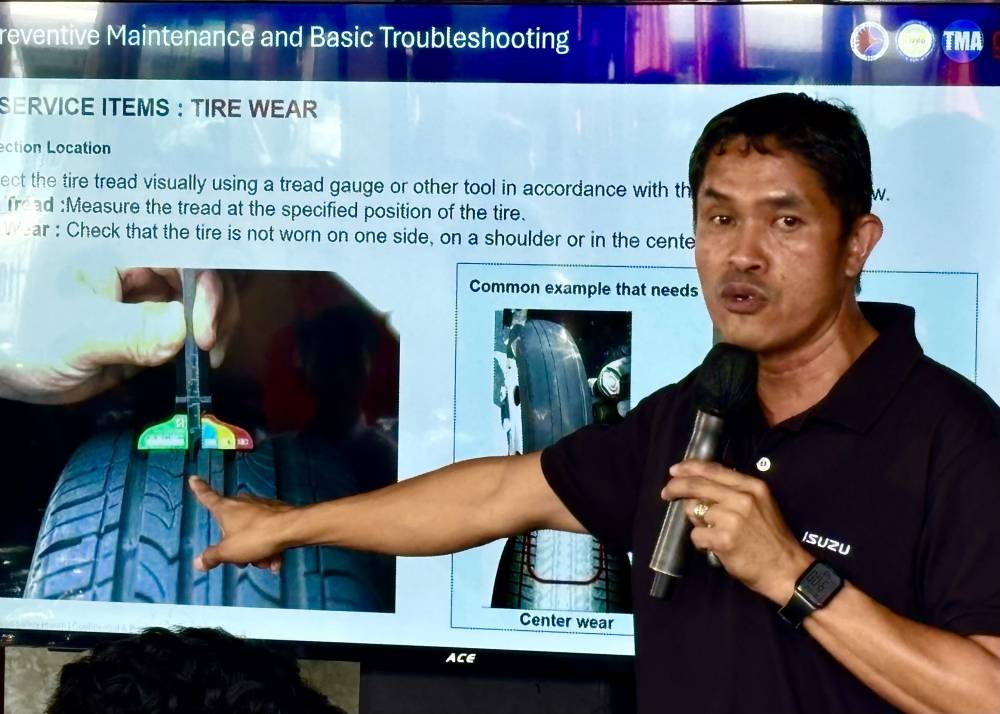
The seminar covered vehicle safety, preventive maintenance, pre-drive inspections, and fuel eco-driving techniques, all of which were explained and demonstrated in detail by Rosalino “Ping” San Pascual, customer trainer of Isuzu Philippines Corp. Other truck brand members and representatives of TMA were also present.
Recapped tire and brake failure link
During the seminar, Ping revealed the link between substandard tires and brake failure. A recapped tire is prone to peeling off, he said, which can eventually entangle with the brakes, snap the line, and cause a total loss of braking power. You may have saved a few thousand bucks from buying brand new tires, but the resulting collision costs much more in bodily harm and property damages, and even priceless lives.
Ping stressed that another disaster waiting to happen begins with “armchair BLOWBAGETS,” or the habit of merely ticking off the pre-drive checklist without performing an actual physical inspection (probably because the person performing the pre-trip checks assumes that the particular item still works, as far as he can recall). BLOWBAGETS, as we know, is an acronym for the essential parts of an ICE vehicle: Battery, Light, Oil, Water, Brakes, Air, Gas (or fuel), Engine, Tires, and Self.
Ping also covered basic troubleshooting and repair for the entire vehicle. He focused on a pervasive issue: The battery not charging properly. Ping then talked about all the possible causes, including loose battery wiring connections or terminals, a loose or broken fan belt, a worn-out regulator, or bad diodes.
He also talked about the many reasons why an engine won’t start, or is hard to start, from a loose battery cable or terminal, a discharged battery, to a broken fan belt.
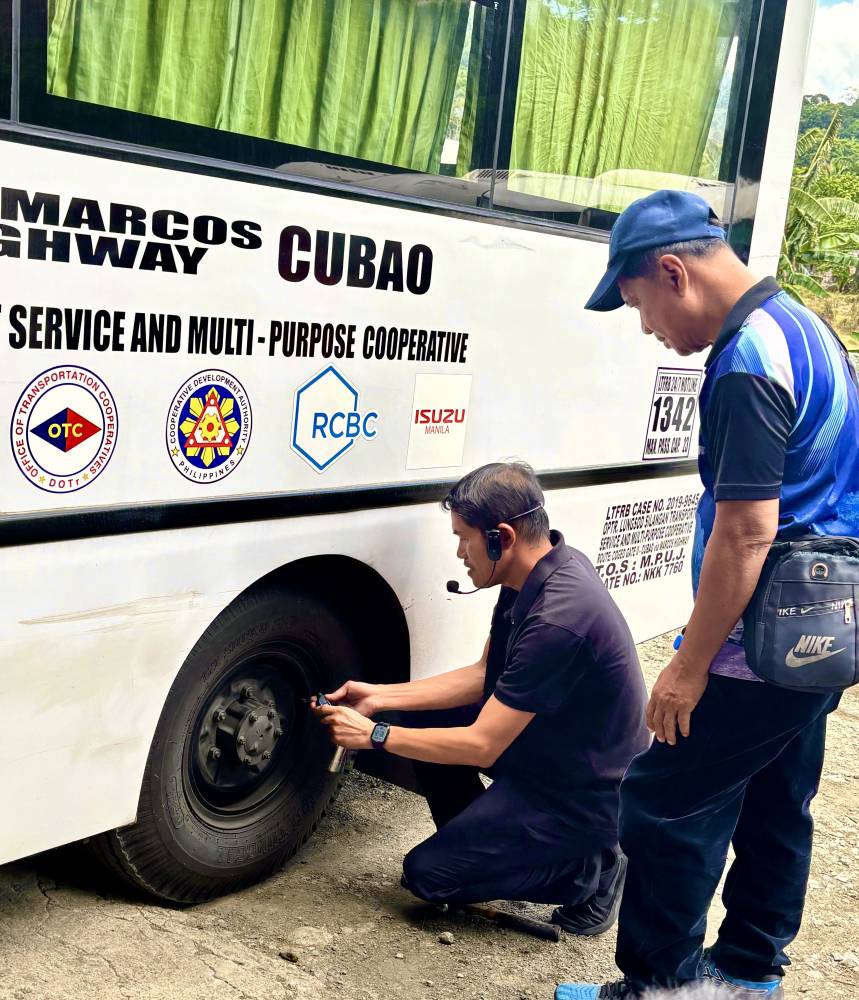
Other topics covered loose-thread screws, the proper positioning of PUV front mirrors to eliminate blind spots, and the technical specification requirements of modern PUVs from Class 1 to Class 4.
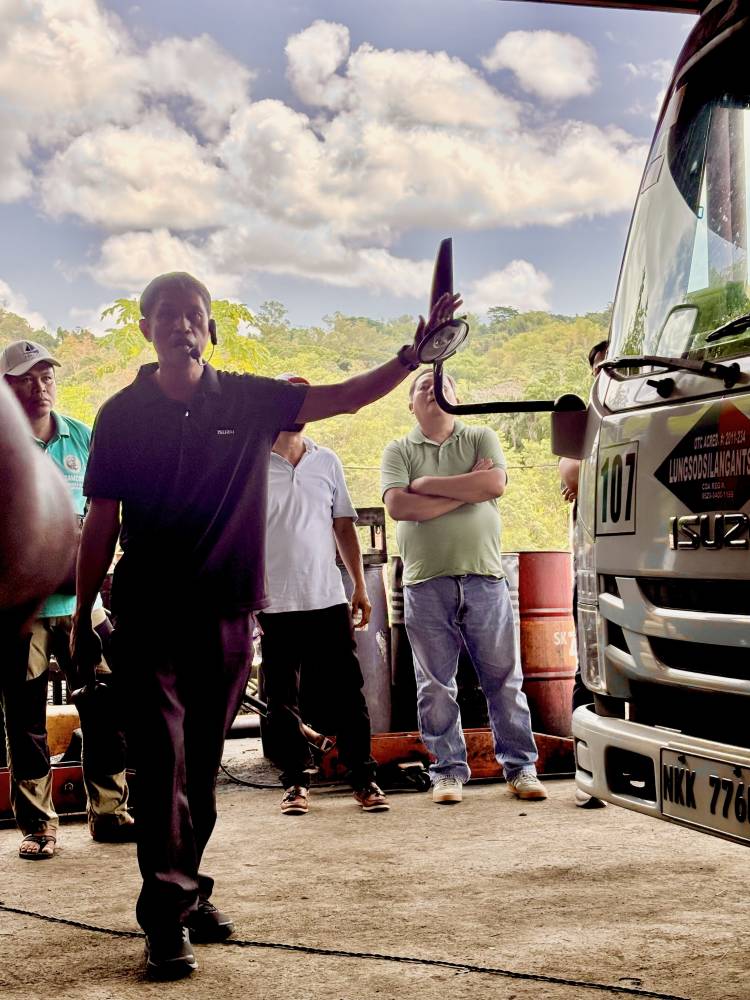
Part of the seminar’s objectives is to enhance the knowledge and awareness of modern PUV drivers, operators, and mechanics regarding current vehicle safety standards, compliance requirements, and roadworthiness practices under the Public Transport Modernization Program.
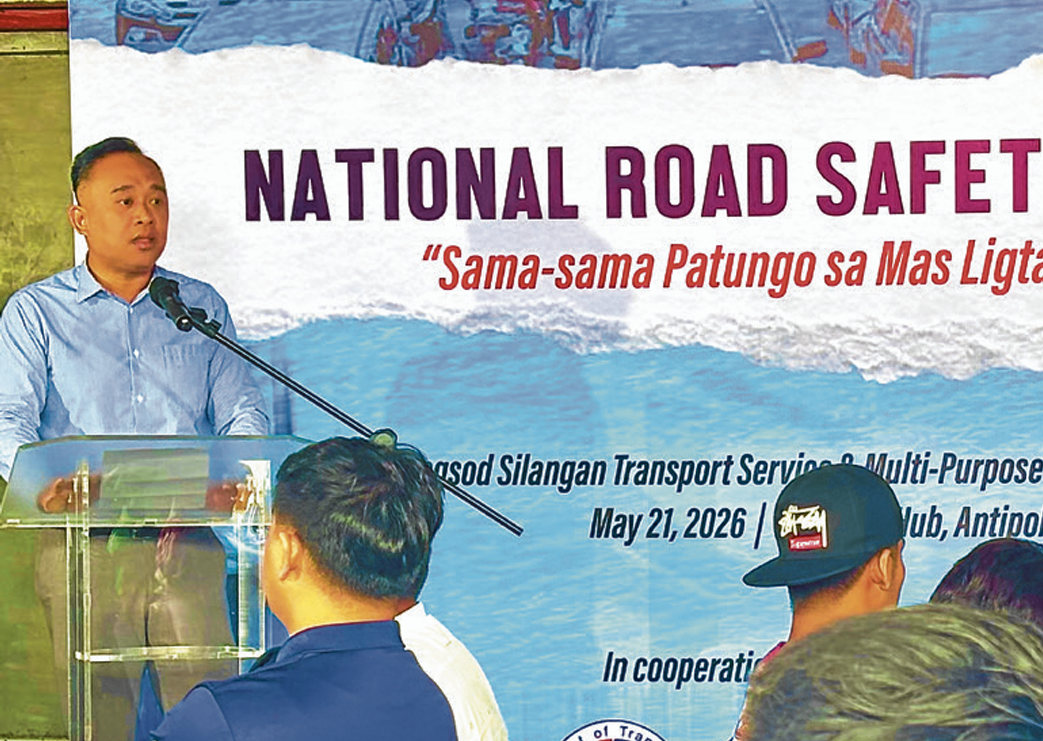
Atty. Sherwin Vizconde, LTFRB Executive Director, said that “the initiative is not intended to be a one-time activity or a ceremonial engagement, but the beginning and continuation of sustained collaboration among the DOTr, LTFRB, TMA, GIZ, transport cooperatives, local government units, and stakeholders to support the government’s road safety agenda.” He added that “this activity highlights the implementation of key pillars of the Philippine Road Safety Action Plan or PRSAP.”
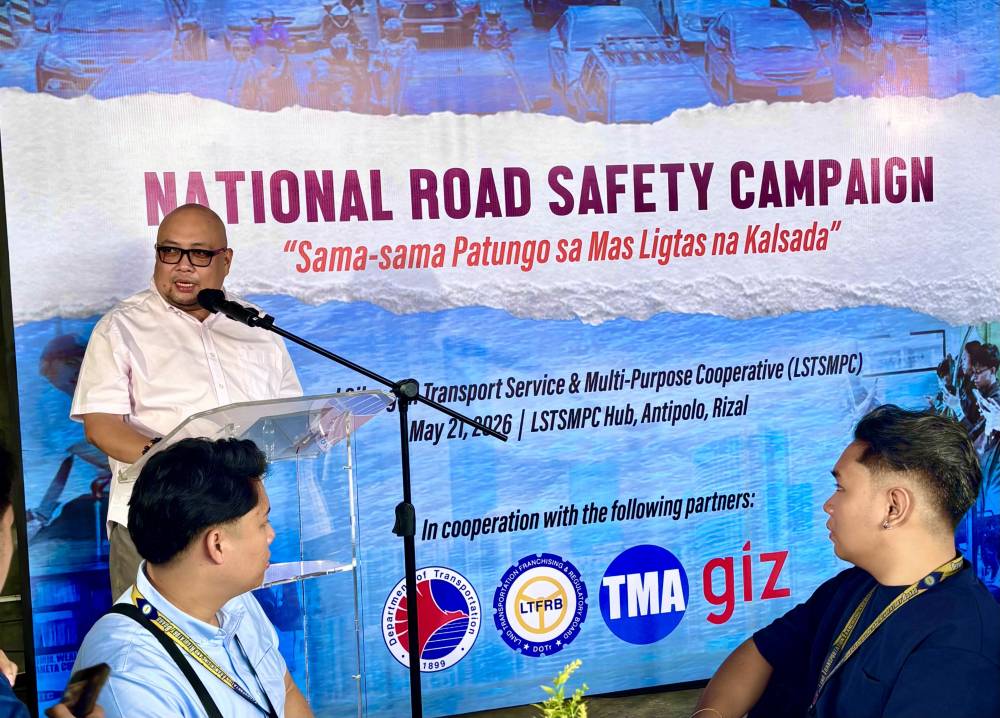
TMA president Robert D. Carlos emphasized that road safety is a shared responsibility.
“Every driver, operator, manufacturer, and stakeholder plays an important role in ensuring that our roads remain safe not only for passengers, but also for pedestrians and the communities we serve,” said Carlos.
Aside from that, the objectives of this seminar include:

Familiarizing participants with the essential safety features and operating systems of modern PUV units to promote safer and more responsible transport operations;
Strengthening preventive maintenance practices and basic troubleshooting skills in order to improve vehicle reliability, minimize breakdowns, and support passenger safety;
Providing a practical understanding of proper vehicle inspection procedures, daily safety checks, and system demonstrations to ensure compliance with road safety and operational standards;
Increasing awareness of the importance of basic fuel eco-driving and proper vehicle maintenance practices in improving fuel efficiency and overall vehicle performance, and;
Promoting a culture of professionalism, discipline, and shared responsibility among transport cooperatives in support of the National Road Safety Month Campaign and the PRSAP.
******
Get real-time news updates: inqnews.net/inqviber