









CLASS OF 1985

Forty years ago, the mid-decade of the 80s marked a turning point in automotive history. 1985 proved to be a good vintage because it was a year when performance, design, and engineering took bold steps into the modern era. Turbocharging was no longer experimental, luxury brands were redefining speed, and Japanese manufacturers were sharpening the formula for compact precision. As these machines turn 40 years old in 2025, their legacy remains surprisingly alive. Many of them became icons, some defined entire segments, and others quietly shaped the technologies we take for granted today. Here’s a look back at the standout cars in the class of 1985, each one celebrating four decades of influence, innovation, and enduring character.
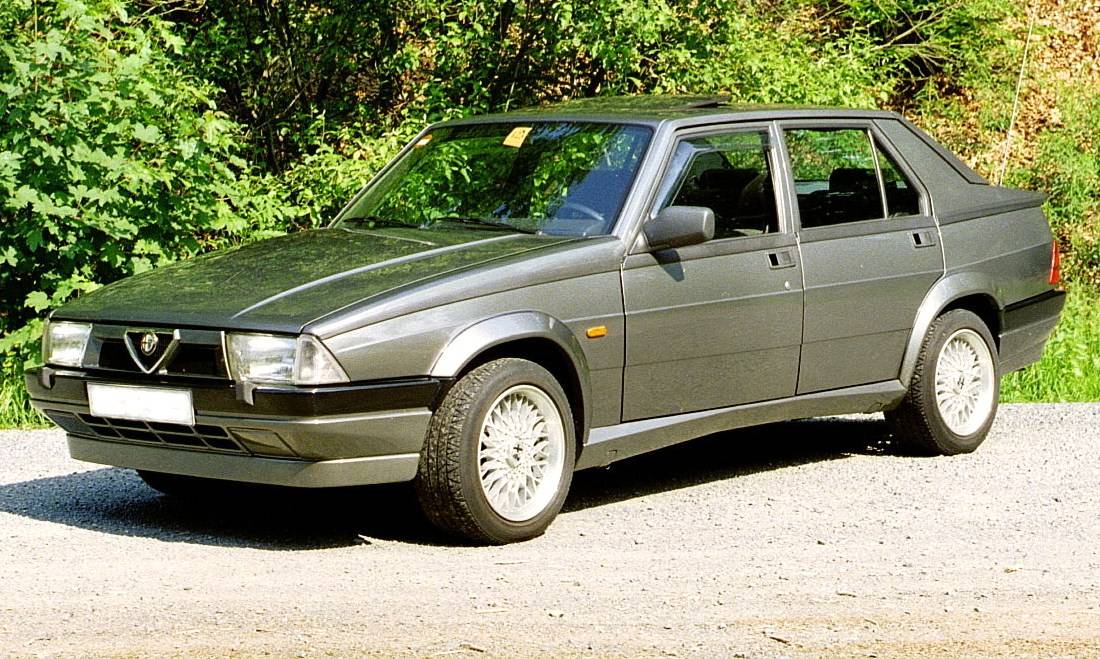
Alfa Romeo 75
Introduced in 1985 to celebrate Alfa Romeo’s 75th anniversary, the Alfa 75 became the brand’s final rear-wheel-drive sedan before the Giulia era. Its transaxle layout, rev-happy engines, and crisp handling made it one of the last truly “classic” Alfas.
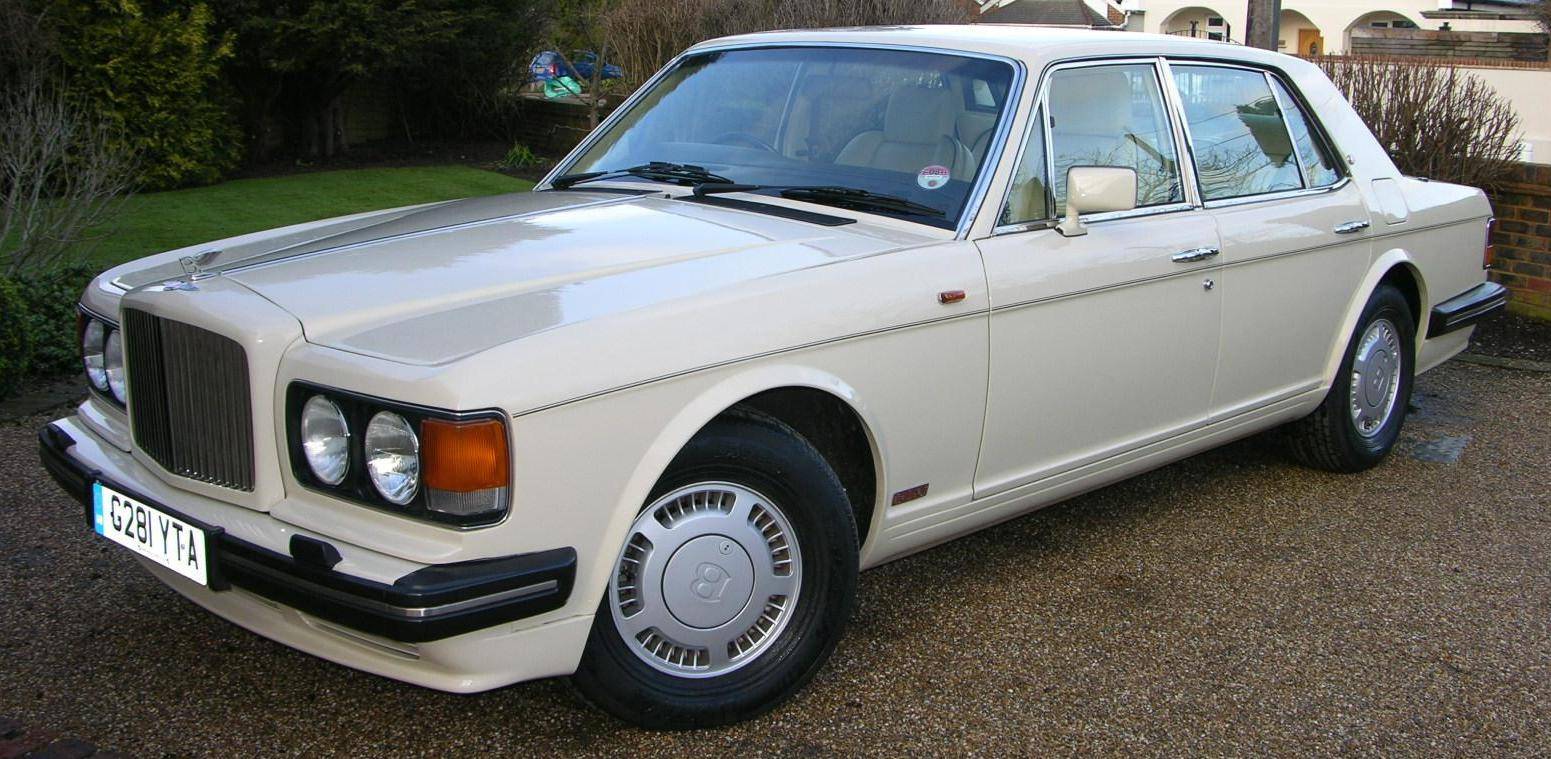
Bentley Turbo R
Introduced in 1985, the Turbo R redefined Bentley as a performance-oriented ultra-luxury marque. Its turbocharged V8, sharper suspension, and imposing presence gave the brand newfound credibility among modern performance luxury sedans.
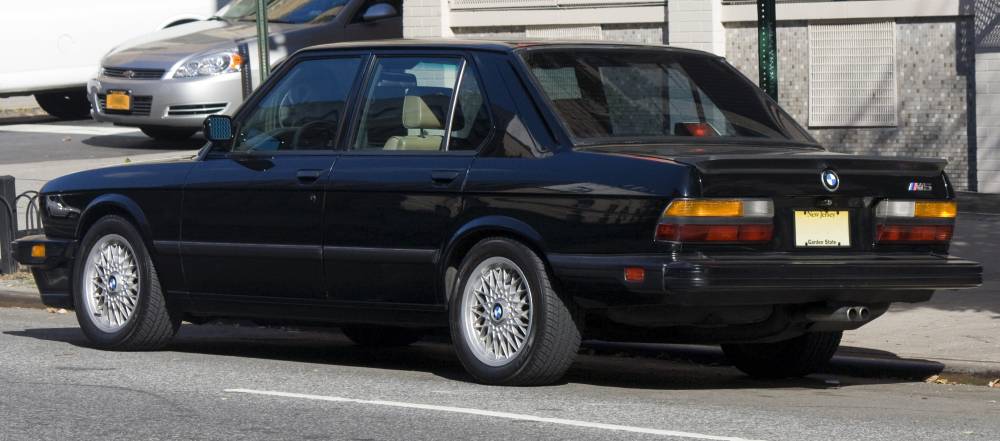
BMW E28 M5
Launched in 1985, the E28 M5 was the brand’s first generation M5 that created the blueprint for the modern supersedan. Luxury on the outside, race car underneath. Hand-built and powered by a detuned M1 engine, it was the very first M5 and instantly set BMW’s performance-sedan identity for the next four decades.
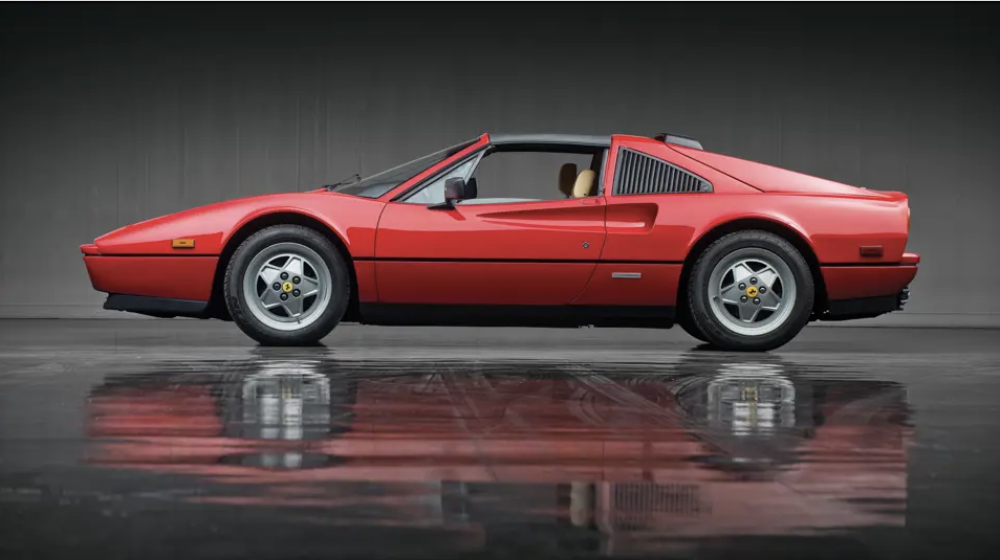
Ferrari 328
The Ferrari 328 arrived in 1985 as a major evolution of the beloved 308. Sleeker, quicker, and more refined, it kept the mid-engine V8 lineage alive and is today regarded as one of Ferrari’s most reliable and usable classics.
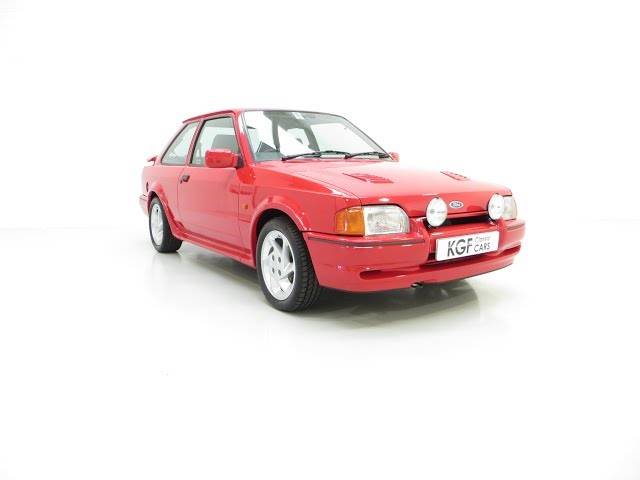
Ford Escort RS Turbo
Debuting in 1985 as the hottest version of the Mk3 Escort, the RS Turbo became a cult classic thanks to its punchy turbocharged 1.6 engine and motorsport-inspired setup. It represented Ford’s confident stride into the turbo era of affordable European performance.
Honda Integra
Debuting in 1985, the first-generation Integra set the stage for Honda’s lightweight, high-revving, enthusiast-focused compact cars. It introduced a sportier, more premium alternative to the Civic and became a pillar of Honda’s future performance identity.
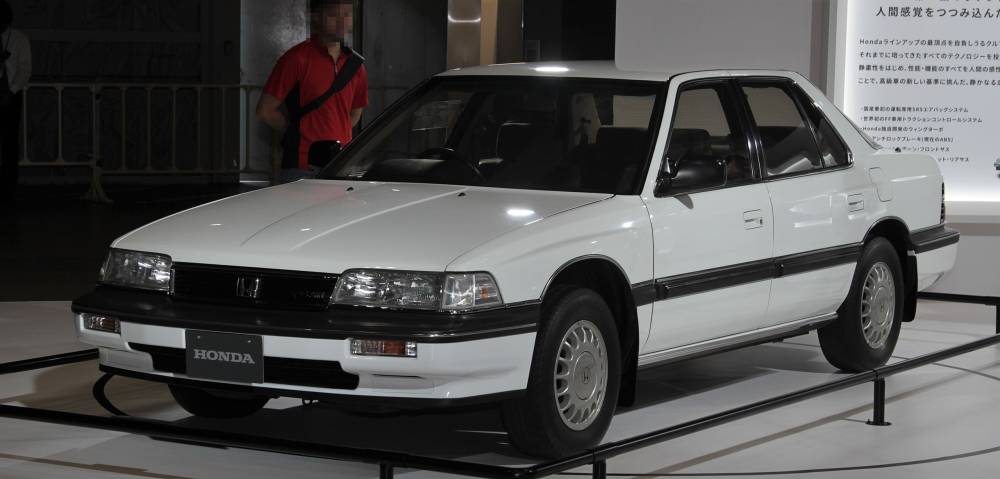
Honda Legend
Honda’s first attempt at a premium luxury sedan arrived in 1985 as the first-generation Legend, co-developed with Rover but engineered with unmistakable Honda refinement. It became the brand’s flagship and later paved the way for Acura’s US-market expansion.

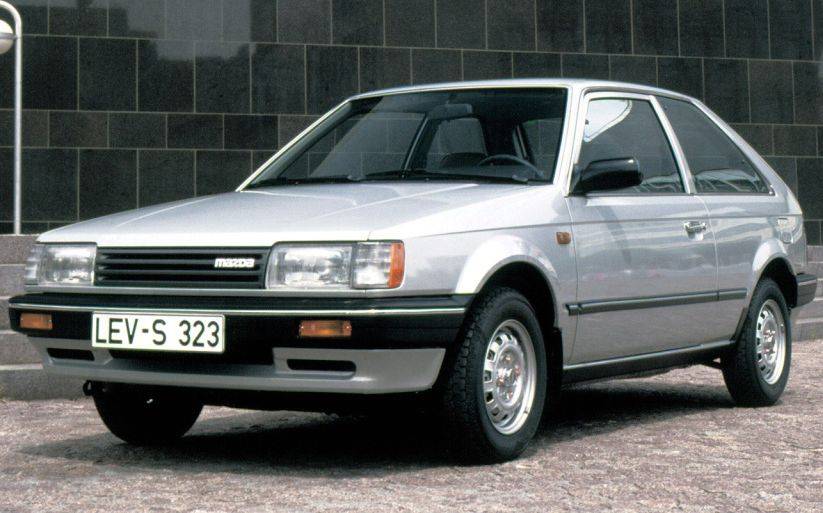
Mazda Familia / 323
While the Familia/323 nameplate dates back to 1963, the 7th generation BF-series arrived in 1985, bringing sharper styling, improved engineering, and the first turbo 4WD variants that would later dominate early Group A rallies.
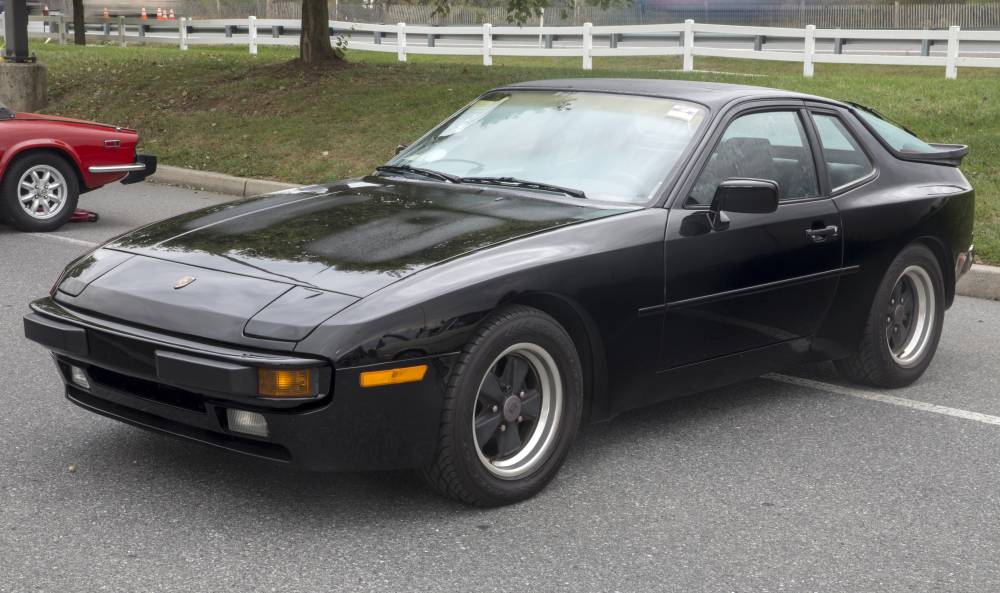
Porsche 944 Turbo
Released in 1985, the 944 Turbo (dubbed as the 951) elevated Porsche’s front-engine platform with serious performance, near-supercar braking, and a reputation for everyday usability. It marked the first forced-induction version of the 944 and remains one of Porsche’s most respected transaxle cars.
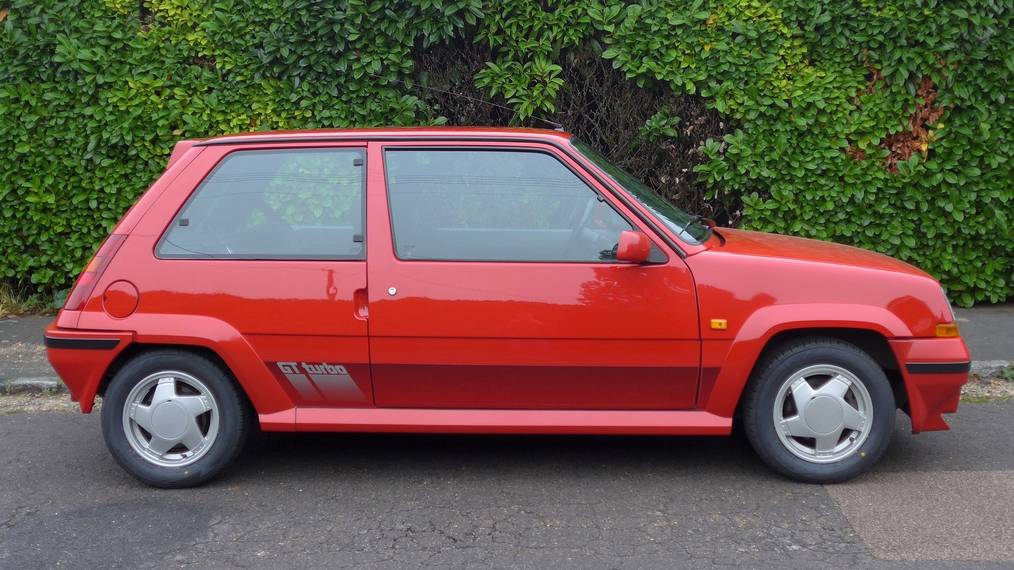
Renault 5 GT Turbo
Launched in 1985, the Renault 5 GT Turbo became one of the most iconic hot hatches of the 1980s, pairing a light chassis with a turbocharged punch. Loved for its raw, lively character, it remains a symbol of France’s performance-hatch golden age.
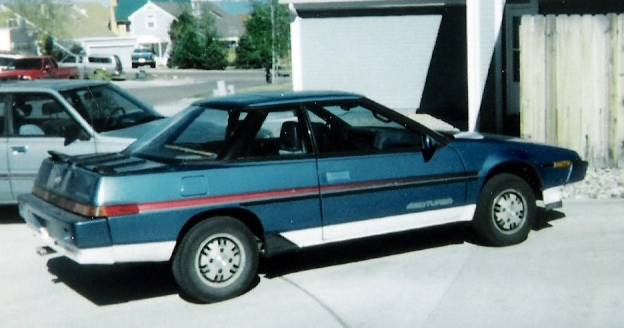
Subaru XT
Subaru’s bold wedge-shaped XT debuted in 1985 as its first truly futuristic sports coupe. With a low drag coefficient, digital dash, and optional all-wheel drive, it showcased the brand’s quirky engineering identity long before the Impreza era.