







Ferrari’s Testarossa returns after 40 years

Forty years ago, the world met a supercar that would define an era. With its impossibly wide hips, side strakes that became instant poster material, and a starring role in Miami Vice, the 1984 Ferrari Testarossa became more than a machine. It became a pop-culture monument, a symbol of excess and aspiration, and an object of worship for generations of the Tifosi.
As the Philippine Daily Inquirer celebrates its own 40th anniversary as a chronicler of local mobility, culture, and change, Ferrari is marking a milestone of its own: the return of the Testarossa nameplate. And like the Inquirer, the Testarossa comes back not as a nostalgia piece, but as a sharper, more powerful, more forward-looking version of what made it iconic in the first place.
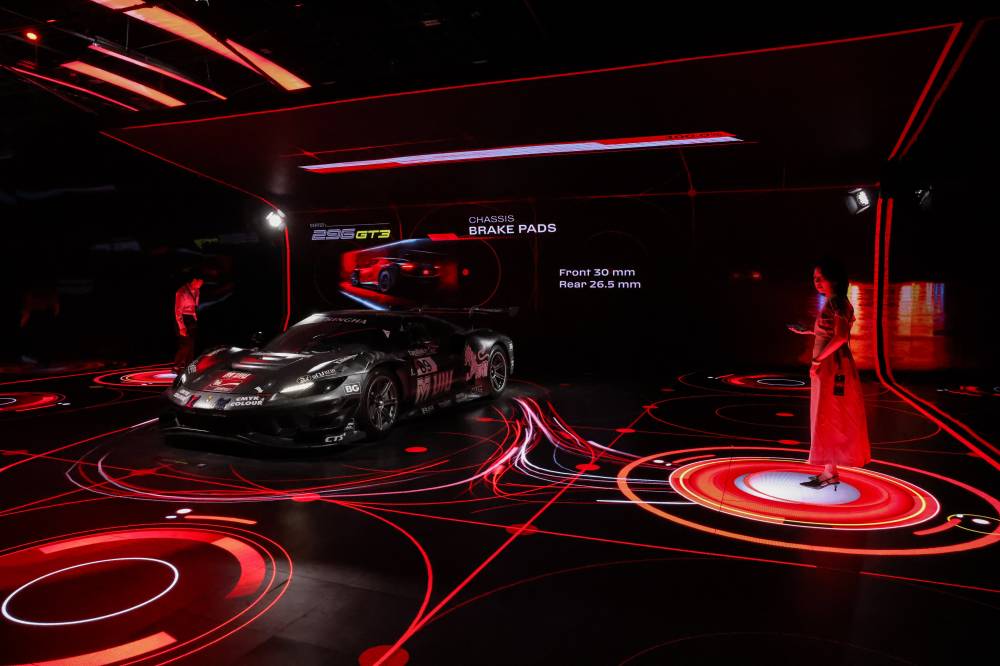
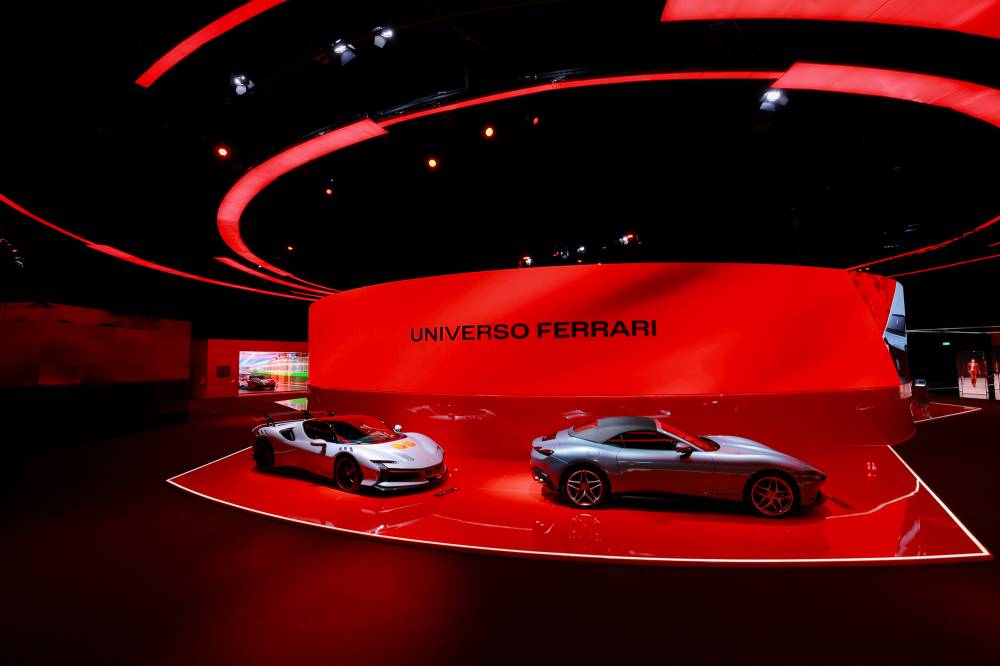
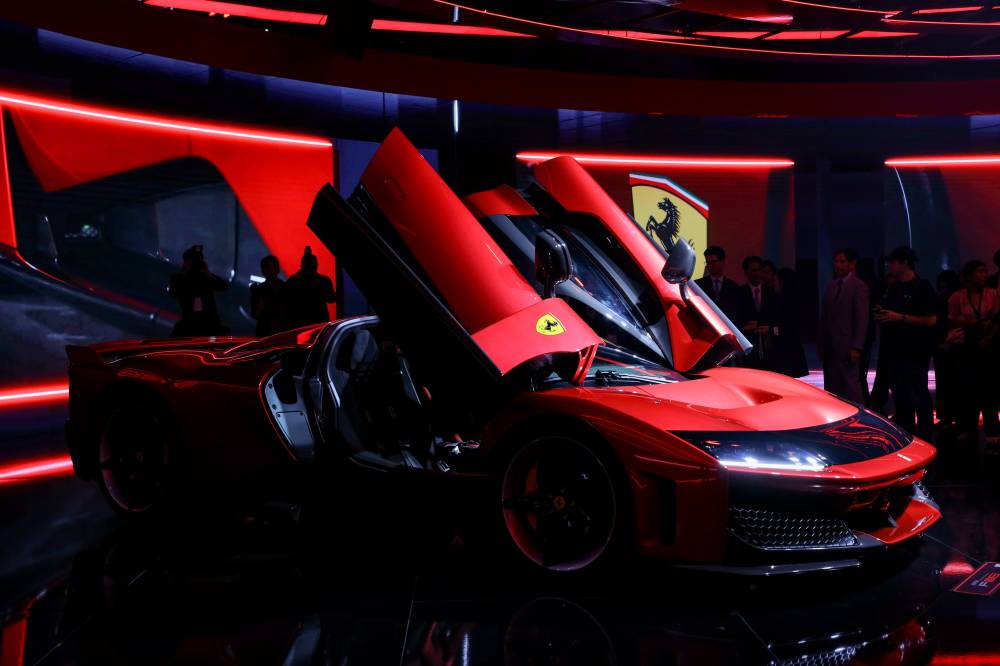
Ferrari officially unveiled the all-new 849 Testarossa in Southeast Asia with a regional launch held at the Pinnacle Hall of Iconsiam in Bangkok. Hosted by Cavallino Motors, Ferrari’s official importer in Thailand, the event drew VIP clients and regional media for the first in-person look at what is now the most powerful series-production Ferrari in history.
The Testarossa DNA stretches back even further than the 80s supercar boom. “Testa Rossa”, which is Italian for “red head” first appeared on the 1956 Ferrari 500 TR race car, referencing its red-painted cylinder heads. But it was the 1984 Testarossa that cemented the name into the global imagination. Its flat-12 engine, its imposing stance, and its celebrity aura turned it into a universal shorthand for speed, wealth, and the glamorous sheen of the period.
Television played a pivotal role. When Miami Vice put the Testarossa on-screen alongside detective duo Sonny Crockett and Ricardo Tubbs, the car transcended its engineering and became a cultural character of its own. Posters, arcade games, scale models, and magazine covers turned it into one of the most recognizable Ferraris ever built.
For Ferrari’s loyal Tifosi, the Testarossa was more than pop décor, it represented an era when Italian supercars were raw, emotional, and unfiltered.
Fast-forward four decades and the Testarossa name returns, but in a dramatically new context. Today’s high-performance landscape is defined by electrification, aero efficiency, and digital interfaces, and Ferrari has shaped the new 849 Testarossa with these realities front and center.
Power comes from a heavily revised twin-turbo V8 pushing 830 cv and revving to 9,500 rpm, paired with a Formula 1-derived hybrid system. Its three electric motors, two mounted up front and one at the rear, brings the total output to 1,050 cv (around 1,035 hp), surpassing both the SF90 Stradale and even the LaFerrari. This officially makes the 849 Testarossa the most powerful series-production Ferrari ever.
Remarkably, engineers kept overall weight comparable to the SF90. Combined with the added electric thrust, the new model achieves the best power-to-weight ratio of any Ferrari road car to date.
Its aerodynamics have also been engineered to match its headline numbers. The car generates 415 kg of downforce at 250 km/h, 25 kg more than the already-extreme SF90. Cooling efficiency improves by 15%, ensuring consistent performance even under repeated hard driving—an essential trait for electrified supercars.
A bespoke suspension setup, with new springs, dampers, and geometry works with a hybrid torque-vectoring system to deliver the kind of immediacy Ferrari describes as “one of the most responsive berlinettas” it has ever developed.
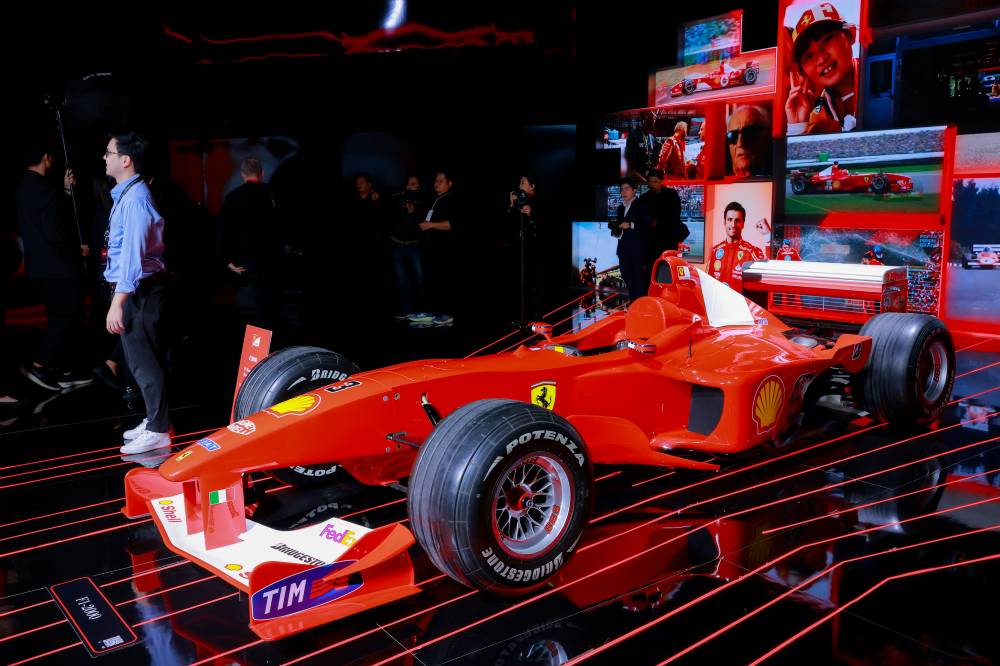
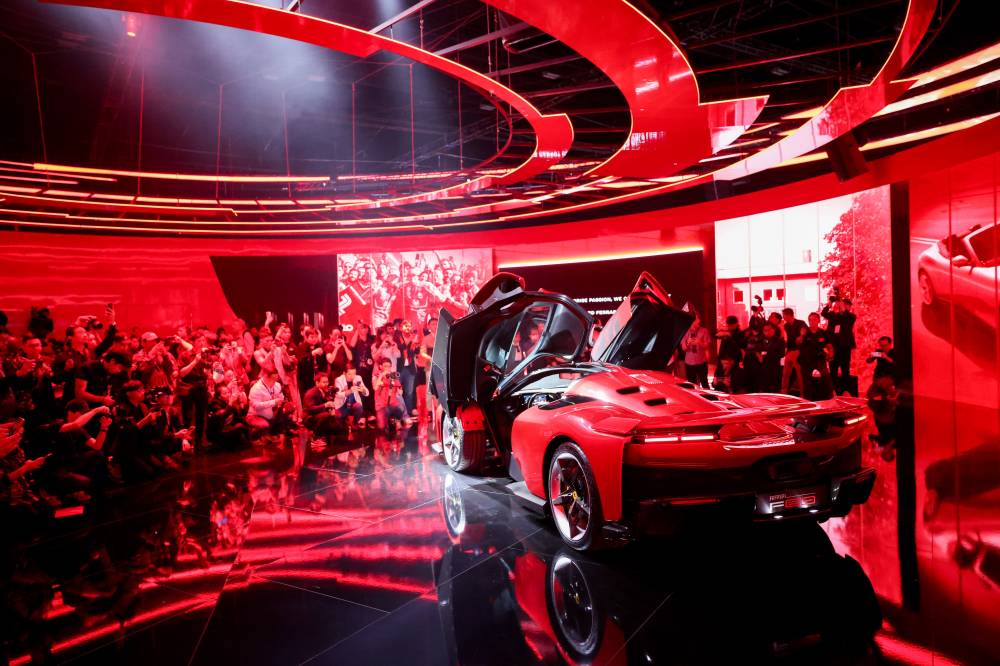
Stylistically, the 849 Testarossa is a blend of the past and the future. Red-painted cylinder heads nod directly to the original TR models of the ’50s. The sculpted surfaces and proportions, though thoroughly modern, recall the spirit of Ferrari’s classic mid-engined silhouettes.
Inside, the Human-Machine Interface has been redesigned for clarity and engagement. Ferrari brings back physical buttons on the steering wheel—ditching capacitive touch controls—for a tactile connection between driver and machine. Digital displays and a refined cockpit layout bridge luxury and precision, echoing the duality of classic Ferrari road cars built for both theater and purpose.
But the 849 Testarossa’s reappearance is not about nostalgia. It is about momentum, about carrying a legacy into a new era where performance must coexist with innovation, emotion with electrification, history with forward thrust.