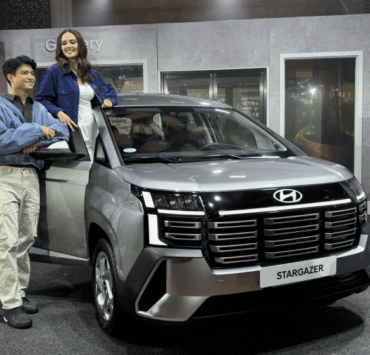











Hyundai’s forward-thinking and flexibility


Hyundai is leaning heavily into giving people very specifically what they want, even though the basic technicals may be similar. The best example for this is what they are offering in what is effectively the three-row vehicle market.
If you look at the probably most familiar of all of these, there is the Hyundai Santa Fe, which is the newer, cleaner looking hybrid with wonderfully linear lines and a very efficient use of space. This is a model that has grown from being the more curvy, but very family-oriented SUV into something that is more elegant and upscale while still providing a family with the space and comfort and flexibility that they need.
The other three-row that is familiar is the Palisade, which comes in with a 2.5 liter hybrid power train. As we tested it, this model had an upgraded level of comfort and flexibility with captain’s chairs for the second row and a large amount of adjustability across the board. This feels like a more upscale, from the already premium Santa Fe, and can fit quite well into the executive transport arena.
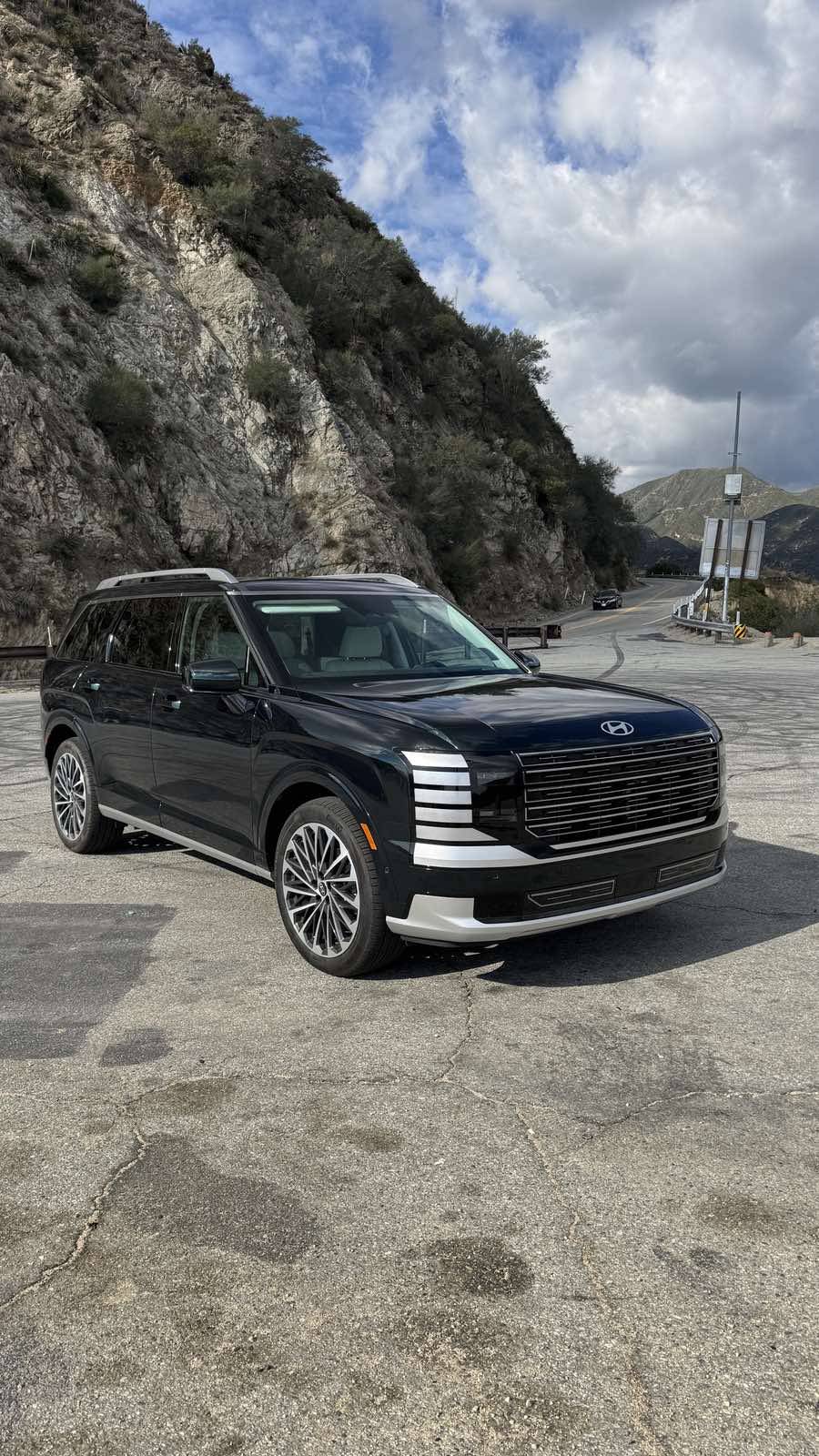
The third vehicle is what’s very different. It is the Ioniq 9, and it is a three-row fully electric vehicle. It brings a different aesthetic that is somewhat more minimalist, but also somewhat more relaxing than the others. It brings out a freshness and kind of serenity for the interior. What this shows us is that Hyundai is going deep into trying to understand what their buyers want and then providing it. They’re combining their very historic strengths and family-oriented vehicles and products for new buyers with models that will appeal to those that are moving up the corporate ladder or the entrepreneurial journey that still want the familiar Hyundai feel.
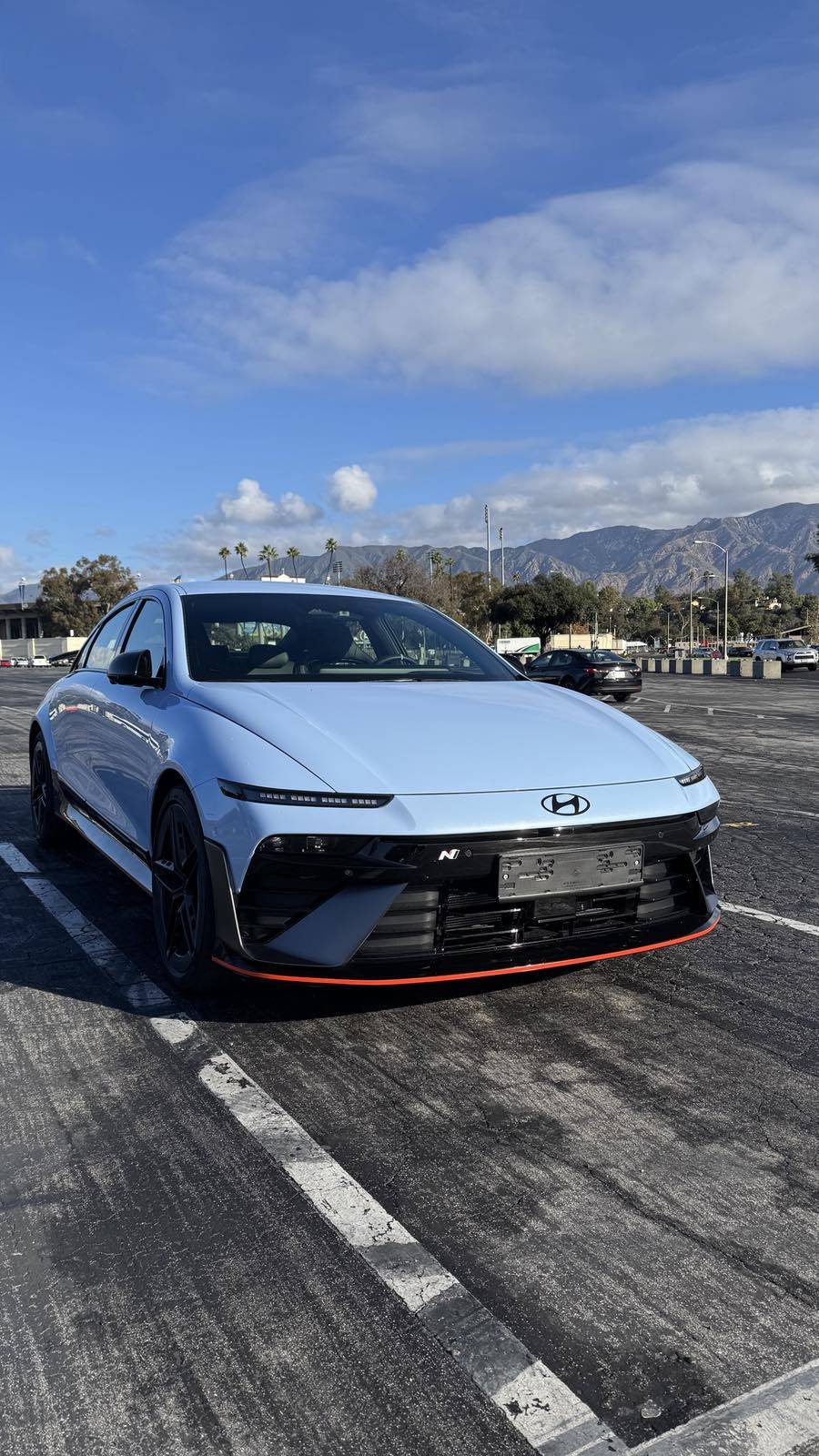
What’s very interesting here is that while they’re doing this, they also develop things like the new Ioniq 6N, which is the second of their N-inspired fully electric sports vehicles, and is an amazing expression of enthusiasm in a fully electric line.
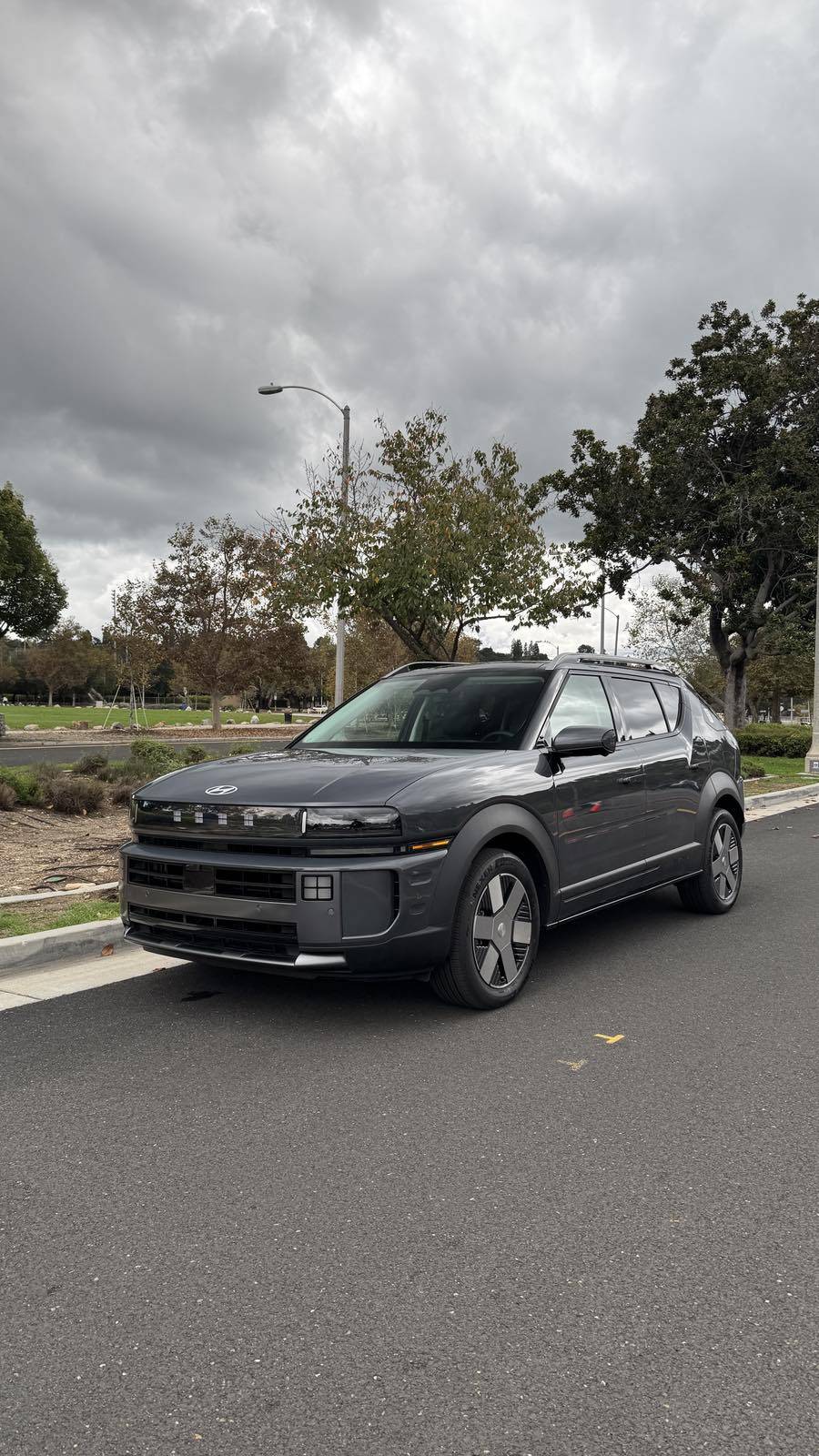

Another vehicle we recently tested is the fuel cell vehicle, the Nexo. This is a car designed specifically to explore hydrogen fuel cells as a viable powerplant alternative. It drives like an electric because basically it is one. The electric power is provided by the hydrogen fuel cell. The only battery is a smaller one that acts as a bit of a buffer for regeneration and starting and the like. It is basically a fully electric experience with very quick fill-up times, more like a internal combustion engine than anything electric. this particular vehicle is really meant to be released on the in certain areas because of the infrastructure needed for hydrogen. But it was an excellent proof of concept and quite enjoyable to drive, especially when we drove it around the garage used for the back to the future movies. quite happily appropriate.
What this says is that while Hyundai is building on their strengths, they are also looking further forward and developing vehicles that may well be the appropriate answer for particular users in particular areas.